When to Buy a Fresh Christmas Tree for Lasting Holiday Cheer
Published October 16, 2026 · By Christmas Tree Farm Finder
The scent of pine, that sharp, clean aroma, instantly conjures images of crisp air and holiday cheer. For many, a real Christmas tree is not just a decoration; it is the very heart of the festive season, a tradition passed down through generations. Finding the perfect tree and keeping it vibrant until the New Year, however, requires a bit of timing and care.
The Quest for the Perfect Pine
Walking through rows of fragrant evergreens, you quickly learn that each tree has its own character, its own story. Some stand tall and proud; others are a bit more humble, perhaps a little quirky; all of them promise that unique, natural beauty. My own family’s tradition involves an annual pilgrimage to a local farm, often searching for that one special balsam fir or Fraser that just feels right, the one that will anchor our living room.
Peak Season for Freshness
The ideal window for selecting a live tree often begins around Thanksgiving, extending into the first week of December. This period allows farms to harvest trees that have fully hardened off, meaning they have gone dormant and are ready for cutting without prematurely drying out. Cutting a tree too early, before it has entered full dormancy, can sometimes lead to faster needle drop once it is indoors.
Timing Your Farm Visit
Visiting a Christmas tree farm during the first two weeks of December provides a sweet spot between selection and longevity. You will find an abundant variety of sizes and species, and the trees will have been cut recently, ensuring maximum freshness. Many of our local farms even let you choose and tag your tree a week or two before you plan to pick it up, which is a great way to secure your favorite.
Understanding Tree Freshness
A truly fresh Christmas tree is a joy to behold; its needles are vibrant, its scent potent. But how do you assess that freshness when you are standing in a field or lot? It is not just about the appearance; it is also about the feel.
The Bounce Test
One simple, effective way to check for freshness is the "bounce test." Gently grab a branch about six inches from the tip and pull your hand towards you, letting the branch spring back. If only a few needles fall off, the tree is fresh. If a shower of needles comes down, especially from the interior of the tree, that particular specimen has likely been cut for a while and is already drying out.
The Bend Test
Another reliable indicator is the "bend test" for needles. Take a single needle between your thumb and forefinger and try to bend it. The needle of a fresh fir or spruce should be pliable; it should bend without snapping. If the needle immediately breaks, the tree is dehydrated. Pines, however, are a bit different; their needles are naturally more flexible.
Color and Scent Indicators
Look for deep, rich green color throughout the tree; avoid any with significant browning, particularly near the trunk or branch tips. A fresh tree also emits that characteristic, strong pine or fir scent. If the tree has little to no aroma, it may be past its prime.
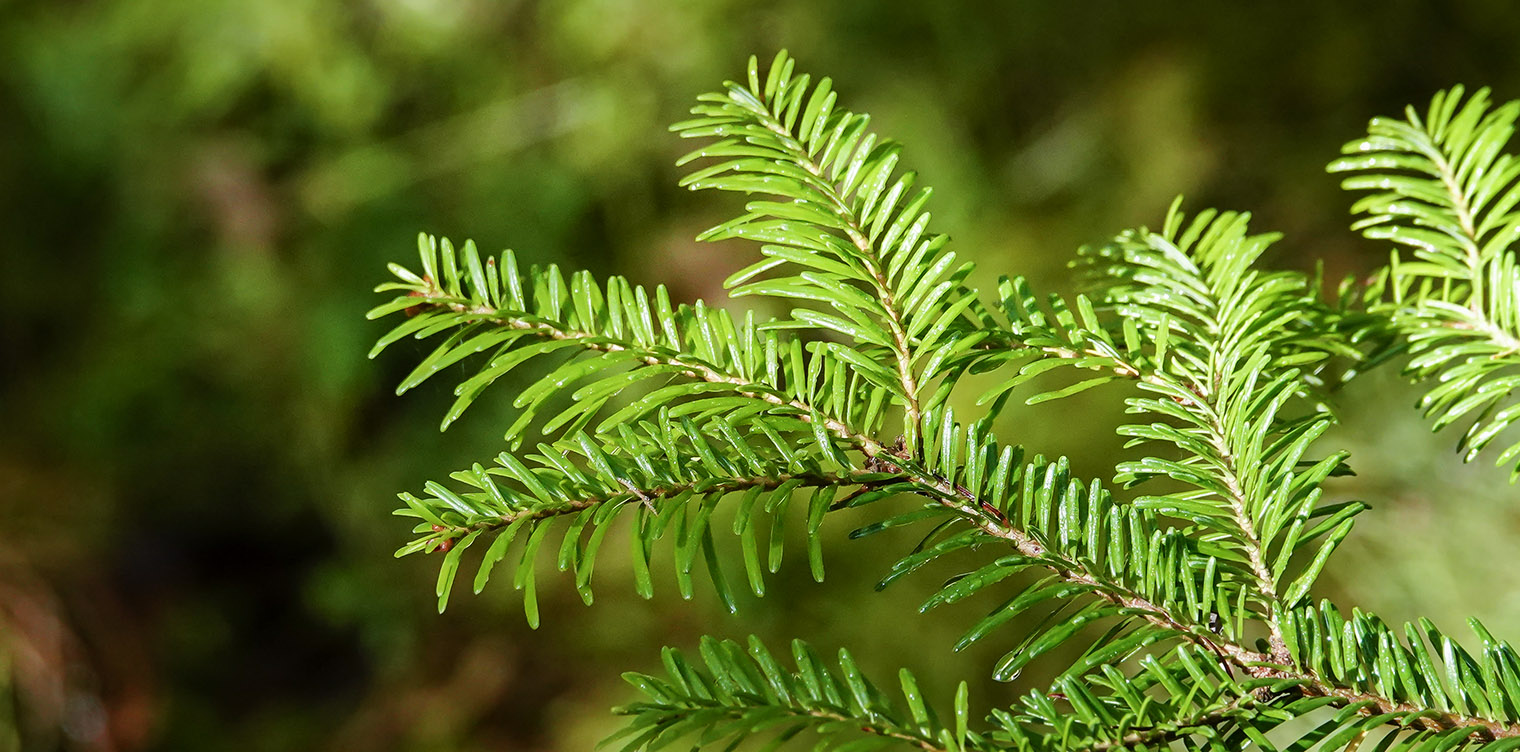
Photo: Adirondack Nature, Google Maps contributor at the Adirondack Mountains.
Factors Influencing Tree Longevity
Once you have brought that beautiful tree home, its longevity largely depends on a few key factors, most of which you can control. From the moment it leaves the farm until it is nestled in your living room, every step matters. My grandfather always said, "Treat it like a cut flower, because that's exactly what it is."
Species Selection Matters
Different tree species possess varying natural abilities to retain moisture and needles. Fraser firs and Noble firs are renowned for their excellent needle retention, often lasting four to six weeks or even longer with proper care. Balsam firs are also good, offering that classic Christmas scent. Spruces, while beautiful and fragrant, tend to dry out more quickly. Pines, like Scots pine, are fairly durable but have stiffer needles. Understanding these inherent traits can guide your choice; you can browse Christmas tree farms by state to see what species are popular in your area.
Initial Hydration After Cutting
The moment a tree is cut, it begins to dry out. If you are cutting your own tree, it is crucial to get it into water as quickly as possible. Some farms offer a fresh cut on the trunk before you leave, which is incredibly helpful. If not, make sure to make a fresh, straight cut across the base of the trunk when you get home, removing about an inch of wood before placing it in water. This reopens the tree's water-absorbing capillaries, which can seal with sap within a few hours of cutting.
The Water Reservoir
A large, sturdy tree stand with a generous water reservoir is non-negotiable. For a typical seven-foot tree, the stand should hold at least a gallon of water; larger trees will need even more. Check the water level daily, especially during the first week, as trees drink an astonishing amount of water initially. My own tree often drains its stand completely within 24 hours for the first few days. Never let the water level drop below the base of the trunk, or the tree will seal off again.
Location, Location, Location
Where you place your tree inside your home significantly impacts its lifespan. Keep it away from direct heat sources like fireplaces, heating vents, or direct sunlight from a large window. These conditions rapidly accelerate dehydration. A cooler spot in the room, out of direct drafts, will help it stay fresher longer.
Extending Your Tree's Freshness
Beyond the initial setup, ongoing care is crucial. Think of your Christmas tree as a cherished houseplant, albeit one with a finite lifespan. Consistent attention will yield the best results.
Maintaining Hydration
The most critical ongoing task is maintaining the water supply. A fresh tree can absorb several liters of water per day, especially in a warm room. Consider adding a commercial tree preservative to the water; these often contain mild fungicides and nutrients that can help with water uptake, though plain tap water is usually sufficient if regularly refreshed. I find that checking the water every morning and evening becomes part of the daily routine.
Humidity and Temperature Control
While you might not be able to precisely control your home's humidity, avoiding overly dry conditions helps. A humidifier placed in the same room as the tree can slightly increase ambient moisture. Keeping your home's thermostat set a bit lower, if comfortable, also reduces the rate of water evaporation from the needles.
Avoiding Damage
Rough handling can cause needles to shed prematurely. When bringing the tree home, transport it carefully; wrap it in a tarp or net if possible. Once it is in the stand, avoid bumping or jostling the branches. Also, ensure your tree lights are cool-burning LEDs, as old incandescent bulbs can generate enough heat to dry out nearby needles.
Planning for Post-Holiday
Even with the best care, all good things must come to an end. Planning for your tree's eventual departure helps ensure a smooth transition out of your home and contributes to sustainability.
The Sweet Spot for Take Down
Ideally, you want your tree to last through New Year's Day. If you purchased your tree in the first week of December, and followed all the care steps, it should easily last into the second week of January. The signs of a drying tree are unmistakable: excessive needle drop, dulling color, and branches that feel brittle. When you see these, it is time to say goodbye.
Responsible Disposal
Do not simply toss your tree in the trash. Many communities offer specific programs for recycling Christmas trees, often chipping them for mulch or use in parks. This is a far better alternative than sending them to a landfill; you can check out local tree recycling options. Some farms also accept trees back for composting.
Final Preparations for the Season
Choosing your tree, whether a majestic Douglas fir or a classic Noble, is more than just a purchase; it is the beginning of a month-long celebration. Consider what works best for your family, your schedule, and your home environment.
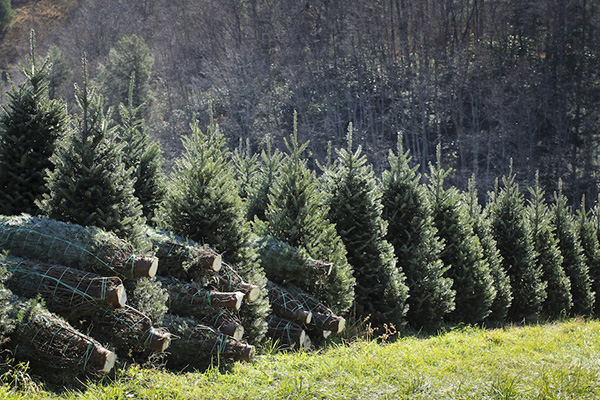
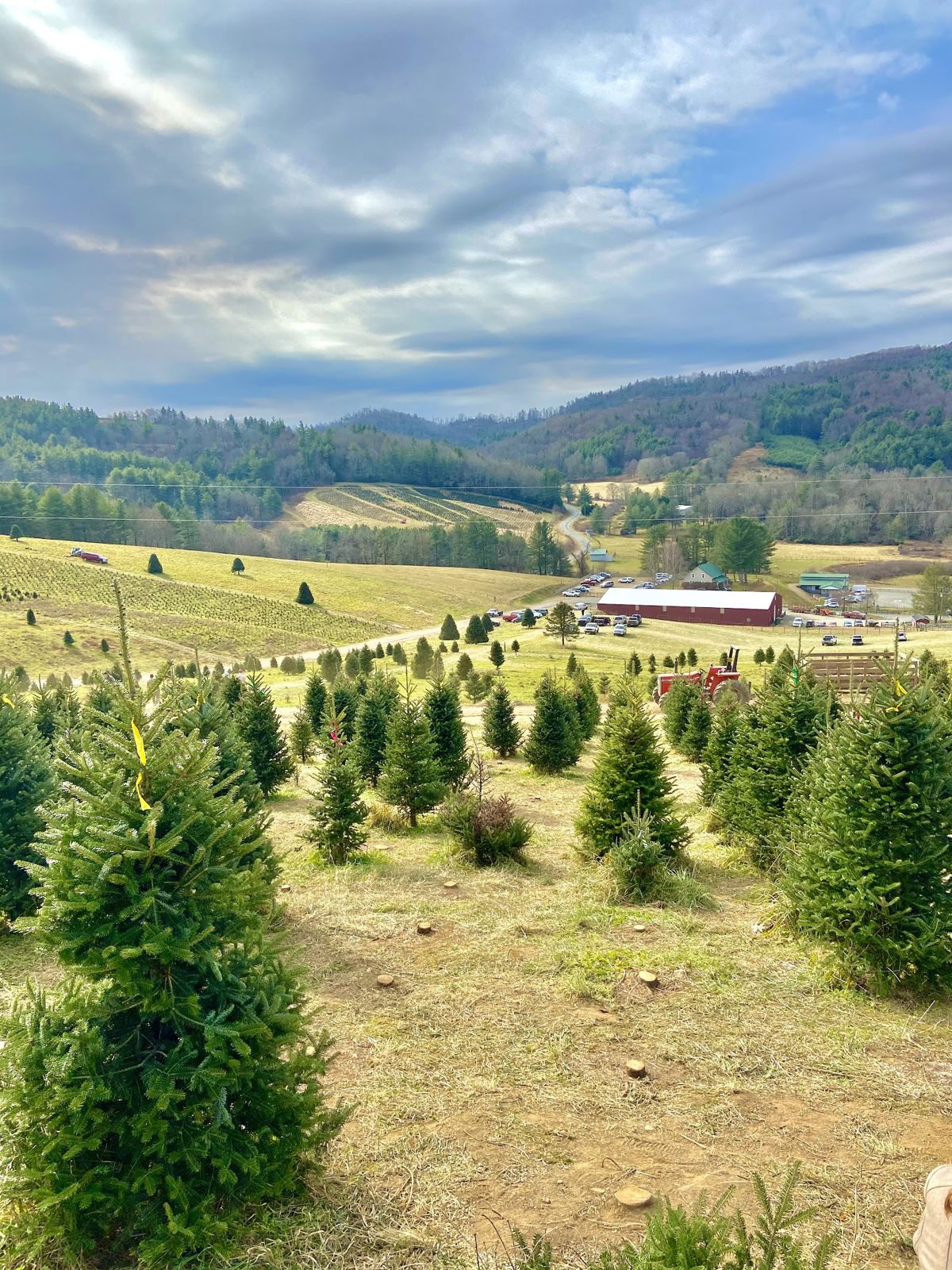
Photo: NC Christmas Tree Association, Google Maps contributor at a North Carolina Fraser fir farm.
Visiting Your Local Farm
Before you even step foot on a farm, a little preparation goes a long way. Knowing your ceiling height, the width of your intended display space, and even the type of ornaments you plan to use can help narrow your selection. If you are planning a cut-your-own adventure, remember to bring your cut-your-own checklist for a smooth and enjoyable experience. The joy of finding the perfect tree is often amplified by the memories made at the farm itself.
Tree Species and Lifespan
For those aiming for maximum longevity, especially if you plan to put your tree up very early, prioritize species known for excellent needle retention. Fraser fir, Noble fir, and Nordmann fir are generally the top performers. However, even a short-lived species like a Balsam fir can thrive if it receives consistent hydration and is placed in a cool environment. Understanding the traits of different species can also be aided by consulting a tree species guide.
When to Buy for New Year’s
To ensure your tree looks its best right through New Year’s Day, aim to buy it no earlier than the first week of December. This timing gives you about four to five weeks of prime freshness, assuming diligent care. If you plan to decorate earlier, say right after Thanksgiving, consider buying a species known for its hardiness and be extra vigilant with watering. A fresh-cut tree, properly cared for, is a beautiful addition to any holiday home. For more detailed timing, consult a local season calendar for optimal harvest dates.
The Holiday Spirit
Ultimately, the choice of when to buy a fresh Christmas tree comes down to balancing tradition, practicality, and the desire for that quintessential holiday magic. A real tree, with its unique fragrance and natural beauty, truly elevates the festive season. Providing it with a little care ensures its warmth and cheer last as long as your holiday spirit. To find the perfect tree-hunting spot, explore Farms Near Me in your area. The National Christmas Tree Association also offers excellent resources and tips for care.
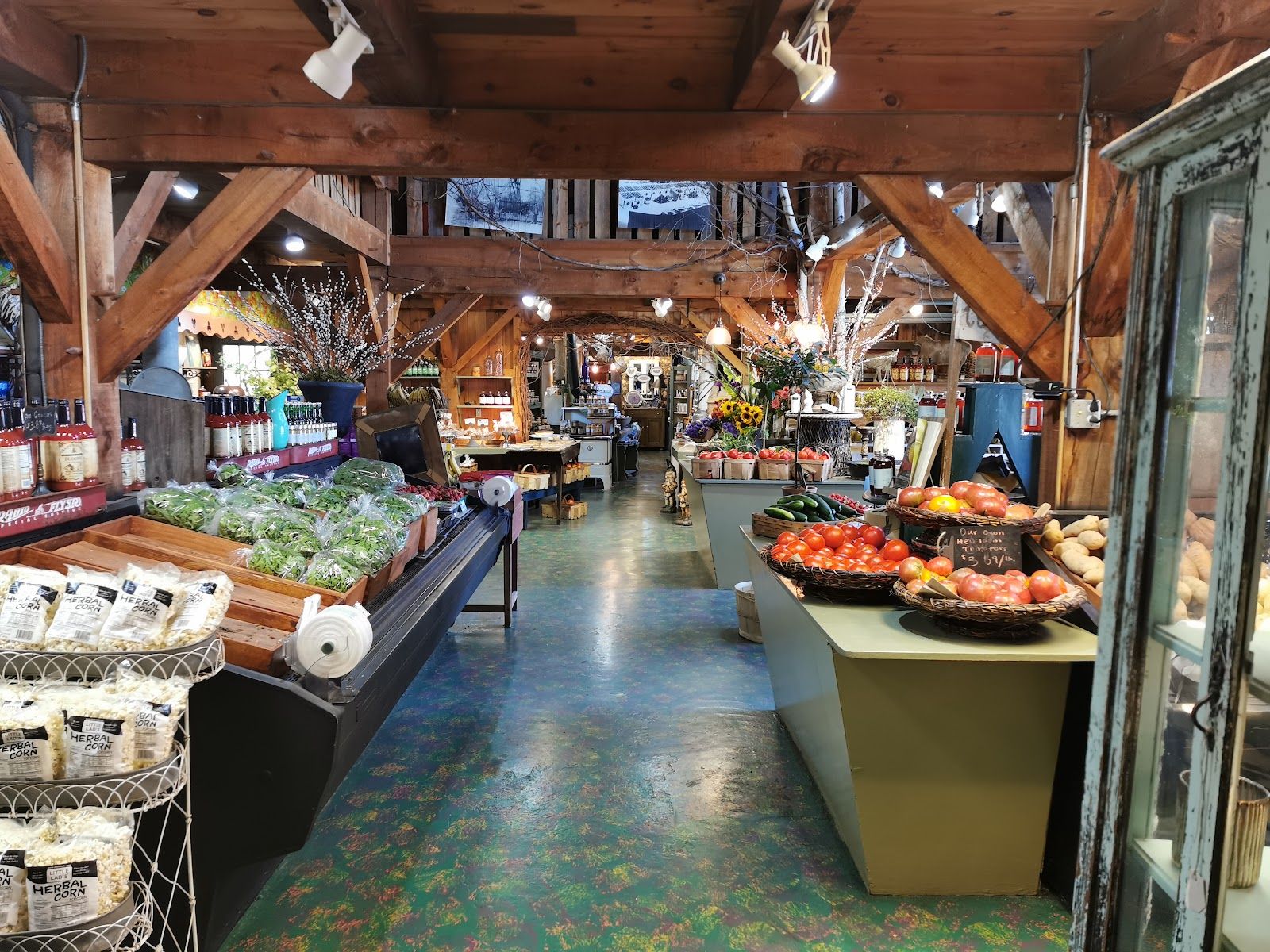
Photo: Brookdale Fruit Farm Inc., Google Maps contributor at Brookdale Fruit Farm.