Cut-your-own Christmas tree; the complete family checklist
The gear, the plan, and the small comforts that turn a choose-and-cut trip into a good memory rather than a cold, muddy one.
Take this list to the farm; the printable version is stripped of navigation.
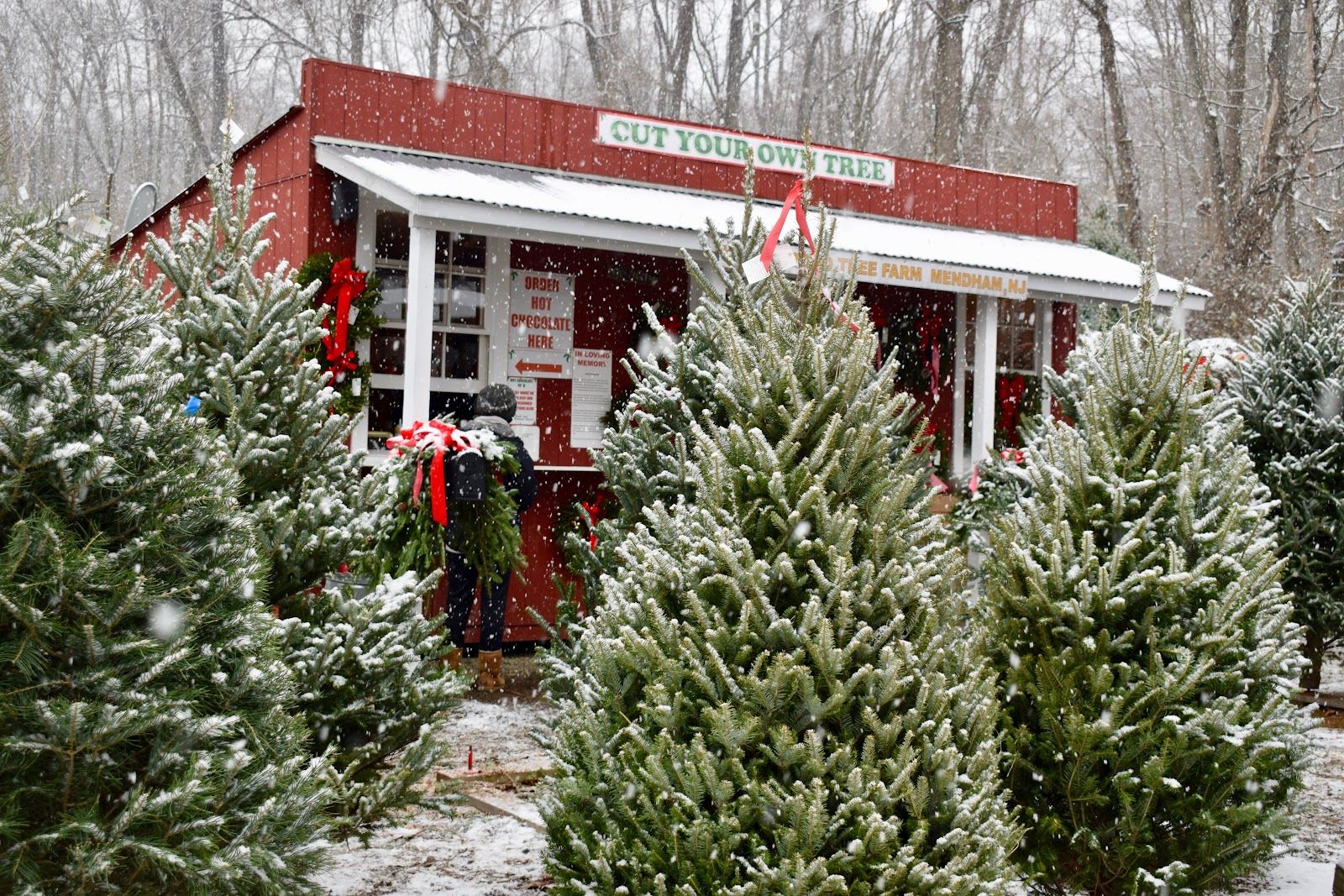
A cut-your-own tree trip is a small logistical event; a car ride into the country, an hour or two of walking in the cold, a fresh tree on the way home, and a house that smells like the woods for the next month. The trip goes beautifully when you plan for it and a little rough when you do not. This checklist covers the whole day, from the measuring tape you should reach for the night before to the first watering when you get the tree standing at home.
The week before
Measure your ceiling from the floor to the highest point where the tree will stand. Subtract the height of the tree stand (usually four to six inches) and the height of the topper (six to twelve inches for a star or angel). The number you are left with is the maximum tree height for the room; write it on the palm of your hand or type it into your phone. Every year hundreds of families come home with a tree that is four inches too tall, and every year the same families end up trimming the top or the bottom in a stressful ten minutes with the wrong saw.
Snap a photograph of the empty corner where the tree will stand. Wide-angle, from about eight feet back. Take the photo with you to the farm; the rows can be disorienting, and a phone screen is a much better reference than your memory when you are torn between two trees.
Call the farm on Thursday of the week you plan to visit. Confirm hours; confirm whether cash is preferred or cards work; ask what species are in strong supply this year. Farmers appreciate the call, and you will learn things the website does not say.
What to wear
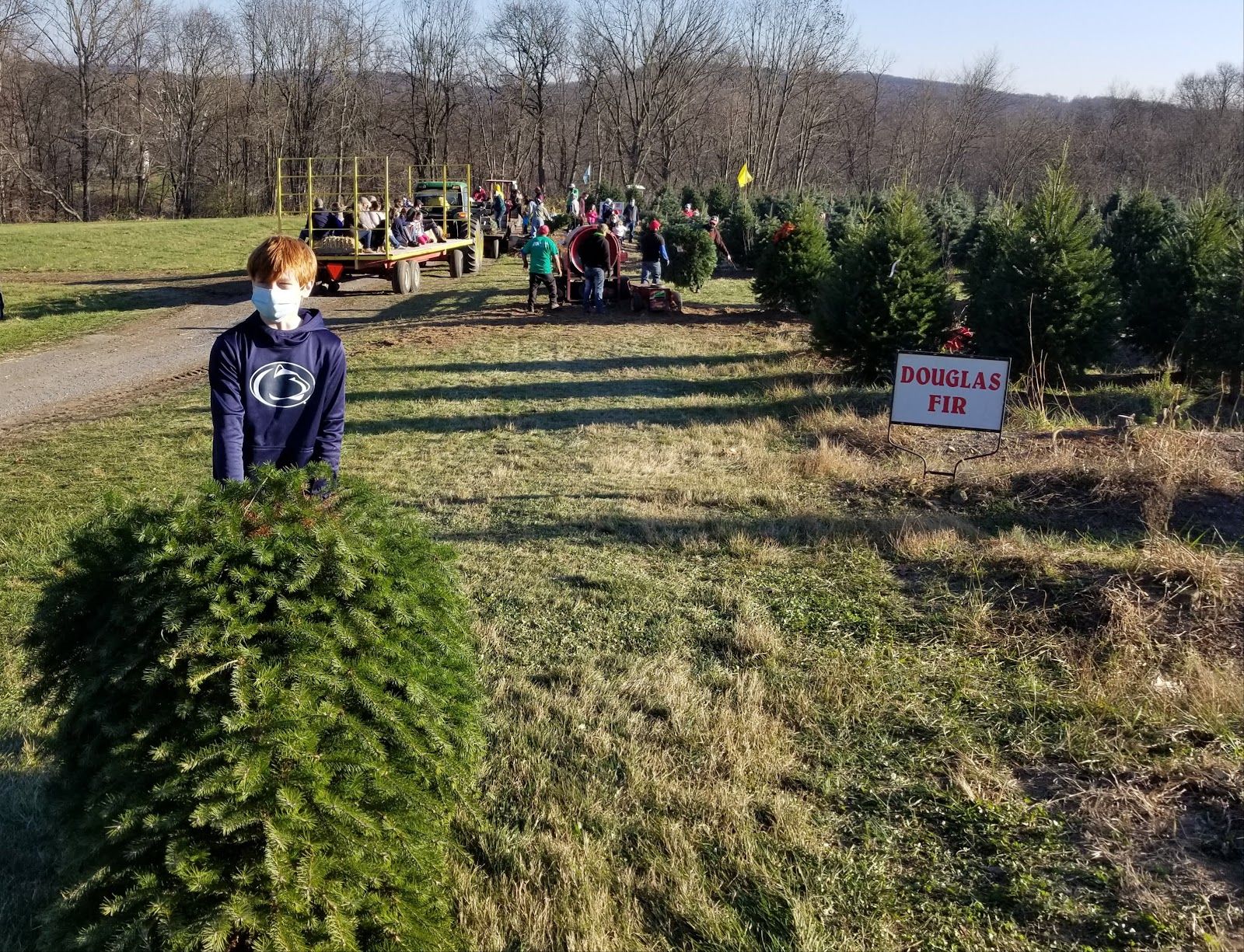
Layers you can shed once you start walking. A base layer under a warm shirt and a jacket; the walk heats you up quickly, and standing at the wrapping station cools you back down just as fast. Waterproof boots are non-negotiable; the ground in a Christmas tree field is a mix of mud, snow, clay, and pine needles, and cotton sneakers will not survive the first row. Wool socks make a huge difference on a cold day.
Bring gloves you do not mind getting sappy; pine resin does not wash out of good leather. A knit watch cap that stays on in wind. If snow is on the ground, take waterproof pants for the kids; a five year old will sit in the snow to look at the trunk of every tree, and denim will be soaked through by the fourth row.
What to bring
Cash in small bills; wreaths, cider, and doughnuts often ring up at farm stands with a cash-only line for speed. Twenty dollars in fives and singles goes a long way. A folding pruning saw as a backup; most farms provide saws at the field entrance, but the busy saws get dull by mid-afternoon, and a fresh blade of your own turns a ten-minute cut into a two-minute cut.
Rope or bungee cords for the roof of the car; farms sell twine, but you will move faster with your own supply. A tarp or old blanket for the trunk of the car; sap and needles get everywhere, and the cleanup is much easier when the mess falls on a tarp. A thermos of hot cocoa or coffee for the ride home. Snacks; the drive from a good tree farm to home is often forty minutes, and children can forget they were happy in the field the moment they realize they are hungry.
Choosing the tree in the field
Walk at least three rows before you commit. The tree that catches your eye from ten feet away often has a bare side; walk a full circle around any tree you seriously consider. Look up and down the whole trunk; a straight base makes it dramatically easier to stand the tree up at home. A slight curve is normal and rarely a problem; a bend or a doubled leader in the trunk is a warning sign that the tree may fight the stand.
Squeeze a needle between your fingers; a fresh needle bends before it snaps. Grasp a branch about a foot in from the tip and pull your hand toward you; a fresh tree drops a few needles, and a stressed tree drops a shower. Ask the field staff which trees are tagged as reserved before you start cutting; a tag with a name on it means someone paid a deposit and plans to pick it up later.
Cutting the tree
Have one person hold the trunk steady above the cut, and another person cut low, no more than six inches above the ground. The first inch of cut is the slowest; once the saw finds the pace, the rest of the cut goes quickly. Push the tree gently away from the saw as you finish so the trunk does not pinch the blade. If children want to help, let them start the cut and take over when they get tired; the story of who cut the tree is often more important than the cut itself.
Getting the tree to the car
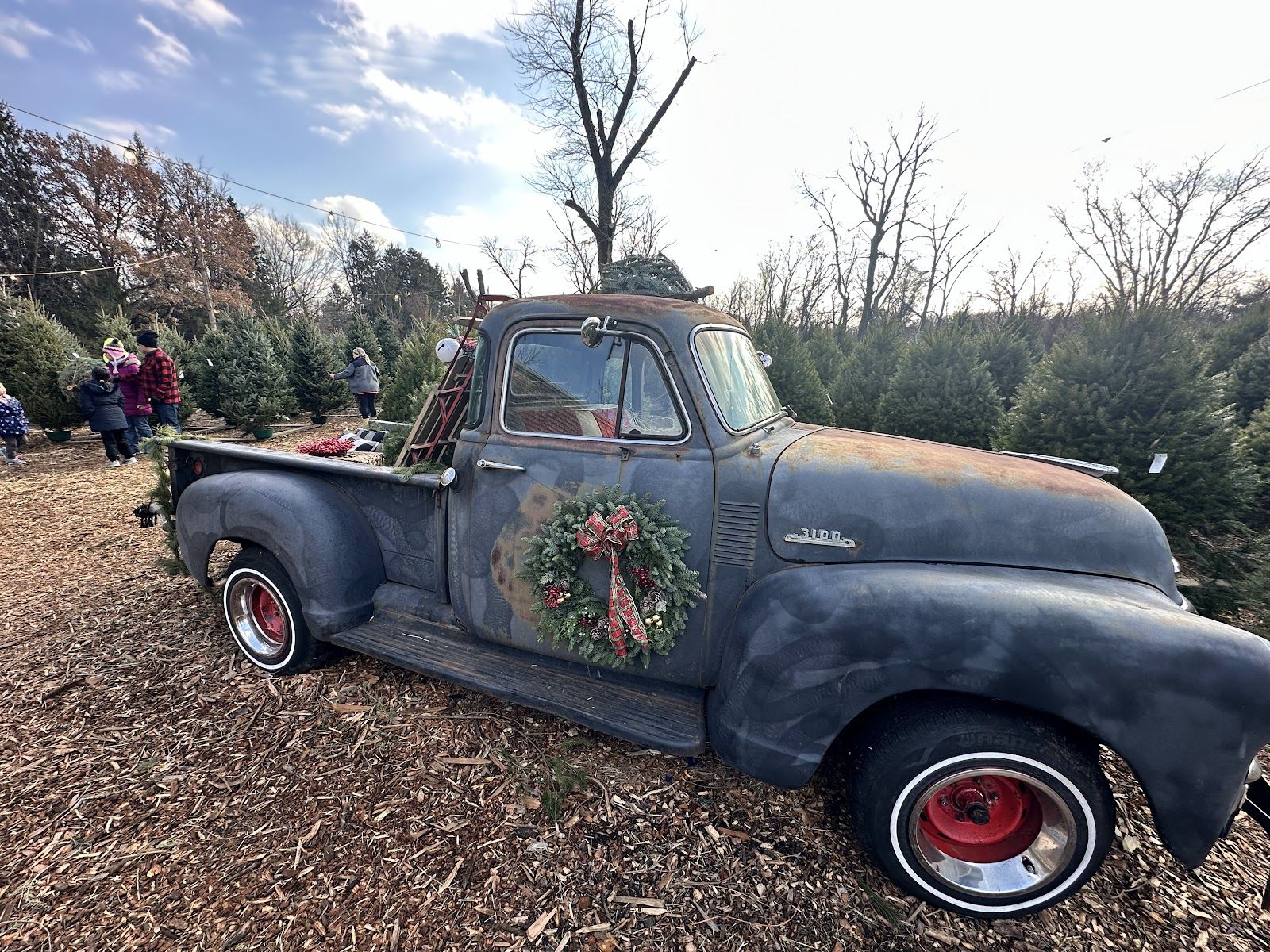
Most farms haul trees to the tie-up station on a tractor or a small cart; if the farm you visit does not, one adult can carry a tree up to seven feet by taking the trunk end and letting the top drag lightly. Two adults are much better for anything over seven feet. The wrapping station will run the tree through a mesh baler; the mesh compresses the branches, makes loading dramatically easier, and stays on until the tree is standing in the stand at home.
On the roof of the car, load the tree with the trunk facing forward. The airflow will lay the branches back rather than fold them forward. Tie at three points; front, middle, and back. If the tree hangs more than three feet over the back bumper, tie a red rag to the tip. Drive home at a reasonable speed; the roof rack will thank you.
At the tree stand back home
Make a fresh cut across the trunk half an inch above the original cut. A fresh cut opens the pores and lets the tree take up water; a trunk that sits in air for more than a few hours seals over and stops drinking. Put the tree in a stand that holds at least a full gallon of water. A fresh tree drinks up to two quarts in the first twenty-four hours; check the reservoir every morning for the first week, and every second morning after that.
Position the tree away from heat registers, wood stoves, and direct afternoon sun. The drier the air, the faster the needles drop. If your home is very dry in winter, run a humidifier in the tree room; the tree will thank you and your sinuses will thank you.
The morning after
Refill the water; unbind the mesh and give the tree an hour to settle before you decorate. The branches will lift on their own as the tree relaxes. Vacuum the needle fallout from the walk to the stand. Text a photo to the farm; owners love seeing their trees standing in living rooms across the country, and a photo goes a long way toward making a small business feel appreciated.
Weather and safety notes
On a very cold day, keep visits to two hours or less; small children lose body heat quickly. On a rainy day, the fields are muddy but the farms are quieter; boots and a change of socks in the car turn a wet trip into a lovely one. If lightning is in the forecast, reschedule; a Christmas tree field is not a safe place to be during a storm. Keep pets on a leash at all times; deer, rabbits, and farm dogs live in the fields, and a chase in a working field can turn into a lost pet very quickly.
Questions? Contact us.