Christmas tree recycling; the responsible way to send your tree off
A real tree deserves a second life; here is how families across the country give their trees a proper send-off.
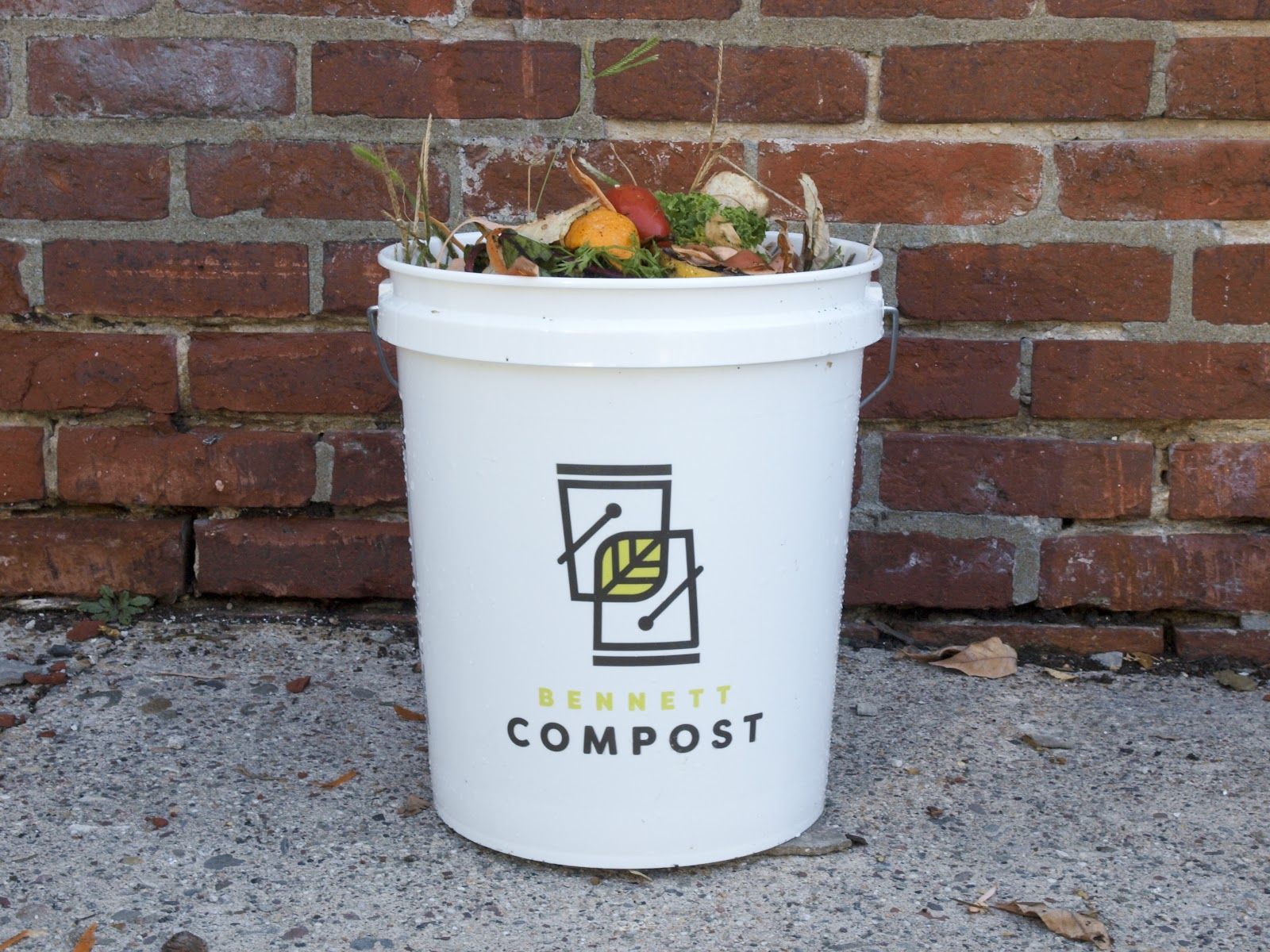
A real Christmas tree is roughly the most compostable object in your house. It grew from soil, water, and sunlight; it drank tap water for six weeks; it deserves a return trip to soil rather than a spot in a landfill. The good news is that every state in the country now has some form of Christmas tree recycling program. The better news is that most of them are free, and many turn your old tree into something visible; mulch on a park trail, cover in a fish habitat, structure inside a sand dune. This guide walks the options, from the curbside pickup you can arrange in ten minutes to the shoreline restoration project you can sign up to help with.
Curbside pickup
The largest and easiest option is your municipal curbside program. In most towns, the sanitation department picks up Christmas trees during the first two full weeks of January, usually on the regular trash or yard-waste day. Trees are taken to the same site as fall leaves, chipped into mulch, and either sold back to residents in the spring or spread on public trails and garden beds.
Rules vary by town, but the pattern is consistent; remove every light, ornament, garland, tinsel strand, and hook before you set the tree at the curb. Do not put the tree in a plastic bag; the bag is not compostable and jams the chipper. Cut the tree into two or three pieces only if your town specifies a maximum length; otherwise a whole tree at the curb is welcome. If snow is on the ground, place the tree on top of the snow with the trunk toward the road.
Community chipping days
Nearly every county in the country runs at least one chipping day at a public park in the second week of January. You drive your tree over, hand it to a volunteer, and drive away; the mulch is piled and either given away that day or spread on trails in the spring. Chipping days are festive; Boy Scouts often sell hot cocoa to raise money for a summer camp fund, and Rotary clubs sometimes organize the volunteers.
Check your county parks department calendar in mid-December for dates; some counties post the map of chipping sites in the newsletter that comes with the recycling calendar every autumn. If you cannot find a local site, call the parks department; someone at the desk knows exactly where the chipper will run.
Boy Scout and fundraiser pickup services
In hundreds of cities, Boy Scout troops offer a pickup-for-donation service in early January. You register on their website, leave the tree at the curb the morning of the pickup day, and the troop chips or delivers the tree to a habitat project. Donations typically run in the ten to twenty dollar range; the money funds camping trips, service projects, and troop equipment for the year. If a Scout troop operates in your area, this is a lovely way to close the holiday season.
Fish habitat drop-off programs
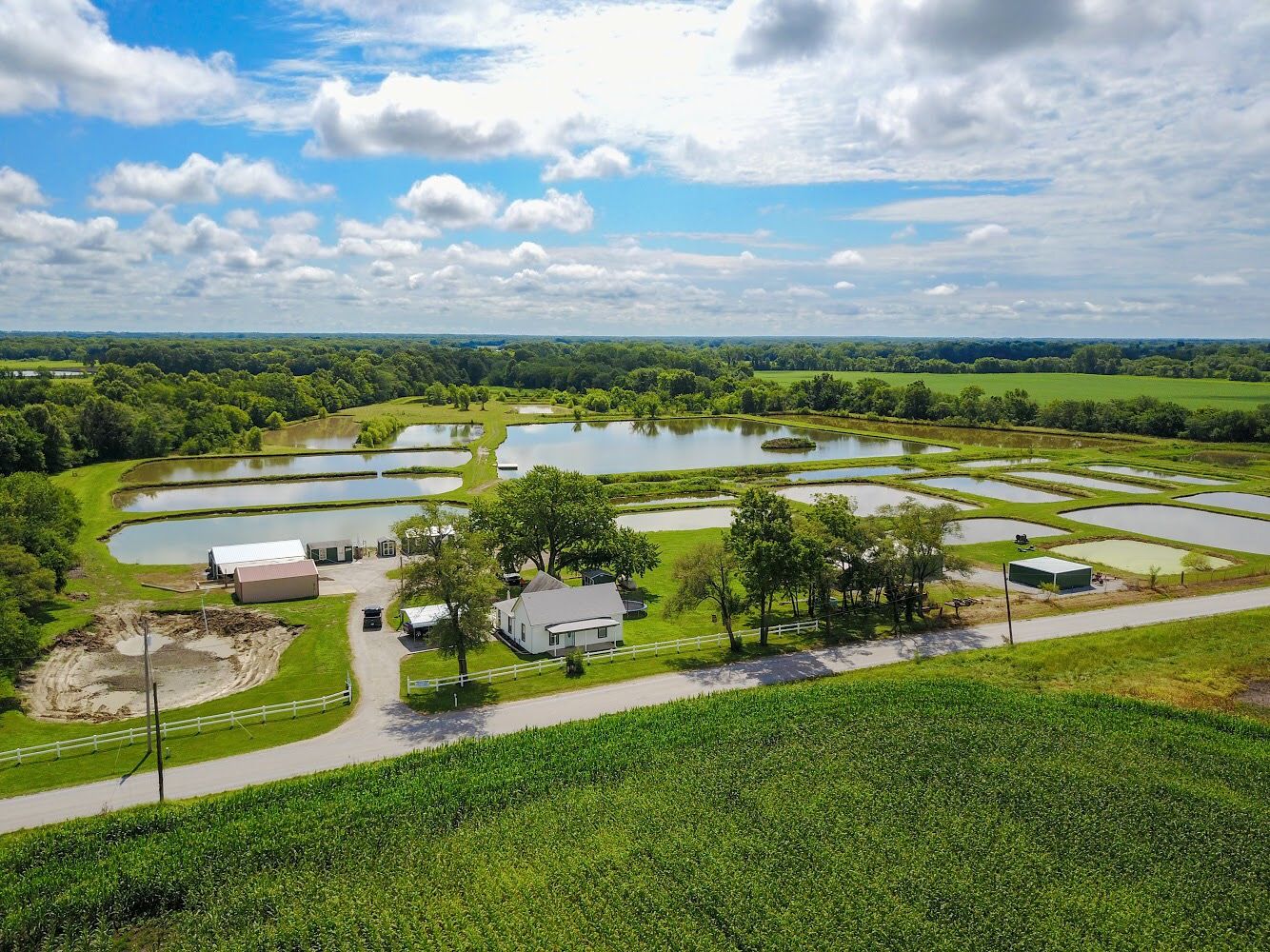
State fisheries departments in many states (Missouri, Oklahoma, Kentucky, Tennessee, Texas, Iowa, Illinois, Kansas, Nebraska, and beyond) collect old Christmas trees in January, bundle them with cinderblock anchors, and sink them into reservoirs and farm ponds. The submerged trees create instant fish habitat; bass, crappie, and bluegill use the branches as cover, and the trees hold their structure underwater for four to seven years before breaking down.
Drop-off locations are usually boat ramps and state park docks. Look for the state Department of Natural Resources or Wildlife Resources website; the annual "Christmas trees for fish" page lists every drop-off site with a map. Some programs also welcome volunteers to help with the winter sink weekends; if you own a boat and want an afternoon on the water in January, this is a genuinely fun way to spend it.
Dune restoration on coastal parks
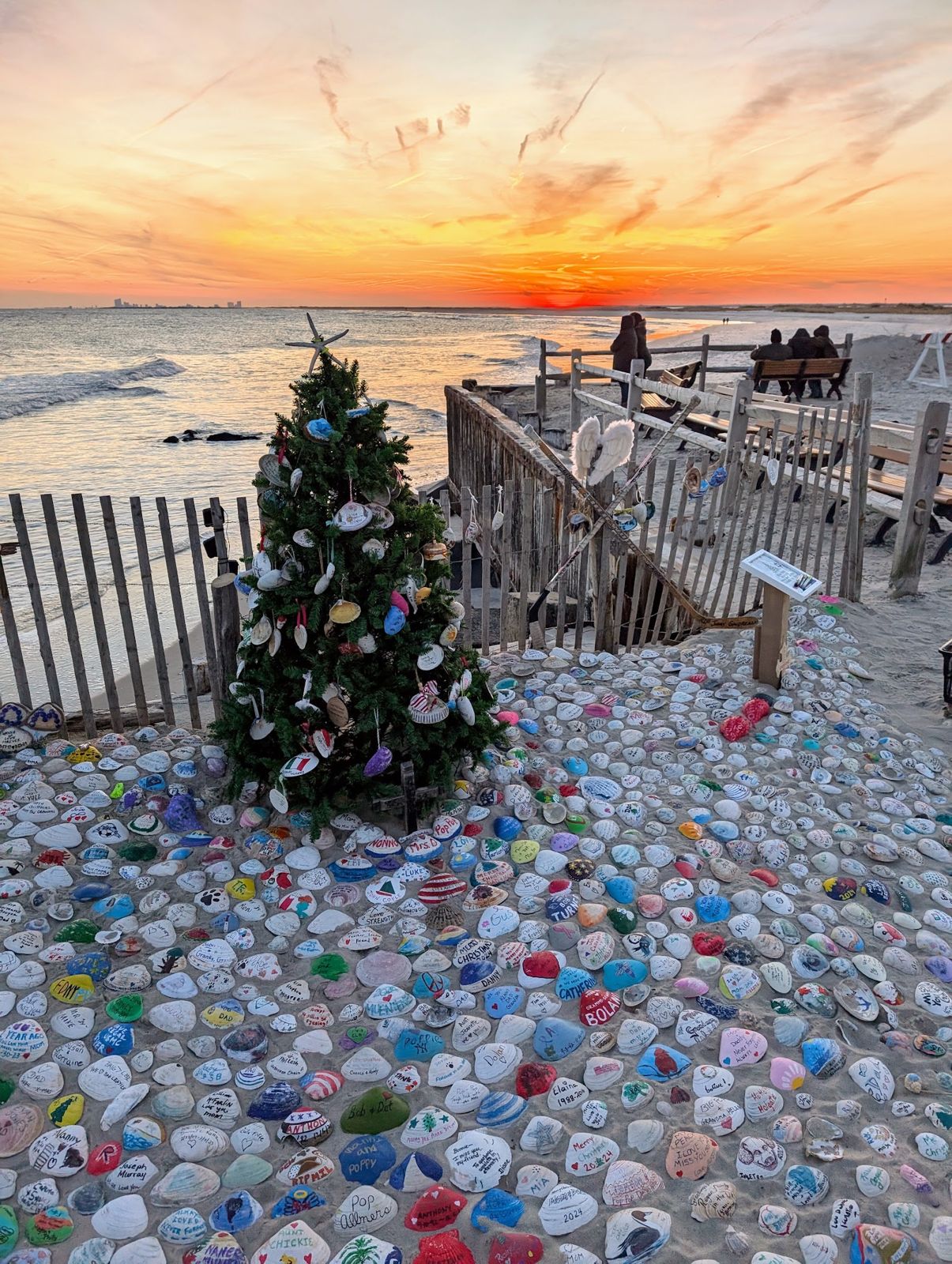
The mid-Atlantic and Gulf Coast states use Christmas trees for dune stabilization. Trees are laid horizontally along the seaward edge of a dune, staked in place, and left to catch blowing sand; the sand piles up around the branches, the dune grows, and the coastline gains a natural barrier against storm surge. New Jersey, Delaware, Maryland, and Louisiana all run active tree dune programs; look for beach town municipal calendars in early January for drop-off locations.
Composting a tree at home
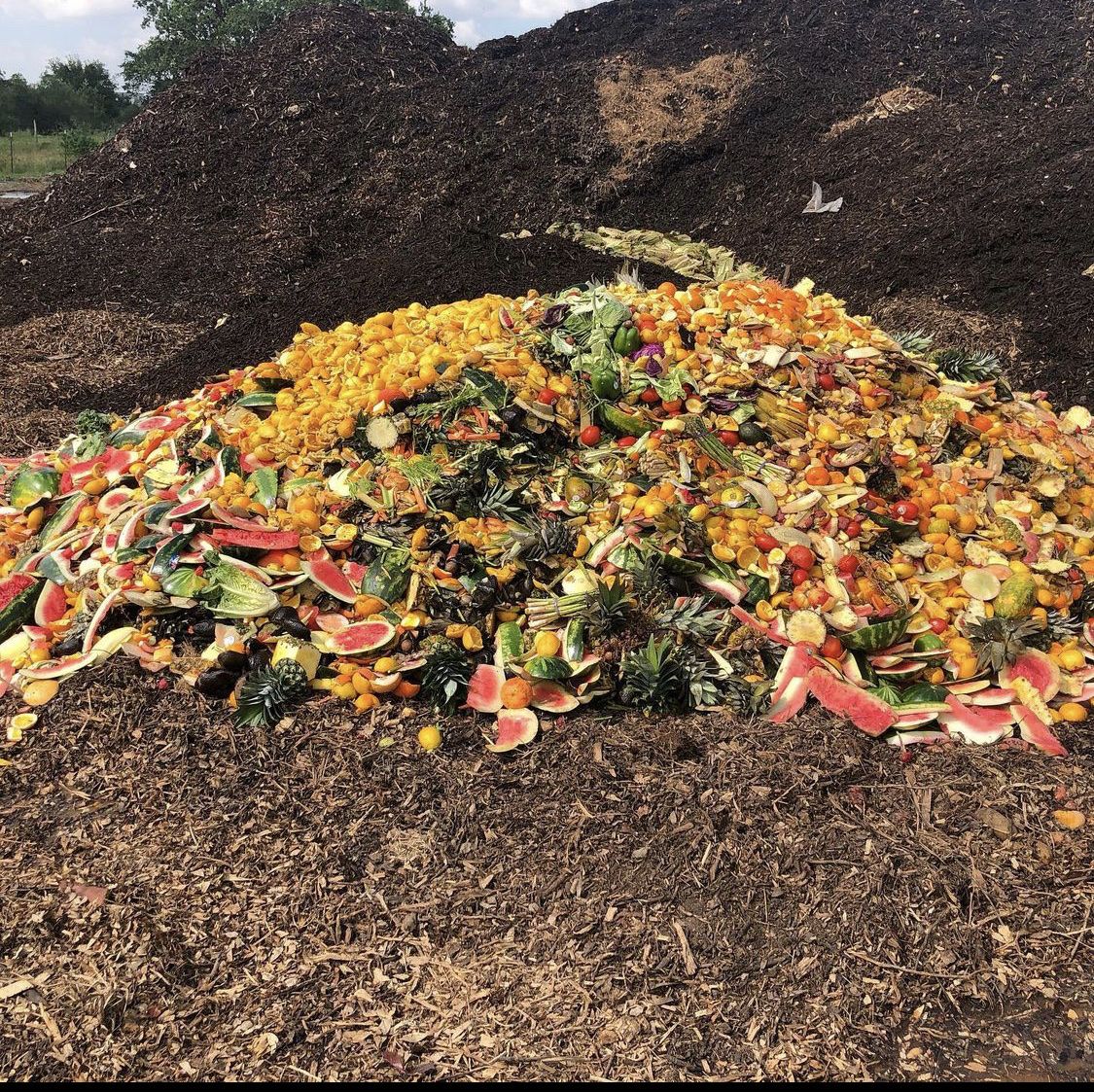
If you have a yard, a shed, and a few hours in January, a Christmas tree can compost at home beautifully. Cut the branches off with loppers; run them through a mulching mower or a small chipper. The needles and small twigs decompose in six to nine months and produce a lovely acidic compost that blueberry bushes, azaleas, and rhododendrons love. The trunk is the slow part; buck it into eighteen inch rounds and let them season in a corner of the yard, and by next summer you can split them for the fire pit or leave them as habitat for beneficial insects.
Other creative reuse ideas
The trunk of a Christmas tree makes an excellent stake for tomatoes, peas, or pole beans in the spring; strip the bark, sharpen one end, and let it dry through February. The heavier branches become trellis crossbars for climbing plants. The needles brewed as a tea (fresh from a pesticide-free tree) are high in vitamin C and used in traditional Northeast recipes. If you have chickens, they will happily strip a tree of needles in a day and use the bare branches as perches.
What not to do
Do not burn a Christmas tree in a fireplace or wood stove. Evergreen wood is high in resins that burn hot and fast; the resins can coat the flue with creosote, and creosote is the cause of most chimney fires. If you want to burn the wood, cut the trunk into rounds and season them outside for at least a full year; even then, mix with hardwood and keep the fire modest. Do not leave a tree in the woods behind your house unless you know your county allows it; dumped trees can smother native vegetation and spread invasive insects.
Finding your local program
Start with a search for your city name plus "Christmas tree recycling." Most municipal pages appear at the top of results in December and early January. If nothing turns up, call the town hall main number; the receptionist almost always knows the pickup week. County parks and recreation departments are the next best call; even if your town does not run a program, a neighboring county probably does. If you have a farm within an hour of home, ask; a surprising number of Christmas tree farms accept old trees back for on-farm mulching and even offer a small discount on next year's tree in exchange.
Questions? Contact us.