When to buy a Christmas tree; the American farm season, week by week
Every farm sets its own hours, but the season follows a familiar rhythm across the country; here is what to expect at each stage.
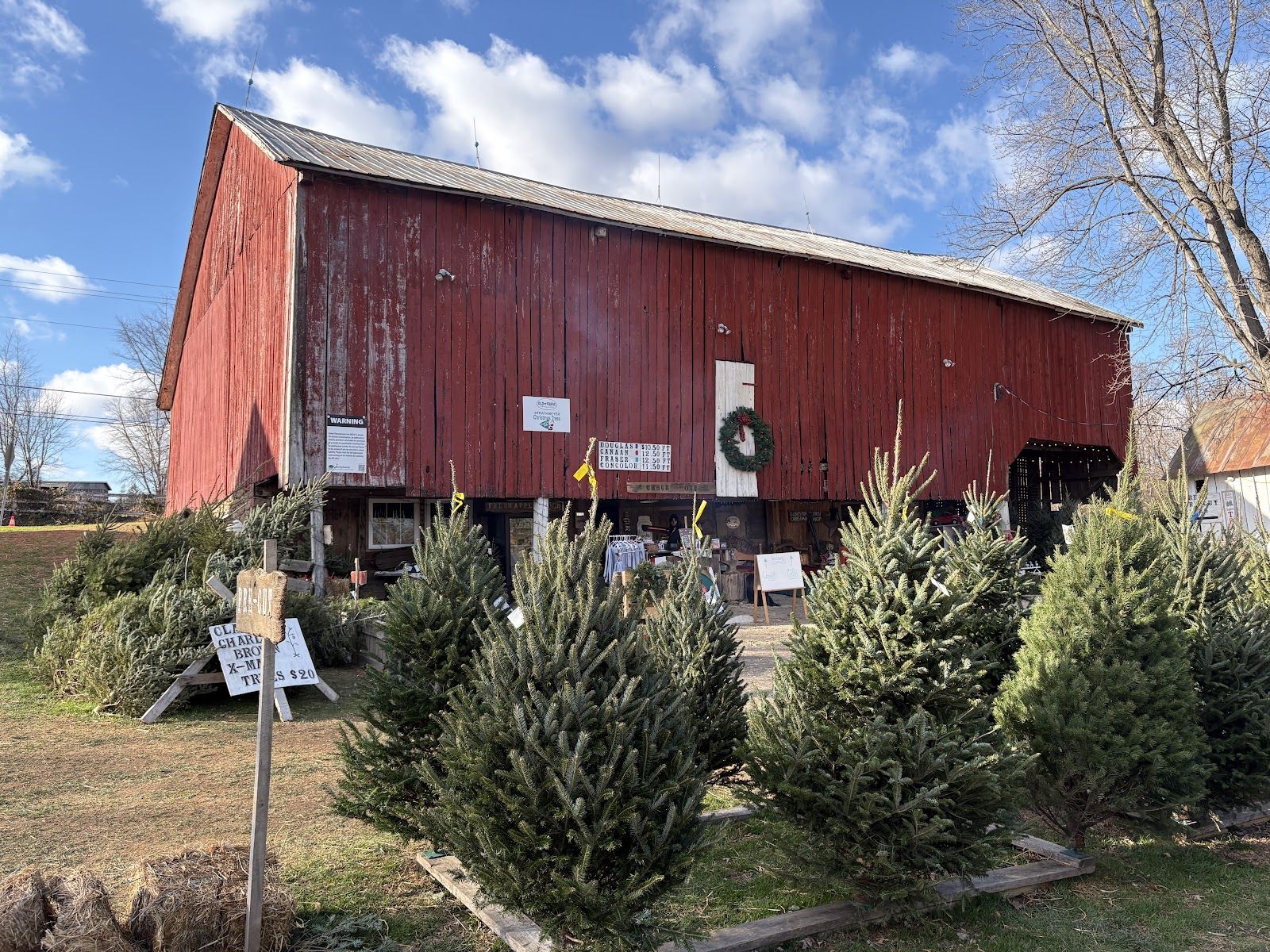
The American Christmas tree season is short and predictable. Opening weekend is always the Friday after Thanksgiving; the last cutting day at most farms is the Sunday before Christmas. Inside those four weeks the fields fill and empty in a pattern most farmers can predict to the hour; the trick as a visitor is to know which weekend suits your family, your ornaments, and your patience. This guide walks the season week by week, with regional notes; use it to plan your visit before the peak weekends fill.
Late October and early November; the pre-season
A handful of farms open a "wreath weekend" in early to mid-November; if you want handmade greens, centerpieces, and swags before the rush, this is when to shop. The trees are still growing in the field and are not for sale yet. Many farms use these two weekends to test the parking loop, train seasonal staff, and check saw shed inventory. Farms in the deep South (Georgia, Alabama, Mississippi, Florida) often stage a Sand Pine display or a preview of shipped-in Fraser fir; talk to the owner about hold-and-tag policies if you want first choice on a specific tree.
Week 1; the Friday and Saturday after Thanksgiving (opening weekend)
Opening weekend is the busiest of the year at most farms. The fields are full, the trees are at their freshest, and selection is at its absolute peak. If you want a specific species (Concolor, Noble, tall Fraser above eight feet) this is the weekend to arrive at opening; those trees leave the field first and rarely return.
Expect long lines at the tree wrapping station; expect the food truck to run out of hot cocoa by two in the afternoon. Bring cash for the smaller farms, since card readers rely on cellular service that can slow to a crawl under the weekend load. Arrive within thirty minutes of opening if you want a tree over seven feet; arrive after lunch if you want a shorter tree and a calm walk in the fields.
Week 2; the first weekend in December
The crowds thin noticeably; the trees are still fresh, the staff has time to answer questions, and the owner is often in the fields helping visitors choose. This is the sweet spot for families with young children; slower pace, plenty of parking, and Santa is usually still on the schedule at farms that offer visits.
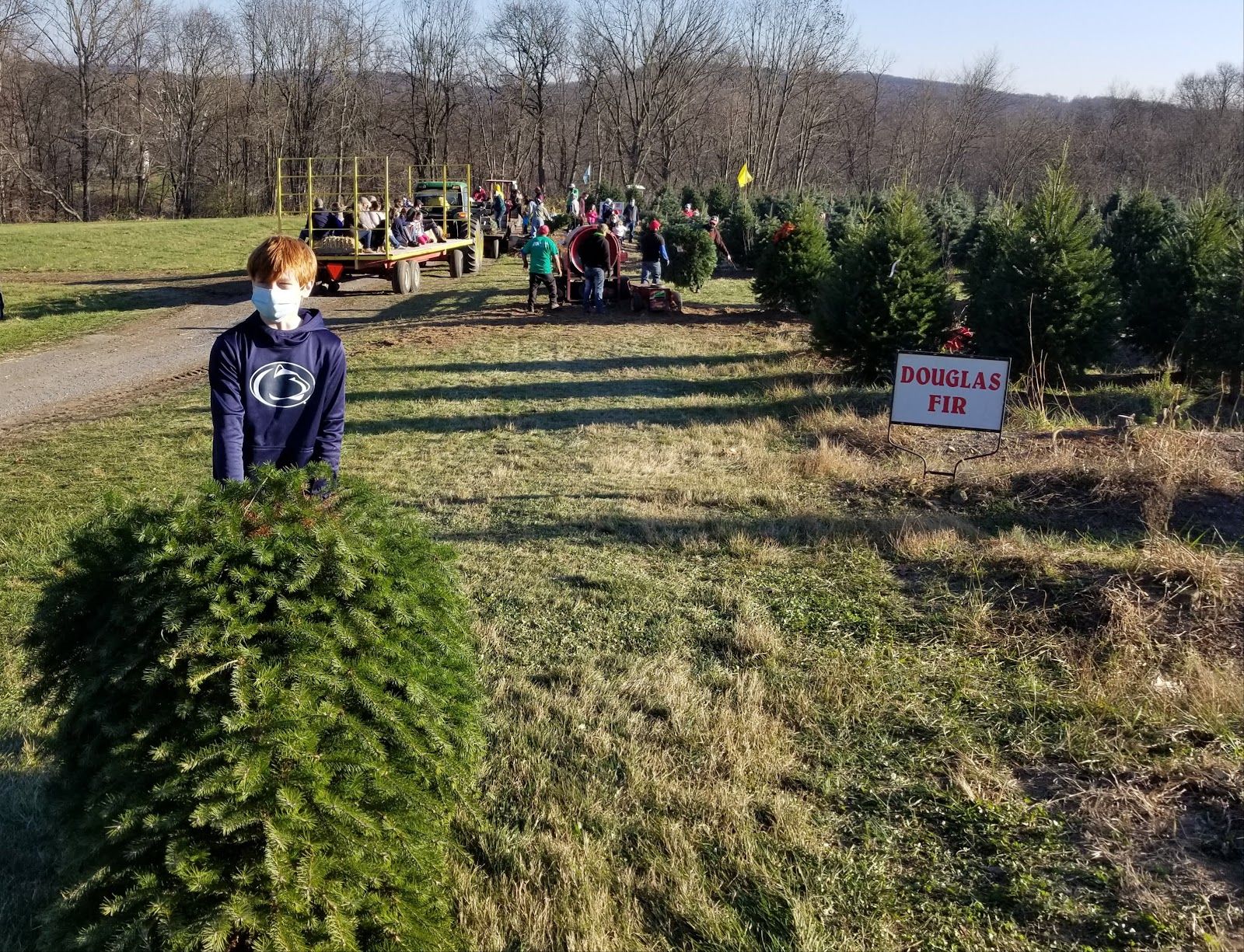
Selection remains excellent; you will still find the specialty species, most of the tallest trees, and the widest variety of shapes. Wreaths, garlands, and centerpieces are all still in stock. If you drive to a farm mid-morning on this Saturday you can be home with a tree standing in the stand by early afternoon.
Week 3; the second weekend in December
This weekend is quiet at most farms, and it is where the deals begin. Owners have a sense of what will not sell before Christmas; expect friendly negotiation on the shape you thought was slightly crooked and the tree you were told was too tall. Species selection narrows; premium firs (Fraser above nine feet, Noble in most sizes, Concolor at any height) may already be tagged out.
On the coasts this weekend often sees the first hard freeze of the season inland; the ground firms up and the field walk becomes easier for anyone with a stroller or a mobility aid. In the mountain West the season can pause here for a snow event; call the farm before you drive.
Week 4; the third weekend in December
By this weekend most premium species are gone. Farms that still have supply are usually holding on to the mid-range shapes and the tallest untagged trees. Prices at some farms drop on the Sunday afternoon of this weekend; the owner would rather sell the tree than mow around it in January. Expect narrower field access as the popular rows empty out; the tree wrapping station stays open on a shorter schedule.
This is a lovely weekend for families who value a calm visit over the biggest selection; the fields are quiet, the staff has time to talk, and cocoa is usually still hot. If you cut this weekend, the tree will hold beautifully through the New Year with basic care.
The last week; December 20 to 24
Farms that stay open through this week run reduced hours; call before you drive. Selection is limited to whatever remains standing in the fields, which is often a smaller shape or a full round tree over eight feet. Prices are the lowest of the season; some farms bundle a free wreath into the purchase. This is not the year for a specific vision; it is a lovely week for a spontaneous visit with an extended family and a warm car ride home.
Christmas Eve varies; some farms close at noon, others stay open until every remaining tree finds a home. If you plan to cut a tree on Christmas Eve, phone the farm the day before to confirm hours; the staff will thank you.
Regional differences worth knowing
The Northeast (Maine to New Jersey)
Farms open on the Friday after Thanksgiving and typically run through the third weekend of December. Balsam and Fraser dominate; snow arrives in the northern half of the region by mid-December most years. Field boots are non-negotiable.
The Mid-Atlantic and Upper South (Pennsylvania to North Carolina)
This is the heart of Fraser fir country. Farms open the weekend of Thanksgiving and sell steadily for three weeks; expect the largest, cleanest choose-and-cut Fraser fields in the country.
The Midwest (Ohio to Iowa, Michigan to Missouri)
Scotch pine, white pine, and Fraser share the fields. Weather can turn sharply between weekends; watch the forecast, and consider that opening weekend often runs on frost, not snow.
The West Coast (Washington, Oregon, Northern California)
Douglas fir, Noble, and Grand define the region. Opening weekend is huge; midweek visits in early December are wonderful for anyone who works flexible hours.
The Mountain West (Colorado, Utah, Montana, Wyoming, Idaho)
Fewer commercial farms; more permit-cut opportunities in national forests. Farm visits often include sleigh rides and warming huts; dress for genuine cold and check the forecast for weekend storms.
The Southeast and Gulf (Georgia, Alabama, Florida, Louisiana, Texas)
Warm climates support Leyland cypress, Virginia pine, and Sand pine; a family visit here feels different, with fields of pine tags along sandy paths. Fraser fir arrives shipped from the mountains and typically sells out earlier than in Fraser country.
Weekday visits; the underrated secret
If your schedule allows, a Tuesday or Wednesday visit in early December is the calmest, warmest, most personal way to cut a tree. Owners are often in the fields themselves; the wrapping station turns around a tree in five minutes; the coffee is fresh, not stale. Ask the farm what days they prefer; many will thank you for asking.
Tips that apply every weekend
Bring a saw only if the farm asks you to; most provide saws at the field entrance. Wear boots you do not mind getting muddy. Bring cash as a backup payment method; card readers depend on cell service that is not always reliable in rural areas. Measure your ceiling at home and subtract at least eight inches to allow for the stand and the topper. Take a photograph of the tree before you cut it; you can compare shapes in the phone screen if you find yourself torn between two options.
Questions? Contact us.