Choosing the Best Christmas Tree Species for Your Home
Published October 7, 2026 · By Christmas Tree Farm Finder
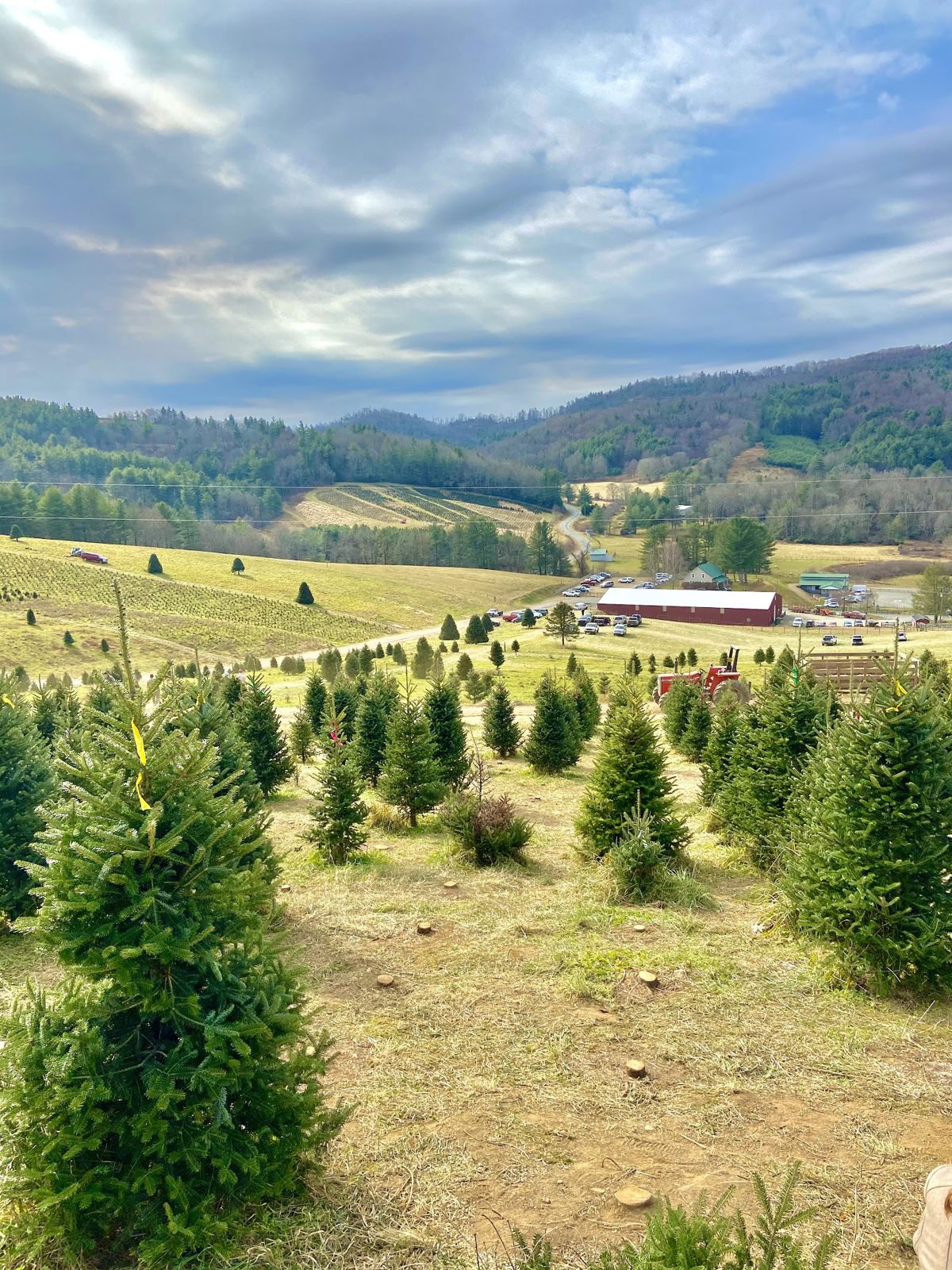
Walking through a Christmas tree farm, the crisp air filled with the scent of pine and fir, is a quintessential holiday experience; it is a tradition many families cherish. The sheer variety of trees, each with its own unique charm, can be a little overwhelming when you are trying to find the perfect centerpiece for your festive celebrations. Choosing the right species is more than just an aesthetic decision; it involves considering needle retention, aroma, branch strength, and even how it will fit into your home.
Understanding the Foundation of Your Decision
Before you even step foot onto a field, consider a few practical aspects of your home and lifestyle. Think about the ceiling height in your main living area; a 10-foot Noble Fir might look majestic in the field but could be a tight squeeze indoors. Also, evaluate the size of the space where the tree will stand; a wide Scots Pine demands more floor space than a slender Fraser Fir. Finally, acknowledge any specific needs, such as pets who might be prone to nibbling or family members with allergies, as these can influence your species choice.
Considering Tree Height and Width
The dimensions of your room are paramount when selecting a tree. A common mistake is underestimating how much space a tree, especially one with a broad base, will occupy. Measure your ceiling height accurately and remember to account for the tree stand and any topper, which can easily add an extra foot to the tree's overall stature. Also, consider the diameter you can comfortably accommodate; a full, bushy tree might be beautiful, but it shouldn't obstruct walkways or block essential furniture.
Evaluating Overall Branch Strength
The type and weight of ornaments you plan to hang play a significant role in determining the ideal tree species. Some trees, like the sturdy Douglas Fir, boast strong, stiff branches that can easily support heavier, heirloom ornaments without drooping. Other species, with more delicate or flexible branches, are better suited for lighter, more numerous decorations, perhaps garlands or smaller baubles. Matching your ornament collection to your tree's branch strength will prevent saggy branches and ensure your display looks its best.
Longevity and Needle Retention
For many, the idea of sweeping up a carpet of needles throughout the holiday season is a less-than-festive thought. Needle retention is a critical factor, especially if you plan to put your tree up early in the season and keep it through the New Year. Some species are renowned for their excellent needle-holding capabilities, while others tend to dry out and shed more quickly, even with diligent watering. Prioritizing needle retention means less mess and a fresher-looking tree for longer.
Exploring Popular Fir Species
Firs are among the most popular choices for real Christmas trees, and for good reason; they offer a delightful combination of strong branches, pleasant aromas, and often superior needle retention. Many Christmas tree farms will have several varieties of fir available, each with its own unique characteristics that appeal to different preferences. You will often find these trees standing tall and proud, their needles glistening in the sun, inviting you to take a closer look.
The Fraser Fir: A Classic Choice
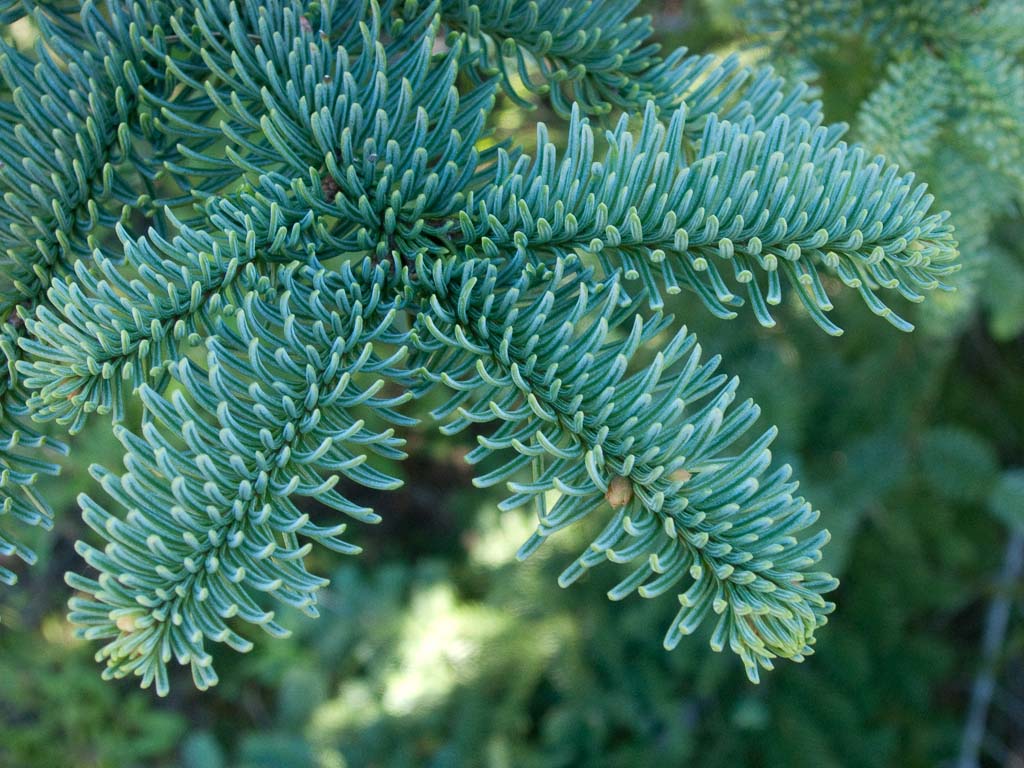
The Fraser Fir stands out as a true superstar in the world of Christmas trees, beloved for its excellent needle retention and pleasant, enduring aroma. Its sturdy, upturned branches are perfectly suited for displaying a wide array of ornaments, holding even heavier pieces with grace. The needles are short, soft, and dark green, with silvery undersides, creating a beautiful, elegant appearance that shines under Christmas lights. This species is often a top recommendation if you want a tree that looks good and holds up well for an extended period, making it a reliable option for those who decorate early in the season.

Photo: Mile High Tree Farm, Google Maps contributor at Mile High Tree Farm.
The Noble Fir: Majestic and Strong
If you have a collection of substantial, heirloom ornaments, the Noble Fir might be your ideal match; its exceptionally strong, stiff branches are renowned for their ability to support considerable weight. This tree boasts a beautiful, natural shape with well-spaced branches, making it easy to hang decorations without them feeling crowded. The needles are short, firm, and feature a distinctive blue-green hue, often described as having a slight silvery sheen. The Noble Fir also offers excellent needle retention and a wonderful, long-lasting aroma, contributing significantly to a festive atmosphere.
The Balsam Fir: Fragrance and Tradition
The Balsam Fir is a traditional favorite, cherished for its classic pyramidal shape and, most notably, its incredibly strong, sweet, and characteristic "Christmas tree" scent. Its dark green needles are short, soft, and flat, making it a comfortable tree to handle when decorating. While its branches are generally strong enough for most ornaments, they might not be as rigid as those of a Noble Fir, so consider the weight of your decorations. Needle retention is good, though perhaps not as exceptional as the Fraser Fir, but its nostalgic aroma often seals the deal for many families.
The Douglas Fir: Abundant and Aromatic
The Douglas Fir is another widely popular option, known for its soft, long-lasting needles and a pleasant, sweet fragrance that can fill your home. Its branches are sturdy enough for most ornaments, and its full, conical shape creates a dense appearance that many people adore. The needles are a lovely green, soft to the touch, and radiate outwards from the branches, giving the tree a lush texture. This species generally offers good needle retention and is often more widely available, making it a convenient and charming choice for many holiday decorators looking to browse Christmas tree farms by state.
Discovering Other Excellent Conifer Choices
While firs tend to dominate the popularity contest, several other conifer species offer unique advantages that might perfectly suit your specific needs or preferences. Don't overlook these varieties; they often bring different textures, colors, and aromas to the holiday season. A visit to various local farms might reveal some delightful surprises beyond the typical firs, broadening your horizons for your annual selection.
The Scots Pine: Durability and Needle Retention
The Scots Pine, often simply called Scotch Pine, is a remarkably durable choice, particularly praised for its truly exceptional needle retention; even when dry, the needles tend to stay firmly attached. Its stiff, stout branches can bear heavy ornaments with ease, and its distinctive blue-green needles are long and twisted, creating a rustic, full appearance. The aroma is milder than many firs, but still pleasantly piney. This is a fantastic option if you prioritize a long-lasting, low-mess tree that can stand up to a full season of celebration, especially if you plan to get your tree early in the season calendar.
The Eastern White Pine: Softness and Unique Texture
If you prefer a tree with a softer appearance and touch, the Eastern White Pine is an excellent contender; its long, soft, bluish-green needles grow in bundles of five, creating a delicate, feathery texture. This tree has a beautiful, airy quality, but its branches are less stiff than those of a fir or Scots Pine, so it is best suited for lighter ornaments and decorations. The Eastern White Pine has very good needle retention and a subtle, fresh aroma. It's a wonderful choice for those seeking a graceful, less traditional look and feel.
The Leyland Cypress: Hypoallergenic and Scent-Free
For individuals with allergies or sensitivities to strong scents, the Leyland Cypress stands out as an ideal solution; it is a hybrid tree known for being hypoallergenic and having virtually no aroma. Its soft, feathery, dark green foliage is lush and dense, and its branches are strong enough for a decent array of ornaments. Needle retention is excellent, ensuring a clean and fresh look throughout the holidays. This tree offers a beautiful, unique texture and color, providing a perfect option for those who need a beautiful Christmas tree without the typical pine or fir scent.
Practical Considerations for Your Tree's Health
Once you've narrowed down your species choice, remember that proper care is crucial to maintaining your tree's freshness and vibrancy throughout the holiday season. Even the best species can quickly deteriorate without adequate water and proper placement. Thinking ahead about these details will ensure your chosen tree thrives in your home. Before you leave the farm, ensure the trunk is freshly cut; many farms will do this for you right before you head to the car.
Freshness and Hydration
A fresh tree is a happy tree, and its longevity begins at the farm. When selecting, check for bright green needles that are supple and don't easily fall off when gently tugged; avoid trees with brittle, dry needles or a dull appearance. Once home, immediately place your tree in a stand with a large water reservoir and ensure it is kept filled with fresh water daily; a tree can drink several quarts of water in its first few days. Cutting an inch off the base of the trunk before placing it in the stand helps the tree absorb water more effectively. This initial cut is essential, as sap can seal the bottom of the tree, preventing water uptake.
Placement in Your Home
Where you place your tree inside your home significantly impacts its freshness and safety. Avoid positioning your tree near heat sources such as fireplaces, heat vents, or direct sunlight, which can rapidly dry it out and increase fire risk. A cooler location in the room will help preserve its needles and aroma for a longer duration. Ensure the tree stand is stable and level, particularly if you have pets or small children, to prevent accidental tipping. For more tips on setting up your tree, you can consult a cut-your-own checklist before your farm visit.
Making the Final Decision
Ultimately, the "right" Christmas tree species is a deeply personal choice, reflecting your family's traditions, aesthetic preferences, and practical needs. Whether you prioritize a powerful aroma, exceptional needle retention, or branches strong enough for a bounty of ornaments, there is a perfect tree waiting for you. Take your time at the farm, engage your senses, and even bring a small swatch of fabric in your preferred holiday color scheme to see how it looks against the tree's needles.
The Joy of the Search
Part of the magic of a real Christmas tree is the journey of finding it. Spend time walking among the rows, feeling the needles, and inhaling the distinct scents of each species. Don't be afraid to ask the farm staff questions; they are experts and can offer invaluable advice on the best tree for your situation, even recommending specific sections of the field. Many farms offer a wonderful experience; you can find a suitable location at Farms Near Me. This hands-on exploration enhances the entire holiday experience, connecting you more deeply with the spirit of the season.
An Investment in Holiday Memories
Choosing a real Christmas tree is more than just buying decor; it's investing in the ephemeral beauty and sensory delight of the holidays. The unique fragrance, the soft glow of lights reflecting off natural needles, and the texture under your fingers create an atmosphere that artificial trees simply cannot replicate. For information on sustainable practices and the benefits of real trees, the National Christmas Tree Association is a valuable resource. Each year, your carefully selected tree becomes the vibrant heart of your festive home, bearing witness to cherished family moments and creating new, lasting memories.
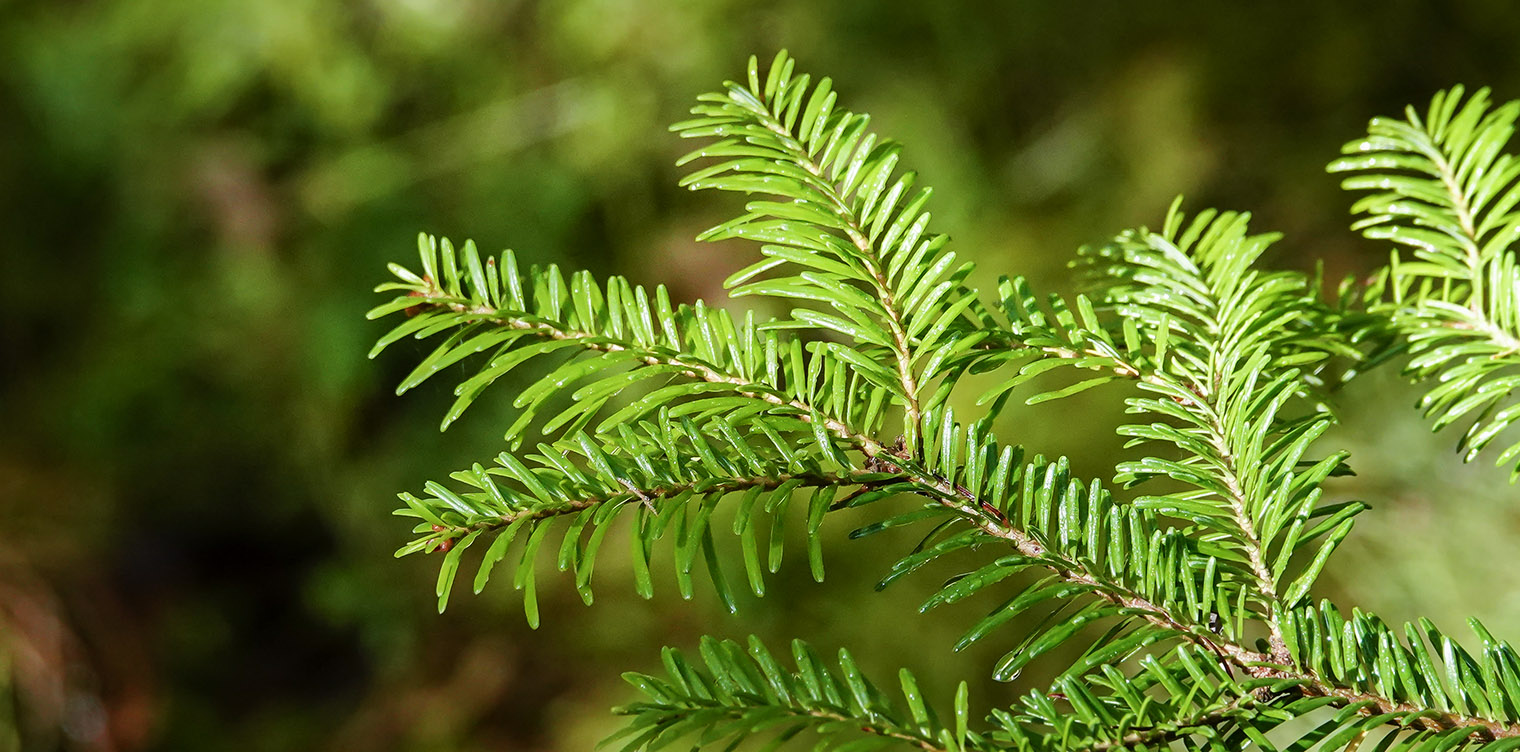
Photo: Adirondack Nature, Google Maps contributor at the Adirondack Mountains.
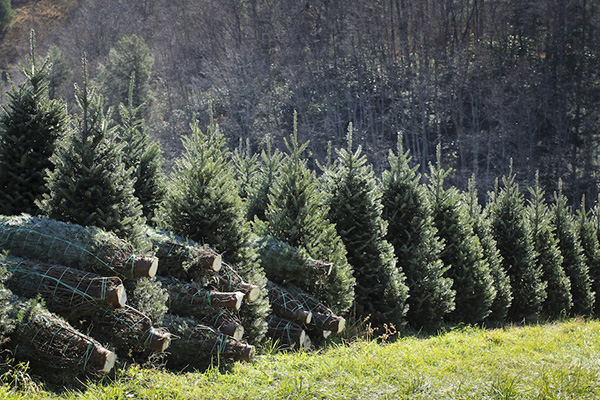
Photo: NC Christmas Tree Association, Google Maps contributor at a North Carolina Fraser fir farm.