Keeping Your Christmas Tree Safe: A Practical Guide
Published October 17, 2026 · By Christmas Tree Farm Finder

Choosing a real Christmas tree is a cherished tradition for many families; the scent of pine and the vibrant green needles bring an unmatched warmth to the holiday season. While the joy of a fresh tree is undeniable, it is prudent to understand how to keep that joy safe and sound throughout December. Let's explore practical fire safety measures, not with alarmist rhetoric, but with grounded advice for enjoying your beautiful, natural centerpiece without worry.
The Reality of Tree Fires
While often sensationalized, Christmas tree fires are statistically uncommon; however, when they do occur, they can be devastating. Understanding the true risk involves looking beyond dramatic headlines and focusing on preventative actions. These incidents are largely preventable with proper selection, placement, and care, allowing you to enjoy your tree's natural beauty and fragrance with peace of mind.
Choosing a Fresh Tree at the Farm
The first step in fire safety begins right there, out in the crisp air of the Christmas tree farm. A fresh tree is a safe tree, one that will drink water readily and retain its moisture, making it far less flammable. When you are looking for the perfect specimen among the rows of browse Christmas tree farms by state, give it a good shake. If needles fall off in large quantities, that particular tree has already begun to dry out; it is best to move on.
Identifying a Healthy Tree
A truly fresh tree will have pliable, green needles that are difficult to pull from the branches; the needles should bend, not snap. The base of the tree, where it was cut, should also feel moist and sticky with resin. Check the branches for suppleness; they should bend without breaking. This attention to detail at the farm ensures you are bringing home a living, hydrated tree.
Transporting Your Tree Home Safely
Once you have chosen your tree, securing it properly for the journey home is important. Cover your tree, especially if you are traveling at highway speeds, to protect it from excessive wind. Wind exposure can rapidly dry out needles, negating all your careful selection at the farm. A simple tarp or even an old sheet can make a significant difference.
Immediate Hydration Upon Arrival
The moment you get your tree home, give it a fresh cut across the trunk, removing about an inch or so from the bottom. This reopens the tree's pores, which quickly seal with sap once cut, allowing it to absorb water. Immediately place the tree in a stand filled with water; this step is critical for its longevity and safety. Do not delay this crucial watering.
Proper Placement in Your Home
The location of your Christmas tree within your home is a major factor in fire safety. Always place your tree away from heat sources such as fireplaces, radiators, heating vents, and even direct sunlight through a window. These elements will accelerate the drying process, turning your fresh tree into a potential hazard.
Maintaining Clearance from Heat Sources
Ensure there is adequate space around the tree; branches should not be touching walls, furniture, or other combustible materials. A good rule of thumb is at least three feet of clearance from any heat source, including lamps. This buffer zone provides an extra layer of protection, preventing accidental contact with hot surfaces.
The Importance of a Water-Filled Stand
Your tree stand is more than just a holder; it is a critical hydration device. A good stand should be sturdy enough to prevent tipping and, crucially, hold at least a gallon of water. For larger trees, even more capacity is beneficial. Regularly check the water level, perhaps even twice a day, as a thirsty tree can drink a surprising amount, especially in its first week.
Daily Water Level Checks
It is imperative to maintain the water level above the base of the trunk at all times. If the water drops below the trunk, a seal can form, preventing further water absorption, even if you refill the stand later. Make checking the water part of your daily routine, much like checking the mail or watering houseplants. This consistent hydration is the single most effective way to keep your tree fresh and safe.
Inspecting Lights and Electrical Decorations
Before you drape any lights onto your beautiful Christmas tree, take a few minutes to inspect them thoroughly. Look for frayed wires, broken sockets, or cracked insulation. Damaged lights are a common cause of electrical fires; never use them. Replace old, incandescent lights with newer LED lights, which run cooler and consume less energy.
Safe Lighting Practices
Only use lights specifically rated for indoor use on your tree, and do not overload electrical outlets. Follow the manufacturer's recommendations for how many strings of lights can be safely connected end-to-end. Always unplug your tree lights before leaving your home or going to bed; this simple habit significantly reduces risk. Consider a timer for automatic shut-off.
Decorations and Flammability
When decorating, consider the flammability of your ornaments and tinsel. While most modern decorations are designed with some flame resistance, it is still wise to keep highly flammable items away from light bulbs. Keep candles far away from the tree; the combination of an open flame and dry needles is extremely dangerous.
Supervising Pets and Children
Curious pets and small children can inadvertently create hazards around a Christmas tree. Pets might chew on wires, knock over the tree, or drink from the tree stand, which can contain sap and chemicals. Children might play with ornaments or lights in unsafe ways. Always supervise them around the tree. Consider fencing off the tree area if you have particularly curious pets or toddlers.
Emergency Preparedness
While the goal is prevention, being prepared for the unlikely event of a fire is also important. Ensure you have working smoke detectors on every level of your home, and test them regularly. Know your escape routes and have a designated meeting point outside your home. Having a fire extinguisher readily available and knowing how to use it is also a wise precaution. The National Christmas Tree Association also offers valuable safety information.
When to Take Down Your Tree
The longer a tree stays up, especially after the holidays, the more it will dry out. Once needles begin to drop excessively and the branches become brittle, it is time to take your tree down. Typically, this is within about four weeks of purchase. A dry tree is a fire hazard; do not prolong its stay.
Responsible Tree Disposal
After the holidays, dispose of your tree properly; do not burn it in a fireplace or wood stove, as this can be dangerous due to creosote buildup and rapid combustion. Many communities offer tree recycling programs, turning old trees into mulch. Check with your local waste management services for appropriate disposal methods.
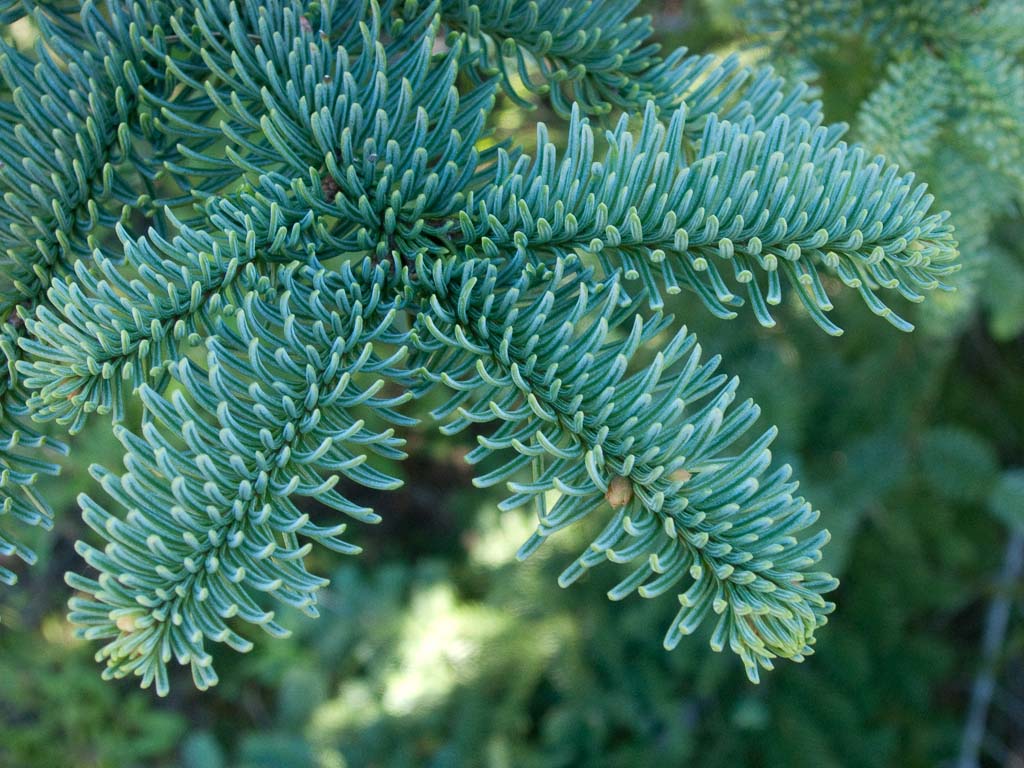
Photo: The Gymnosperm Database, Google Maps contributor at Pacific Northwest noble fir.
Enjoying a Safe and Scented Season
Real Christmas trees bring unparalleled beauty and aroma to the holiday season. By following these straightforward, practical safety tips, you can enjoy your tree's natural charm without unnecessary worry. From the moment you choose your fresh tree to its final, responsible disposal, a few simple steps ensure a safe, joyous, and fragrant Christmas. So, go ahead and pick out that perfect Fraser Fir; with a little care, it will be the centerpiece of your cherished memories.
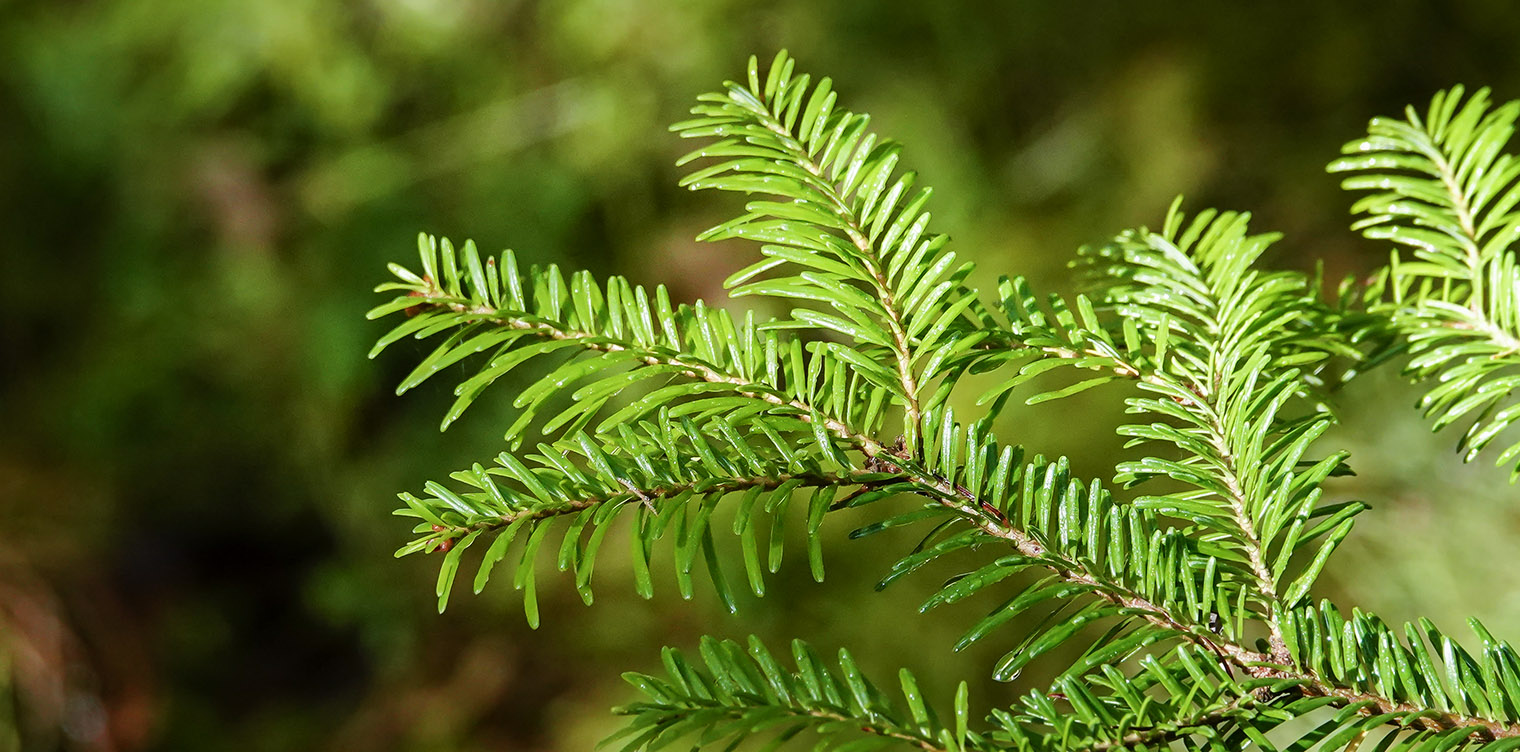
Photo: Adirondack Nature, Google Maps contributor at the Adirondack Mountains.

Photo: Mile High Tree Farm, Google Maps contributor at Mile High Tree Farm.