Recycle Your Christmas Tree: Eco-Friendly Disposal Tips
Published October 14, 2026 · By Christmas Tree Farm Finder
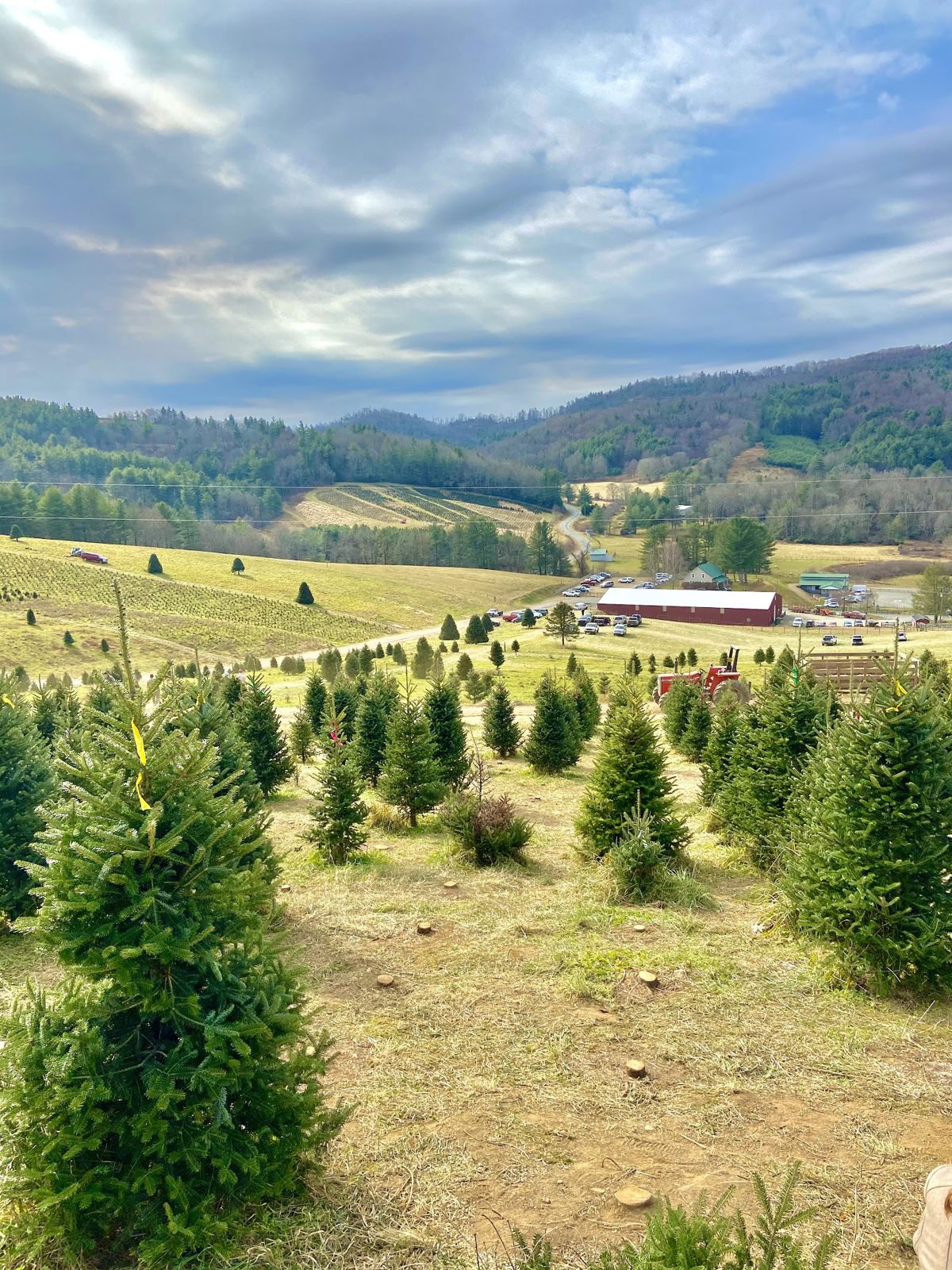
The crisp winter air, the scent of pine and fir, the joyful expedition through the fields—it is a cherished annual ritual for many families; the bringing home of a real Christmas tree marks the true start of the holiday season. You have carefully selected your perfect evergreen, nurtured it through the festivities, and now, as the tinsel comes down and the carols fade, you are left with its browning needles and dried branches. Do not simply cast it aside; that magnificent tree, which brought so much cheer, still has a vital role to play in the cycle of life.
The Enduring Green Legacy
A real Christmas tree offers much more than just fleeting holiday joy; it provides a tangible link to nature, even in its post-holiday state. Unlike an artificial tree, which eventually ends up in a landfill for centuries, a natural tree can be fully integrated back into the environment, completing a beautiful, sustainable cycle. This final act of stewardship is an important part of responsible tree ownership, a continuation of the mindful choice to bring a living, breathing part of the forest into your home.
The Problem with Landfills
Simply tossing your tree into the regular trash stream might seem like the easiest option, but it is far from the best choice for the environment. When organic matter, like Christmas trees, decomposes in an anaerobic (oxygen-free) environment such as a landfill, it produces methane gas; methane is a potent greenhouse gas, significantly contributing to climate change. Also, landfills are designed to bury waste, not compost it, so the tree's valuable nutrients are locked away rather than returned to the earth.
Preparing Your Tree for Its Next Life
Before you embark on any recycling method, a few simple steps are necessary to ensure your tree is ready. First, and perhaps most obviously, remove all decorations, including ornaments, lights, tinsel, and any artificial snow or flocking. Check carefully, as even small bits of tinsel can contaminate recycling efforts. Next, remove the tree stand, often made of plastic or metal, and any tree skirts or watering systems. The goal is to present a completely bare, natural tree.
Community Recycling Programs
For many homeowners, the most straightforward and accessible recycling option is participating in a local community program. These initiatives are often run by municipal waste management departments, parks and recreation services, or local environmental groups. They provide designated drop-off points or, in some cases, curbside collection services, making the process incredibly convenient.
Curbside Pickup Services
Many towns and cities offer specific dates in early January for curbside Christmas tree collection. This service typically requires you to place your bare tree at the curb on a designated day, just as you would your regular refuse. These collected trees are then transported to centralized facilities for chipping or other large-scale recycling efforts, providing a hassle-free solution for busy families. Be sure to check your local municipality's website or waste management schedule for specific dates and preparation instructions.
Designated Drop-Off Locations
If curbside pickup is not available in your area, or if you miss the designated collection dates, drop-off locations are a common alternative. These sites, often located at park facilities, waste transfer stations, or temporary collection points, allow you to deliver your tree yourself. Staff members or clear signage will guide you on where to place your tree; these locations often operate for a week or two after New Year's Day. Some communities even combine this with other recycling efforts, offering opportunities to responsibly dispose of other holiday waste.
The Fate of Community-Collected Trees
Trees collected through community programs are typically chipped into mulch. This mulch serves a variety of beneficial purposes; it is often used in public parks, hiking trails, and city landscaping projects, enriching the soil and suppressing weeds. Sometimes, the mulch is made available to residents for free or at a low cost, allowing you to bring a piece of your Christmas tree back to your own garden. This systematic approach ensures that thousands of trees are repurposed annually, a testament to collective community action.
Repurposing Your Tree at Home
If you have the space, tools, and inclination, many creative and beneficial ways exist to repurpose your Christmas tree directly on your property. This allows for a more personal connection to the recycling process and keeps those valuable resources precisely where you can benefit from them most. Turning your tree into a resource for your own yard or local wildlife is an incredibly rewarding endeavor.
Mulching Your Own Tree
With a wood chipper, either owned or rented, you can transform your tree into nutrient-rich mulch for your garden beds, pathways, or around other landscape plants. This fresh mulch helps retain soil moisture, regulate soil temperature, and deter weeds, providing an organic and beneficial addition to your yard. The scent of fresh pine mulch is also quite invigorating, a pleasant reminder of the holidays lingering through the seasons. Remember to wear appropriate safety gear when operating a chipper.
Crafting a Wildlife Habitat
A Christmas tree can provide invaluable shelter and nesting sites for birds and small animals, especially during the harsh winter months. You can simply place your tree in a secluded corner of your yard, perhaps near other evergreens or dense shrubs, creating a brush pile. Consider adorning its branches with natural, edible treats like pine cones coated in peanut butter or strings of cranberries to provide a food source along with shelter; this is a delightful way to extend your tree's usefulness.
Creating Fish Habitats
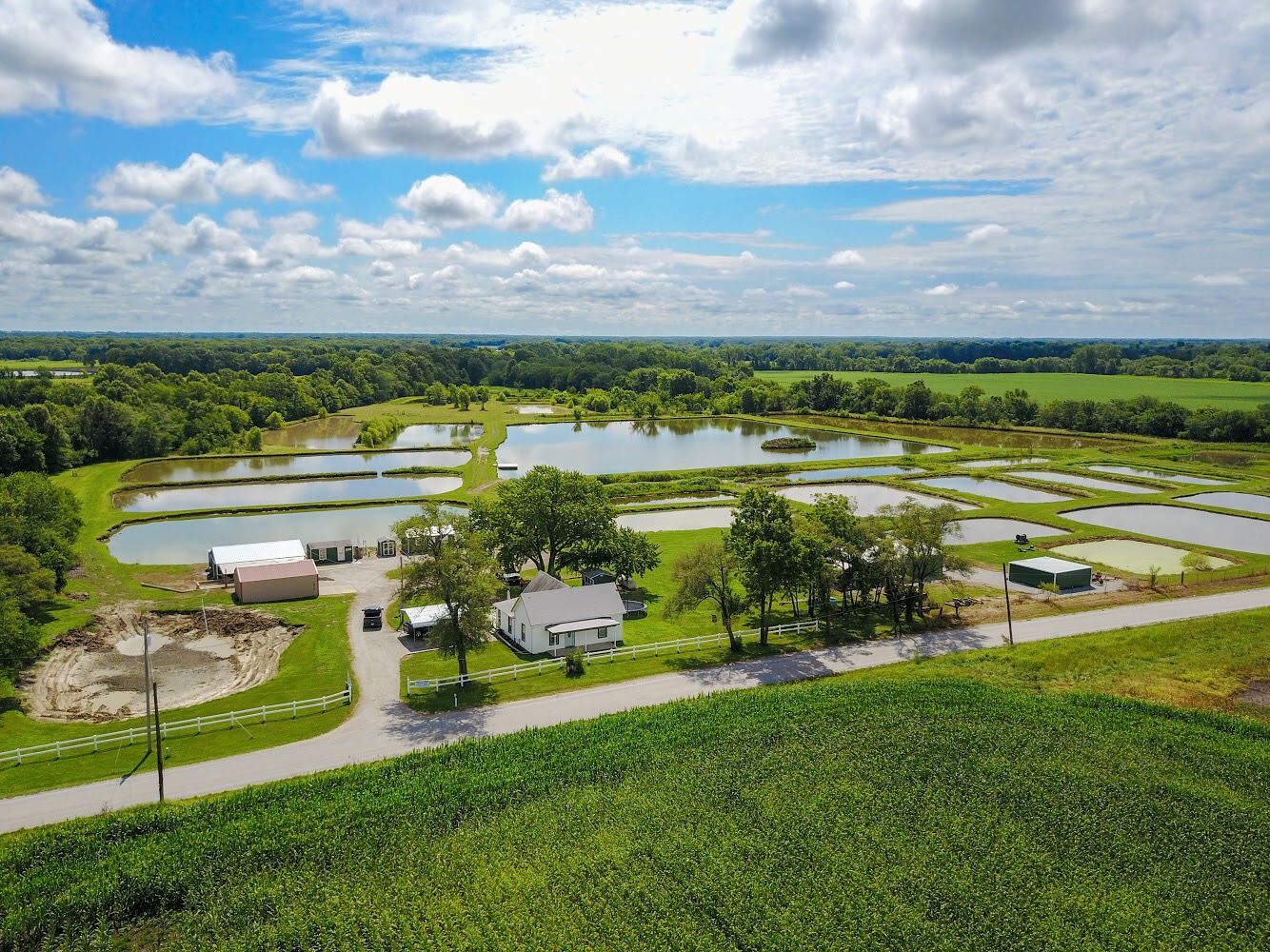
If you live near a private pond or lake, your Christmas tree can be sunk to create an artificial reef, offering excellent shelter and breeding grounds for fish and other aquatic life. The branches provide hiding places for smaller fish, protecting them from predators, and create surfaces for algae and invertebrates to grow, which in turn attract larger fish. Always ensure you have permission from the property owner and adhere to any local regulations before submerging a tree in a body of water.
Edging and Soil Erosion Control
The sturdy branches and trunk of your Christmas tree can be effectively used for erosion control or garden bed edging. Lay individual branches along sloped areas to help stabilize soil and prevent runoff, or cut the trunk into smaller logs to create borders for raised beds or paths. As the wood slowly decomposes, it will continue to release nutrients back into the soil, performing a dual function of structure and enrichment. This method is particularly useful for those seeking an all-natural landscaping solution.
Beyond Traditional Recycling
Some unique and innovative options exist for giving your Christmas tree a second life, extending its purpose far beyond the typical mulch pile. These alternatives often involve a bit more creativity or specific local resources, but they offer fascinating possibilities for sustainability. It is a wonderful thing to see a beloved tree continue to contribute to the world.
Composting: A Natural Return
If you have a home composting system, your Christmas tree can become a valuable "brown" component, though it requires some effort. The needles and small twigs will break down over time, enriching your compost pile with organic matter. Larger branches and the trunk will need to be chipped or chopped into smaller pieces to accelerate decomposition. Integrating tree materials into your compost helps create a rich soil amendment for your garden, completing a truly circular system. This method is great for building robust soil.
Specialized Tree Recycling Programs
Certain regions have specialized programs that go beyond basic mulching, particularly focused on preserving coastal ecosystems. Some communities use old Christmas trees to build sand fences or stabilize dunes along coastlines; these structures trap sand, helping to rebuild and protect vulnerable beach environments from erosion. This is an incredible example of how a simple holiday decoration can contribute to large-scale ecological preservation, truly demonstrating the potential of sustainable practices. If you are interested in such initiatives, you might browse Christmas tree farms by state and check with their local conservation departments.
Why Your Choice Matters
Choosing a real Christmas tree from a local farm is already an environmentally conscious decision; these trees are grown specifically for this purpose, not harvested from wild forests. They provide essential oxygen, support local ecosystems while growing, and, perhaps most importantly, they are entirely renewable. Our tree species guide outlines the vast array of available options. By actively participating in post-holiday recycling, you are extending the positive environmental impact of your tree and ensuring its journey from seedling to holiday centerpiece does not end in waste.
The Broader Impact
Every tree recycled, whether through community programs or personal initiatives, reduces landfill burden and contributes to healthier ecosystems. This collective effort, from millions of households across the nation, culminates in a significant positive environmental impact. The decision you make about your tree reflects a broader commitment to sustainability, influencing future generations and promoting a more harmonious relationship with nature. For those who love the annual tradition of visiting a farm, knowing that your tree will continue to give back long after the holidays only enhances the experience; consider making a note to check the season calendar early next year.
A Final Thought on Responsibility
The holiday season is a time for giving, and recycling your Christmas tree is one final gift you can offer back to the earth. It is a simple act, yet it carries profound significance for environmental health and responsible consumption. This small gesture closes the loop on your holiday celebrations in a sustainable way, honoring the tree that brought so much warmth and light into your home. Consider adding this step to your cut-your-own checklist for next year. For more information on recycling options in your area, you can always check resources like the National Christmas Tree Association.
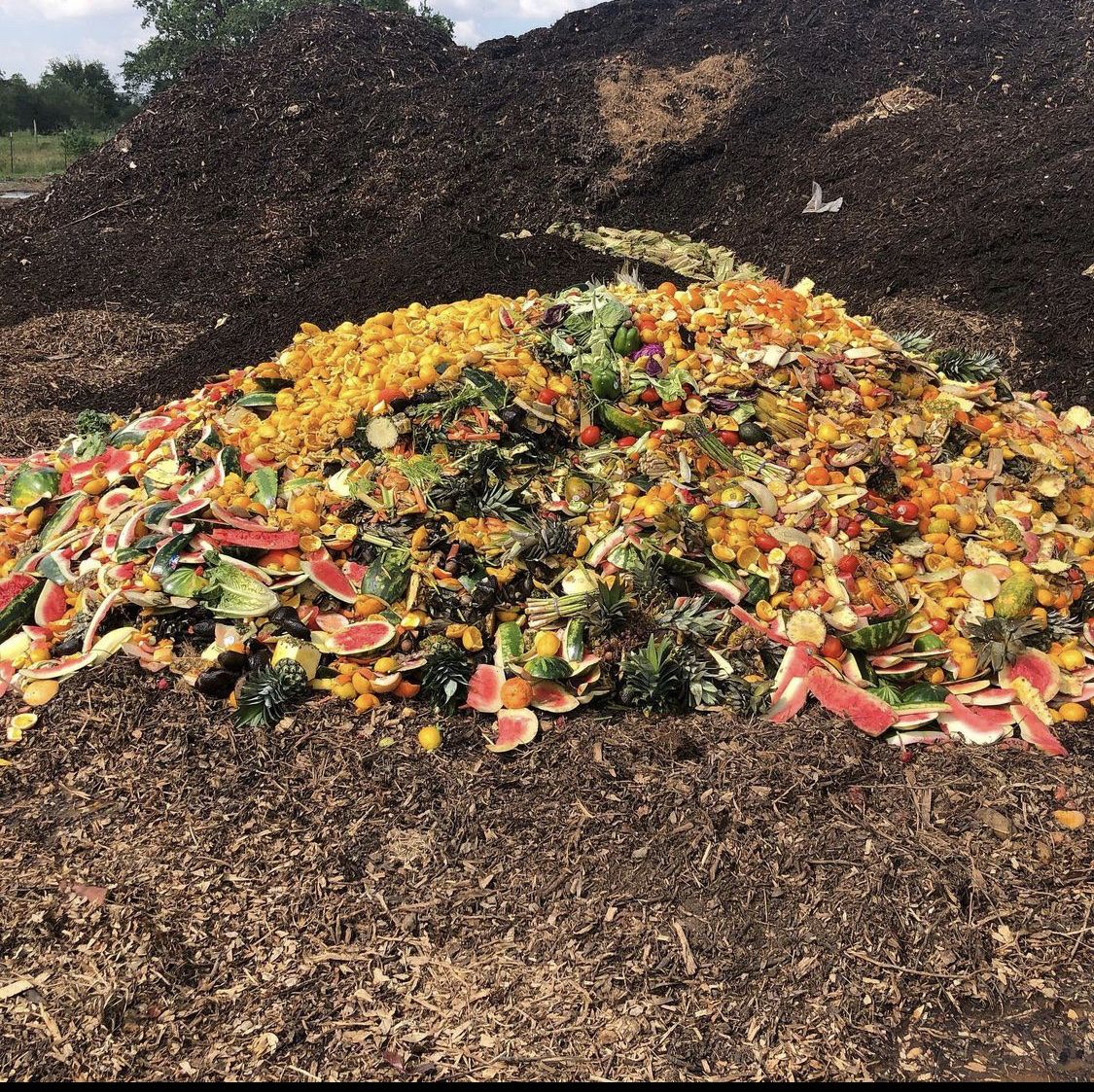
Photo: Farm Dirt Compost, Google Maps contributor at Farm Dirt Compost.
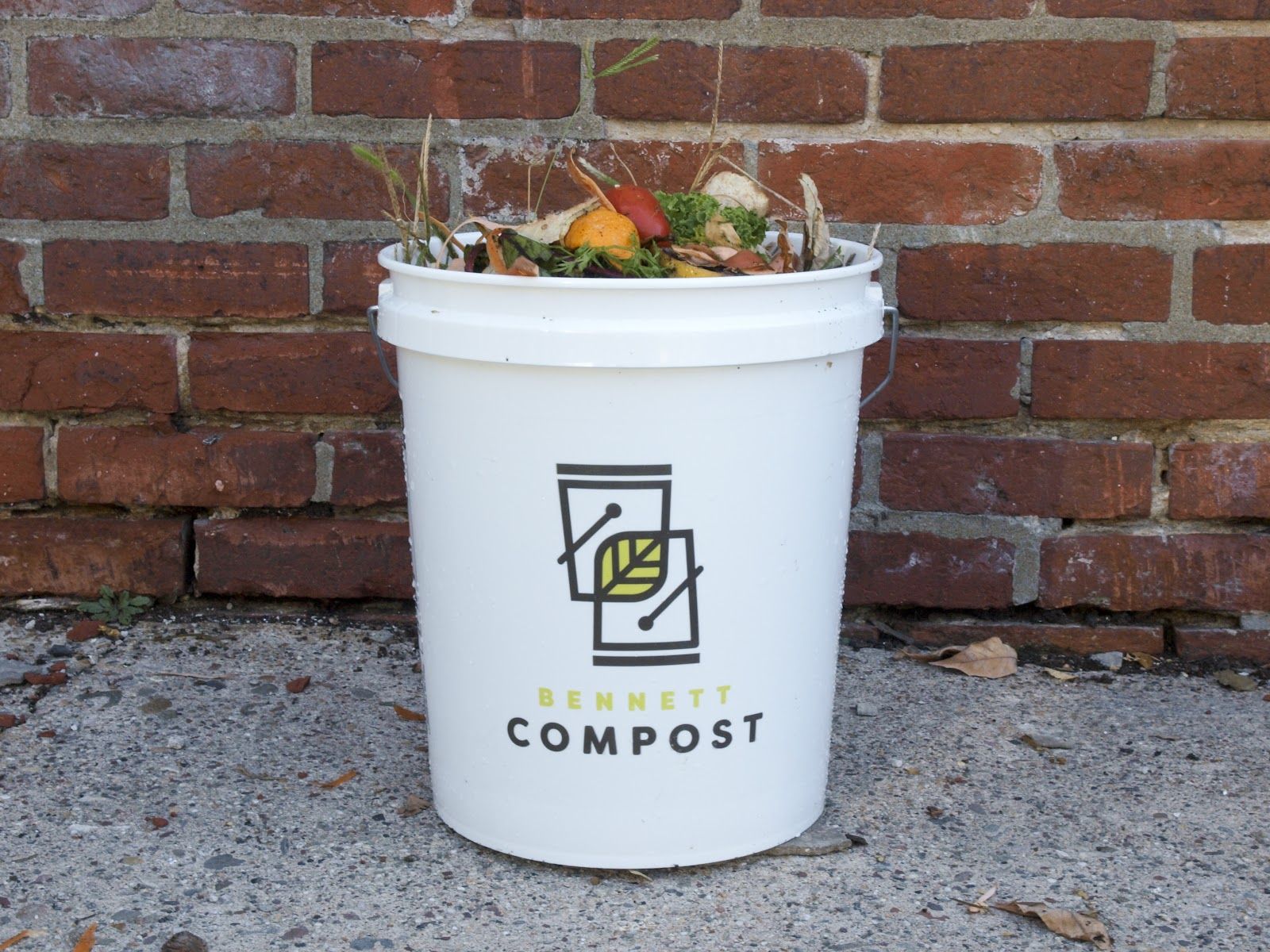
Photo: Bennett Compost, Google Maps contributor at Bennett Compost.
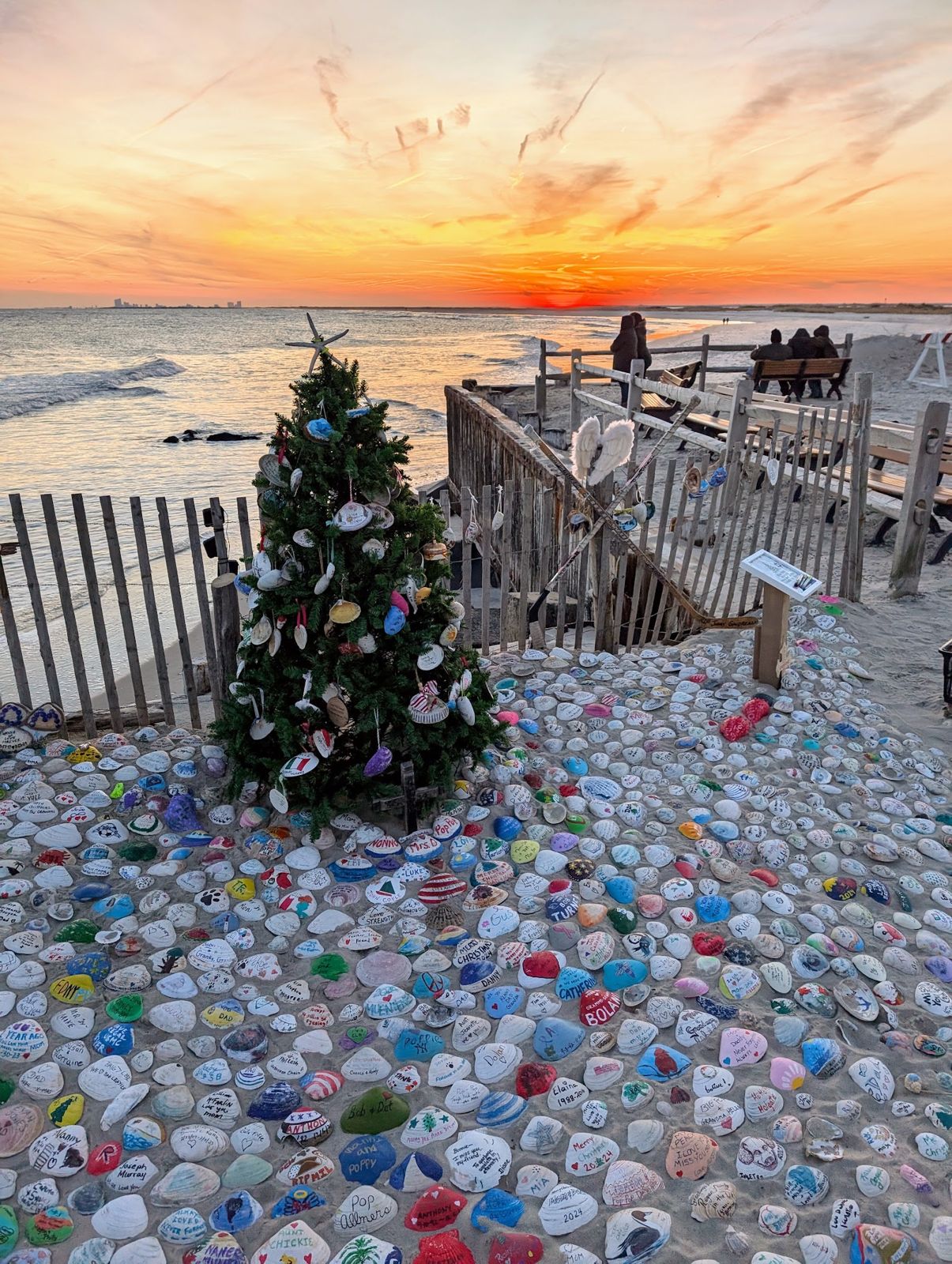
Photo: Eric Schaeffer, Google Maps contributor at Wooden Jetty Christmas Tree.