Expert Tips: How to Choose a Fresh Christmas Tree at the Lot
Published October 10, 2026 · By Christmas Tree Farm Finder
There’s a unique magic to bringing home a real Christmas tree, its pine scent instantly transforming your living room into a festive haven. While the allure of a tree lot is undeniable, with rows of evergreens waiting to find their forever homes, discerning a truly fresh specimen from one that's past its prime can be tricky. Knowing what to look for will ensure your holiday centerpiece stays vibrant and fragrant throughout the season.
The Journey of a Christmas Tree
Most Christmas trees you see at a retail lot were not cut yesterday morning; they undertake a significant journey from farm to your home. Many come from large commercial operations, often hundreds of miles away, where they are harvested, baled, and shipped on trucks. Understanding this travel time is crucial, as it directly impacts the tree's freshness when it arrives at your local lot.
Understanding Harvest Timelines
Christmas tree harvesting typically begins in early to mid-November, continuing into early December for many varieties. Trees are often cut weeks before they arrive at a retail lot; this means a tree might have been off the stump for a while, even if it looks perfectly fine. A good farmer, of course, minimizes this gap, but it is a factor in a tree's overall vitality.
General Tree Vigor Indicators
When you first approach a tree, take a moment to absorb its general appearance. A healthy, fresh tree will exude a certain vibrancy; it should look lively and robust, not dull or droopy. Trust your instincts on this initial assessment, as it often provides a good first clue.
Assessing Branch Flexibility
A simple yet effective test for freshness involves bending the branches. Take a needle-bearing branch between your fingers and gently bend it. If the branch snaps easily, the tree is likely dry and not fresh; if it’s pliable and resists snapping, that’s a good sign. This flexibility indicates the tree still has good moisture content.
Inspecting Needle Retention
One of the most telling signs of a tree's health is how well it holds its needles. Give the tree a gentle shake, or lightly run your hand along a branch. Very few, if any, green needles should fall off; some brown, inner needles are normal, but a shower of green needles suggests the tree is dehydrating. This simple check is a primary indicator of freshness.
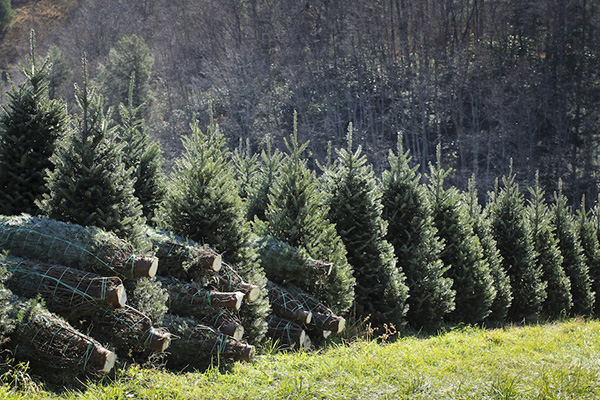
Photo: NC Christmas Tree Association, Google Maps contributor at a North Carolina Fraser fir farm.
Examining Specific Tree Parts
Beyond the general impression, specific parts of the tree offer more precise clues about its condition. Paying attention to these details can help you distinguish a truly fresh tree from one that's merely passable. This detailed inspection ensures you don’t overlook any subtle signs of deterioration.
Needle Color and Texture
Fresh needles should appear vibrant and rich in color, appropriate for the specific tree species; they should not look faded or dull. Gently feel the needles; they should feel supple, not brittle or crunchy. Brown or discolored needles, especially on the outer tips, are a strong indicator of a dry or unhealthy tree.
Distinguishing Between Outer and Inner Needles
It is perfectly normal for a real Christmas tree to shed some inner needles as part of its natural growth cycle. These are usually older needles closer to the trunk; they often turn brown and fall off. What you want to avoid is significant shedding of the fresh, green needles on the outer parts of the branches. That signals a serious hydration issue.
The Appearance of the Trunk Base
Always inspect the cut end of the trunk. A fresh tree will have a clean, light-colored cut where it was recently trimmed; a dark, dried-out trunk base indicates the tree was cut a long time ago and may have difficulty absorbing water. Some lots will re-cut the base for you, which is an excellent practice for improving water uptake.
The Trunk's Stickiness
Another subtle indicator of a fresh tree, particularly for species like Fraser Firs or Balsam Firs, is the presence of sap. Feel the trunk and inner branches; a slightly sticky, resinous feel is a good sign, indicating the tree is still producing sap and is thus alive and well hydrated. A completely dry, non-sticky trunk might suggest the tree is drying out.
What to Avoid
Just as important as knowing what to look for is understanding what signals trouble. Avoiding certain characteristics will steer you clear of a tree that might quickly become a fire hazard or simply not last through the holiday season. A proactive approach here can save future disappointment.
Signs of Excessive Needle Loss
Beyond the initial shake test, observe the ground beneath the tree or the wrapping net. If there’s an abundance of green needles already shed and accumulated, that tree is likely very dry. A tree that loses needles easily will become a fire risk and won't hold ornaments well. This is a critical red flag.
Presence of Mold or Mildew
Occasionally, especially if trees have been stored in damp, poorly ventilated conditions, you might notice signs of mold or mildew on the trunk or inner branches. This appears as a powdery white or gray growth; it’s a clear sign of poor health and should be avoided. Such a tree can also release spores into your home, which isn't ideal.
Discolored or Brittle Branches
Branches that are overtly drooping, discolored, or feel excessively brittle are another warning sign. These indicate a severe lack of moisture; a fresh tree's branches should feel firm yet flexible. Avoid any tree where major sections of branches show signs of significant distress or damage.
The Importance of Hydration
Once you’ve selected your perfect tree, ensuring it stays well-hydrated is paramount. Even the freshest tree will quickly dry out if not properly cared for. Immediately upon arriving home, give the trunk a fresh cut and place it in a stand with plenty of water.
Re-cutting the Trunk
Before you bring your new Christmas tree inside, saw an inch or two off the bottom of the trunk. This creates a fresh surface, removing any dried-up sap that might be blocking water absorption. Think of it as waking up the tree's natural hydration system; this step is critical for prolonging its freshness. For more tips on tree care, you might want to review our cut-your-own checklist.
Consistent Water Levels
Your Christmas tree will drink a surprising amount of water, especially in the first few days. Check the water level daily, ensuring the stand is always full. If the water level drops below the trunk, a seal of sap will form, preventing further water uptake, even if you refill it. An adequately watered tree smells better, looks better, and significantly reduces fire risk. Information from the National Christmas Tree Association also highlights this importance.
Where to Find Fresh Trees
While retail lots are convenient, not all sources offer the same level of freshness. Understanding your options can help you prioritize where you shop. Visiting a local farm, for instance, often means a tree cut just days, or even hours, before you take it home. Many families discover this firsthand when browsing Farms Near Me in their area.
Visiting a Local Tree Farm
For unparalleled freshness, nothing beats cutting your own tree at a local farm. You’re guaranteed a tree that was alive and thriving moments before you chose it; this means maximum hydration and the longest possible lifespan indoors. Many farms also provide a festive, memorable experience, adding to the holiday spirit. You can easily browse Christmas tree farms by state to find one close to you.
Choosing Reputable Retailers
If a choose-and-cut farm isn't an option, select your retail lot carefully. Look for vendors who store their trees properly, perhaps in shaded areas or even in water, if possible. High-volume lots with frequent deliveries are often better than small, independent sellers who might have had their inventory for a longer, undetermined period. Knowing the average season calendar for your area can also help you determine the best time to buy.
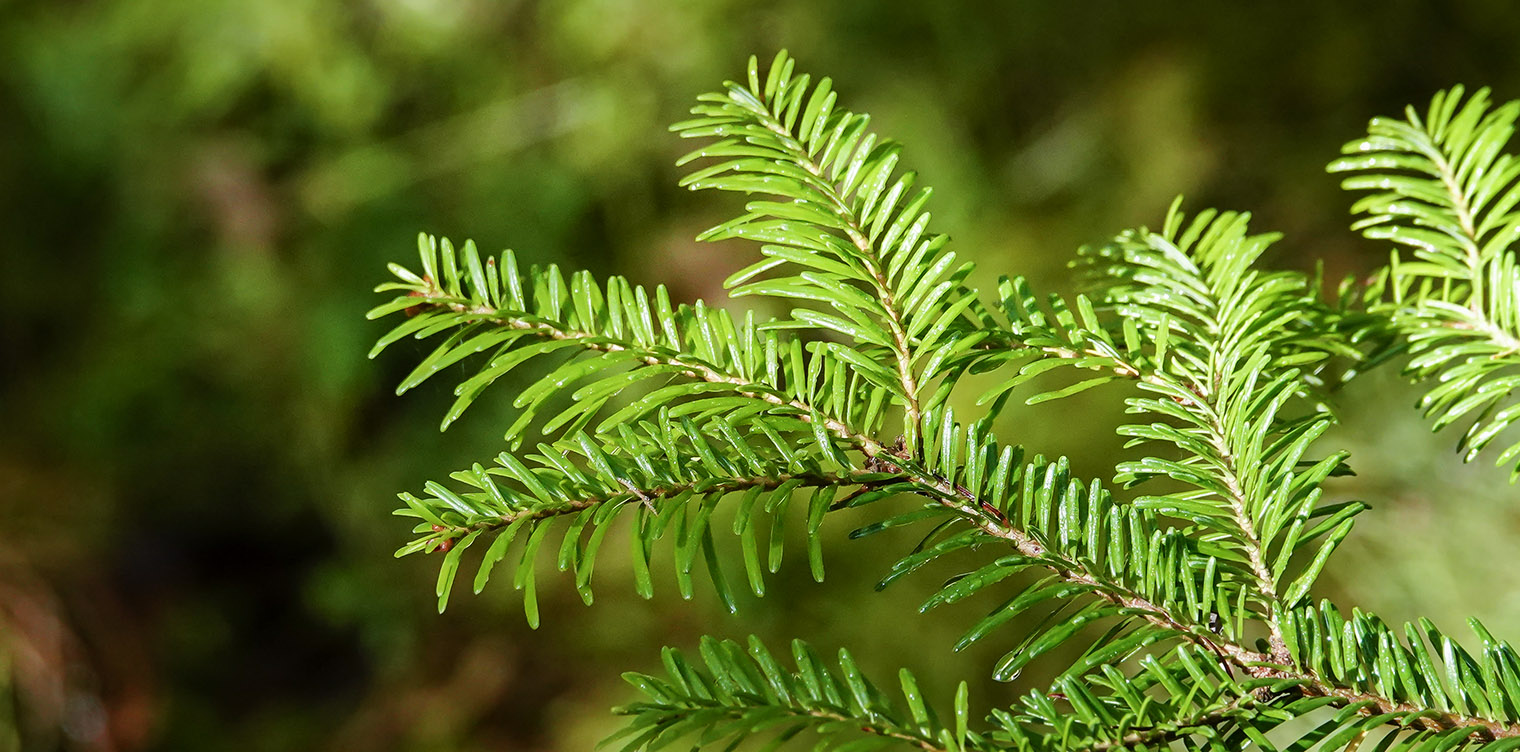
Photo: Adirondack Nature, Google Maps contributor at the Adirondack Mountains.
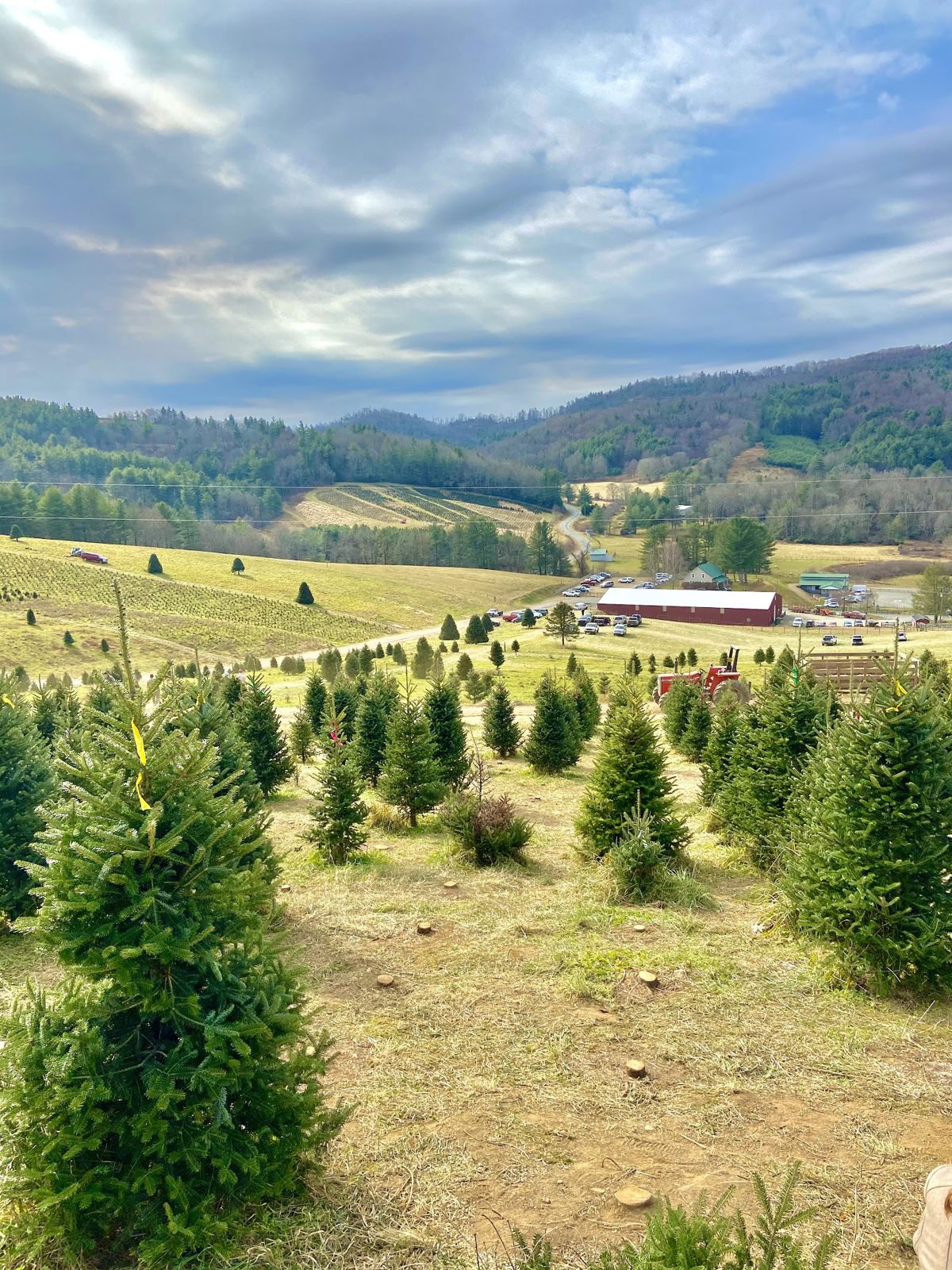
Photo: itsdylanc, Google Maps contributor at Lil' Grandfather Choose and Cut.