Choosing Your Perfect Christmas Tree: Balsam, Douglas, or Scotch?
Published August 14, 2026 · By Christmas Tree Farm Finder
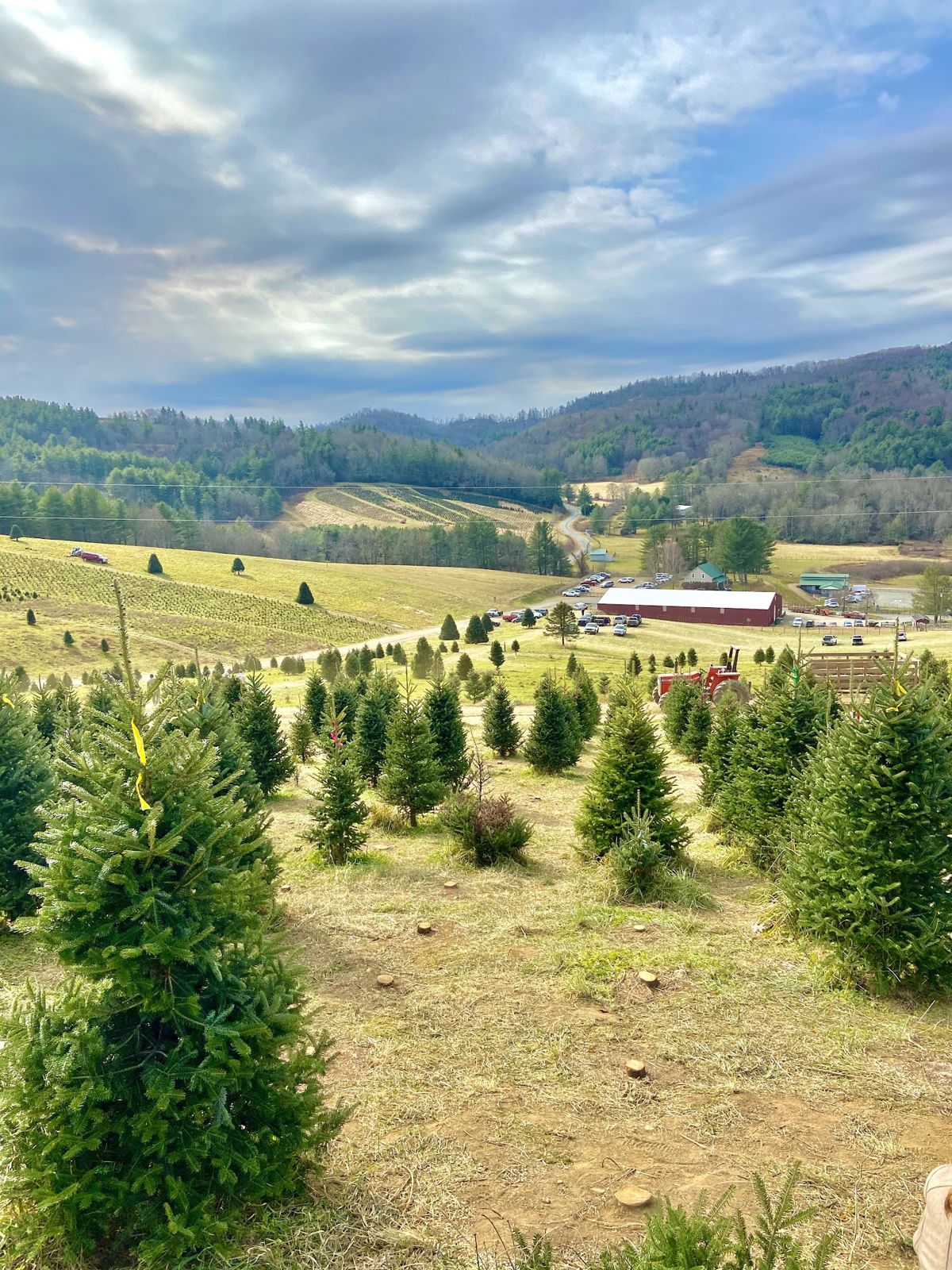
Stepping onto a Christmas tree farm, the scent of pine needles and damp earth immediately tells you that the holidays are near; it’s a smell as old as the season itself. Among the rows of green, choosing the perfect tree can feel like a quest, a delightful challenge that sets the tone for your whole decorating experience. While there are many lovely species to consider, three stand out as perennial favorites for their classic appeal and distinct characteristics: the fragrant Balsam fir, the graceful Douglas fir, and the hardy Scotch pine. Each offers a unique blend of aroma, needle retention, branch strength, and shape, making the decision of which one to bring home a deeply personal one for your living room.
The Aromatic Allure of Balsam Fir
Balsam fir, Abies balsamea, is often the first tree that comes to mind when you think of a traditional Christmas. Its deep, rich green needles and conical shape are iconic; its aroma, however, is what truly sets it apart. The sap, known as Canada balsam, is remarkably fragrant, filling your home with that quintessential Christmas scent long after the tree has been set up.
Balsam Fir Needle Characteristics
The needles of a Balsam fir are short, soft, and flat, typically about one-half to one inch long, with a rounded tip. They are dark green on top with two silvery-white bands underneath, which adds a subtle shimmer to the tree. These needles are generally well-retained, particularly if the tree is kept properly watered; a fresh cut and a good stand are essential for any fir to prevent premature drying.
Balsam Fir Branch Strength and Shape
Balsam firs naturally grow into a pleasing, symmetrical cone shape, often requiring minimal pruning to achieve that classic Christmas tree silhouette. Their branches are sturdy, extending horizontally from the trunk, which makes them excellent for holding a wide array of ornaments, from delicate glass baubles to heavier, handcrafted pieces. This robust structure ensures your treasured decorations are well-supported throughout the season.
The Graceful Douglas Fir
The Douglas fir, Pseudotsuga menziesii, is not a true fir but a magnificent tree in its own right; it’s one of the most popular Christmas trees grown in the Pacific Northwest. Its distinctive beauty and pleasant citrusy fragrance have earned it a loyal following across the country. Walking through a field of them, their vibrant green hues and soft texture are immediately inviting.
Douglas Fir Needle Texture
Douglas fir needles are soft, flat, and flexible, usually one to one and a half inches long; they radiate outward around the branch, creating a very full appearance. Unlike some other species, their needles don't feel sharp or prickly, which is a significant advantage for families with small children or pets. The soft texture also makes decorating a more comfortable experience.
Douglas Fir Aroma and Needle Retention
Douglas fir trees possess a sweet, slightly citrusy scent that is distinct from the more traditional pine aroma of a Balsam. This fresh fragrance can invigorate a room without being overpowering. When properly cared for, Douglas firs exhibit excellent needle retention; their needles typically last well through the entire holiday season, minimizing cleanup and extending your enjoyment. For more details on this and other options, you can always consult a tree species guide.
Douglas Fir Branch Structure
While the branches of a Douglas fir are generally quite flexible, they are strong enough to support a moderate amount of ornamentation. You might find them slightly less rigid than a Balsam fir, so very heavy ornaments should be placed closer to the trunk or on thicker branches. Their dense growth habit allows for plenty of space to hang decorations both deep within the tree and along its outer edges.
The Resilient Scotch Pine
The Scotch pine, Pinus sylvestris, is a remarkably adaptable and rugged tree, originating from Europe and Asia, but now widely cultivated in North America for its desirable Christmas tree qualities. It stands as a testament to durability, known for its exceptional needle retention and classic pine fragrance; it often appeals to those who prioritize longevity and a bold aesthetic.
Scotch Pine Needle Characteristics
Scotch pine needles are perhaps its most distinguishing feature: they are two to four inches long, stout, and slightly twisted, growing in bundles of two. Their color ranges from dark green to bluish-green, sometimes with a yellowish cast. While they are sharper than fir needles, they are surprisingly flexible and do not shed easily, making them a top choice for freshness and enduring appeal.
Scotch Pine Scent and Longevity
The fragrance of a Scotch pine is a classic, robust pine scent; it is often described as slightly sharp and earthy, reminiscent of a northern forest. One of its greatest strengths is its superior needle retention; even when dry, Scotch pine needles tend to stay on the tree, minimizing mess and extending its festive presence in your home for weeks, sometimes even months, with proper hydration. This resilience is often highlighted by tree growers; the National Christmas Tree Association confirms its popularity for this very reason.
Scotch Pine Branch Strength
Scotch pines are renowned for their strong, stiff branches, which can easily bear the weight of heavy ornaments, strings of lights, and thick garlands. This makes them an excellent choice if your decorating style leans towards substantial or heirloom decorations. Their open branch structure also provides ample room for ornaments to hang freely, showcasing each piece beautifully.
Considering Your Living Space
The size and layout of your living room play a crucial role in selecting the right Christmas tree. A towering Balsam fir might overwhelm a small apartment, while a modest Scotch pine could feel lost in a grand, vaulted space. Think about the ceiling height, the width of the area where the tree will stand, and how it will impact furniture arrangement and foot traffic. Many farms offer trees in a wide range of sizes, from tabletop trees to grand specimens; it's always wise to measure your space beforehand. You can explore options by visiting Farms Near Me and checking their available sizes.
Matching Tree Height to Room Dimensions
Before you leave for the farm, take a moment to measure the height of your ceiling and the available width for your tree. Remember to factor in the height of your tree stand and your tree topper. If your ceiling is 8 feet high, a 7-foot tree usually allows enough space for a star or angel. For smaller rooms, a slender Douglas fir or a more compact Balsam might be preferable, preserving precious floor space while still delivering holiday cheer.
Tree Footprint and Branch Spread
Consider not just the height but also the overall footprint of the tree. Douglas firs and Balsam firs tend to be conical but can be quite wide at the base, especially if they are full-grown. Scotch pines often have a more open structure, which can make them seem less imposing even at a similar height. Visualizing the tree in your space will help you determine the best fit; some farms even have sections of trees specifically trimmed for a narrower profile.
The Importance of Freshness and Care
Regardless of which species you choose, the freshness of your tree is paramount for its longevity and aesthetic appeal. A fresh cut on the trunk and consistent watering are non-negotiable for any real Christmas tree. When you visit a farm, check for supple, flexible needles that don't easily fall off when you gently tug a branch.
Initial Tree Preparation
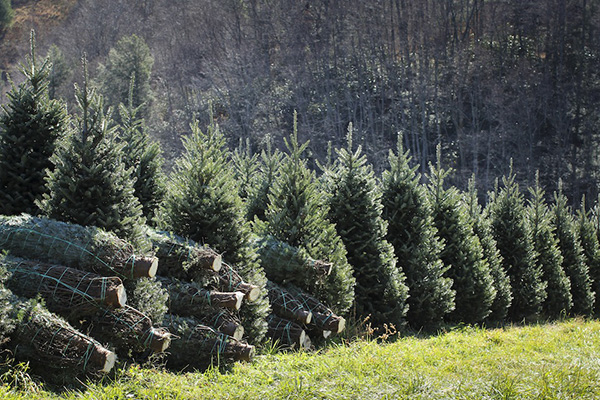
Once you get your tree home, make a fresh, straight cut across the base of the trunk, about an inch from the bottom; this reopens the tree's pores, allowing it to absorb water. Place it immediately in a sturdy stand filled with water. Your tree can drink a surprising amount of water in the first 24 hours, so be prepared to refill the stand frequently. It is an often-overlooked step, but vital to the tree's health and needle retention.
Ongoing Hydration
Check the water level daily; never let the reservoir run dry. If the water level drops below the trunk, a seal can form, preventing further water uptake, leading to premature drying. A well-hydrated tree is less likely to drop needles, will retain its vibrant color, and will smell much stronger, keeping the spirit of the season alive throughout December. You can find more tips on proper tree care by checking a cut-your-own checklist before you head out.
Final Considerations for Your Perfect Tree
Choosing a Christmas tree is more than just picking a pretty face; it’s about finding a tree that complements your home, your family’s traditions, and your decorating style. Whether you prioritize the dense aroma of a Balsam fir, the soft grace of a Douglas fir, or the sturdy resilience of a Scotch pine, each offers a unique contribution to your holiday celebrations. The journey to find it is part of the magic, often found by driving out to a local farm, maybe even a new one you discover when you browse Christmas tree farms by state.
Decorating Style Match
Think about your ornaments. If you have delicate, heirloom ornaments, the soft needles of a Douglas fir might be ideal, reducing the risk of snags or damage. For heavy, rustic ornaments or abundant lights, the strong branches of a Scotch pine or Balsam fir would be better suited. The density of the tree also matters; an open Scotch pine might showcase individual ornaments better, while a dense Balsam provides a rich backdrop for a sea of lights.
Personal Preference and Tradition
Ultimately, the best Christmas tree is the one you love; it’s the one that evokes the most joy and fits seamlessly into your family’s holiday narrative. Perhaps you grew up with the fragrant Balsam fir, and its scent instantly transports you back to childhood Christmases. Or maybe you're ready to start a new tradition, exploring the unique qualities of a Douglas fir or Scotch pine. The adventure of finding your ideal tree is a cherished part of the holiday season; embrace the journey and choose the tree that feels right for you and your living room.
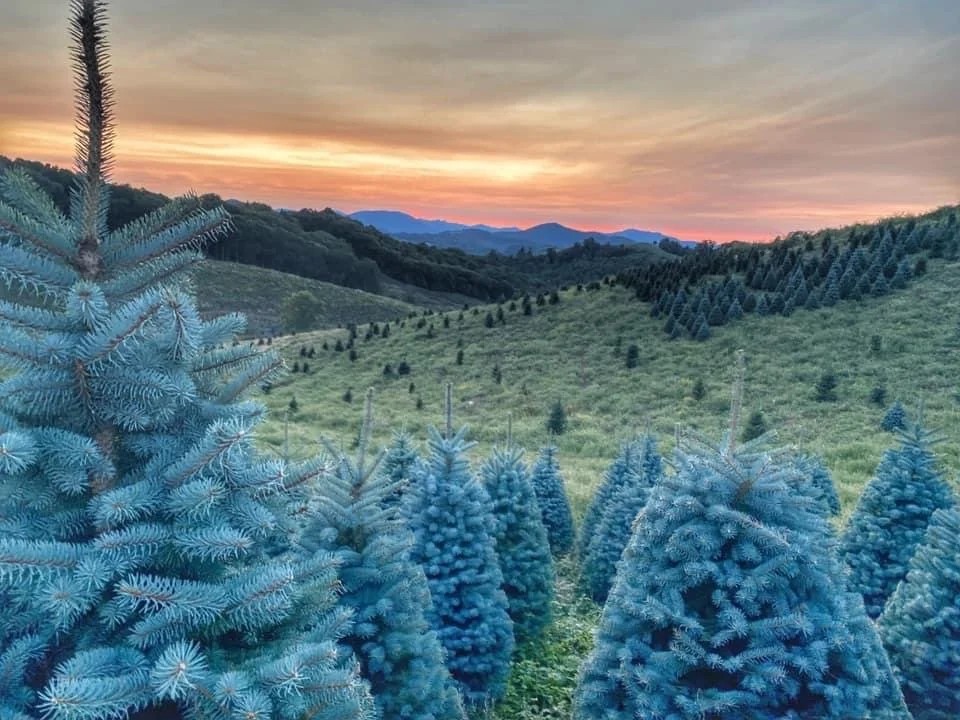
Photo: Mile High Tree Farm, Google Maps contributor at Mile High Tree Farm.
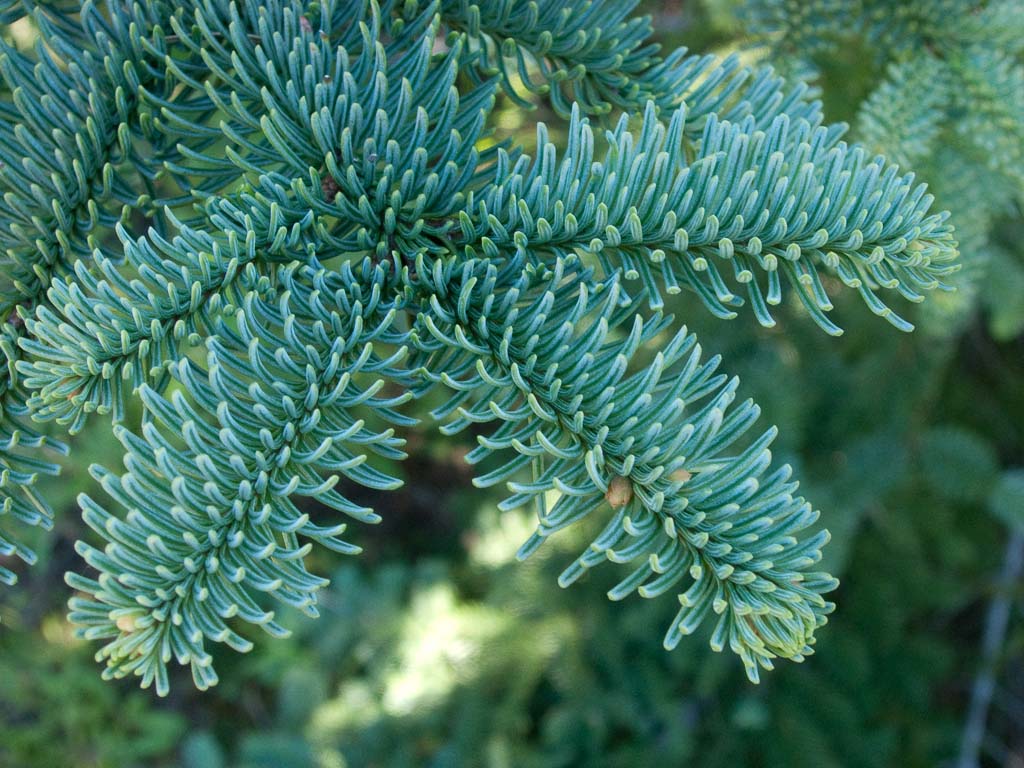
Photo: The Gymnosperm Database, Google Maps contributor at Pacific Northwest noble fir.
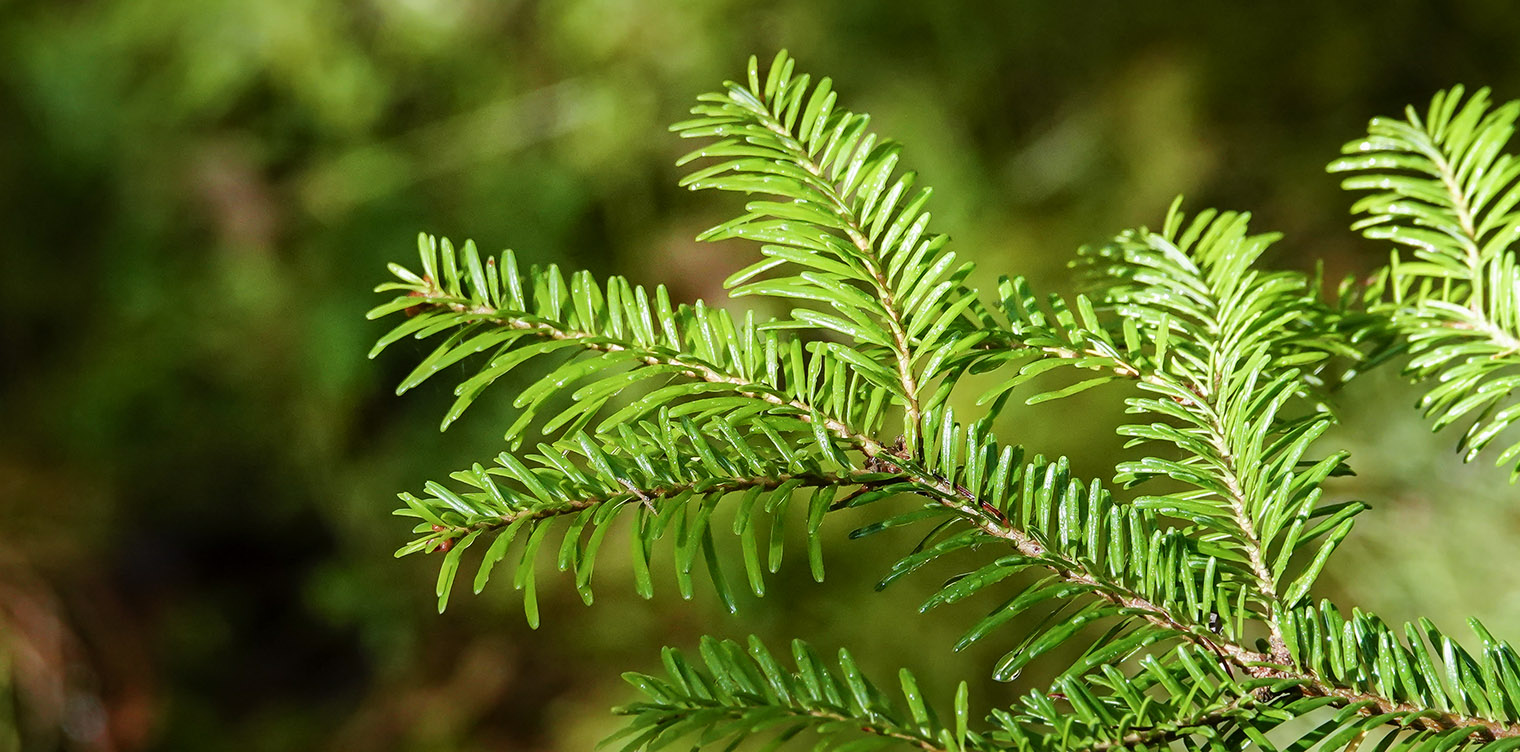
Photo: Adirondack Nature, Google Maps contributor at the Adirondack Mountains.