Best Christmas Tree Species to Pick for Warm-Climate States
Published October 23, 2026 · By Christmas Tree Farm Finder
Walking a tree farm in central Florida or east Texas in late November rarely feels like a storybook; sweat dampens your collar while cicadas hum in the hedgerow. Northern evergreens rot in this soil before reaching cutting height, yet local fields flourish with cultivars bred to withstand blistering summers. Families across the Sunbelt can enjoy an authentic field harvest if they choose varieties that thrive under a southern sun.
The Realities of Warm-Climate Cultivation
Overcoming Thermal Stress and Saturated Soil
High humidity pairs with fungal pressure to destroy traditional firs across southern hardiness zones; roots drown in warm moisture while needles brown under prolonged daylight. Regional growers bypass these hazards by selecting rootstock adapted to sandy loams and clay shelves; their selections handle torrential downpours followed by afternoon heat spikes without losing vigor. According to data from the National Christmas Tree Association, matching species to local microclimates remains essential for commercial survival in warm regions.
Moving Beyond the Imported Fir Expectation
Shipped Fraser firs arrive on southern retail lots exhausted by transit journeys; their boughs shed rapidly when exposed to indoor air conditioning. Choosing an indigenous conifer directly from a regional field eliminates travel stress, giving homeowners a resilient centerpiece that drinks reliably throughout December. Reviewing a comprehensive tree species guide helps calibrate expectations regarding branch stiffness, natural fragrance and needle texture.
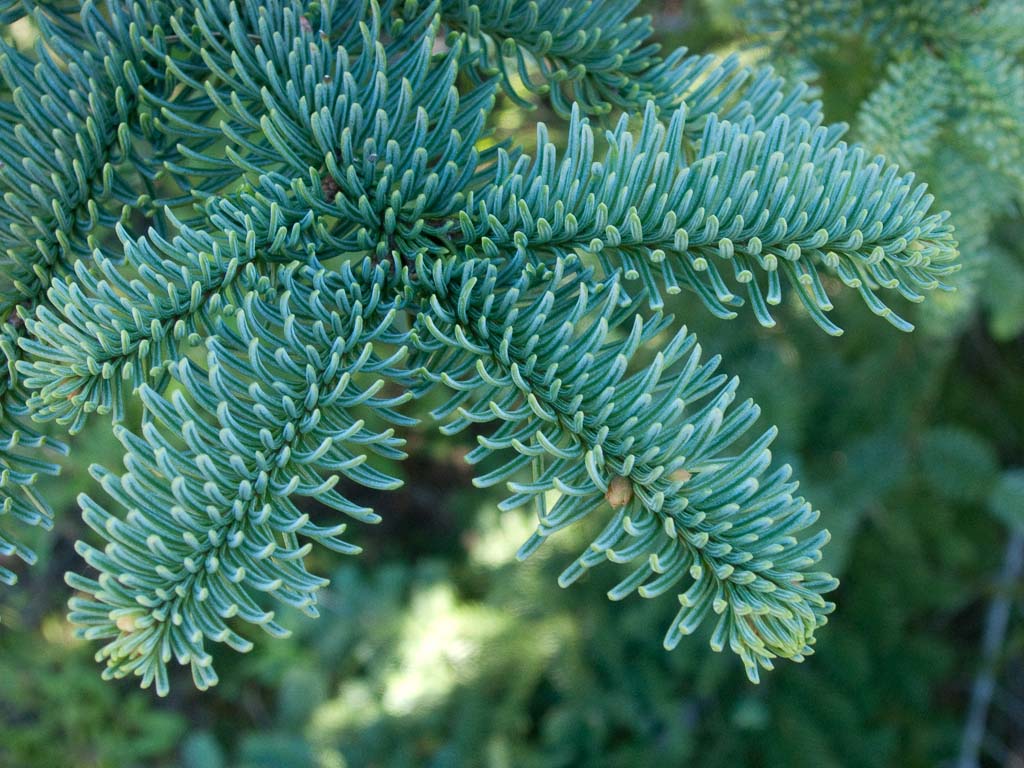
Photo: The Gymnosperm Database, Google Maps contributor at Pacific Northwest noble fir.
Cypress Cultivars Built for the Sunbelt
The Dominance of the Leyland Cypress
Leyland cypress transformed production across Georgia and Alabama by providing dense growth without dropped needles; its feathery boughs form tight pyramids that mimic northern silhouettes. Because the foliage produces negligible aromatic sap, this variety serves households troubled by allergies or sensitivity to heavy resins. The branches support ornaments evenly, though heavy glass pieces can pull slender tips downward over time.
Water Maintenance in Heated Living Rooms
This vigorous hybrid draws enormous quantities of fluid during its first week indoors; growers warn that a dry reservoir seals with sap in less than six hours. You must maintain continuous standing water in the basin; otherwise the fine foliage becomes brittle and sheds prematurely. A fresh cut across the trunk base right before placement ensures unobstructed vascular flow.
The Superior Resilience of the Murray Cypress
Growers across the coastal plains favor the Murray cypress over standard Leylands because its root system resists devastating blight outbreaks; it stands upright against fierce winds that damage weaker varieties. The branches offer increased rigidity, allowing decorators to hang heavier ornaments with confidence. Its rich foliage holds color well into January when watered conscientiously.
The Striking Palette of Arizona Cypress
Native to arid southern regions, the Arizona cypress tolerates extreme heat waves that leave other conifers stunted; its fine foliage carries an intense aroma reminiscent of citrus and cedar. These trees develop substantial girth quickly, rewarding growers with full canopies within four years of planting. The natural silver cast looks exceptional in modern homes, contrasting sharply with traditional decorations.
Distinctive Visuals of Carolina Sapphire
Carolina Sapphire stands out in a field grid due to its vivid teal coloration; the feathery branchlets create an airy appearance that softens interior lighting. Its rapid growth produces a wide footprint that demands generous clearance in a living room; measure your chosen space carefully before cutting. The sharp scent lingers for weeks, refreshing indoor air naturally.
Compact Formations in Blue Ice
Blue Ice offers a denser growth pattern than other cypress cultivars, featuring thick foliage dusted with frosty powder that glimmers under string lights. Its sturdy wood accommodates heirloom ornaments without sagging, making it ideal for traditional decorators; field managers trim these trees meticulously to preserve a tight conical form. Because sap production is high, wearing work gloves during harvest prevents sticky hands.
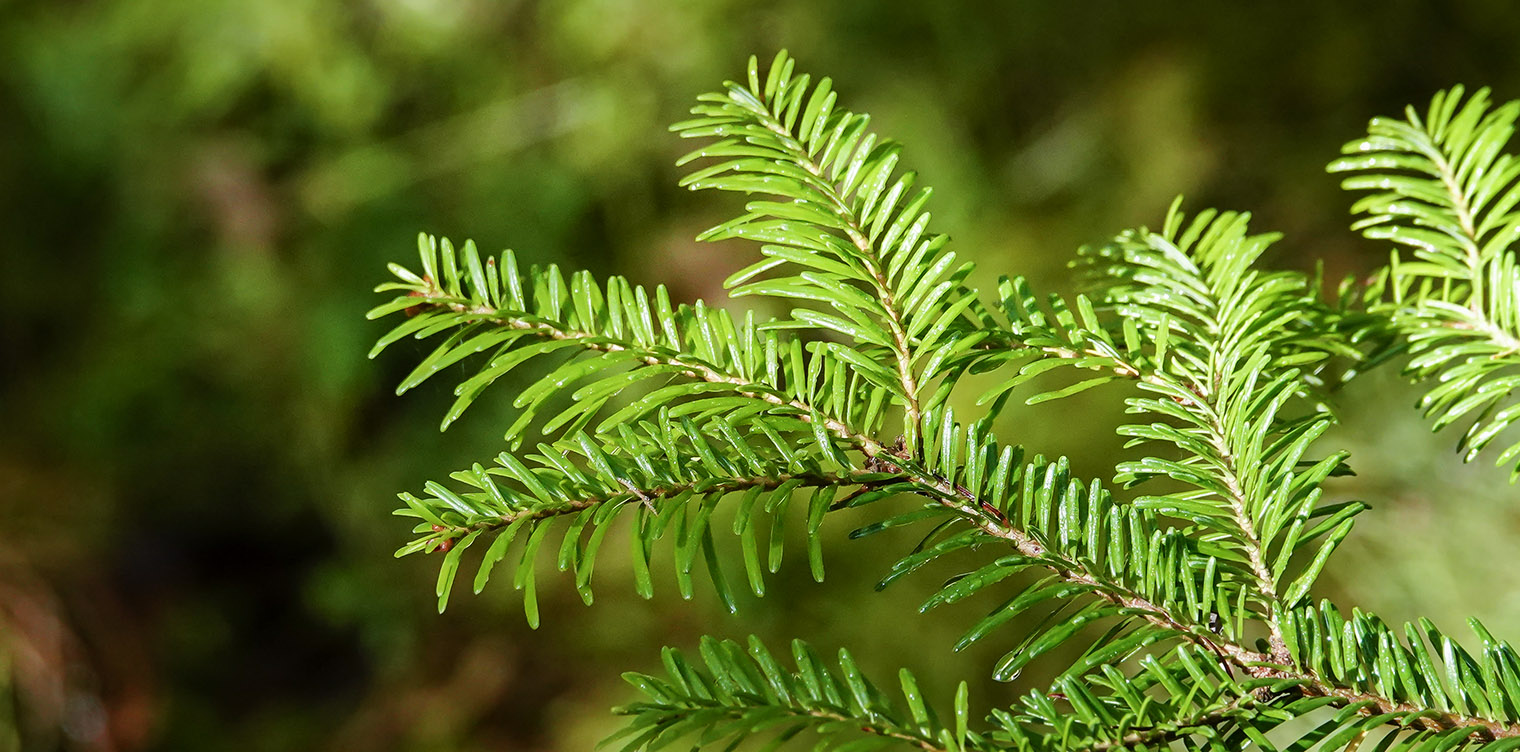
Photo: Adirondack Nature, Google Maps contributor at the Adirondack Mountains.
Southern Pine Selections for Deep South Soils
The Enduring Heritage of the Virginia Pine
Virginia pine represents the historic backbone of southern choose-and-cut operations, flourishing across poor soils where finicky firs perish within a single season. Its twisted needles and stout twigs evoke traditional farmhouse holidays; farmers shape them twice each summer with mechanical shears to produce neat silhouettes. The species yields a rich pine scent that instantly signals winter festivities.
Needle Retention and Environmental Resistance
Under dry indoor conditions, the Virginia pine outperforms almost every imported northern competitor; its needles lock tightly onto branches even when room temperatures fluctuate. Field buyers should seek specimens with flexible green needles that do not snap when pressed; brittle needles indicate compromised root health. Checking the soil line before cutting ensures the trunk grew straight during early development stages.
Pruning Demands for the Field Cultivator
Left unpruned, this species forms an unruly canopy with hollow pockets; dedicated farm operators spend summer days shaping each limb by hand. This continuous labor produces dense branch whorls capable of supporting heavy garland or extensive lighting runs. When you choose to browse Christmas tree farms by state, you can locate seasoned growers who take pride in meticulous shearing regimens.
The Coastal Tenacity of the Sand Pine
Thriving across the porous sands of northern Florida, the sand pine survives blistering summer droughts that kill standard timber stock; its needles cluster tightly along flexible branches. This tree appeals directly to buyers who prefer an organic, woodland appearance over rigid geometric trimming. Its subtle pine fragrance never overwhelms enclosed living rooms, providing gentle seasonal charm throughout December.
The Open Symmetry of the Slash Pine
Slash pine grows naturally across coastal lowlands, offering long needles that droop gracefully over sweeping branch structures; it serves decorators who value dramatic scale. Farms manage these vigorous giants with frequent shearing to control height and encourage compact bud clusters; unmanaged specimens outgrow residential ceilings in three seasons. Their thick bark resists fungal infections that routinely ruin softer conifers in humid river valleys.
Cedar Options for Regional Traditions
The Nostalgic Appeal of Eastern Redcedar
Eastern redcedar provided holiday memories for generations of rural families across the southern plains long before commercial tree farms existed; its prickly foliage and rich hue remain beloved by traditionalists. The dense pyramidal form creates a secure backdrop for lightweight trinkets and handmade ornaments, while its wood releases an unmistakable cedar perfume. Farm managers mow rows constantly to prevent aggressive weeds from choking lower cedar limbs.
The Silken Texture of Deodar Cedar
Originating in warm montane climates, the Deodar cedar adapts beautifully to southern conditions while offering pendulous boughs with delightfully soft needles. The branches sweep outward in tiered layers, creating a graceful profile that looks sophisticated without excessive shearing; its gentle foliage never scratches hands during decorating. Because branch tips taper into slender wisps, homeowners should hang heavy ornaments close to the trunk.
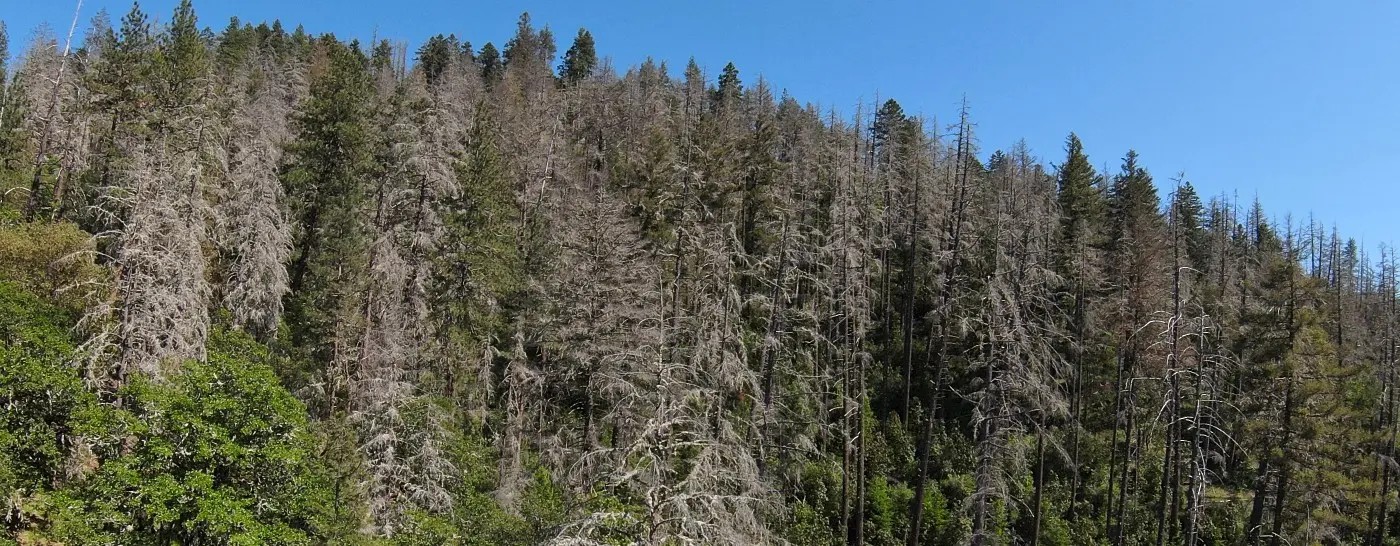
Photo: Oregon State University, Google Maps contributor at Pacific Northwest Douglas fir forest.
Planning Field Trips in Warm Regions
Navigating Regional Farm Networks
Finding local growers cultivating heat-tolerant cultivars requires looking beyond temporary parking lot tents; direct-from-field operations provide fresher stock that lasts through holiday parties. You can quickly pinpoint nearby growers using the Farms Near Me search tool to plan a weekend drive into the countryside. Calling ahead helps confirm which species are ripe for harvest, as early demand often depletes popular cypress blocks rapidly.
Timing Your Harvest for Maximum Longevity
Harvesting too early in warm southern weather shortens indoor display life; daytime temperatures in the eighties stress freshly cut wood regardless of species genetics. Consult an updated season calendar to identify the optimal cutting window for your agricultural zone; waiting until late November allows sap to settle naturally. A morning harvest ensures the tree enters your vehicle while internal tissue remains cool and hydrated.
Rigorous Field Inspection Procedures
Before you signal the farm crew with the saw, inspect the central trunk for sunscald lesions or insect webbing; healthy bark should appear firm and free of fungal seepage. Grasp a branch near the leader and slide your hand toward the tip; vibrant foliage remains firmly anchored while dropping fewer than five needles during the test. Reviewing a practical cut-your-own checklist beforehand keeps your family prepared with proper footwear, work gloves and tie-down straps.
Transport Protocols Across Warm Highway Corridors
Driving sixty miles per hour down an interstate under direct sunshine dehydrates an exposed evergreen faster than three weeks in a heated room; rushing air strips moisture from needle surfaces instantly. Wrap your prize securely in a canvas tarp before pulling away from the farm gate; avoid black plastic covers that trap thermal energy like an oven. Secure the cut trunk facing the front bumper to prevent headwind from snapping lateral boughs.
Post-Harvest Hydration and Care
High-Volume Hydration Routines Indoors
Once the trunk stands upright in your living area, indoor humidity levels plunge under continuous air conditioning, accelerating moisture loss through needle pores. Check the basin reservoir morning and evening without exception; warm-climate species consume a gallon of water daily during their first week indoors. Never allow the water level to slip below the base cut, or dry wood will produce a hardened seal within hours.
Environmental Safety Around Heat Sources
Position your tree well away from sunny southern windows, furnace vents and electric space heaters; radiant warmth crisps needles in minutes, regardless of species hardiness. Use modern LED lighting strings that generate zero surface heat rather than vintage incandescent bulbs that warm resinous twigs; cool bulbs extend needle life and reduce fire hazards significantly. Turning string lights off whenever you leave home keeps foliage cool and conserves electrical energy.
Repurposing Holiday Trees for Coastal Conservation
When festivities conclude in January, skip municipal landfills and direct your evergreen into environmental rehabilitation projects; spent conifers provide valuable organic material across southern ecosystems. Many coastal communities collect discarded trees to build protective dune barriers against tidal erosion, while regional fisheries sink bundled boughs to create secure juvenile fish habitats. Investigate local options for tree recycling to ensure your holiday centerpiece concludes its journey by sustaining regional wildlife and protecting fragile shorelines.