Choose-and-Cut vs. Pre-Cut Christmas Trees: Key Tradeoffs
Published October 21, 2026 · By Christmas Tree Farm Finder
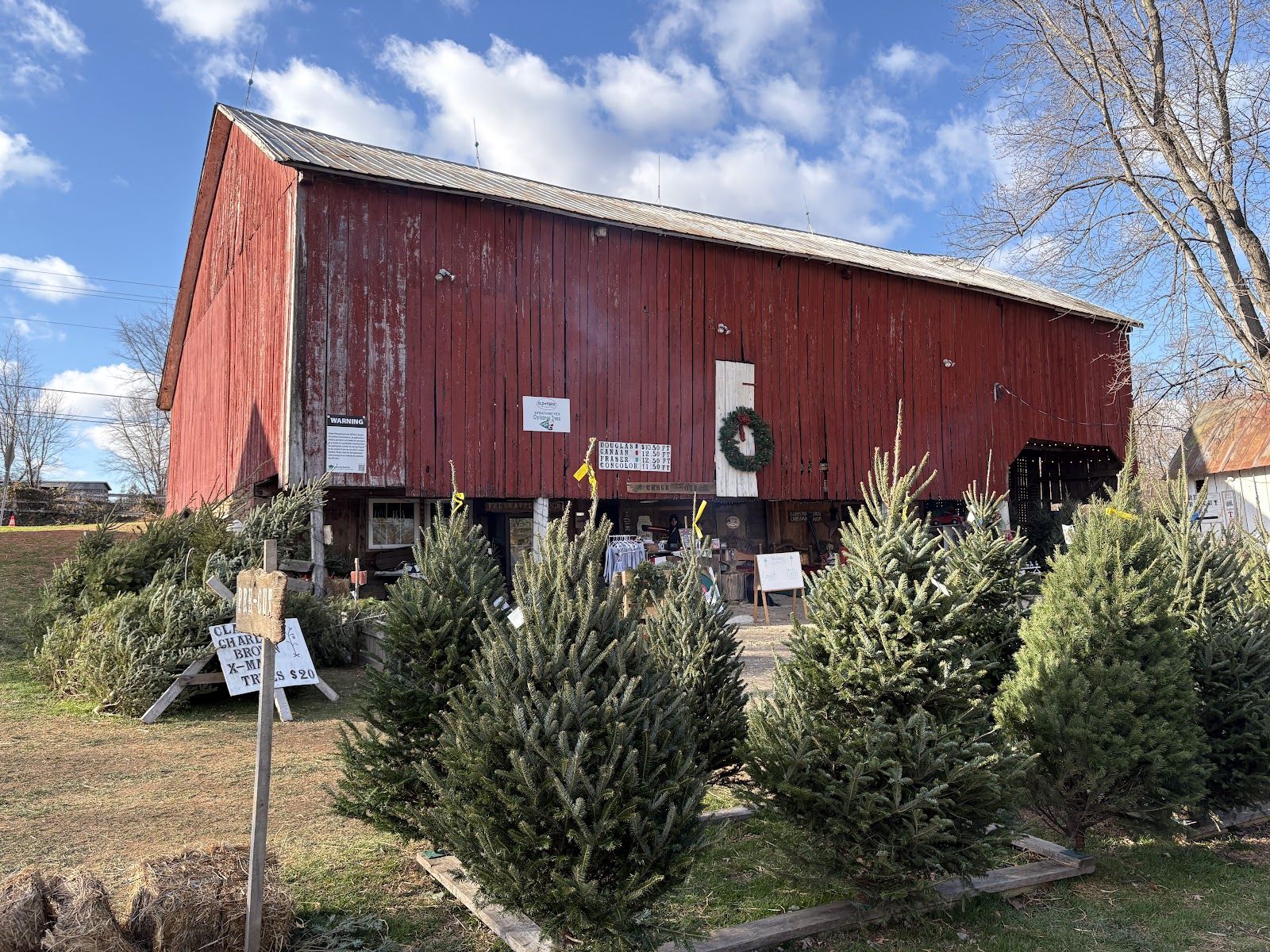
Standing ankle-deep in frozen clover while sleet taps against your jacket brings an immediate clarity to holiday traditions. Cutting an evergreen from a hillside stump feels authentic in a way no paved lot can match; hauling that heavy timber across four hundred yards of furrows tests your patience before lunch. The choice between walking a plantation and grabbing a baled spruce from a retail lot comes down to how much physical effort you want to trade for needle longevity.
The Fundamental Choice Between Farm Fields and Retail Lots
A retail lot and a rural timber farm serve fundamentally different winter desires. A neighborhood lot sells speed, predictable sizing and easy parking on dry asphalt; a rural farm sells an agrarian outing wrapped in woodsmoke and crisp breezes. Neither route is morally superior, but choosing incorrectly guarantees either unexpected exhaustion or nagging disappointment.
Physical Demands of the Choose-and-Cut Experience
Agritourism operations do not sanitize their acreage for city shoes. You will step over hidden root crowns, trek through muddy drainage washes and duck under low boughs; the terrain requires work boots rather than fashion sneakers. If members of your party have limited mobility, navigating an untamed hillside can transform a festive outing into an ordeal.
Navigating Mud, Slopes and Inclement Weather
Winter squalls transform groomed farm lanes into slick ruts within an hour. A gentle slope turns treacherous when you balance a heavy Scotch pine between two people; boots slide helplessly in the clay loam. Preparing for these raw elements requires wool socks, windproof layers and waterproof work gloves that withstand sticky pine pitch.
The Emotional Value of Unhurried Family Rituals
Despite the mud and chill, walking an open field creates memories that a commercial parking lot cannot duplicate. Children scamper between emerald rows to discover dormant bird nests; parents debate the merits of a crooked stem while sharing hot cider. That shared expedition becomes an enduring marker of time that anchors the winter season.
Biological Freshness and Vascular Hydration
Needle retention comes down to simple plant vascular biology. When an evergreen is severed, its sap channels remain clear for only a short window before drying pitch seals the base. A freshly cut stump immediately placed in water continues transpiration normally, keeping its foliage soft and supple for weeks indoors.
The Immediate Cellular Benefit of Fresh-Cut Stumps
A field-harvested tree possesses full moisture reserves at the moment the steel teeth bite through its bark. The tree holds water in every cellular wall, resisting dry indoor furnace air and maintaining its forest aroma; it never suffers the dormancy of cross-country shipping. Harvest data from the National Christmas Tree Association confirms that hydrated conifers maintain needle flexibility far longer than stems subjected to dry storage.
The Invisible Desiccation of Commercial Freight
Pre-cut retail specimens often endure weeks of storage before they reach an urban corner lot. Wholesale commercial suppliers in major timber states cut their inventory in late autumn, packing the trees into tight bundles for open-bed transport across hundreds of highway miles. This transit saps intracellular moisture, meaning the tree starts dropping brittle needles shortly after you bring it indoors.
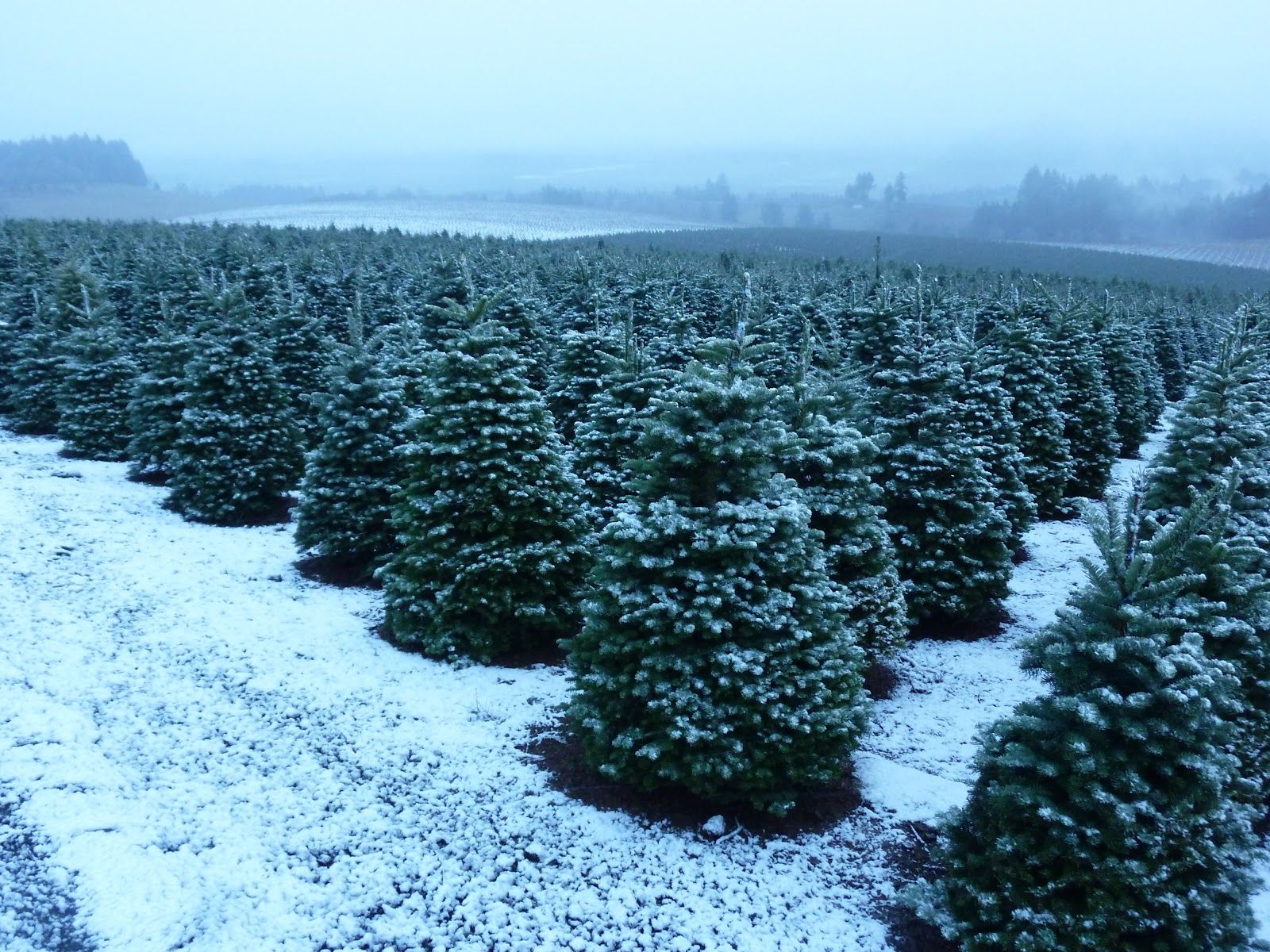
Photo: Noble Mountain Tree Farm- Wholesale Only, Google Maps contributor at Noble Mountain Tree Farm.
Structural Scale and Indoor Space Constraints
Bringing an outdoor conifer indoors requires an understanding of optical scale. An eight-foot fir appears compact against an open skyline, surrounded by twenty acres of rolling hills; that same specimen will dominate an average suburban living room. Measuring ceiling clearance before leaving home prevents the frustrating chore of lopping off top whorls in your foyer.
The Deceptive Proportions of Open Agronomic Fields
In an open field, wide branch spreads fool the eye because there are no walls to provide context. Many cut a tree that looks slim in the dirt, only to discover it measures seven feet wide once branches settle indoors; the trunk then encroaches on furniture. Reviewing a practical cut-your-own checklist reminds you to carry a rigid tape measure into the field rather than trusting your naked eye.
Clear Spatial Visibility on Retail Display Racks
Retail lots offer a visual advantage because workers hang stock from overhead cables or mount them on stands. You can inspect the tree from every angle, measure baseline width against your height and spot irregular gaps in foliage immediately; there is no guesswork involved. This clear visibility eliminates surprise branch crowding once you unload the trunk at home.
Tree Genetics and Regional Growing Climates
Soil chemistry and regional temperature bands dictate what varieties a local farm can cultivate successfully. If you demand a specific needle texture or branch stiffness, you must respect the geographic limitations of your home state. Farm fields showcase what grows naturally in your climate, which is not always the tree pictured in holiday catalogs.
Native Varieties Grounded in Local Soil
Growers in southern and central regions often specialize in Virginia pine, eastern redcedar or Leyland cypress. These varieties thrive in warm summer humidity, yet their supple boughs bend easily under heavy ornaments. Checking our regional tree species guide helps you understand whether your local climate supports the bough stiffness your holiday decorating requires.
Long-Distance Transport of High-Elevation Boughs
Retail lots solve climatic limitations by sourcing species from high mountain elevations. A city lot in Florida can easily offer Fraser firs from North Carolina or noble firs from Oregon; these varieties cannot survive local southern soil. If you prioritize dense foliage, stiff horizontal boughs and blue-green undertones, a shipped pre-cut specimen may be your only viable option.
The Financial Realities of Both Purchase Models
The belief that harvesting your own tree saves money no longer reflects agricultural economics. Running a choose-and-cut farm requires immense overhead, including year-round field shearing, property liability coverage, tractor upkeep and seasonal staffing. Consumers pay for the agricultural destination experience, not just raw timber mass.
The Built-In Costs of Modern Agritourism
When you walk a commercial choose-and-cut farm, your purchase price subsidizes hayrides, heated barns, bonfire pits and parking directors. The tree tag reflects those experiential amenities; you will often pay noticeably more than you would at an unadorned supermarket lot. For families seeking an all-afternoon event, that premium feels entirely justified.
Pop-Up Overhead and End-of-Season Margins
Neighborhood lot operators shoulder steep expenses of their own, including short-term commercial land rentals, generator fuel and city vendor permits. While their opening prices remain high to cover freight margins, lot managers face immovable inventory deadlines. If you delay shopping until mid-December, you can often negotiate steep discounts on remaining lot trees that merchants cannot afford to store.

Photo: McCurdy's Tree Farm & Landscaping, Google Maps contributor at McCurdy's Tree Farm and Landscaping.
Labor Requirements from Forest Edge to Living Room
Physical effort marks the most dramatic dividing line between these two purchasing methods. Harvesting a field specimen demands genuine manual stamina from the moment you leave your vehicle until the trunk is secured in the stand. Pop-up retail stands bypass the manual struggle through professional lot service.
Muscle Fatigue and Hand Bowsaws in the Dirt
Farm staff rarely cut the tree for you; they hand you an aged bowsaw with weathered blades. You must crawl under low boughs onto damp ground, clear weeds away from the trunk base and saw vigorously while sawdust showers your face. After the cut, dragging a ninety-pound evergreen through dense stubble pushes cardiovascular endurance to its limit.
Rapid Turnaround on Paved Commercial Lots
Retail lots eliminate physical strain by employing attendants who handle the heavy lifting. Workers unbale the tree for inspection, make a fresh butt cut with a power chainsaw and carry the timber directly to your vehicle; your hands remain clean throughout the process. Within fifteen minutes, the trunk is secured to your roof bars and you are driving home.
Environmental Lifecycle and Post-Holiday Disposal
Real trees remain an environmentally responsible holiday choice compared to synthetic foliage manufactured from petroleum. Working farms protect open acreage from suburban tract development, creating vegetative green belts that filter groundwater and harbor songbirds. Once the season concludes, natural wood returns organically to the soil without lingering in regional landfills.
Agricultural Land Stewardship and Municipal Recycling
When you browse Christmas tree farms by state, you discover growers who manage soil health through rotational planting cycles. Farmers set two seedlings into the earth for every stump harvested in December, maintaining root systems that prevent winter topsoil erosion. After Twelfth Night, municipal tree recycling programs chip discarded evergreens into organic mulch for community walking paths and city parks.
Long-Haul Emissions and Sustainable Mulching
The environmental score shifts when trees travel thousands of miles on flatbed diesel trucks. Pre-cut conifers shipped across multiple state lines burn significant fuel before reaching your living room, somewhat offsetting their organic benefits. Sourcing from a local choose-and-cut plantation cuts supply-chain transportation miles while keeping your holiday dollars inside the local farm economy.
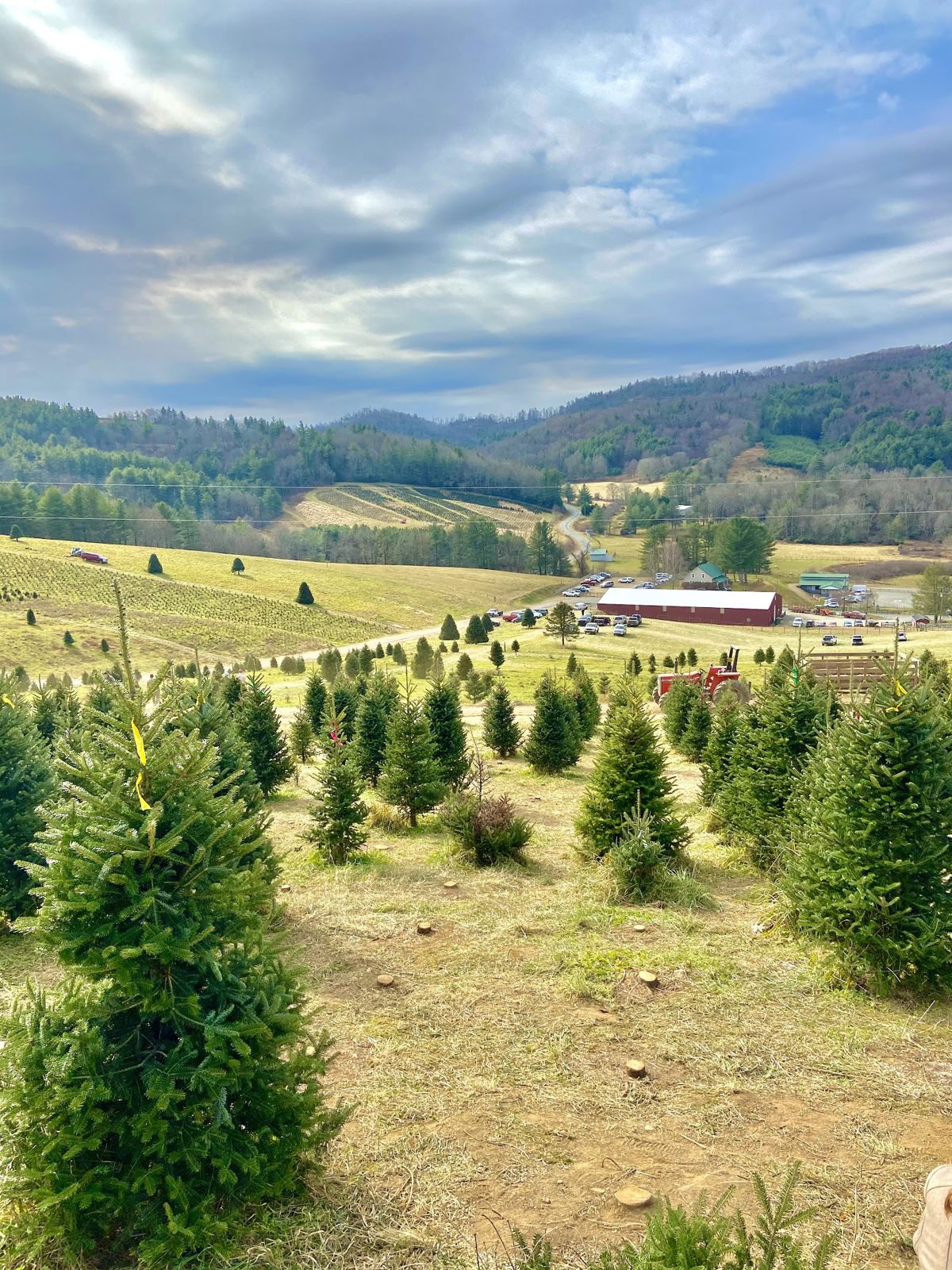
Photo: itsdylanc, Google Maps contributor at Lil' Grandfather Choose and Cut.
Determining the Right Option for Your Household
Choosing between these two traditions comes down to matching logistics with personal capacity. A field expedition requires dry weather, half a free weekend, rugged clothing and an appetite for physical work; a retail visit solves your decor needs in thirty minutes flat. Consulting an agricultural season calendar ensures you do not arrive at a farm after their annual harvest quota has already closed.
Matching Family Schedules to Timber Realities
If your December is crowded with tournaments, work parties and concerts, an exhausting farm trip can spark bickering rather than cheer. In those rushed seasons, buying a pre-cut evergreen from a reliable lot provides a centerpiece without logistical stress. When time allows a relaxed winter afternoon, locating growers through Farms Near Me transforms a simple shopping chore into a cherished pilgrimage.