Top Christmas Tree Species for Warm US Climates
Published August 10, 2026 · By Christmas Tree Farm Finder
The crisp air of a winter morning, the scent of pine needles, and the cheerful bustle of families searching for that perfect holiday centerpiece; these are the images most people conjure when they think of choosing a Christmas tree. However, for those of us living in the sun-drenched states, that idyllic scene often needs a slight adjustment. Our winters might be milder, but the spirit of finding a real tree remains just as strong; it simply requires a bit more thoughtful selection.
The Unique Challenge of Warm Climates for Christmas Trees
Growing Christmas trees in warm climates presents a distinct set of challenges for farmers. Many traditional Northern species, accustomed to cold dormancy and consistent moisture, simply cannot tolerate the prolonged heat and often less predictable rainfall of southern regions. This means farmers in states like Florida, Texas, or California must carefully select varieties that are not only aesthetically pleasing but also robust enough to thrive in these conditions; it's a testament to their dedication to providing real trees.
Heat Tolerance and Drought Resistance
The primary hurdles for Christmas trees in warmer states are heat and drought. A tree that wilts or drops its needles prematurely due to stress is hardly a festive addition to any home. Farmers prioritize species with inherent genetic traits that allow them to withstand higher temperatures and periods of reduced water availability; this often means choosing native or well-adapted varieties. They also employ specific irrigation techniques to ensure the trees receive adequate hydration, especially during their crucial growth phases.
Leyland Cypress: The Southern Staple
Perhaps the most ubiquitous and successful Christmas tree in warm climates is the Leyland Cypress. This fast-growing hybrid, a cross between Monterey Cypress and Alaska-cedar, was practically made for Southern living. Its dense, soft needles, pleasant aroma, and excellent needle retention make it an outstanding choice for families looking for a traditional feel without the traditional climate requirements.
Leyland Cypress Characteristics
Leyland Cypress trees are celebrated for their distinctive, upright pyramidal shape; they grow quickly, reaching marketable size in just a few years. Their foliage is a beautiful deep green, and the branches are strong enough to support a full array of ornaments without drooping. While some people prefer a more pine-like scent, the Leyland offers a fresh, clean, slightly citrusy aroma that many find appealing; it certainly fills a room with holiday cheer.
Growing Leyland Cypress in the Field
Walking through a field of Leyland Cypress, you immediately notice their uniformity and vigorous growth. Farmers meticulously prune these trees throughout the year to encourage their classic conical shape, ensuring every tree has that perfect Christmas silhouette. Their adaptability to various soil types and their disease resistance further solidify their status as a top contender for warm-climate Christmas tree farms; they are truly a farmer's friend.
Arizona Cypress: A Resilient Native Option
Another excellent choice for warm, arid climates, particularly in the Southwest, is the Arizona Cypress. This native species is incredibly drought tolerant and thrives in conditions that would quickly dispatch many other evergreens. Its silvery-blue to gray-green foliage offers a unique aesthetic, setting it apart from the more common dark green varieties.
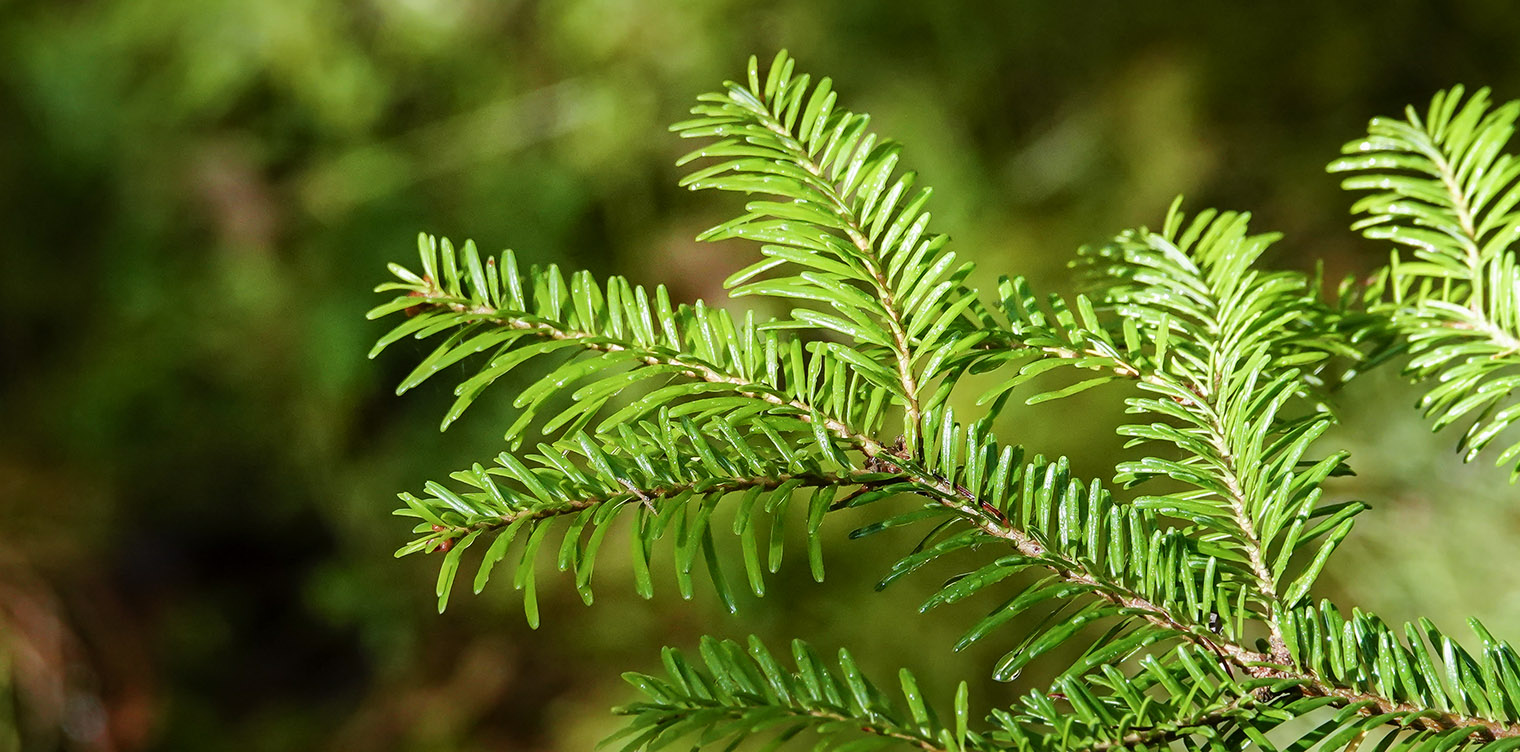
Photo: Adirondack Nature, Google Maps contributor at the Adirondack Mountains.
Appearance and Aroma of Arizona Cypress
The Arizona Cypress boasts a dense, conical form and often has a slightly more open branch structure than the Leyland Cypress. Its unique bluish-green needles have a pleasant, somewhat spicy, juniper-like fragrance that adds an interesting twist to the traditional Christmas tree scent. For those seeking something a bit different but equally festive, the Arizona Cypress is a strong candidate, especially if you are browsing Farms Near Me in drier regions.
Cultivation and Sustainability
Farmers appreciate the Arizona Cypress for its hardiness and low water requirements once established. This makes it a sustainable choice for areas prone to drought, reducing the environmental impact of tree farming. Its resilience means fewer inputs like irrigation and pesticides are needed, contributing to healthier fields and a more natural growing process; this is good news for both farmers and the environment.
Carolina Sapphire: The Aromatic Alternative
For those who prioritize fragrance, the Carolina Sapphire, a cultivar of the Arizona Cypress, is a standout option. It shares many of the Arizona Cypress's desirable traits, including excellent heat and drought tolerance, but it distinguishes itself with an exceptionally strong, refreshing aroma. This tree will fill your home with a delightful scent that truly evokes the holiday season.
Distinctive Features of Carolina Sapphire
The Carolina Sapphire typically exhibits a beautiful powdery blue-green foliage, often more pronounced than its Arizona Cypress parent. Its needles are soft to the touch, and its conical shape is naturally attractive, often requiring less heavy pruning. The intensity of its citrusy-minty scent is unparalleled among warm-climate trees, making it a favorite for those who love a fragrant home during the holidays; it's a sensory experience.
Eastern Red Cedar: The Enduring Pioneer
Though perhaps not as widely cultivated for commercial Christmas tree farms as some others, the Eastern Red Cedar (Juniperus virginiana) is a resilient native evergreen found across much of the Eastern and Central United States, often in very tough conditions. Its natural hardiness makes it a viable option for a cut-your-own experience in many Southern states; it offers a rustic charm.
Characteristics of Eastern Red Cedar
Eastern Red Cedar trees typically have dense, somewhat prickly needles that range in color from green to a bronzy-purple in winter. While their shape can be a bit more irregular than cultivated varieties, their robust nature and distinctive aroma are part of their appeal. They are incredibly tolerant of poor soils and drought, thriving where many other trees would fail; their tenacity is admirable.
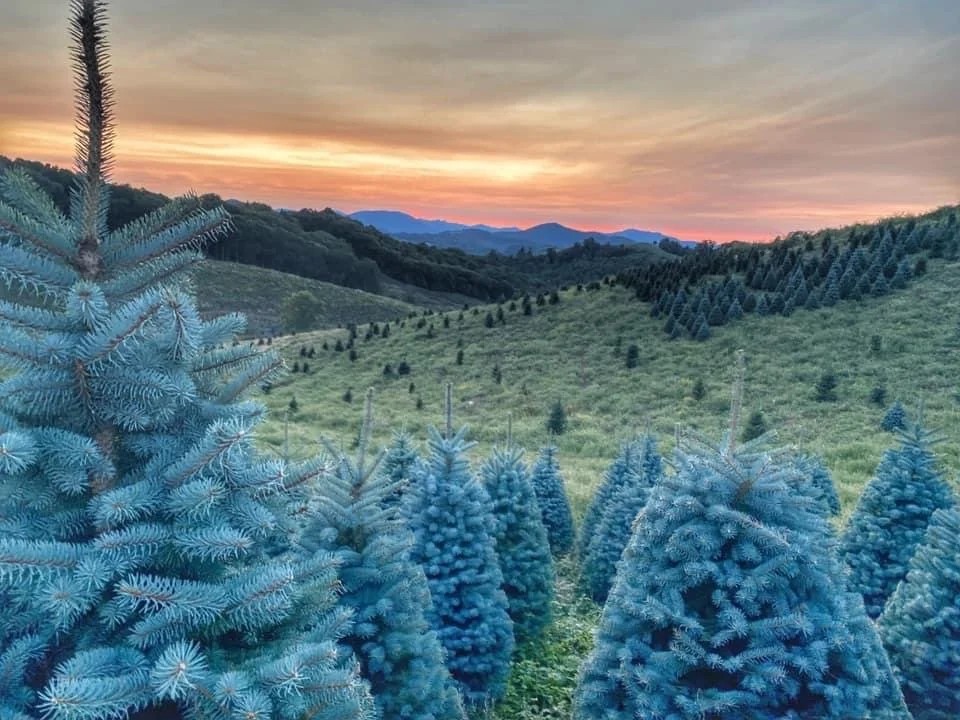
Photo: Mile High Tree Farm, Google Maps contributor at Mile High Tree Farm.
A Traditional Choice
For generations, families in the South have ventured out to fields or woodlands to select and cut an Eastern Red Cedar for their Christmas tree. This practice continues on some smaller farms and private lands, offering a truly authentic, old-fashioned Christmas experience. Before heading out, always check a farm’s offerings to see if they cultivate this unique species; you can often find details by exploring a tree species guide online.
Virginia Pine: A Fast-Growing Option
The Virginia Pine is another species that handles warm climates surprisingly well, particularly in the southeastern United States. It's known for its rapid growth and decent needle retention, making it a commercially viable option for many Southern Christmas tree farms. Its rough bark and stiff, often twisted needles give it a robust, natural appearance.
Appearance and Growing Habits of Virginia Pine
Virginia Pine trees generally have a somewhat open, often irregular form, but with proper shearing, farmers can cultivate a good conical shape. Their needles are relatively short and grow in bundles of two, and the tree emits a classic pine scent that many people associate with Christmas. Farmers appreciate its ability to grow quickly on less fertile soils, making it an economically sound choice for many operations; it's a workhorse.
Fraser Fir and Balsam Fir: The Northern Dream (with a caveat)
While true Fraser Fir and Balsam Fir, beloved for their perfect shape and incredible aroma, are typically out of their element in warm climates, some dedicated farmers in higher elevations or specific microclimates in Southern states are experimenting with them. These attempts are often challenging, requiring significant care, irrigation, and sometimes even shade structures to protect the young trees from intense summer sun. For the most part, if you are looking for these specific trees, you might need to visit a farm further north or consider a pre-cut option shipped in from colder regions. It's truly a challenge to grow them locally if you're not in the mountains; you can learn more about where these species grow best on the National Christmas Tree Association website.
Choosing Your Perfect Warm-Climate Christmas Tree
When it comes to selecting your ideal Christmas tree in a warm climate, it’s all about knowing your options and understanding the local growing conditions. Visiting a local farm allows you to see these trees firsthand, feel their needles, and smell their unique fragrances. Many farms also offer helpful staff who can explain the best care practices for your chosen species, ensuring your tree stays fresh and vibrant throughout the holiday season; don't hesitate to ask questions. You can browse Christmas tree farms by state to find the perfect local spot.
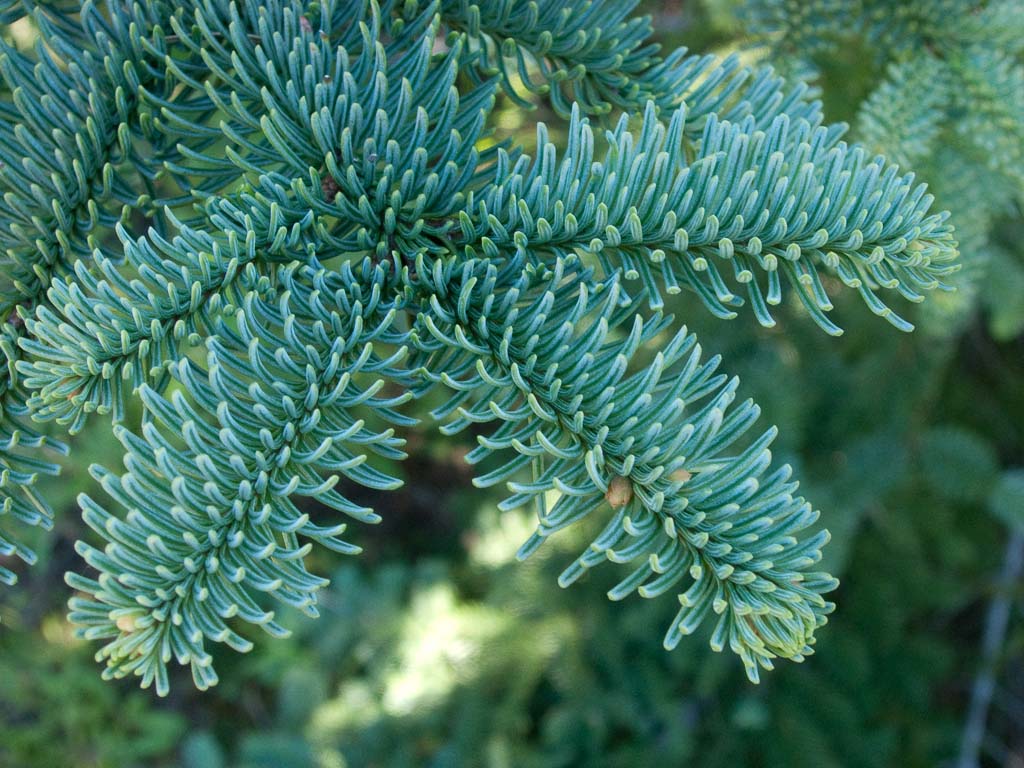
Photo: The Gymnosperm Database, Google Maps contributor at Pacific Northwest noble fir.