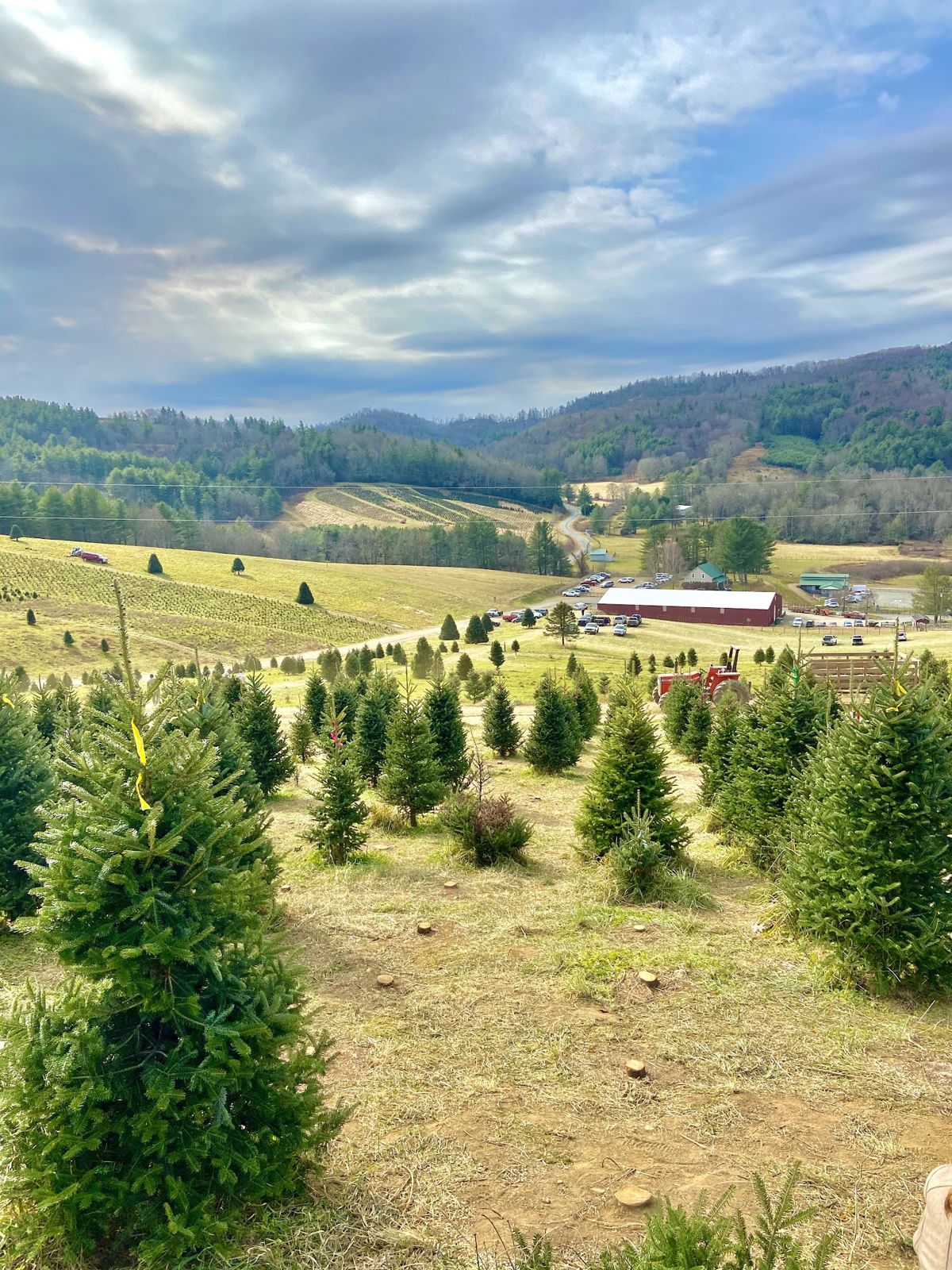
Top Christmas Tree Species for Warm US Climates & Southern States
Published September 4, 2026 · By Christmas Tree Farm Finder
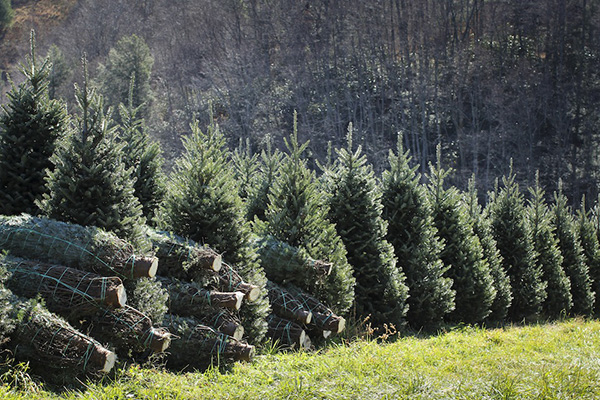
The crisp, pine-scented air; the joy of children darting between rows of evergreens; the satisfying thunk of an axe on a fresh trunk: these are the hallmarks of a classic Christmas tree farm experience. Many of us dream of this idyllic scene; however, for those living in the sun-drenched states, achieving that perfect holiday centerpiece requires a bit more horticultural savvy than our northern counterparts might imagine. The traditional firs and spruces we often picture simply cannot endure the extended warmth and humidity prevalent across much of the American South and Southwest, leaving many to wonder if a real tree is even an option. Fortunately, a variety of resilient, beautiful Christmas tree species thrive in these challenging environments, ready to bring that festive spirit right to your living room.
The Unique Challenges of Warm-Climate Tree Farming
Growing Christmas trees in states like Florida, Texas, or Arizona presents a distinct set of agricultural hurdles. The primary issue is heat; most classic Christmas tree species, such as Balsam Firs or Fraser Firs, require a significant period of cold dormancy to properly grow and thrive. They are simply not adapted to long, hot summers, which can lead to premature needle drop or even tree death. High humidity, often accompanying the heat, exacerbates fungal diseases and pest infestations, posing another significant threat to traditional evergreens. Farmers in these regions must meticulously select species that can withstand both the direct heat and the associated environmental stresses, often relying on specialized irrigation and pest management strategies.
Understanding Heat Tolerance in Conifers
Heat tolerance in conifers is not merely about surviving a hot day; it involves the tree's ability to manage water efficiently, protect its needles from scorching, and continue photosynthesis under stress. Some species have evolved thicker, waxier cuticles on their needles, reducing water loss through transpiration; others possess deeper root systems to access subsurface moisture. Farmers also consider the tree's overall vigor and resistance to common warm-weather pests, ensuring a healthy, marketable product. Selecting the right species is paramount, as a poorly adapted tree will quickly show signs of stress, diminishing its aesthetic appeal and its ability to hold needles once cut.
Native Pines as Southern Staples
When considering species that truly flourish in the Southern climate, native pines often rise to the top of the list, offering both resilience and traditional charm. These trees are perfectly adapted to the local soil conditions and weather patterns, making them a sustainable choice for many warm-climate farms. Their robust nature means less intensive care from farmers, translating to healthier trees and, ultimately, a more enjoyable cutting experience for families. Many farms in these regions pride themselves on cultivating these hardy, regional favorites.
The Reliable Virginia Pine
The Virginia Pine, scientifically known as Pinus virginiana, is a steadfast choice for many Christmas tree growers in the southeastern United States. This medium-sized pine boasts stiff, twisted needles that grow in bundles of two, creating a dense foliage ideal for holding ornaments. It adapts remarkably well to a wide range of soil types; it even thrives in drier, less fertile ground. Farmers appreciate its fast growth rate and excellent needle retention after cutting, which are key qualities for a successful Christmas tree. Its slightly shorter needle length compared to some other pines also gives it a more traditional, bushy appearance.
The Versatile Loblolly Pine
Another superb option for warm climates is the Loblolly Pine, Pinus taeda, a tree known for its rapid growth and stately, somewhat open form. While its needles are longer than those of the Virginia Pine, its overall resilience to heat and humidity is exceptional; it is a common sight across the Southern landscape. Growers often shear Loblolly Pines extensively to encourage a denser, more conical shape, making them perfectly suited for festive decoration. Like its Virginia cousin, the Loblolly offers good post-harvest needle retention, ensuring your tree stays fresh throughout the holiday season. It’s a favorite on many farms in the Gulf Coast states, offering a truly local option for your Christmas celebration.
Exotic Species Thriving in the Sun
Beyond the native pines, several non-native conifers have demonstrated remarkable adaptability to warm climates, providing growers and consumers with a broader array of choices. These species often originate from regions with similar climatic profiles, bringing unique textures and scents to the Christmas tree market. Their introduction has diversified the offerings at many warm-climate farms, allowing families to choose from a wider variety of shapes and needle types. Exploring these options can lead to discovering a new favorite holiday tradition.
The Robust Leyland Cypress
Perhaps the most popular non-native choice for warm-climate Christmas trees is the Leyland Cypress, a fast-growing hybrid known for its soft, feathery foliage and elegant, conical shape. This sterile cross between Monterey Cypress and Alaska-cedar exhibits exceptional drought and heat tolerance, thriving in conditions that would quickly wilt other evergreens. Its dark green needles are remarkably soft to the touch, making it a pleasant tree to decorate; it produces no sap, which is a major bonus for those with allergies or concerns about sticky residue. Also, its excellent needle retention is legendary, often holding needles long after the holiday season has passed, a characteristic highly valued by consumers.
The Fragrant Arizona Cypress
For those seeking a tree with a distinct, appealing aroma, the Arizona Cypress (Cupressus arizonica) offers a delightful alternative. Native to the American Southwest, this tree is incredibly heat and drought tolerant, making it an excellent choice for drier warm-climate regions. Its fine, scale-like needles range in color from green to an attractive silvery blue-green, providing a unique aesthetic. The Arizona Cypress emits a pleasant, fresh scent, often described as a citrusy or spicy aroma, which enhances the festive atmosphere of any home. While its branches might be a bit more flexible than those of a pine, careful ornament placement can lead to a stunning display.
Cultivation Techniques for Warm-Weather Trees
Successful warm-climate Christmas tree farming relies not only on species selection but also on specialized cultivation techniques tailored to the environmental conditions. These methods ensure trees grow strong and healthy despite the challenging weather, culminating in a beautiful harvest. Farmers meticulously manage their groves, knowing that every detail contributes to the quality of the final product. Many of these practices are unique to southern growing regions, requiring different expertise than farming in northern states.
Irrigation and Water Management
Efficient irrigation is absolutely critical for growing Christmas trees in warm, often drought-prone regions. Farmers typically employ drip irrigation systems or specialized micro-sprinklers that deliver water directly to the root zone, minimizing waste and ensuring consistent moisture. Monitoring soil moisture levels is a constant task, often using sensors to provide real-time data, allowing farmers to adjust watering schedules precisely. Proper water management prevents both water stress, which can lead to needle drop, and overwatering, which can encourage root rot. This careful balance is key to producing a vibrant, healthy tree.
Shearing and Shaping Strategies
While all Christmas trees benefit from shearing, it is particularly vital for warm-climate species to achieve that classic, dense Christmas tree shape. Many southern pines naturally have a more open growth habit; without regular shaping, they can become sparse and leggy. Farmers meticulously shear trees multiple times throughout the growing season, using specialized knives or clippers to encourage denser branching and a uniform conical form. This labor-intensive process is crucial for creating a full, attractive tree capable of supporting numerous ornaments. The Leyland Cypress, with its vigorous growth, especially benefits from consistent shaping. For insights into finding the perfect tree, you can browse Christmas tree farms by state.
After the Cut: Maintaining Your Warm-Climate Tree
Bringing home a live Christmas tree from a warm-climate farm is a truly rewarding experience, but a few simple steps are essential to ensure it stays fresh and vibrant throughout the holiday season. Proper care begins the moment the tree is cut and continues until it is ready for tree recycling. Understanding these post-harvest needs ensures your chosen evergreen remains a beautiful centerpiece for as long as possible. Many of these tips apply universally, but they are especially pertinent for trees grown in hotter climates.
Immediate Hydration and Stand Preparation
As soon as your tree is home, it is imperative to give it a fresh cut across the trunk, removing about half an inch from the bottom. This reopens the tree's water-absorbing capillaries, which can seal with sap after cutting. Immediately place the tree in a sturdy stand filled with plain water; never add sugar, aspirin, or other concoctions, as these can actually hinder water absorption. Check the water level daily, especially during the first few days, as trees can drink a surprising amount. A well-hydrated tree is a happy tree; it will retain its needles much better. Find more tips on preparation in our cut-your-own checklist.
Placement and Environmental Control
The location of your tree within your home plays a significant role in its longevity. Avoid placing it near heat sources such as fireplaces, heat vents, or direct sunlight, all of which can accelerate drying and needle drop. Cooler rooms are always preferable for maximizing the tree's freshness. If possible, consider using a humidifier in the room, as this can help maintain the tree's moisture levels, particularly in dry indoor environments. Consistent care, combined with a resilient warm-climate species, will ensure your tree remains a joyful symbol of the season. To learn more about various species and their care, consult our comprehensive tree species guide.
The Enduring Appeal of a Real Christmas Tree
Despite the horticultural challenges, the joy of a real Christmas tree remains unparalleled, offering sensory delights that artificial trees simply cannot replicate. The unique scent, the vibrant green hue, and the tradition of choosing a live tree create cherished memories for families year after year. The commitment of warm-climate farmers to cultivating these special trees ensures that everyone, regardless of their local climate, can partake in this timeless holiday tradition. Supporting these local growers helps keep the tradition alive and thriving.
Finding Your Perfect Warm-Climate Evergreen
Whether you opt for the dense foliage of a Virginia Pine, the soft touch of a Leyland Cypress, or the fragrant charm of an Arizona Cypress, a suitable real Christmas tree awaits you in warm-climate states. Many dedicated farmers are working tirelessly to provide high-quality trees perfectly adapted to local conditions. Visiting a local farm not only secures your holiday centerpiece but also provides a wonderful opportunity to learn about these unique species and the art of growing them. Plan your visit today to one of the many delightful farms listed at Farms Near Me and experience the magic of choosing your own tree. For more information on Christmas tree varieties and care, the National Christmas Tree Association is an excellent resource.
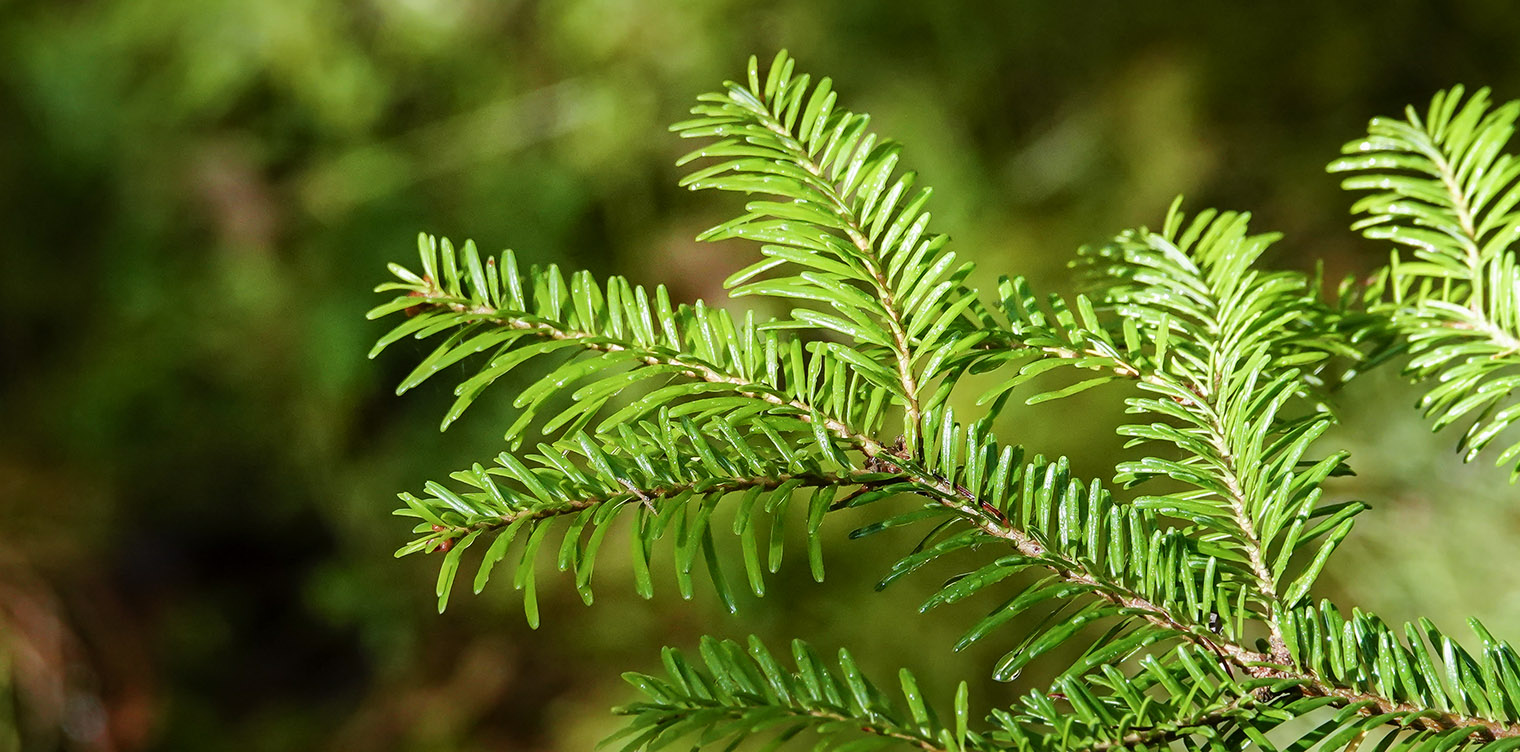
Photo: Adirondack Nature, Google Maps contributor at the Adirondack Mountains.
The Future of Warm-Climate Tree Farming
The landscape of warm-climate Christmas tree farming is continually evolving, with ongoing research into new heat-tolerant varieties and sustainable growing practices. Breeders are actively working on developing conifers that can withstand even greater extremes of heat and drought, ensuring the tradition of real Christmas trees can continue for generations to come. Farmers are also adopting more eco-friendly cultivation methods, focusing on water conservation and organic pest control. This dedication promises an even brighter, greener future for holiday celebrations across the Southern states.
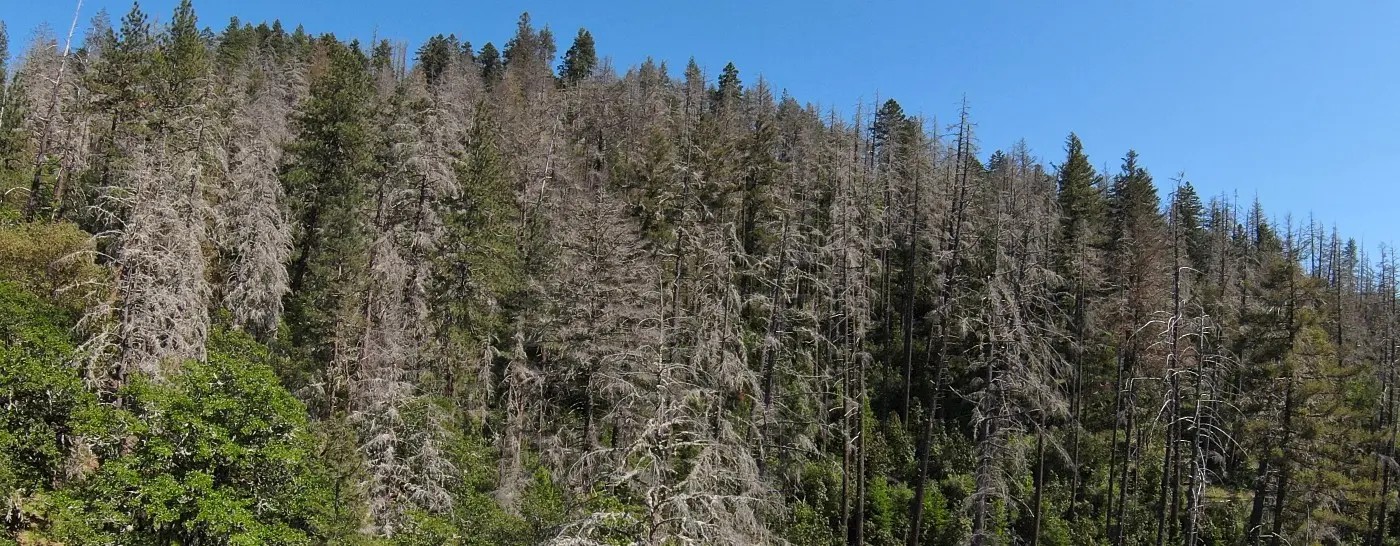
Photo: Oregon State University, Google Maps contributor at Pacific Northwest Douglas fir forest.
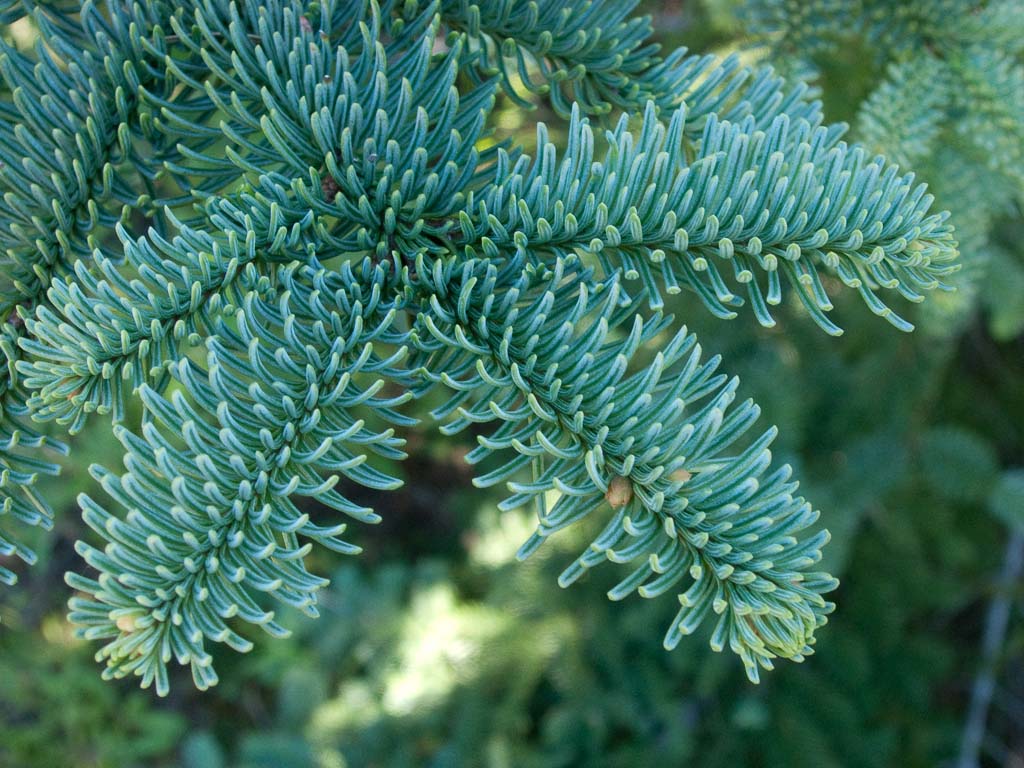
Photo: The Gymnosperm Database, Google Maps contributor at Pacific Northwest noble fir.