Top Christmas Tree Species for Warm US Climates
Published August 7, 2026 · By Christmas Tree Farm Finder
The quest for the perfect Christmas tree is a cherished annual tradition, a fragrant cornerstone of the holiday season; but for those of us living in warmer climates, the journey often involves a different set of considerations. While snow-kissed evergreens define the quintessential Christmas postcard, many southern states enjoy mild winters, posing unique challenges and opportunities for tree growers and families alike. Thankfully, a surprising variety of resilient evergreens thrive in these conditions, offering beauty and festivity without wilting under the sun.
Understanding the Warm-Climate Challenge
Growing Christmas trees in states like Florida, Texas, or California presents distinct hurdles; the primary one being heat. Many traditional northern species, like Balsam Fir or Fraser Fir, require prolonged periods of cold dormancy and struggle with high summer temperatures and insufficient chill hours. Humidity can also be a factor, promoting fungal diseases in susceptible varieties. Soil composition varies widely across these states, necessitating adaptable species that can tolerate a range of pH levels and drainage.
The Need for Heat-Tolerant Varieties
Successful warm-climate Christmas tree farming hinges on selecting species inherently suited to higher temperatures and shorter, milder winters. These trees often possess thicker needles, more robust root systems, or a natural resistance to common southern pests and diseases. Farmers dedicate considerable effort to nurturing these specific varieties, ensuring they grow into healthy, beautiful specimens for families to enjoy. Understanding these efforts can make your selection even more meaningful.
Leyland Cypress: The Southern Superstar
For many warm-climate regions, the Leyland Cypress stands out as an undisputed champion. This fast-growing, hybrid conifer thrives in a wide range of soils and tolerates both heat and humidity remarkably well. Its soft, feathery needles are a dark green, providing a dense, classic Christmas tree silhouette. It holds ornaments beautifully and has minimal needle drop, making for a cleaner holiday season.
Leyland Cypress Characteristics
Leyland Cypress trees grow rapidly, reaching marketable size in just a few years; this makes them an economically viable choice for many growers. They possess a pleasant, mild fragrance, not as strong as some firs but still distinctly evergreen. Their branches are sturdy, ideal for hanging heavier ornaments, and their relatively narrow profile fits well in many homes. Farmers often shear them into classic conical shapes, enhancing their aesthetic appeal.
Arizona Cypress: A Drought-Resistant Choice
Another excellent option for arid or warmer-dry regions, particularly in the Southwest, is the Arizona Cypress. This native species is incredibly drought-tolerant once established and thrives in full sun, making it a natural fit for tough conditions. Its distinctive blue-green foliage and dense, conical shape make it a visually striking tree.
Arizona Cypress Attributes
The Arizona Cypress offers a pungent, invigorating aroma that some describe as lemon-pine; it adds another sensory layer to the holiday experience. Its needles are short and scale-like, similar to a cedar, and its branches are strong enough to support a full array of decorations. This tree’s resilience means less water usage for farmers and a more sustainable choice for environmentally conscious consumers. You can often find them at local Farms Near Me in drier climates.
Eastern Red Cedar: A Native Gem
While not a true cedar, the Eastern Red Cedar (Juniperus virginiana) is a widespread native evergreen across the eastern and central United States; it offers a hardy and aromatic Christmas tree option. It is incredibly adaptable, tolerating poor soils, drought, and a wide range of temperatures. Its dense, dark green foliage and traditional conical shape make it a popular choice.
Eastern Red Cedar Appeal
Eastern Red Cedar needles are typically prickly when young, becoming softer and scale-like with age; this texture provides an interesting contrast. The tree emits a strong, distinctive juniper scent, filling homes with a natural, woodsy aroma. Growers often prune these trees extensively to achieve the desired density and shape, resulting in a robust and long-lasting Christmas tree. This species is often found on farms prioritizing native and low-maintenance options.
Virginia Pine: A Fast-Growing Alternative
For those seeking a more traditional pine look, the Virginia Pine is a fast-growing, southern-adapted species that performs well in many warm climates. It can tolerate a variety of soil conditions and is quite drought-resistant once established. Its short, twisted needles grow in pairs, giving the tree a somewhat bushy appearance.
Virginia Pine for Festivities
Virginia Pines are known for their excellent needle retention, a major plus for busy families during the holiday season. They have a pleasant, if mild, pine scent and strong branches that can hold numerous ornaments. Farmers often start with seedlings and see them reach marketable height relatively quickly, making them a good option for a steady supply of trees. You can browse Christmas tree farms by state to see if this variety is common in your area.
Deodar Cedar: An Elegant Option
The Deodar Cedar, though technically a true cedar, is another beautiful evergreen that can perform well in warmer regions, particularly those with milder winters and good drainage. Its graceful, slightly drooping branches and soft, blue-green needles give it an elegant, distinctive appearance. It’s a slower grower than some other options but offers a unique aesthetic.
Deodar Cedar Characteristics
Deodar Cedars have a wonderful, rich cedar fragrance that can fill a room with holiday cheer. Their branches are sturdy, and the needle retention is generally very good. While perhaps less common on commercial farms than Leyland Cypress, some specialty growers cultivate Deodar Cedars for their unique beauty and appeal. They require a bit more space as they mature, so they are often found on larger properties.
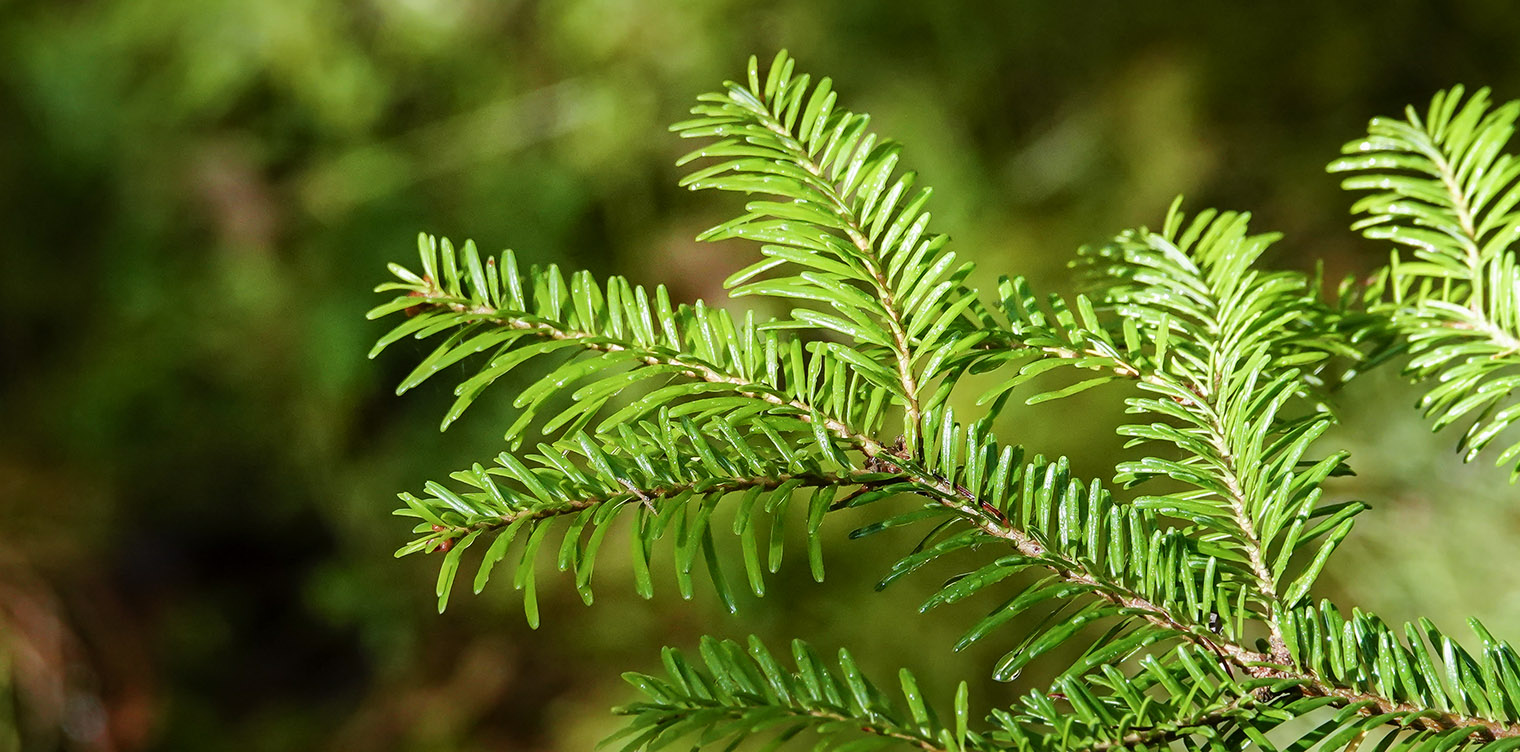
Photo: Adirondack Nature, Google Maps contributor at the Adirondack Mountains.
Considerations for Choosing Your Warm-Climate Tree
When visiting a farm, beyond the species, consider the individual tree's health; look for vibrant color and firm needles. Ask the farmer about their specific growing practices and if the tree was recently cut. Remember that a fresh cut at the bottom and a good water stand are crucial for any tree, especially in warmer ambient temperatures, to ensure maximum longevity. Don't forget your cut-your-own checklist before you head out.
Proper Tree Care in Warm Climates
Even the most heat-tolerant tree needs proper care once it's in your home. Ensure it's placed away from direct heat sources like fireplaces or heating vents, as these will dry it out quickly. Regularly check the water reservoir; some trees, especially when first brought inside, can drink several quarts a day. Misting the needles can also help maintain freshness.
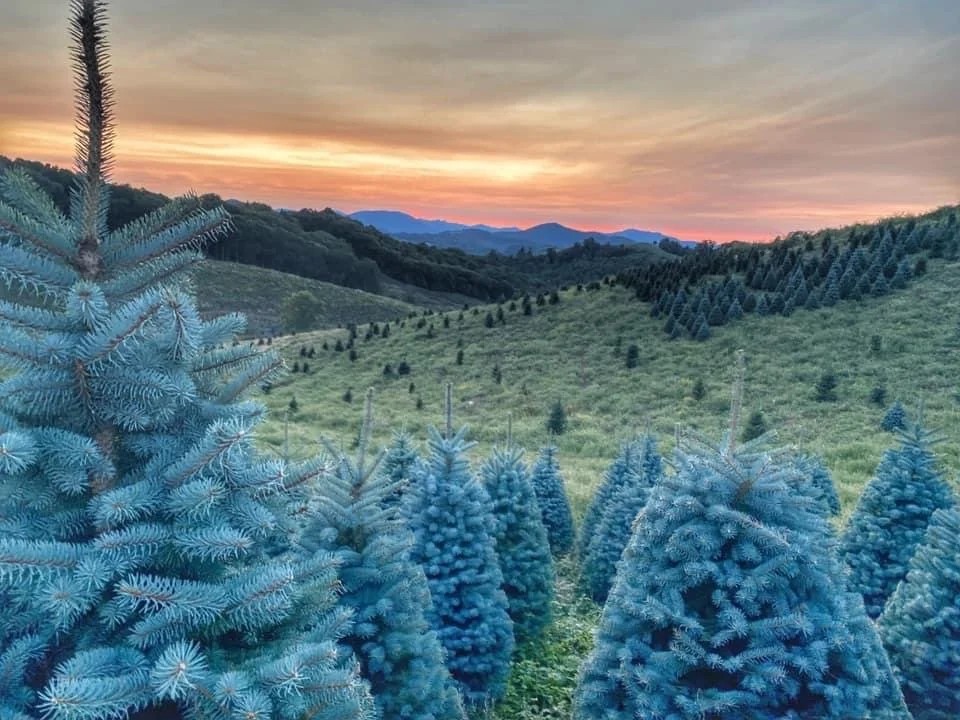
Photo: Mile High Tree Farm, Google Maps contributor at Mile High Tree Farm.
The Value of Local Farms
Supporting local Christmas tree farms, regardless of climate, is a wonderful way to embrace the holiday spirit and contribute to local economies. These farms invest heavily in selecting appropriate species, nurturing them, and providing a memorable experience for families. Many farms offer educational insights into their trees and growing methods; visiting them can become a cherished family tradition. The National Christmas Tree Association provides excellent resources on real Christmas trees and their benefits.
Planning Your Warm-Climate Tree Search
Before heading out, a little research goes a long way. Check your local farm's website or call ahead to confirm which species they grow; this ensures you find the perfect match for your home and climate. Understanding the typical tree species guide for your area can help set expectations and broaden your horizons. Many farms open their gates in late November, so consult a season calendar to plan your visit accordingly. The experience of walking through rows of fragrant evergreens, even under a warm sun, is an unforgettable part of Christmas.
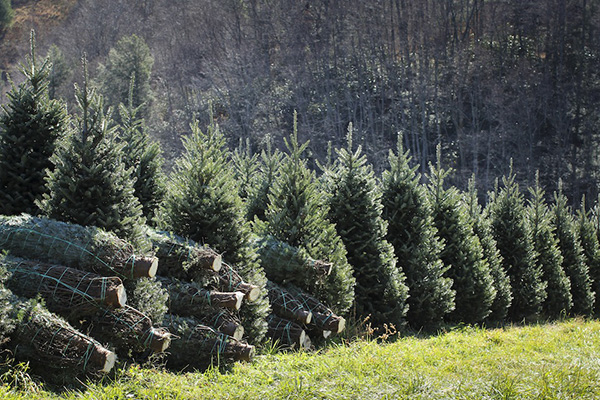
Photo: NC Christmas Tree Association, Google Maps contributor at a North Carolina Fraser fir farm.