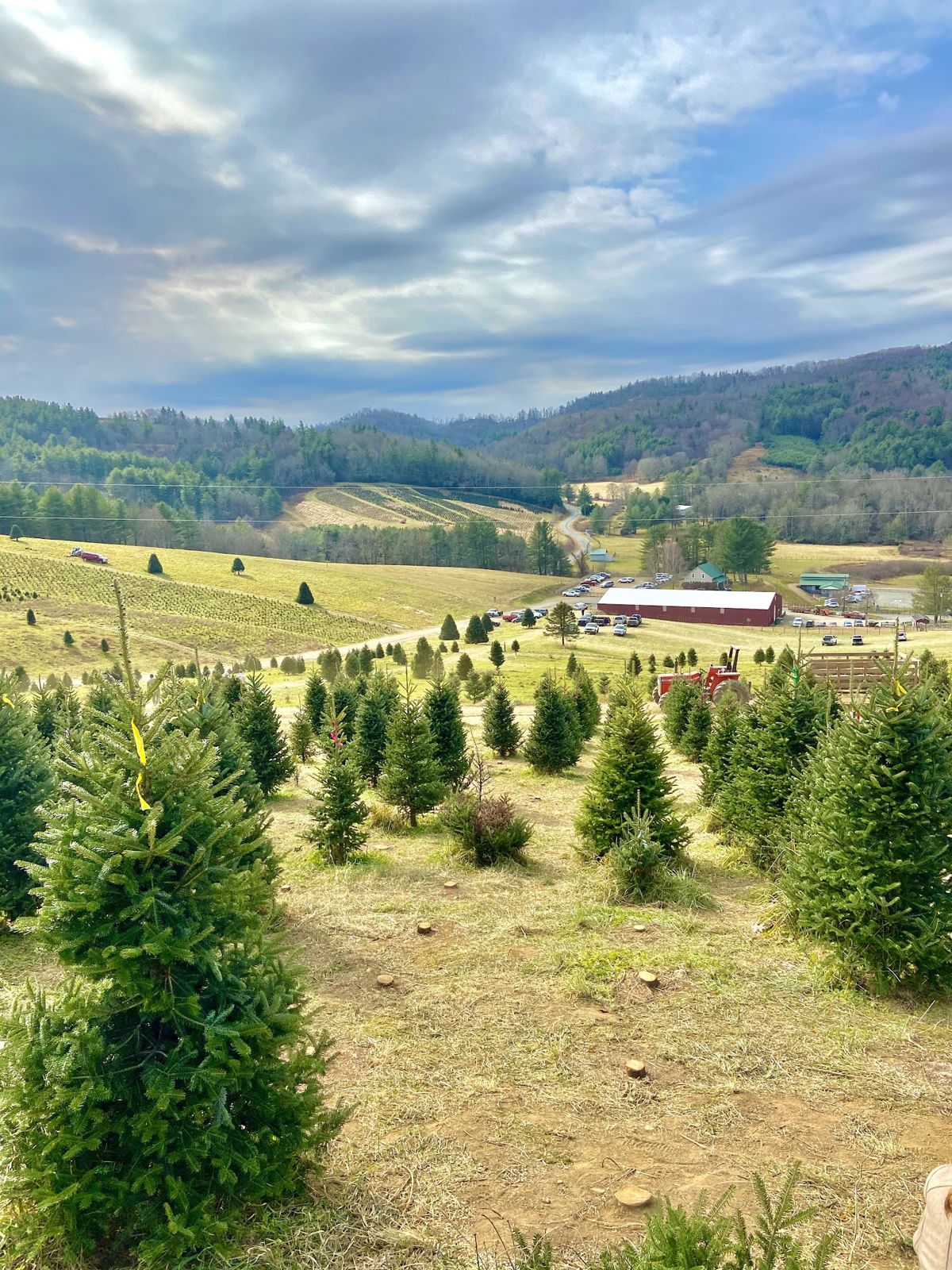
Balsam, Douglas, or Scotch Fir: Which Christmas Tree for Your Home?
Published September 2, 2026 · By Christmas Tree Farm Finder
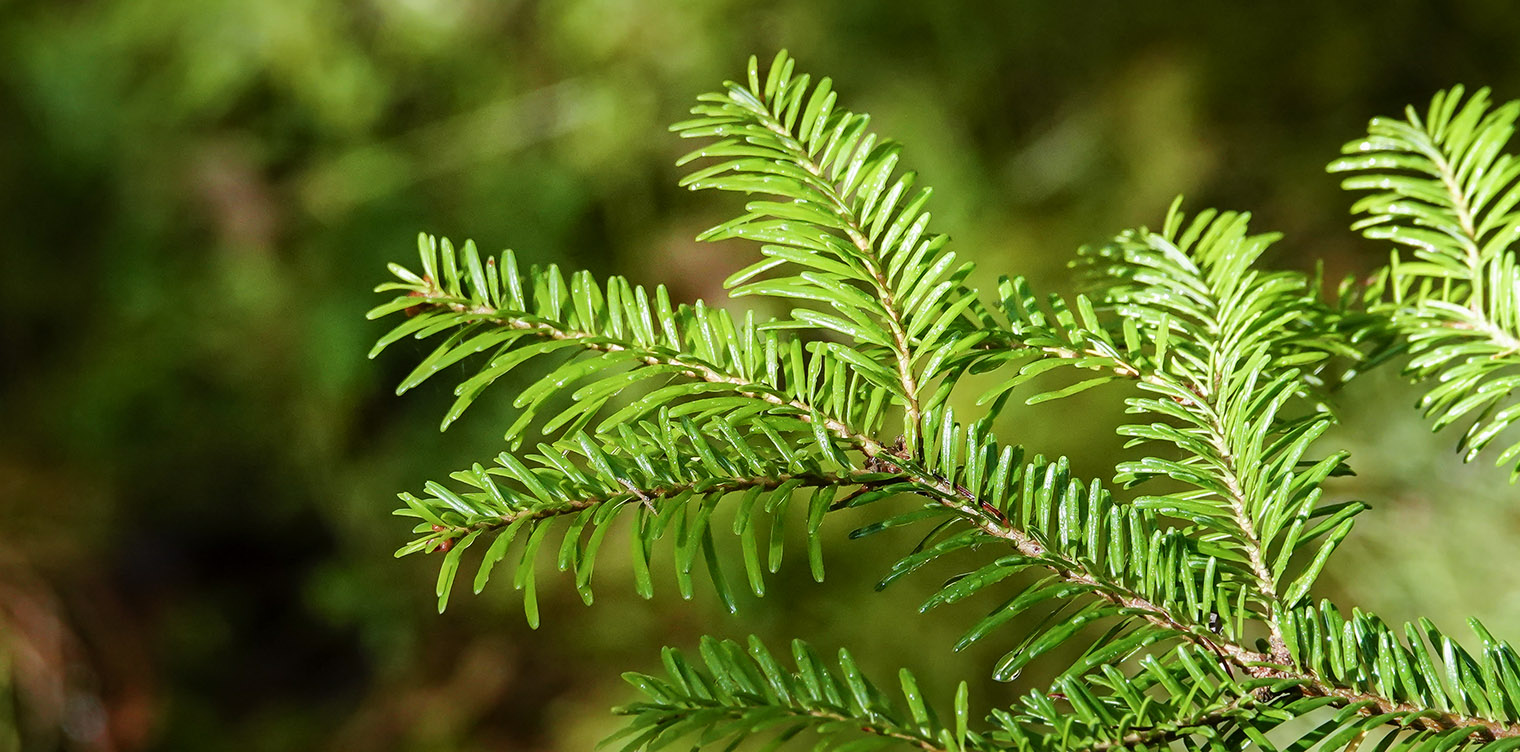
Choosing the perfect Christmas tree is one of the most delightful rituals of the holiday season, a time when families head out to local farms; they walk the rows, breathe in the crisp, pine-scented air, and search for that one special evergreen. For many, this decision often boils down to a classic trio: the stately Balsam fir, the aromatic Douglas fir, or the hardy Scotch pine. Each offers a unique set of characteristics; understanding these differences will help you select the tree that not only looks splendid but also truly feels right in your home.
The Aromatic Balsam Fir: A Scent of Northern Forests
The Balsam fir, with its iconic pyramidal shape and dense, dark-green needles, is perhaps the quintessential Christmas tree for those who cherish a powerful, classic evergreen scent. Walking through a stand of Balsams on a frosty morning, the air is thick with their invigorating fragrance; it's a smell that instantly evokes childhood memories and holiday cheer. This species grows naturally in the colder climates of the northeastern United States and Canada, thriving in damp, rich soils.
Balsam Fir Needle Characteristics
Balsam fir needles are short, flat, and blunt at the tip; they measure about three-quarters of an inch to one inch long. These soft needles are dark green on top with two prominent silvery-white bands on the underside, which give the tree a subtle shimmer as light catches it. The needles are notably soft to the touch, making decorating a more pleasant experience, especially for children or those with sensitive skin. Their excellent needle retention is a hallmark of a well-cared-for Balsam, keeping your living room floor cleaner throughout the season.
Balsam Fir Branch Strength and Shape
The branches of a Balsam fir are fairly stiff and arranged in strong, even whorls, offering good support for ornaments. This structure allows for a balanced distribution of decorations, from delicate glass balls to heavier, handmade treasures. The tree naturally forms a classic cone shape, wide at the base and tapering gently to a neat peak, which makes for a traditional and elegant appearance in any setting. Its robust central leader is perfect for securing a treasured tree topper.
Scent Profile and Longevity of Balsam Fir
The Balsam fir is renowned for its strong, pleasant evergreen fragrance, which is released from the resin blisters on its bark. This potent aroma fills a room with a fresh, woodsy perfume that many consider essential to the Christmas experience. With proper watering, a Balsam fir can maintain its scent and needle retention exceptionally well, often lasting four to five weeks indoors, making it a reliable choice for families who put their tree up early.
The Graceful Douglas Fir: Fullness and Softness
The Douglas fir, despite its common name, is not a true fir but belongs to a different genus, Pseudotsuga. It is, however, one of the most popular Christmas trees in North America, particularly in the Pacific Northwest where it is native. Its appeal lies in its dense, feathery foliage and generally symmetrical shape, presenting a softer, fuller look than some other species. Many Christmas tree farms grow Douglas firs because of their relatively fast growth and adaptability.
Douglas Fir Needle Texture
Douglas fir needles are soft, flat, and flexible; they are about one to one and a half inches long, radiating in all directions from the branch. They are typically dark green to blue-green, without the prominent silvery undersides of the Balsam. When crushed, these needles emit a sweet, citrusy fragrance that is less intense than the Balsam but still distinctly appealing. This softness makes it very gentle on the hands when decorating; it also contributes to its overall plush appearance.
Douglas Fir Branch and Shape Characteristics
Douglas fir branches are fairly strong, though perhaps a little less rigid than the Balsam, allowing for a good display of ornaments without being overly stiff. The tree's shape is generally very dense and conical, often filling out beautifully to provide excellent coverage and hiding the trunk. Its dense foliage means that smaller ornaments might get a bit lost within its depths; however, larger, more prominent decorations will stand out wonderfully. We often advise customers to try their prospective tree for stability by gently nudging it; a good Douglas fir should feel solid.
Scent and Needle Retention of Douglas Fir
The scent of a Douglas fir is a mild, sweet, and somewhat citrusy aroma, distinct from the sharper, piney fragrance of other evergreens. While not as overpowering as a Balsam, it still provides a pleasant, natural ambiance to the home. Its needle retention is excellent; given a constant supply of water, a Douglas fir can easily last three to four weeks, keeping its needles well attached and maintaining its vibrant color throughout the holiday season. Proper care, including using a good cut-your-own checklist before you even head out, significantly extends its lifespan.
The Robust Scotch Pine: Durability and Classic Charm
The Scotch pine, or Scots pine (Pinus sylvestris), is a traditional Christmas tree with a long history; it is actually native to Europe and Asia. In North America, it has been a favorite for its exceptional needle retention, even when dry, and its rugged, classic pine appearance. This tree is known for its stiff branches and distinctive blue-green needles, often with a slight twist. Its durability makes it a practical choice for many families.
Scotch Pine Needle Features
Scotch pine needles are unique; they are two to three inches long, stiff, and grow in bundles of two, often with a noticeable twist. Their color ranges from a deep green to a blue-green, sometimes appearing almost grayish. Unlike the soft needles of firs, these are quite sharp, so decorators might want to wear gloves when handling them. However, this stiffness contributes to their incredible ability to hold onto moisture; it is why they retain their needles so well.
Scotch Pine Branch Strength
The branches of a Scotch pine are notably strong and stiff, jutting out at an upward angle. This characteristic makes them ideal for hanging heavy ornaments; they can bear a considerable weight without drooping. The tree typically has an open, less dense growth habit than firs, which allows for ornaments to be hung deep within the branches and show off their sparkle from all angles. For those who love to display a large collection of heirloom decorations, the Scotch pine is an outstanding choice. You can find many farms growing them when you browse Christmas tree farms by state.
Scent Profile and Lifespan of Scotch Pine
The scent of a Scotch pine is a classic pine fragrance, often described as robust and fresh; it is quite distinct from the sweet smell of firs. It fills the room with a traditional evergreen aroma that is both invigorating and comforting. Perhaps the most celebrated quality of the Scotch pine is its superior needle retention, even if the tree stand occasionally runs dry. This species is famous for holding onto its needles for an incredibly long time, often four to five weeks or more, making it an incredibly resilient option for extended holiday celebrations. A good quality Scotch pine can keep its freshness longer than many other species, making it a low-stress option for families.
Choosing Your Perfect Tree: Considerations for Your Living Room
When deciding among these three popular choices, consider not only their aesthetic appeal but also their practical implications for your home. Think about the size and layout of your living room, the weight of your ornaments, and how important a strong fragrance is to your holiday experience. Some prefer a tree that commands attention with its scent; others prioritize needle retention above all else. Finding the right fit involves balancing these factors.
Size and Space Requirements
Balsam firs tend to be moderately dense and hold a classic pyramidal shape, suitable for most average-sized living rooms. Douglas firs are often very full and dense; they can appear quite broad, so ensure you have enough floor space for its generous girth. Scotch pines, with their more open branching, can sometimes appear less full but offer excellent visibility for ornaments, often fitting well into narrower spaces while still providing a substantial presence. Measure your ceiling height and the available width in your desired tree spot before you head to one of the Farms Near Me locations.
Ornament Display and Durability
If your ornament collection includes many heavy or large decorations, the strong, stiff branches of the Scotch pine are unparalleled in their ability to support weight without sagging. Balsam firs also offer good branch strength for a wide array of ornaments. Douglas firs, while beautiful, have slightly softer branches; they are better suited for lighter ornaments or those distributed more carefully. The choice here depends heavily on your decorating style and the nature of your cherished ornaments.
Scent Preferences and Allergic Sensitivities
For those who crave a robust, traditional pine scent, the Balsam fir is often the top choice, followed by the distinctive aroma of the Scotch pine. The Douglas fir offers a milder, sweeter fragrance. It is worth noting that while these scents are generally delightful, some individuals might have sensitivities or allergies to certain tree species. If this is a concern, a Douglas fir might be a gentler option due to its milder aroma. Always consider how the scent will interact with your home's air quality. For more information on tree characteristics, you can always consult a detailed tree species guide.
After-Holiday Care: Sustainability and Recycling
No matter which magnificent tree you choose, caring for it correctly throughout the season and disposing of it responsibly afterward are crucial. Always place your tree in a stand that holds plenty of water; check the water level daily, especially during the first week when the tree is most thirsty. A properly hydrated tree not only retains its needles longer but also significantly reduces fire risk.
Responsible Tree Disposal
Once the holidays are over, do not simply toss your tree in the trash. Real Christmas trees are biodegradable and can be recycled or repurposed in many beneficial ways. Many communities offer curbside pickup for tree recycling; some even host chipping events where trees are turned into mulch for local parks and gardens. Other options include donating your tree for fish habitat in ponds or using its branches as insulation for garden plants. Check with your local waste management services for specific guidelines and resources on tree recycling in your area. This simple act completes the sustainable cycle of choosing a real tree. As the National Christmas Tree Association points out, real trees are a renewable, recyclable resource; they are often grown on farms that contribute positively to the environment by stabilizing soil and providing wildlife habitat.
Selecting a Balsam Fir Douglas Fir or Scotch
Selecting a Balsam fir, Douglas fir, or Scotch pine is a deeply personal choice; each brings its own distinct charm and benefits to your holiday celebrations. Whether you prioritize a powerful scent, a soft, full appearance, or unparalleled durability, one of these classic evergreens is sure to become the centerpiece of your festive living room. Enjoy the hunt, savor the aroma, and make lasting memories with your perfect Christmas tree.
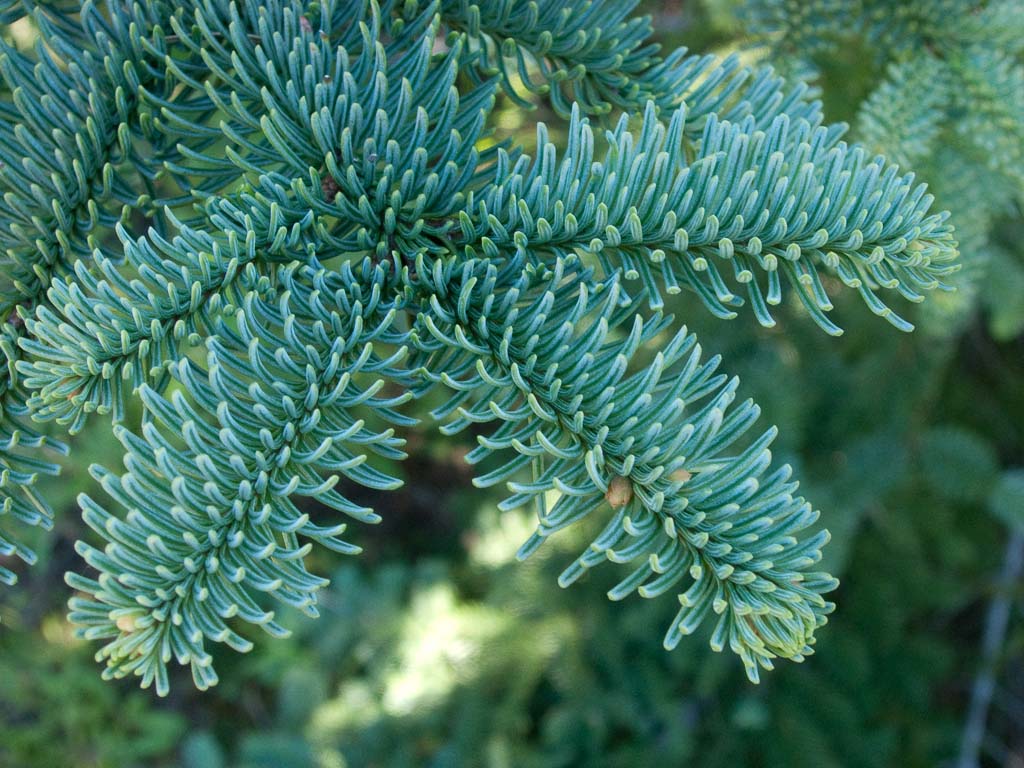
Photo: The Gymnosperm Database, Google Maps contributor at Pacific Northwest noble fir.

Photo: Oregon State University, Google Maps contributor at Pacific Northwest Douglas fir forest.
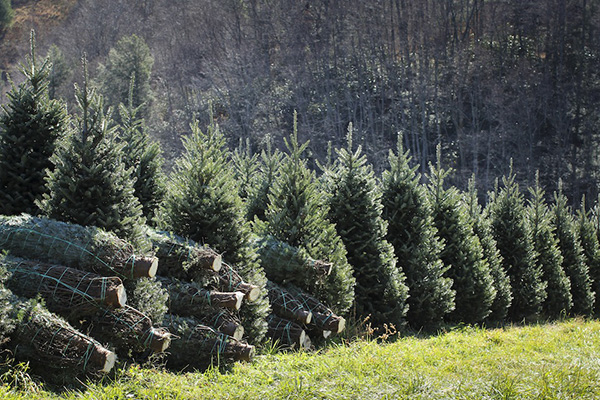
Photo: NC Christmas Tree Association, Google Maps contributor at a North Carolina Fraser fir farm.