Balsam Fir, Douglas Fir, or Scotch Pine: Best Christmas Tree?
Published October 2, 2026 · By Christmas Tree Farm Finder

The crisp air of a winter morning, the scent of pine and spruce, the quiet rustle of boots over frozen grass; these are the sensory memories that define a real Christmas tree hunt. Each year, families across the country venture out to choose the perfect centerpiece for their holiday celebrations, a tradition steeped in warmth and anticipation. But with so many beautiful options, how do you choose the right evergreen to bring home? Let us explore three beloved species, each with unique qualities, to help you decide which fir or pine will best grace your living room this festive season.
The Quintessential Balsam Fir
Balsam Fir: Aromatic Charm
The balsam fir is often the first tree that comes to mind when you think of a classic Christmas tree, and for good reason. Its needles are short, flat, and dark green, arranged in neat rows along the branches; they are soft to the touch, making decorating a pleasure, even for small hands. What truly sets the balsam apart, however, is its incredible fragrance, a sweet, piney aroma that fills a home with holiday cheer, often lasting well into the new year.
Balsam Fir: Branch Structure and Needle Retention
When you're out on the farm, running your hand along the branches, you will notice the balsam fir's sturdy, upward-curving branches. These branches are excellent for holding ornaments, even heavier ones, without drooping. This tree also boasts good to excellent needle retention, especially if it is fresh and well-watered; fewer needles on your floor means more time enjoying the season.
Balsam Fir: Ideal Living Room Fit
Given its strong fragrance and classic conical shape, the balsam fir is an ideal choice for homes where the Christmas tree is a central sensory experience. If you love walking into a room and being immediately greeted by the smell of fresh pine, this is your tree. It is particularly popular in the Northeast and Midwest, often sourced from the abundant forests of Canada and the northern US; you can often find them at many Farms Near Me in these regions.
The Graceful Douglas Fir
Douglas Fir: Soft Appearance
The Douglas fir, despite its name, is not a true fir, but it is certainly a true Christmas tree favorite, especially out west. Its needles are soft, flexible, and usually a vibrant green, radiating in all directions from the branch, creating a very full and feathery appearance. This tree has a gentle, almost fluffy look that softens any room it graces.
Douglas Fir: Scent Profile
While not as intensely aromatic as the balsam, the Douglas fir offers a pleasant, mild scent. Its fragrance is often described as sweet, citrusy, or even slightly fruity, a more subtle perfume than the sharp, traditional pine scent. For those who enjoy a hint of natural evergreen without an overwhelming aroma, the Douglas fir is an excellent compromise.
Douglas Fir: Branch Strength and Decorating Considerations
The branches of a Douglas fir are generally sturdy, but they can be a bit more flexible than a balsam's. This means it can hold a good number of ornaments, but you might want to distribute heavier decorations more evenly or opt for lighter baubles. Its dense foliage often means lights sit beautifully within the branches, creating a warm, glowing effect. When you are looking to browse Christmas tree farms by state, you will find Douglas firs are a common offering in Oregon, Washington, and other Pacific Northwest states.
The Resilient Scotch Pine
Scotch Pine: Robust Needles
The Scotch pine, or Scots pine, is a hardy and enduring favorite, especially for families who appreciate longevity and a more rustic aesthetic. Its needles are a distinct blue-green color, often two to four inches long, and quite stiff; they grow in bundles of two and have a slightly twisted appearance. This texture is unique among popular Christmas trees and gives it a rugged charm.
Scotch Pine: Needle Retention and Allergy Considerations
One of the greatest strengths of the Scotch pine is its exceptional needle retention. Even if you are a bit late with the watering, these trees tend to hold onto their needles impressively well; you will be sweeping up far less often. Also, many people find that pines, including the Scotch pine, cause fewer allergic reactions compared to firs or spruces, making it a good choice for sensitive individuals.
Scotch Pine: Scent and Branch Characteristics
The Scotch pine has a classic, strong pine scent, invigorating and fresh, though perhaps less sweet than a balsam. Its branches are famously stiff and robust, perfect for supporting even the heaviest handmade ornaments or strands of garland. This makes it an ideal tree for families with a large collection of beloved decorations; it provides an excellent canvas for elaborate holiday displays.
The Art of Choosing: Beyond Species
Considering Tree Freshness
No matter which species you prefer, freshness is paramount. A fresh tree will hold its needles longer, smell stronger, and simply look better throughout the season. When you are at the farm, run your hand along a branch; if needles fall off easily, that tree is not fresh. Lift the tree a few inches off the ground and gently tap the trunk on the ground; very few green needles should fall. For more tips on choosing a healthy tree, consider consulting a cut-your-own checklist.
Tree Size and Living Space
Before you even leave for the farm, measure your ceiling height and the width of the space where the tree will stand. Remember to account for the tree stand and any topper; a seven-foot tree might not fit comfortably under an eight-foot ceiling with a star on top. Many farms have measurement poles to help you visualize; do not be afraid to ask for help. A tree that looked perfect in the wide-open field can feel enormous in your living room.
Watering Your Tree for Longevity
Once you bring your chosen tree home, immediately place it in water. Cut a fresh, thin slice off the bottom of the trunk (about half an inch) before placing it in the stand; this reopens the tree's pores, allowing it to drink water more efficiently. A fresh tree can drink a gallon of water in the first 24 hours, so check the reservoir frequently, especially during the first week. Maintaining consistent hydration is key to good needle retention and a lasting fragrance.
The Role of Personal Preference
Ultimately, the best Christmas tree for your home is the one that brings you the most joy. Perhaps you cherish the strong, sweet scent of a balsam, evoking memories of childhood holidays. Maybe the soft, graceful appearance of a Douglas fir aligns with your decorating style. Or perhaps the steadfast nature of a Scotch pine, with its sturdy branches and long-lasting needles, fits your family's needs perfectly. Each tree has its own story; your task is to find the one that will help you tell yours this Christmas. You can learn more about tree characteristics and growth patterns through our tree species guide.
Responsible Sourcing and Sustainability
When you buy a real Christmas tree from a local farm, you are not just getting a beautiful decoration; you are also supporting local agriculture and sustainable practices. Christmas tree farms are often carefully managed, with new trees planted for every one harvested, ensuring a continuous supply and healthy forest ecosystems. Real trees also absorb carbon dioxide and release oxygen as they grow. After the holidays, most communities offer tree recycling programs, turning your tree into mulch or other useful products, completing a truly green cycle. For more information on the environmental benefits of real trees, visit the National Christmas Tree Association.
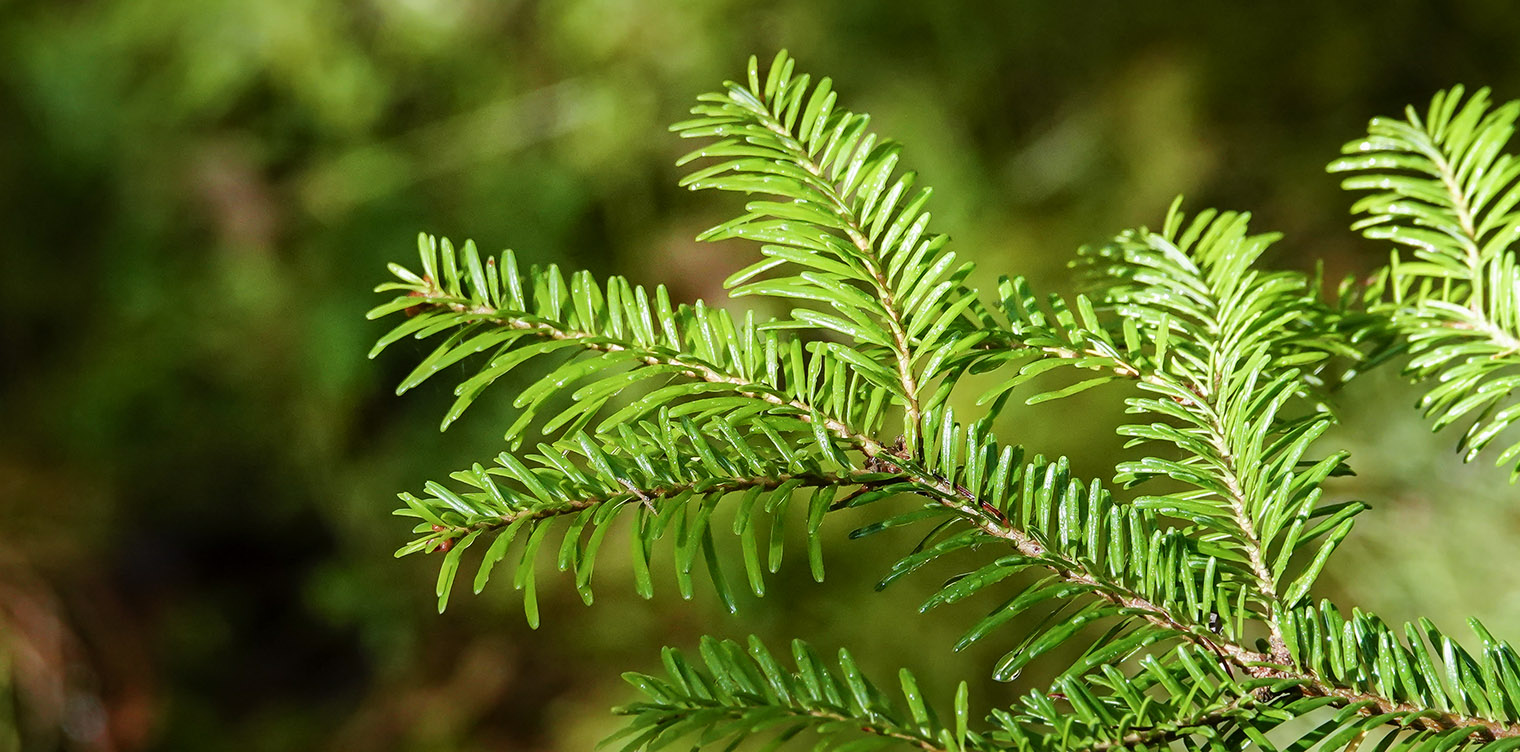
Photo: Adirondack Nature, Google Maps contributor at the Adirondack Mountains.
Making it a Family Tradition
The journey to the Christmas tree farm is more than just a shopping trip; it is an annual pilgrimage, a chance to reconnect with nature and create lasting family memories. The laughter, the cold fingers, the triumph of finding "the one"—these moments are what the season is truly about. Whether you opt for the aromatic balsam, the soft Douglas, or the sturdy Scotch, the experience of choosing and bringing home a real tree adds a profound layer of warmth and authenticity to your holiday celebrations.
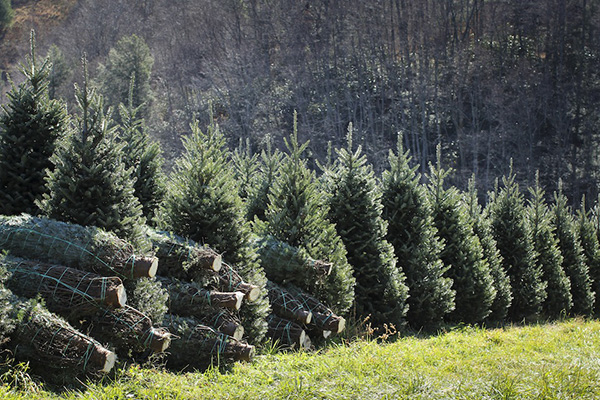
Photo: NC Christmas Tree Association, Google Maps contributor at a North Carolina Fraser fir farm.
Bringing Your Tree Home and Beyond
Transportation and Care
Once you have chosen your perfect tree, ensure it is properly secured for the ride home. Many farms will wrap your tree in netting, which helps protect the branches and makes it easier to transport. Drive carefully, especially if the tree is on the roof of your car. Once home, if you are not putting it up immediately, store it in a cool, unheated area like a garage or porch, standing it in a bucket of water. This helps maintain its freshness until you are ready to decorate.
Enjoying the Season
With your tree proudly standing in your living room, adorned with lights and ornaments, you can truly embrace the festive spirit. The subtle scent, the gentle glow, the quiet presence of a real tree transforms a house into a home, imbuing it with the magic of Christmas. Remember to keep the water reservoir full, check the lights periodically, and simply enjoy the beauty and warmth it brings.
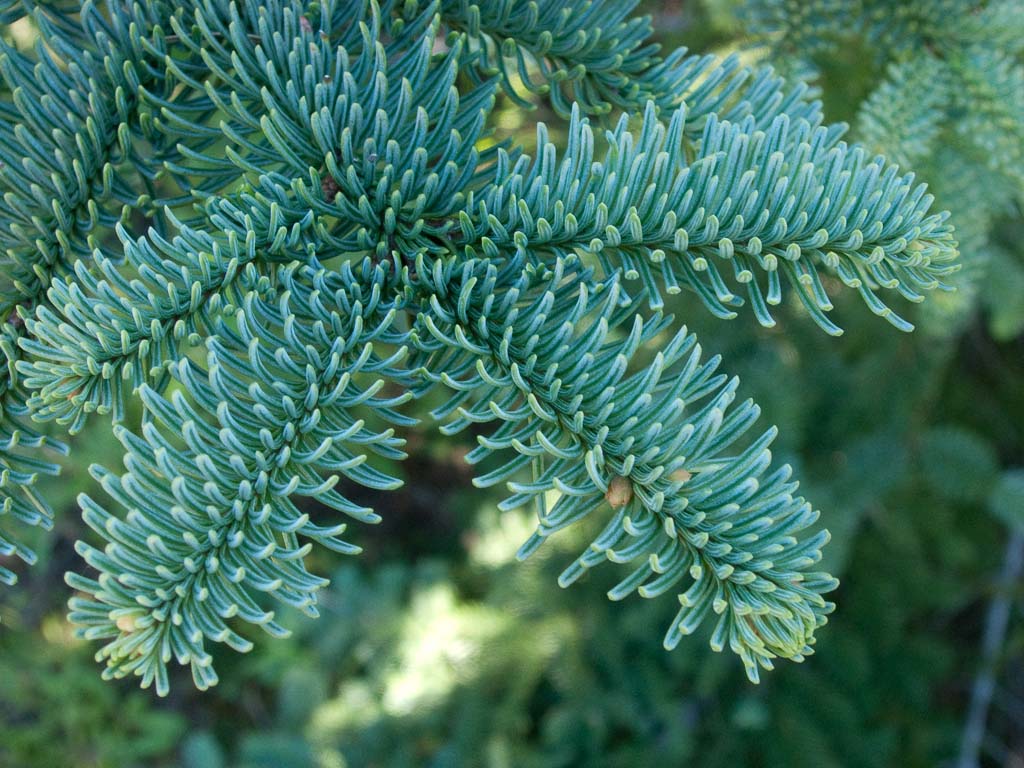
Photo: The Gymnosperm Database, Google Maps contributor at Pacific Northwest noble fir.