Smart Christmas Tree Fire Safety Tips For a Festive Season
Published September 30, 2026 · By Christmas Tree Farm Finder

The crisp air of a late autumn day on a Christmas tree farm; it’s a scent that stays with you, a blend of pine needles, damp earth, and anticipation. There's an undeniable magic to bringing a living tree into your home during the holidays; it's a tradition steeped in warmth and light. While the thought of a tree fire can cast a shadow, it’s far more likely you'll spend your holidays untangling lights than confronting an emergency, especially with a few simple precautions.
Understanding the True Risk
The image of a Christmas tree bursting into flames is dramatic and often overblown, a cinematic trope rather than a common reality. Statistics from the National Fire Protection Association (NFPA) consistently show that Christmas tree fires are exceedingly rare, accounting for a minuscule fraction of all house fires. Most incidents that do occur are preventable; they often stem from electrical issues or trees left to dry out completely.
The Low Incidence of Tree Fires
For context, consider the millions of real Christmas trees displayed in homes across the country each year; the actual number of reported tree fires is remarkably low. The average number of home fires involving Christmas trees is around 160 per year, which is a tiny percentage of the total number of trees sold. This data should offer considerable reassurance, allowing you to enjoy your tree without undue anxiety.
Dispelling Common Myths
One persistent myth is that any real Christmas tree is inherently a massive fire hazard waiting to happen. This isn't true; a well-hydrated tree is quite resistant to ignition. The primary danger arises when a tree is allowed to become bone dry, turning its needles into kindling, but this state is entirely avoidable with proper care.
Choosing a Healthy Tree
Your fire safety journey begins right there on the farm, amidst the rows of fragrant evergreens. A healthy tree is a safe tree, and knowing what to look for will help ensure your holiday centerpiece remains vibrant and less susceptible to drying out prematurely.
Assessing Freshness on the Farm
When you're out searching for that perfect specimen, whether you're at one of the many Farms Near Me or exploring a new region, pay close attention to the tree’s overall vitality. Needles should be pliable and green, not brittle or discolored; a gentle tug on a branch should leave few needles in your hand. The trunk cut should also appear fresh, indicating a recent harvest or good care on the lot.
The "Snap" Test
A simple yet effective way to gauge a tree's freshness is the "snap" test. Bend a needle or a small outer branch; if it bends without snapping, the tree is fresh and moist. If it snaps cleanly and easily, that tree has already begun to dry out, making it a less ideal choice for prolonged indoor display.
Proper Tree Care at Home
Bringing your chosen tree home is just the beginning; its continued freshness depends entirely on the care you provide. Think of it like any other live plant you bring indoors; it needs sustenance to thrive.
Making a Fresh Cut
Once you get your tree home, before placing it in its stand, saw off about an inch or two from the bottom of the trunk. This fresh cut opens up the tree's pores, allowing it to absorb water more efficiently; it’s a crucial step often overlooked. Without it, dried sap can block water uptake, leading to premature needle drop.
Consistent Hydration is Key
After the fresh cut, immediately place the tree in a sturdy stand designed to hold plenty of water. Check the water level daily, especially during the first week when trees are most thirsty, refilling as needed. A well-hydrated tree is the single most effective fire deterrent you can employ; it significantly reduces flammability.
Choosing the Right Stand
A good tree stand isn't just about stability; it's also about water capacity. Opt for a stand that can hold at least a gallon of water, preferably more for larger trees. The stand should also have a wide, stable base to prevent tipping, protecting both your tree and any precious ornaments.
Strategic Tree Placement
Where you put your tree in your home matters significantly, not just for aesthetics but for safety. A well-placed tree minimizes risks and maximizes enjoyment.
Avoiding Heat Sources
Keep your tree far away from fireplaces, heating vents, radiators, and space heaters; these heat sources can accelerate drying and increase fire risk. A minimum distance of three feet is often recommended, giving a safe buffer. Also, ensure the tree isn't blocking exits or high-traffic areas, which could impede escape in an emergency.
Ensuring Electrical Safety
When considering the magic of illuminated branches, thoughtful attention to your lighting choices is essential. Use only lights specifically designed for indoor use on Christmas trees; older, worn-out light strands with frayed wires or cracked sockets should be replaced without hesitation. LED lights are an excellent choice, as they produce very little heat, greatly reducing any potential hazard.
Light and Electrical Safety
Illuminating your tree is a cherished part of the holiday season, but it requires careful attention to electrical safety. Faulty lights or improper usage are common culprits in the rare instances of tree fires.
Inspecting Your Lights Annually
Before draping any lights on your tree, take a moment to inspect each strand carefully. Look for frayed wires, broken bulbs, or loose connections; these are all indicators that the strand should be discarded. Even seemingly minor damage can create a spark or short circuit, so it's better to err on the side of caution.
Overload Prevention
Never overload your electrical outlets; this is a general home safety rule that applies doubly during the holidays when many extra lights and decorations are in use. Use only a limited number of light strings per extension cord and avoid connecting too many strands end-to-end. If you're unsure about the limits, check the manufacturer's instructions on your light strings.
Smart Timer Use
Consider using a timer for your Christmas tree lights. This not only saves energy but also ensures the lights are off when you're asleep or away from home, removing any potential fire risk associated with unattended electrical decorations. Plug lights into a power strip with a surge protector; this offers another layer of protection.

Photo: Oregon State University, Google Maps contributor at Pacific Northwest Douglas fir forest.
Monitoring and Maintenance
Even after your tree is up and decorated, a bit of ongoing attention ensures its safety throughout the holiday season. Think of it as periodic check-ups for your festive focal point.
Regular Needle Checks
Periodically check the needles on your tree. If they become brittle and fall off easily when touched, it’s a clear sign the tree is drying out, even if the water reservoir is full. Some trees may stop absorbing water due to a natural seal; if this happens, you might need to make another fresh cut.
Water Levels and Refills
Make it a daily habit to check the water level in your tree stand. A fresh tree can drink a surprising amount of water, particularly in the first week. Allowing the water reservoir to go dry for even a short period can cause the trunk to seal over, making it unable to absorb water again.
Safe Lighting Practices
Beyond the health of your tree, the way you use lights and candles around it plays a significant role in maintaining a safe environment. Foresight here prevents unforeseen problems.
Opting for LED Lights
As mentioned earlier, LED Christmas lights are a fantastic safety upgrade. They consume less electricity, last longer, and, crucially, generate very little heat compared to traditional incandescent bulbs. This reduces the risk of overheating and lessens the chance of drying out nearby needles.
Avoiding Open Flames
While real candles on a Christmas tree are a beautiful tradition in some cultures, they pose a significant fire risk and are strongly discouraged in modern homes. Even candles placed near the tree can be dangerous if a branch brushes too close or a stray spark flies. Opt for battery-operated LED candles if you love the look of flickering flames; these offer all the ambiance with none of the danger.
End-of-Season Disposal
The holidays eventually conclude, and when they do, safe disposal of your tree is as important as its initial setup. A drying tree left indoors after the New Year becomes a much greater fire hazard.
Prompt Removal
Once the holiday season officially wraps up – generally shortly after New Year’s Day – remove your tree from your home promptly. The longer a tree stays indoors, especially with the constant warmth of central heating, the drier it becomes, making it increasingly flammable. Don't procrastinate on this step.
Local Recycling Programs
Instead of tossing your tree, look into local recycling or mulching programs. Many municipalities offer curb-side pickup or designated drop-off points for Christmas trees; this is not only environmentally responsible but also ensures the tree is safely disposed of, preventing it from becoming a post-holiday hazard. Our tree recycling guide can offer more details on finding options in your area.
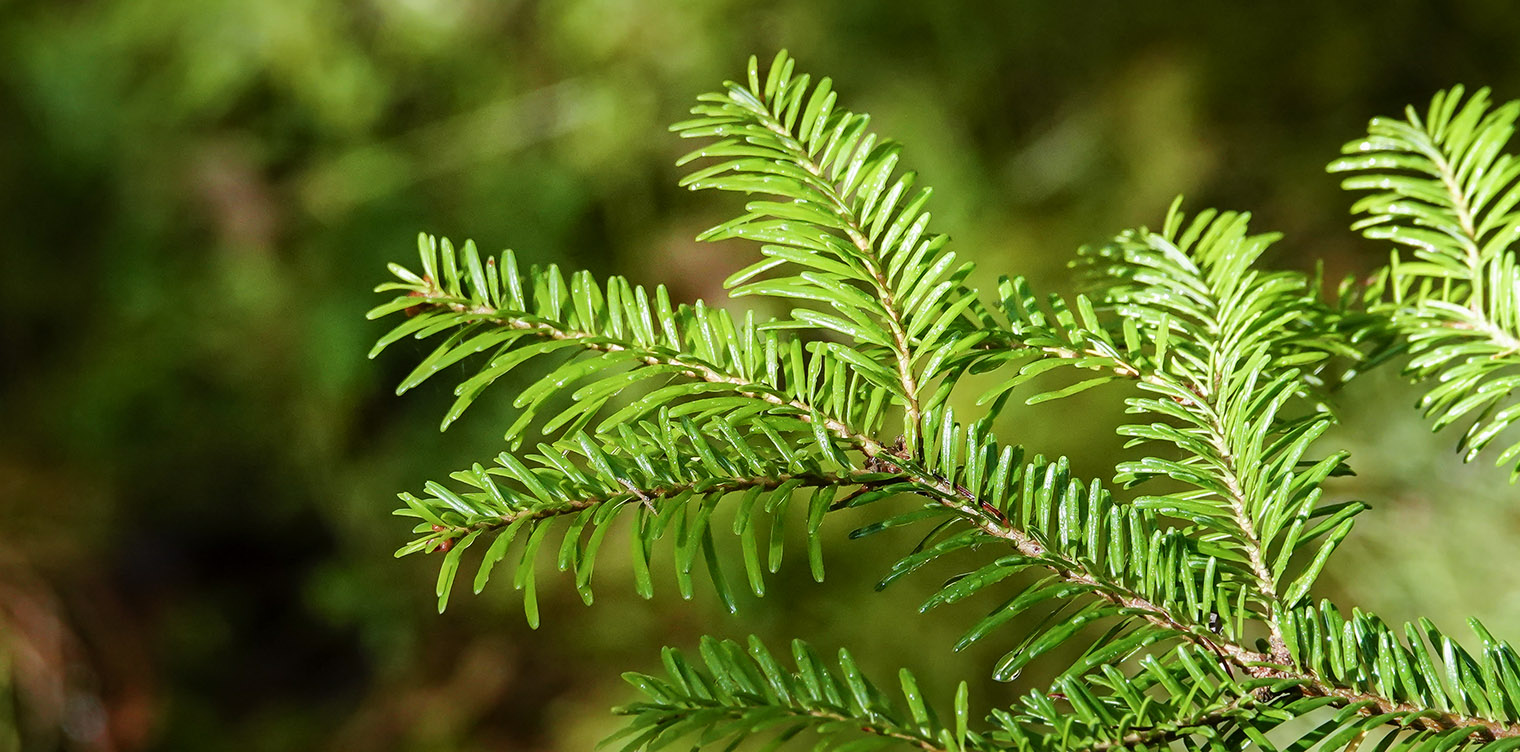
Photo: Adirondack Nature, Google Maps contributor at the Adirondack Mountains.
Empowering Yourself with Knowledge
Christmas tree fires are rare occurrences, often preventable with a dose of common sense and a few straightforward steps. By choosing a fresh tree, keeping it hydrated, using safe lights, and understanding your local season calendar for tree pickup, you significantly reduce any potential risk. Armed with this knowledge, you can confidently embrace the beauty and tradition of a real Christmas tree, turning your focus to the joy and wonder of the holiday season, rather than worrying. For more resources on tree care and selection, consider exploring reliable sources like the National Christmas Tree Association or our own comprehensive tree species guide for finding the perfect evergreen.
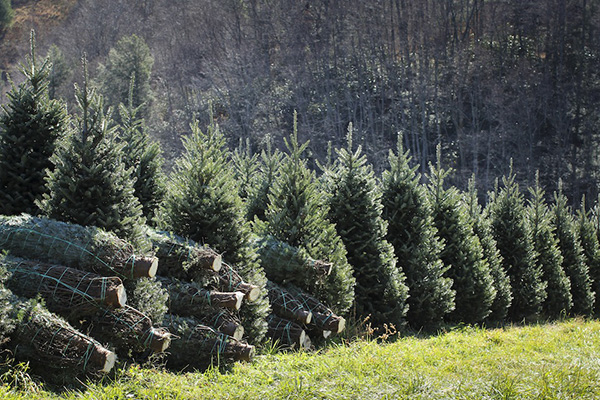
Photo: NC Christmas Tree Association, Google Maps contributor at a North Carolina Fraser fir farm.