How to Recycle Your Christmas Tree After Holiday Festivities
Published November 13, 2026 · By Christmas Tree Farm Finder
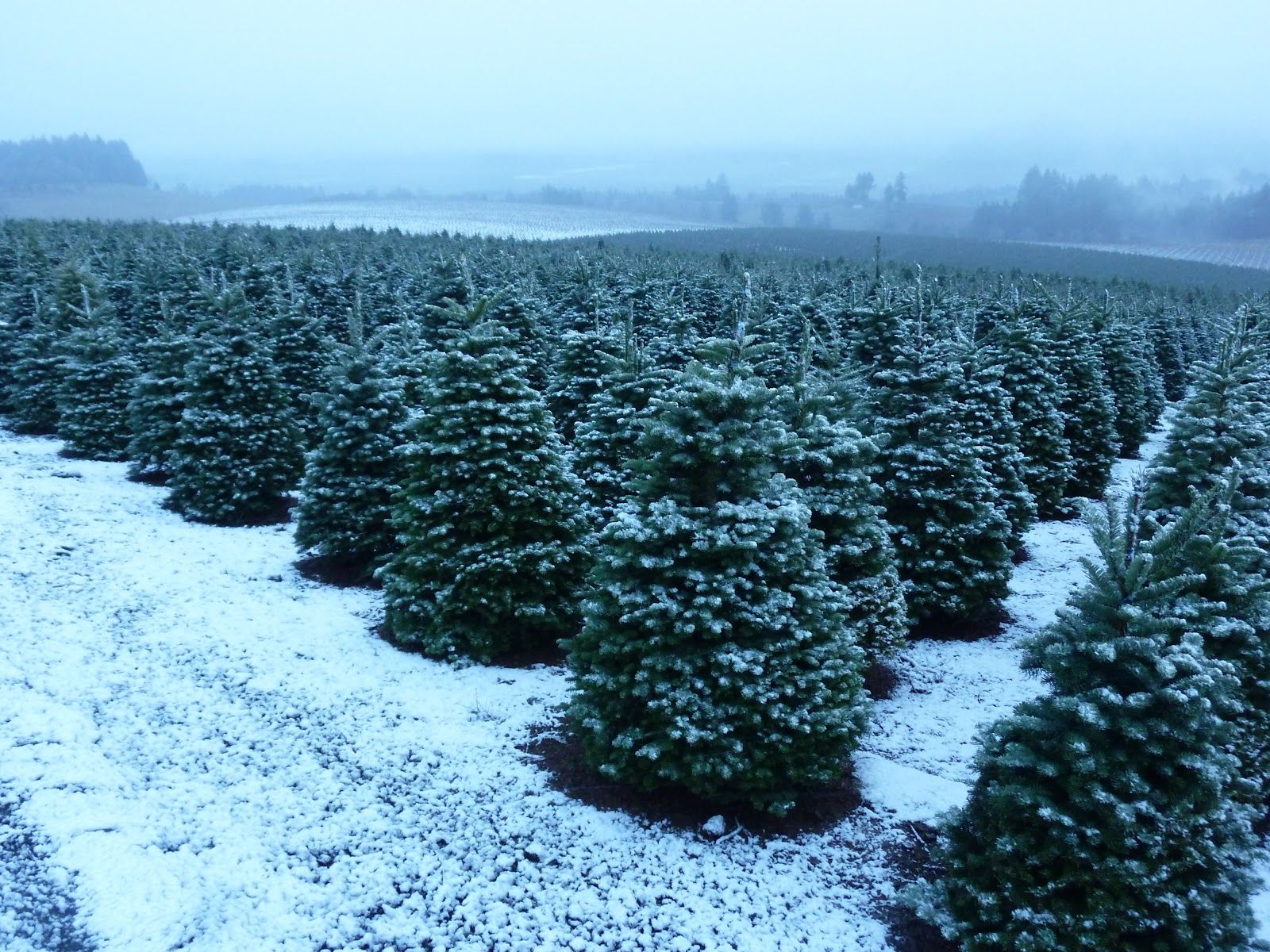
Walking out across the rows in January reveals quiet acreage resting beneath winter frost; the harvest rush has ended, and growers are already planning their spring plantings. Back in living rooms across the country, millions of cut evergreens stand stripped of their heirloom ornaments and strings of lights. Disposing of that centerpiece does not mean hauling it out for a landfill tomb; real timber belongs back in the natural biological cycle.
The Natural Lifecycle After Twelfth Night
A cut tree is an organic crop, grown over nearly a decade through wind, rain and sunshine. When you take down the garland, the wood remains packed with nitrogen, carbon and organic matter that soil microbes crave. Reclaiming those nutrients prevents municipal waste systems from clogging; it completes a sustainable loop between rural farms and suburban living rooms.
Stripping Away the Non-Biodegradable Clutter
Every single hook, wire strand and glass bauble must come off before any processing machine touches the wood. Stray tinsel wraps around the whirling steel drums of commercial chippers; operators must shut down the machinery to cut tangled ribbons free. A bare tree feeds the soil safely, but a single neglected ornament hanger can break heavy equipment and foul an entire batch of mulch.
Why Tinsel and Artificial Flock Ruin Green Waste
Spray-on snow looks picturesque in December windows, but it creates a disaster at the municipal recycling yard. Artificial flocking consists of synthetic polymers and adhesives that will not break down in an open compost windrow; commercial composting outfits reject these coated branches immediately. Trees sprayed with synthetic coatings or wrapped in metallic garlands belong in standard trash collection, because introducing them into green waste contaminates the resulting compost for gardeners across your county.
Working with Municipal Chipping Days
Most city sanitation departments run curbside collection programs throughout the first three weeks of January. Crews run neighborhood routes with industrial chippers, turning thousands of culled evergreens into fresh public park mulch within seconds. You can learn more about standard municipality protocol through our comprehensive guide on tree recycling before setting your trunk on the asphalt.

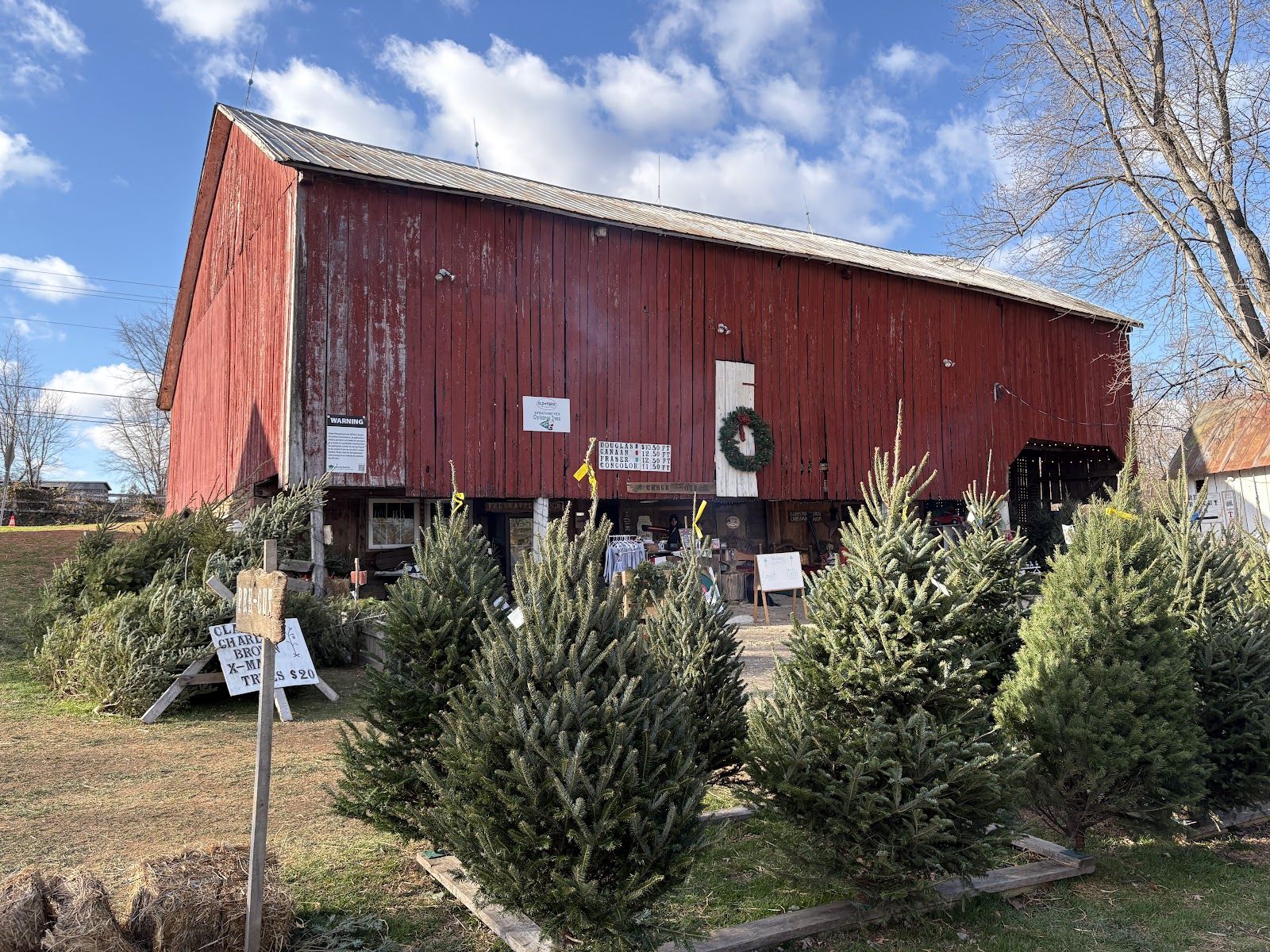
Photo: Eric Schaeffer, Google Maps contributor at Wooden Jetty Christmas Tree.
Preparing the Trunk for City Chipper Blades
Remove the heavy stand completely; nails or screws left in the base will shatter industrial blades. Municipal workers work quickly during freezing mornings, and they will bypass any tree wrapped in plastic storage bags or netting. Lay the bare tree directly at the curb line with the thick trunk butt facing the street so collection crews can feed it butt-first into the hopper.
Drop-Off Depots Across Counties
Suburban and rural residents without curbside services can haul their timber to centralized drop-off depots, often hosted at county fairgrounds, transfer stations or public parks. These collection yards stockpile massive heaps of firs and pines through late winter; county highway departments grind the material in bulk for spring roadbank stabilization. Before strapping the evergreen to your vehicle roof, check operating hours and local requirements to confirm accepted drop dates.
Locating Drop Points via Regional Directories
If your local city hall does not publish an obvious collection calendar, agricultural listings and regional farm associations often step into the information gap. You can browse Christmas tree farms by state to discover local growers who host community drop days right at their access gates. Farmers know how to handle timber cleanly; they often partner with township conservation boards to provide open drop sites for nearby towns.
Transforming Evergreens in Your Home Landscape
You do not need to ship that wood off your property if you keep a garden or maintain a compost pile. Homeowners with basic hand tools can process a standard six-foot conifer into valuable organic matter over a single weekend. The wood that perfumed your home for weeks can insulate your perennials through the coldest stretches of February.
Winter Mulch for Sensitive Acid-Loving Perennials
Snip the smaller branches from the main trunk with sharp hand pruners, cutting close to the central stem. Lay these fragrant boughs in overlapping layers above your dormant blueberry bushes, azaleas, rhododendrons and strawberry beds. The branches allow gentle air circulation while sheltering root crowns from the brutal freeze-and-thaw cycles that heave soil in early spring.
Branch Boughs as Insulating Frost Blankets
Snow acts as an insulator, but bare wind sweeps moisture right out of dormant perennial crowns. Placing conifer boughs over tender ground covers shields delicate foliage from drying arctic gales; needles trap autumn leaves beneath them and create a balanced microclimate. When spring warmth arrives in April, lift the dried boughs away to reveal vigorous green shoots ready for the growing season.
Needle Shedding and Soil Chemistry Truths
Many gardeners fear that pine or fir needles will drastically lower their soil pH and damage garden beds, but that anxiety is largely unfounded. As dry conifer needles break down, soil microbes neutralize the organic acids naturally; the final composted leaf mold sits remarkably close to neutral. If you study our tree species guide, you will see that different varieties drop needles at varying rates, but all of them break down into safe humus over time.
Donating Trees to Local Habitats and Wildlife
Suburban developments often clear out wild thickets, leaving winter wildlife without structural protection against driving blizzards and hungry predators. Your spent tree offers dense shelter at the exact moment small birds, field mice and beneficial insects need protection most. Moving the cut tree into your woodlot or far garden corner creates an immediate sanctuary.
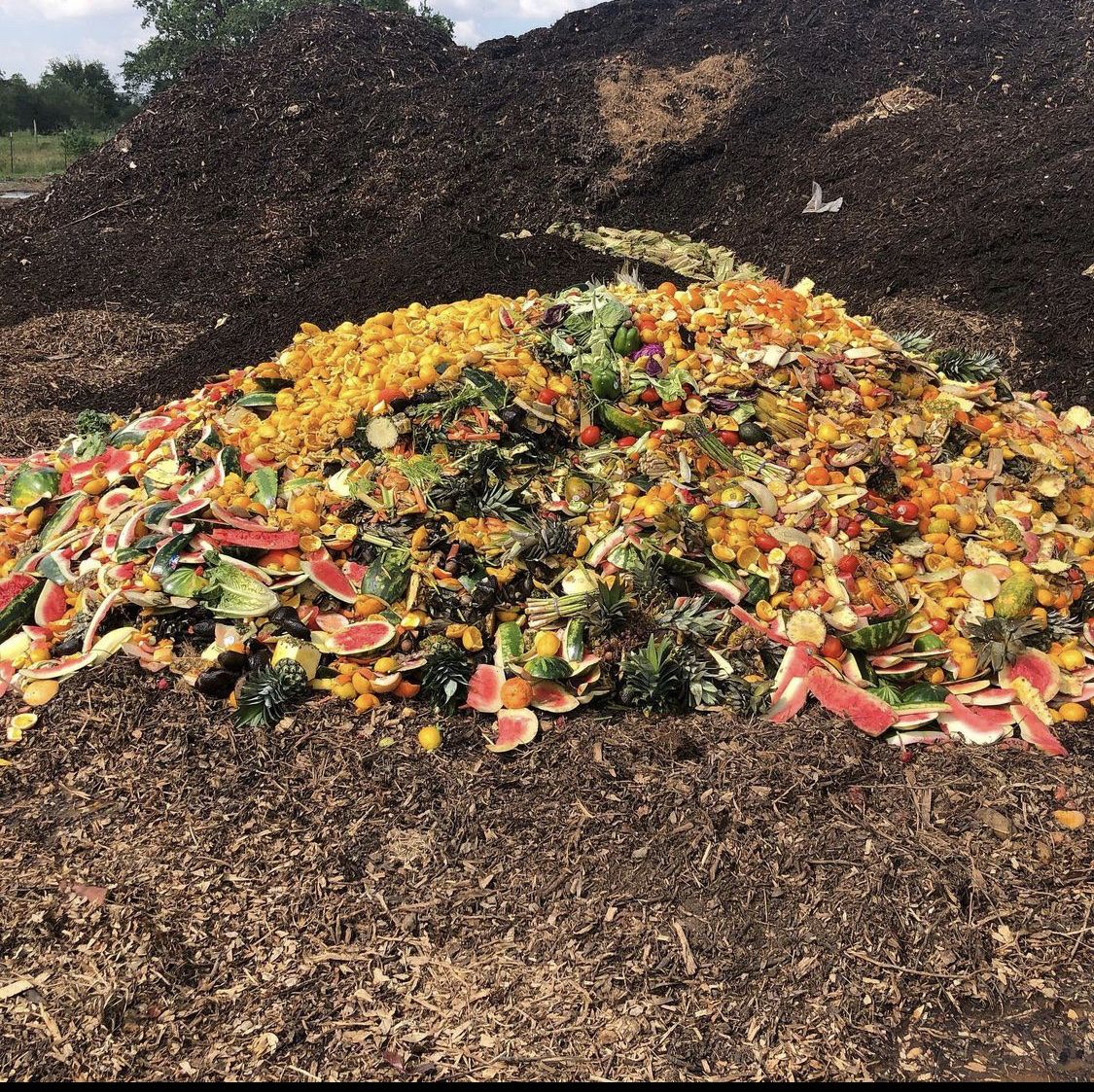
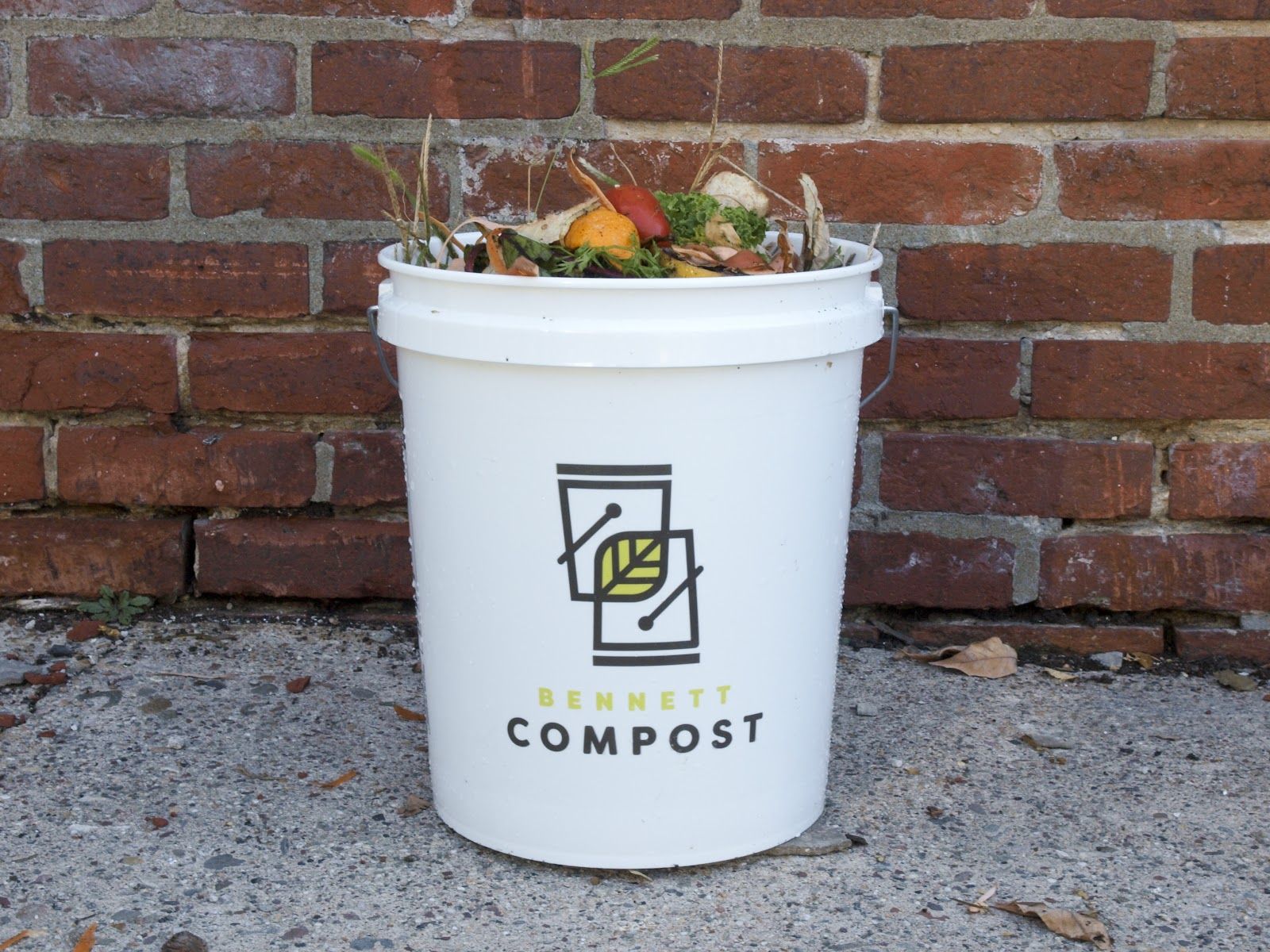
Photo: Farm Dirt Compost, Google Maps contributor at Farm Dirt Compost.
Constructing Winter Brush Piles for Songbirds
Prop the tree upright against a sturdy fence post or lash it securely to a garden stake near your winter bird feeders. String the branches with suet blocks, dried orange slices and pine cones rolled in peanut butter and coarse sunflower seeds. Black-capped chickadees, nuthatches and juncos will use the interior lattice as a windbreak while feeding on your winter offerings.
Sinking Trunks into Private Ponds for Fish Habitat
Anglers and private pond managers prize old evergreens as natural fish attractors. By weighting the butt of the trunk with a cinder block and wiring it securely, property owners sink trees into deep water zones where bottom structure is sparse. The submerged branches create an immediate nursery for crappie, bluegill and bass fingerlings, shielding them from larger predators and promoting aquatic insect growth.
Dune Restoration and Coastal Erosion Projects
Communities along the Atlantic coast, the Gulf and the Great Lakes frequently collect discarded evergreens to preserve fragile beach topography. Coastal winds blow loose sand across dunes; discarded trees pinned in lines along the sand catch those blowing grains and build protective ridges. Over time, the buried pine boughs decompose and nourish wild sea oats, anchoring vulnerable barrier islands against seasonal storm surges.
Crafting and Fire Pit Uses for Seasoned Timber
The trunk of an evergreen represents solid, dense firewood once it loses its initial moisture content. Many families choose to turn the harvest into fuel or backyard craft stock; doing so keeps the holiday memory alive for months after the season passes. Patience is necessary here, because green sap behaves very differently from seasoned hardwood.
Why Fresh Pine Belongs Outside Your Indoor Hearth
Never burn green evergreen wood in your living room fireplace or airtight wood stove; the high resin content generates intense creosote deposits that coat chimney flues and trigger dangerous structural fires. Conifer branches also pop and shoot hot sparks through open screen doors as boiling moisture pockets burst inside the wood. Cut the trunk into splitting lengths, stack it off the damp ground, and allow it to season thoroughly for your open outdoor fire pit next autumn.
Rustic Stepping Rounds and Garden Edging
A bow saw or reciprocating saw turns a six-inch trunk into charming wooden discs with distinct annular rings. These round wooden pavers make natural stepping stones through muddy garden beds, or they can line the borders of raised herb plantings. The raw wood will soften and weather over two or three years; it returns slowly to the loam while adding rustic character to your paths.
Returning Woodchips to the Original Farm Soil
Renting a small yard chipper turns an entire holiday tree into a wheelbarrow full of rich bedding chips in ten minutes. Spread these fresh chips along gravel paths, pack them into chicken runs to control mud, or let them age in your main compost pile. If you source your conifer from Farms Near Me, you might even check whether your local grower accepts aged chips to build tractor lanes on their working property.
Bringing Timber Back to Agricultural Ground
Many small farmsteads actively welcome clean evergreen donations directly after New Year celebrations conclude. Livestock operations, market gardens and community orchards have practical uses for coarse woody biomass that would otherwise overwhelm municipal utilities. Building a connection with an independent grower turns an annual chore into a pleasant rural excursion.
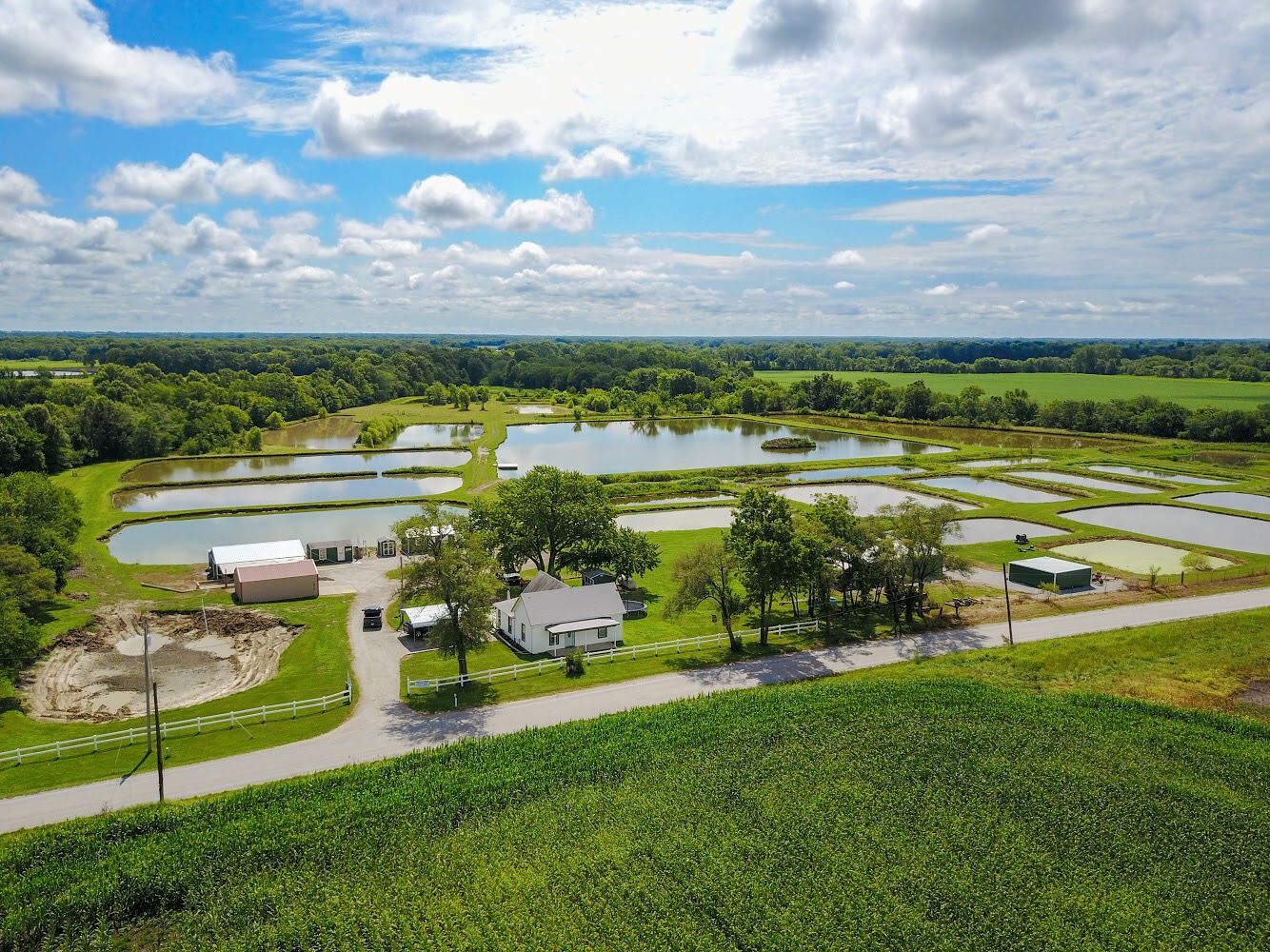
Photo: Raccoon Valley Fisheries, Google Maps contributor at Raccoon Valley Fisheries.
Feeding Clean Conifers to Farmstead Goats
Goat owners prize unpainted evergreens as an exceptional winter forage supplement and boredom buster. Conifer needles provide valuable roughage, vitamin C and natural tannins that help small ruminants manage internal parasite loads. A small herd of dairy goats will strip a clean spruce or fir down to bare yellow wood in less than twenty minutes, squealing with excitement as they gnaw off the tender green tips.
Verifying Pesticide and Preservative History
Before offering any tree as animal feed, ensure the wood never received commercial fire retardants, artificial colorants or chemical preservation sprays. Following our practical cut-your-own checklist during your original farm visit ensures that your family brought home raw, untreated timber. Livestock digestive systems are sensitive to chemical additives; only pure conifers straight from the field belong in a farm paddock.
Coordinating Dates with Growers
Do not dump your dried tree over a farmer's fence without explicit permission, because unannounced drop-offs create biohazards and safety headaches for livestock operations. Consult the local season calendar to see when nearby growers transition from retail sales to winter field maintenance. A quick telephone call allows the grower to schedule intake, inspect the wood for stray ornament wire, and place the tree where animals can browse safely.
The Broader Ecological Footprint of Real Timber
Real trees represent an agricultural crop that supports rural economies, purifies air and creates bird habitat throughout a seven-year field rotation. The National Christmas Tree Association emphasizes that unlike petroleum-based plastic substitutes, natural evergreens generate zero persistent microplastics when discarded responsibly. Knowing how to dispose of timber responsibly validates every hard mile the grower walked across those frost-covered fields.
Landfill Diversion and Carbon Sequestration
When organic waste ends up packed into anaerobic municipal landfills, it rots without oxygen and releases methane gas into the atmosphere. Chipping the tree or letting it weather in an open brush pile allows natural aerobic decomposition, returning stable carbon back into the topsoil where it belongs. Choosing natural biodegradation preserves precious municipal landfill capacity while enriching county topsoil for the next growing generation.
Closing the Seasonal Loop for Future Plantings
Carrying your spent tree out to the curb or chipping it in your driveway provides a satisfying conclusion to your family holiday traditions. The needles that gathered your family together in December can nourish songbirds in February, protect spring perennial shoots in April, and enrich forest floor microbes for years to come. That quiet transformation represents the true beauty of natural timber, finishing its journey by quietly feeding the earth that raised it.