Small Family Farms vs Big-Box Lots: Key Buyer Differences
Published November 9, 2026 · By Christmas Tree Farm Finder
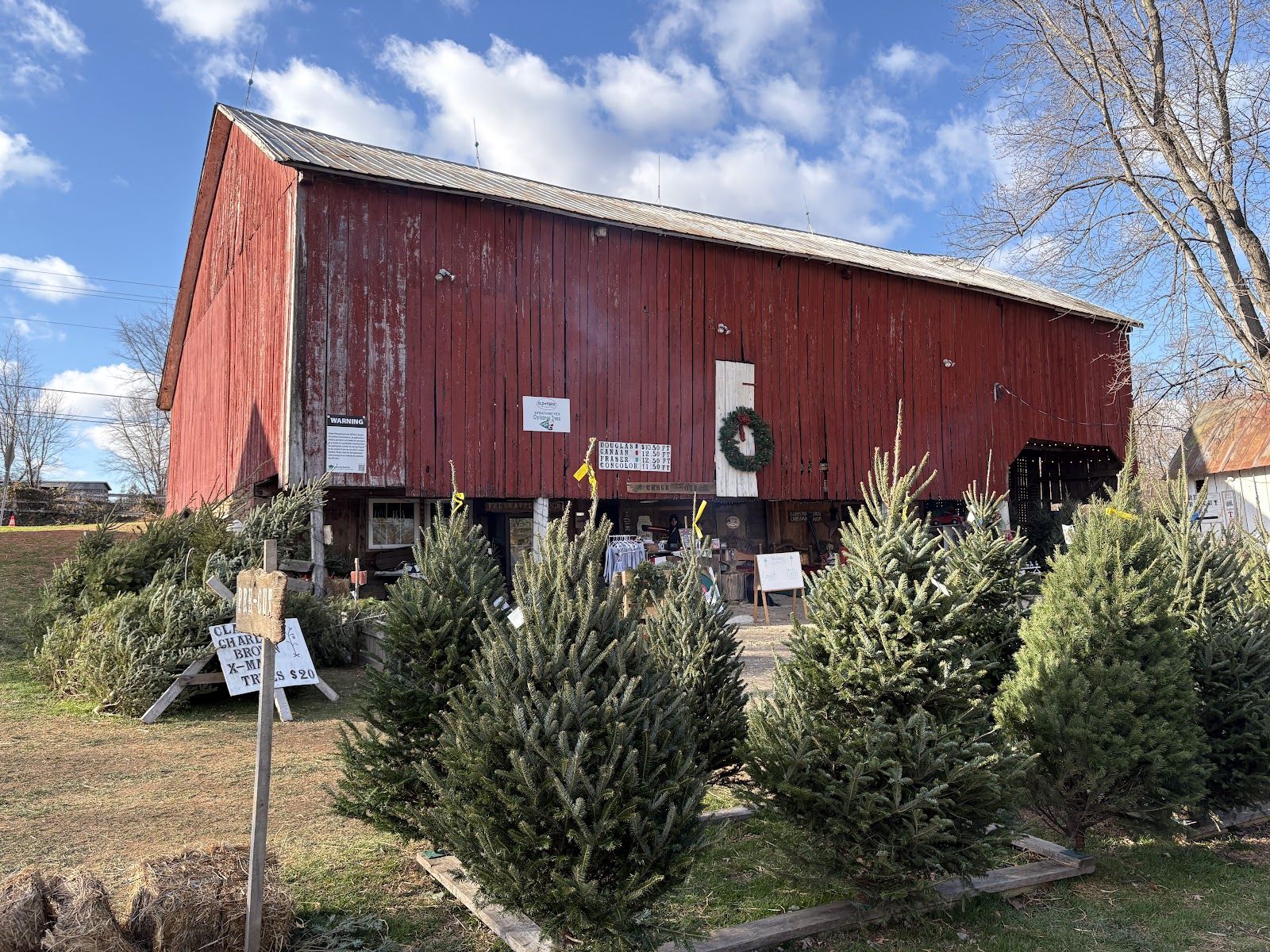
Every December, millions of households face the annual winter ritual of selecting an evergreen centerpiece for the holiday season. Some pull into the glow of home improvement store parking lots where bundled conifers lean against chain-link fencing; others drive beyond the suburban fringe to walk acreage speckled with stump-sprouted saplings. The destination dictates far more than the simple price tag on the trunk. It alters needle retention, household fire safety and the direct survival of independent family enterprises.
The Industrial Logistics of Retail Chain Lots
Palletized Shipments and Continental Transit
Big-box stores rely on massive logistical pipelines that cut trees long before the average consumer considers holiday decorating. Bundled tightly in mechanical netting and stacked horizontally inside refrigerated trailers, these conifers often travel thousands of miles across state lines before arriving on an asphalt pad; the journey shakes loose natural moisture reserves. According to data tracked by the National Christmas Tree Association, commercial timber operations must orchestrate early bulk harvests to meet rigid freight schedules. The consumer inherits a tree that completed its field life weeks before retail display.
Moisture Deprivation Behind Parking Lot Fences
Asphalt absorbs winter sun during midday hours, radiating dry heat directly into the base of displayed stock. Store employees rarely have the nursery background required to manage continuous hydration cycles across hundreds of crowded specimens; watering is often perfunctory or omitted entirely. Without a fresh base cut, the severed bark pores seal shut with dried pitch within hours of arrival. Buyers who load these trees onto roof racks often bring home dormant wood that cannot absorb standing water in a home basin.
The Transactional Simplicity of the Retail Lot
Suburban convenience remains the undeniable advantage of commercial chain retailers. You pull into a familiar paved stall, grab a pre-tagged evergreen, hand over a credit card and drive home within twenty minutes flat. There are no ruts to navigate, mud-soaked boots to wipe down or hand saws to sharpen in freezing wind. For time-strapped households, this frictionless speed often outweighs botanical shortcomings.
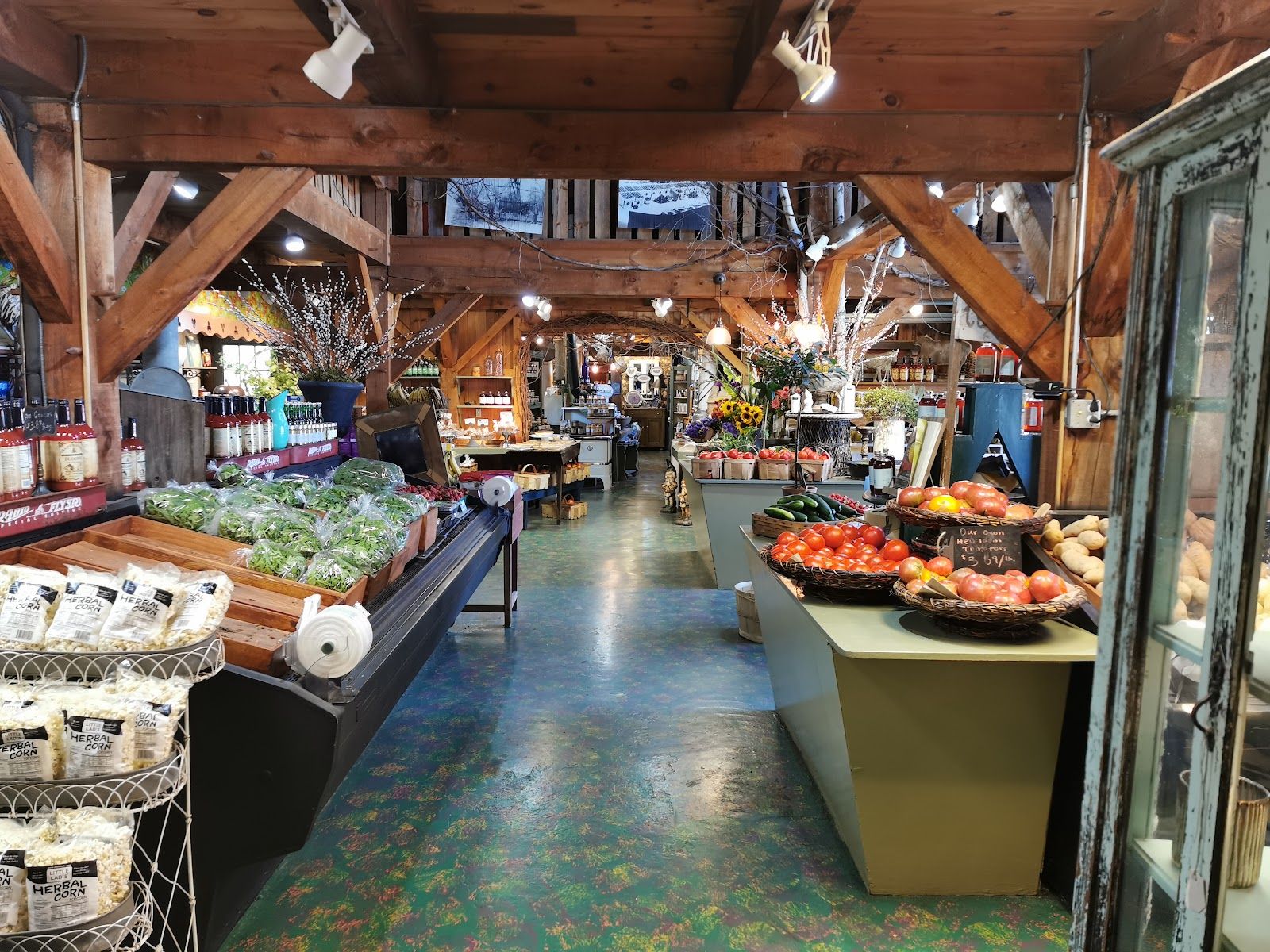
Photo: Brookdale Fruit Farm Inc., Google Maps contributor at Brookdale Fruit Farm.
What Happens When You Step onto Farmed Acreage
The Irreplaceable Baseline of Stump-Cut Freshness
Walking an actual field reverses the biological degradation caused by extended shipping channels. When you saw a trunk at the soil line, internal vascular capillaries remain entirely open to immediate cellular uptake; you control the exact hour the conifer ceases root nourishment. Visiting an established grower from our directory of Farms Near Me allows you to bypass weeks of transit dehydration. You carry back an organism full of moisture rather than a drying log running on borrowed time.
Direct Conversations with Working Soil Stewards
Family growers spend a decade tending every individual row before a customer ever steps onto the property. They recognize soil composition, seasonal drought effects and local pest pressures because they pruned those specific branches during summer heat waves. When you ask a grower which tree suits a sunroom versus a fireplace hearth, you receive advice rooted in direct agronomy rather than temporary retail staffing. That generational knowledge translates directly to better household performance.
Preserving Agricultural Greenbelts Around Cities
Visiting a rural tree patch helps preserve working land against aggressive residential subdivisions. Agroforestry preserves open spaces that host songbirds, soil microbes and small mammals throughout four distinct seasons. If you take the time to browse Christmas tree farms by state, you can witness how local producers preserve distinct rural boundaries across regional watersheds. Your annual purchase functions as a protective zoning safeguard funded through private commerce.
Hydration Dynamics and Household Fire Safety
Needle Retention and Vascular Tissue Collapse
A conifer cut in October and displayed through December enters a state of internal cellular collapse long before the new year arrives. Needles lose elasticity as sap corridors crystallize; branches droop under the weight of glass ornaments. In contrast, freshly severed trees retain their pliable cell walls and seal water into their needles through functioning stomata. The difference becomes glaringly apparent around day twenty, when commercial trees shed mounds of brittle foliage across living room rugs while fresh trees maintain supple structure.
The Flammability Quotient in Central Heat
Dry evergreens present a severe domestic hazard when exposed to faulty string lights or baseboard heat registers. A desiccated conifer can engulf an entire room in toxic smoke within thirty seconds of an electrical spark; a hydrated tree resists open ignition with robust moisture reserves. Farmers advise checking trunk weight and sap flow immediately upon cutting to verify cellular saturation. Safety begins at the base of the trunk, not with an aerosol preservative spray bought at a checkout counter.
The Practical Value of the Branch Flexibility Test
Field selection offers the buyer an immediate tactile assessment that cannot be faked by retail lighting. You can grasp an interior branch, pull your hand gently along the needles and confirm that the evergreen foliage bends without snapping like dried kindling. A shower of falling green needles on a retail lot indicates a dead vascular system; a supple branch on a hillside demonstrates living resilience. Taking that tactile measurement prevents bringing home a brittle fire hazard.
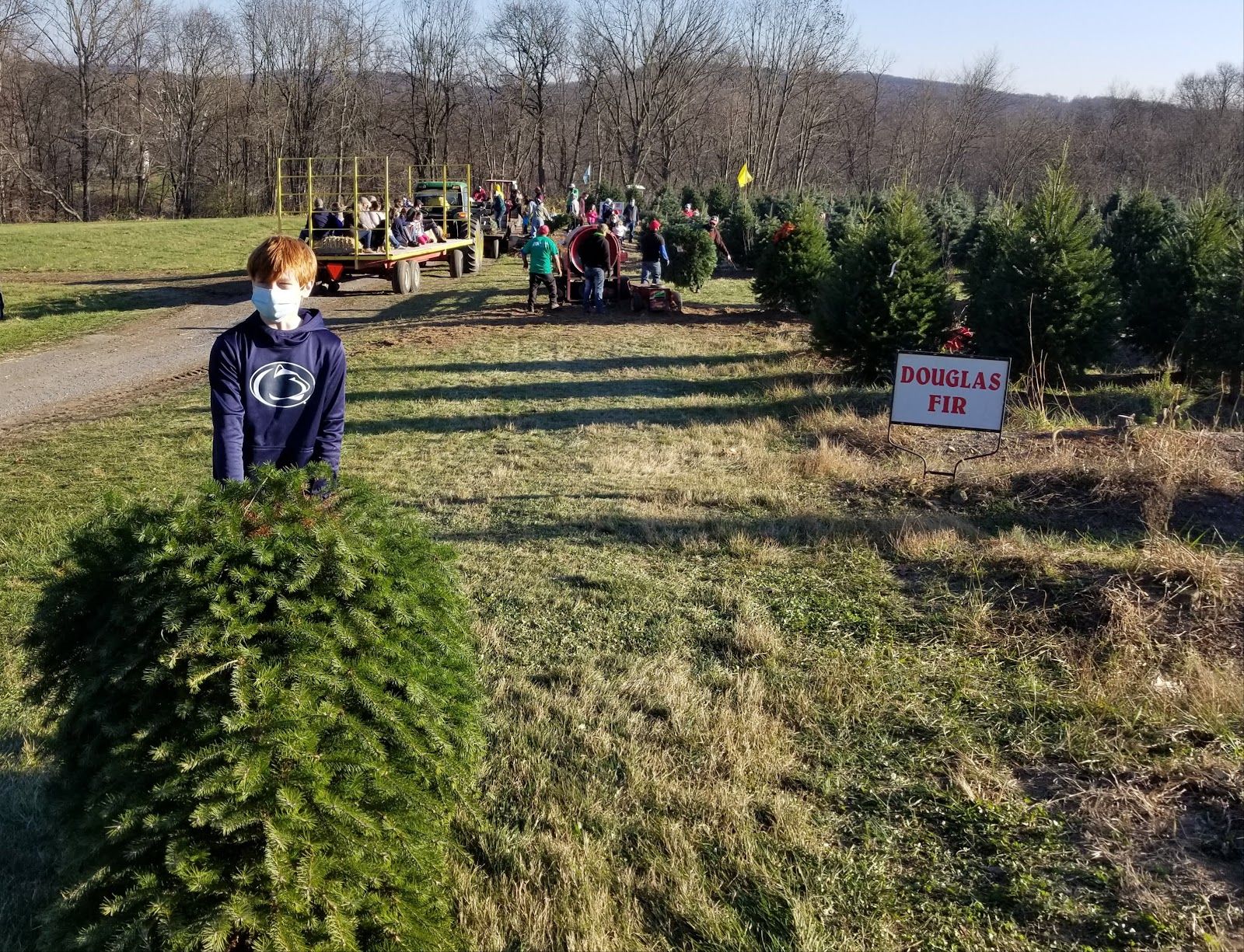
Photo: McCurdy's Tree Farm & Landscaping, Google Maps contributor at McCurdy's Tree Farm and Landscaping.
Variety Selection Beyond Wholesale Monocultures
The Narrow Palette of Wholesale Big-Box Suppliers
Mass-market retailers focus on two or three dominant cultivars that pack flat, resist shipping bruising and grow rapidly under chemical fertilizer regimes. You will almost universally encounter Fraser Fir or Douglas Fir, trimmed into uniform cones designed for automated baling equipment. These specimens lack eccentric personality; they look cloned because industrial logistics prioritize stackability over botanical distinctiveness. Buyers seeking weeping branches, dense foliage or blue undertones will find the options barren on retail pavement.
Regional Cultivars Thriving in Native Ground
Independent growers plant diverse test plots that reflect their specific microclimate, soil drainage and local elevation. Consult our detailed tree species guide to explore how regional selections like Canaan Fir, White Pine or Arizona Cypress compare against standard wholesale stock. Local farms cultivate varieties that naturally resist native blights; they do not depend on chemical sprays to maintain visual appeal. That botanical diversity introduces families to architectural forms and needle textures absent from chain stores.
Fragrance Profiles Rooted in True Resin Production
The celebrated holiday aroma originates from natural terpenes concentrated inside evergreen resin ducts. Trees that sit in distribution yards for weeks lose those aromatic volatile oils to ambient air before you ever unwrap the twine. A fresh conifer cut straight from the stump releases dense bursts of pinene and limonene whenever needles are brushed or warm water fills the stand reservoir. The scent fills the home naturally; there is no need for synthetic room sprays or scented wax melts.
The Financial Ledger of Seasonal Evergreens
Unpacking Retail Margins and Corporate Middlemen
Big-box stores treat conifers as seasonal loss leaders designed to draw consumers through automatic sliding doors. They negotiate cutthroat wholesale contracts with distant timber syndicates, compressing grower profits down to pennies per foot; the savings rarely offset the diminished lifespan of the wood. Much of your retail expenditure supports corporate distribution channels, diesel fuel for semi-trucks and national marketing budgets. The original field hand receives the smallest slice of that register receipt.
Farm Overhead and Rural Community Impact
Purchasing straight from an independent family operation channels your money directly into rural county economies. That capital pays for local tractor repairs, seasonal high school wages, seed stock and cover crops during spring thaw. While field trees may carry a slightly higher upfront cost, you pay for decade-long land maintenance rather than maritime freight or retail distribution centers. The transaction fosters economic stability within farming hamlets that face relentless industrial pressures.
Navigating the Physical Realities of the Farm Trip
Weather Contingencies and Field Equipment
Walking through tall grass and slippery clay requires mental and physical preparation that a strip mall errand never demands. You need waterproof leather boots, sturdy work gloves to shield hands from prickles, and heavy ratcheting tie-downs rather than flimsy cotton string; farm winds can be unforgiving. Before heading out into the country, review our comprehensive cut-your-own checklist to ensure you carry the appropriate hand tools and roof padding. Preparation transforms a miserable chore into an enduring winter tradition.
Farm Amenities Versus Bare-Bones Lots
Many family farms transform tree harvesting into a broader rural celebration featuring bonfire pits, warm cider and tractor-drawn wagon rides across rolling hills. These agricultural operations provide an immersive escape from suburban sprawl; children discover that evergreen trees grow from dirt rather than emerging magically from cardboard pallets. Big-box lots offer convenience and asphalt ease; family operations deliver sensory immersion and memorable outdoor labor. That atmosphere holds measurable emotional value for multigenerational families.
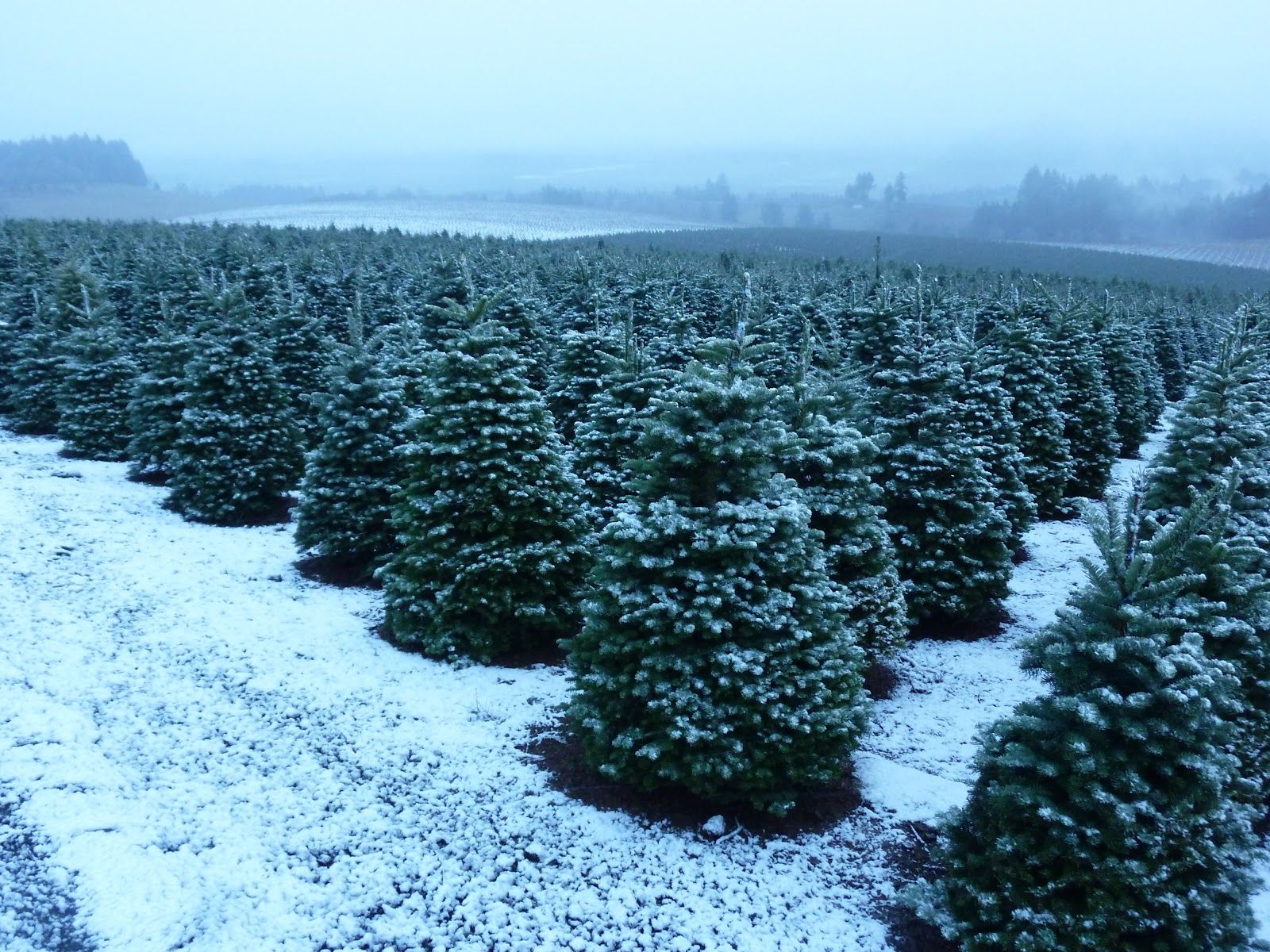
Photo: Noble Mountain Tree Farm- Wholesale Only, Google Maps contributor at Noble Mountain Tree Farm.
Timing the Harvest and Post-Holiday Disposal
Reading the Seasonal Harvesting Window
Timing your visit correctly prevents arriving after the best field specimens have already fallen to early saws. Checking our updated season calendar ensures you hit the farm during peak harvest periods before severe winter freezes close down rural tractor access. Early cutting requires careful temperature management at home, while late cutting demands working in freezing mud and sudden snow flurries. Understanding these seasonal rhythms guarantees that your selected conifer thrives safely through early January.
Ecological Closure Through Responsible Mulching
The lifecycle of an evergreen should conclude through organic decomposition rather than municipal waste transfer stations. Real trees are biodegradable resources that shred into nutrient-dense wood chips suitable for park pathways, trail stabilization and garden bedding. Read our walkthrough on tree recycling to find local curbside chipping programs or farm drop-off sites that turn your holiday tree back into rich humus. Closing the nutrient cycle respects the decade of agricultural energy that produced your living centerpiece.
Weighing Priorities for Your Seasonal Centerpiece
Ultimately, the choice hinges on whether you value transactional efficiency or botanical longevity and rural stewardship. If you require a quick errand between grocery stops, the suburban retail lot answers the call without complications. If you seek unmatched needle retention, rich fragrance and a direct link to the agricultural soil, the family farm remains well worth the winter drive. The tree you position in the front window will reflect the values, effort and landscape you decide to prioritize.