How Weather Impacts a Christmas Tree Farm Opening Weekend
Published November 14, 2026 · By Christmas Tree Farm Finder
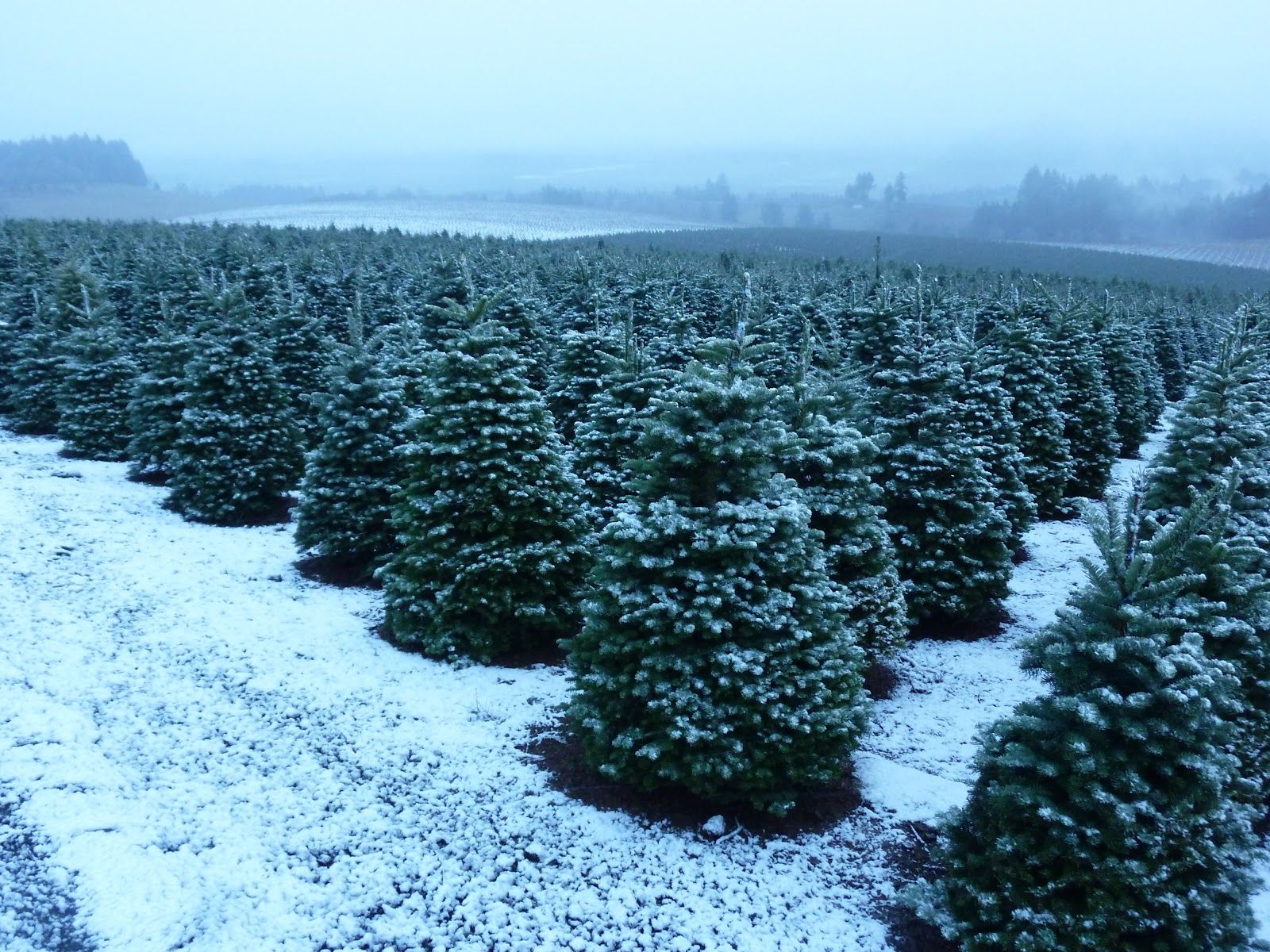
Growers spend eleven months shaping firs and shearing pines; everything culminates in the frantic hours right after Thanksgiving. A sudden weather front can transform that critical opening weekend from a joyous holiday tradition into an exhausting battle against mud, wind or ice. The land dictates the terms; growers can only react.
The Fragile Logistics of Opening Weekend
A grower watches the radar days in advance; a single stalling squall can unravel months of preparation before the farm gate unlocks. Parking fields turn fragile under tire tracks, while outdoor staging areas require emergency relocation to preserve dry twine, gravel paths and retail signs. When the first pickup trucks arrive at sunrise, the farm must present an orderly landscape regardless of the wind howling across the ridge.
The High Stakes of the Black Friday Window
Black Friday accounts for a significant portion of total seasonal revenue; an ill-timed storm front threatens the annual bottom line immediately. Families rarely reschedule opening day visits for rainy Mondays; they either push their search into December or purchase pre-cut inventory from suburban parking lots. Missing this initial surge leaves fields overcrowded on subsequent weekends, which strains customer service and tractor shuttles to their breaking points.
Mud in the Parking Fields
Pastures that served as reliable staging grounds during summer mowing quickly turn into quagmires after forty-eight hours of steady drizzle. Turf shears under the weight of passenger minivans; gravel aprons sink beneath churning tire treads before noon arrives. Farmhands spend their early mornings spreading cedar woodchips across walkways, trying to protect both the underlying grass roots and customer footwear from ruin.
Managing Tractor Shuttles on Saturated Ground
Hay wagons cannot traverse slick clay without carving ruts that linger through late December; drivers must alter routes along stable ridgelines. A heavy wagon loaded with families requires careful braking on downhill slopes, especially where wet maple leaves cover the gravel lane. Crews inspect hitch pins, tire pressures and drawbars twice daily; saturated ground increases mechanical drag on every single loop through the acreage.
The Tow Truck on Speed Dial
Every seasoned operator keeps a local towing service on retainer before opening morning arrives. When a rear-wheel-drive sedan slips off the sod into an unpaved ditch, pulling it out smoothly keeps entry lines moving. A prolonged delay at the farm gate backs traffic onto rural highways; that scenario brings unwanted scrutiny from local police and frustrates excited visitors.
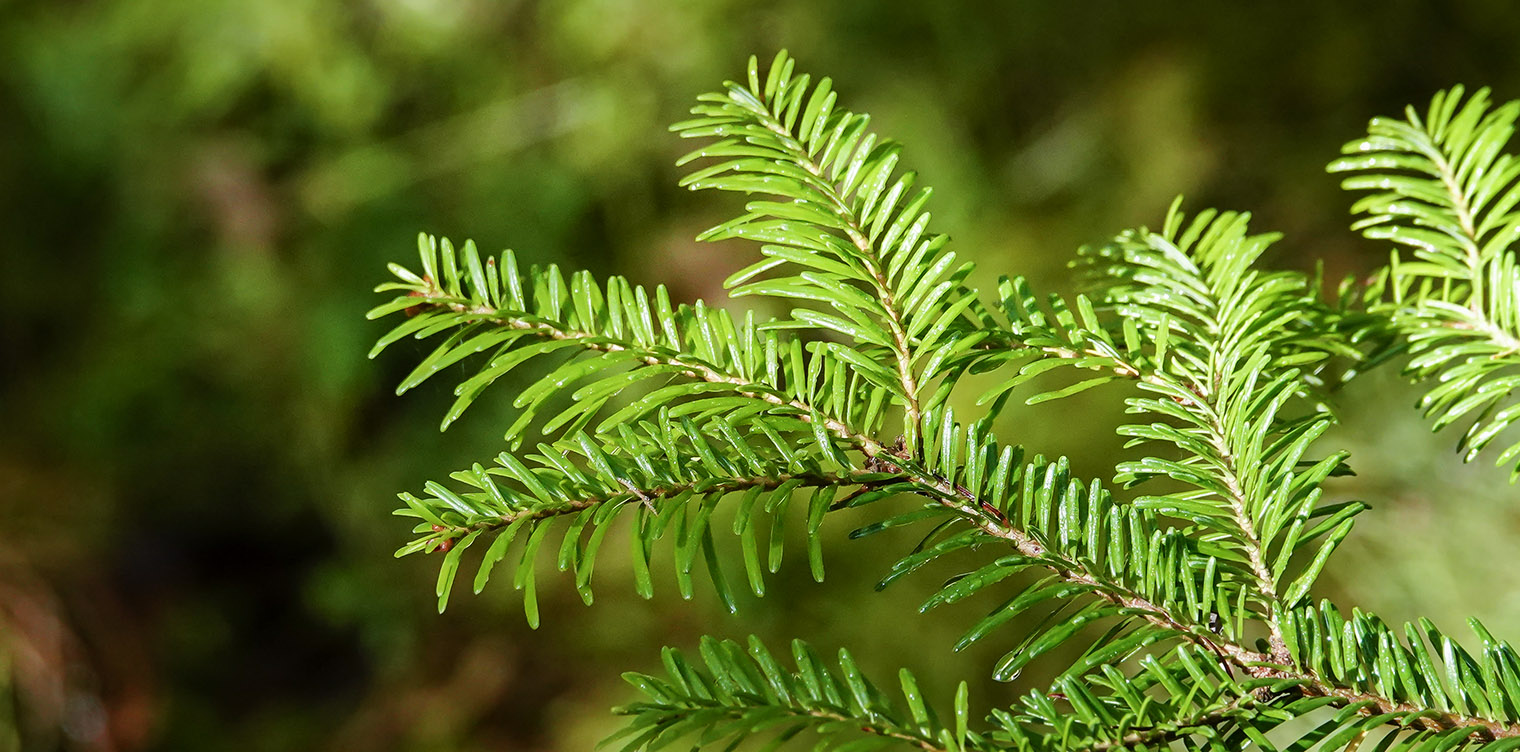
Photo: Adirondack Nature, Google Maps contributor at the Adirondack Mountains.
Freezing Temperatures and Needle Integrity
Sudden arctic air introduces an entirely different set of operational headaches across the plantation. Frost glazes outer needles, creating slick surfaces for handsaws and freezing fingers through wool work gloves. While shoppers romanticize a crisp winter morning; sharp freezes require extra vigilance from field hands monitoring boughs for breakage during harvesting.
Why Brittle Branches Defy the Baler
Pound for pound, a frozen conifer behaves more like glass than pliable timber; packing it requires gentle, deliberate pressure. When branches freeze solid overnight, dragging them through a metal funnel baler can snap mature limbs right off the trunk. Savvy workers let freshly cut trees rest briefly inside sheltered barns before feeding them into mesh netting, preventing customer heartbreak at the tying station.
Foliage Changes Across Varied Cultivars
Different varieties respond uniquely to cold temperatures, making your harvest strategy dependent on what stands in each acre. Concolor firs tolerate sharp drops with grace; certain spruce boughs become stiff and unyielding after sustained frost. Before heading into the rows, studying a detailed tree species guide helps visitors understand which conifers handle frosty mornings without dropping needles prematurely across the living room carpet.
Unexpected Warmth and Early Season Fatigue
Unseasonable warmth brings the opposite problem, creating pleasant conditions that trick shoppers into treating the plantation like a county fair. Instead of making brisk selections and heading home, crowds linger near picnic tables, sip cold cider and wander aimlessly through uncut blocks. The afternoon heat drains energy quickly; saws feel heavier when sawdust sticks to sweaty forearms under direct sunlight.
Heat Stress in the Retail Lot
Pre-cut trees standing in open staging lots lose moisture rapidly when unseasonable sun beats down on blacktop or dry dirt. Stumps seal with crystallized sap within three hours of cutting, preventing water uptake once trees finally reach domestic tree stands. Crews constantly mist burls and trim trunk butts; workers scramble behind the scenes to prevent foliage drop before customers even load their purchases.
Consumer Behavior Shifts on Sunny Afternoons
Warm weather encourages larger groups to arrive together, expanding family parties from four people to twelve. While high turnout looks promising at first glance, large gatherings move slowly and consume parking spaces for hours without increasing tree sales proportionally. The leisurely pace chokes narrow pathways between rows; workers struggle to haul heavy handcarts past strollers, toddlers and leashed dogs.
Bottlenecks at the Saws and Shakers
When clear skies bring record crowds, equipment lines back up almost instantly across the main courtyard. Shakers run continuously to strip dead interior needles, vibrating until engines run hot and drive belts stretch under heavy loads. Checking off essentials from a cut-your-own checklist before leaving home keeps families moving efficiently through checkout lanes, reducing frustration for everyone waiting in the sun.
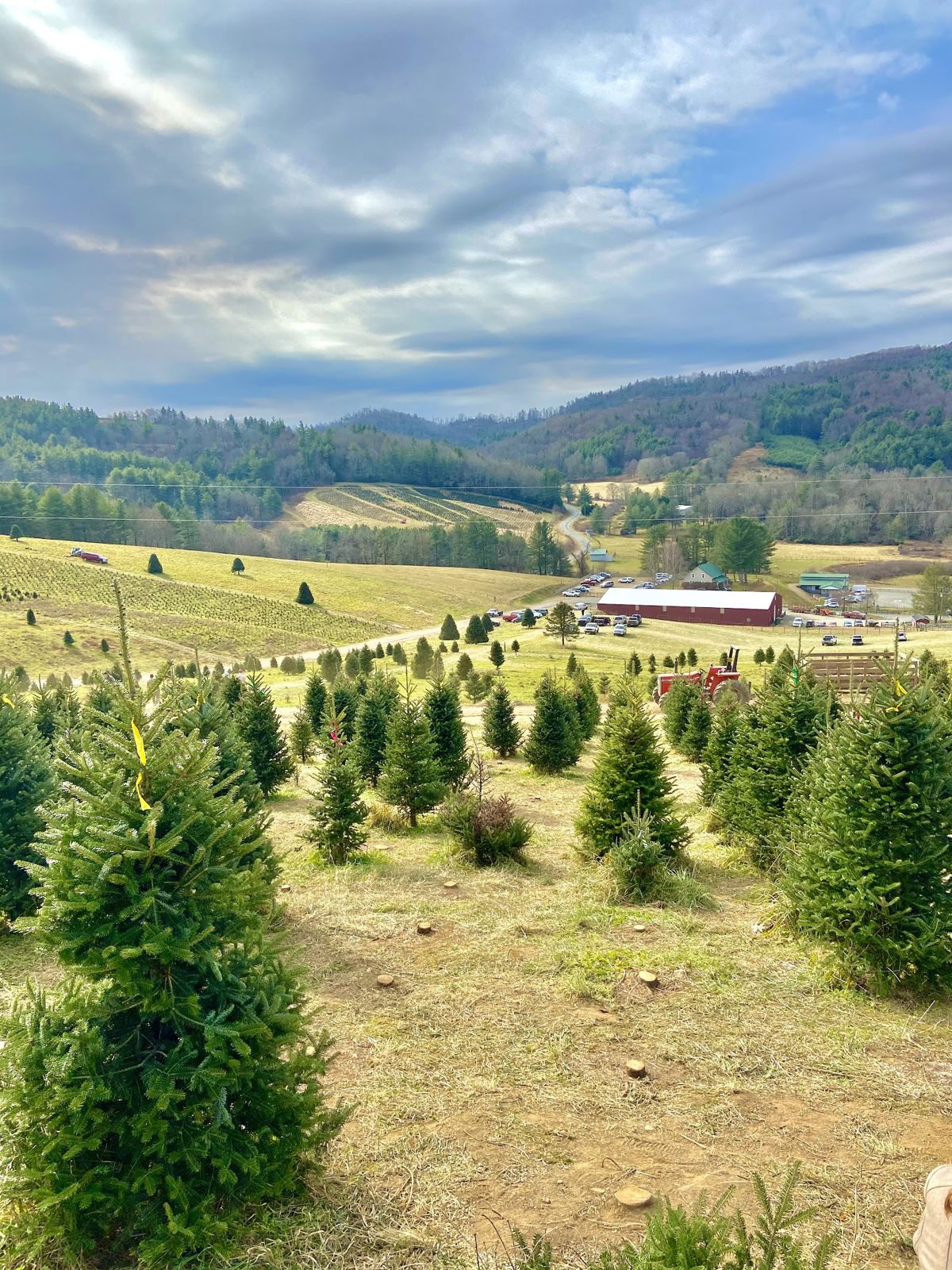
Photo: itsdylanc, Google Maps contributor at Lil' Grandfather Choose and Cut.
Rainstorms and the Lost Morning Crowds
Persistent autumn rain tests customer loyalty more than any cold snap ever could. Only the most determined diehards venture out in yellow slickers; the typical casual shopper stays curled up beside the fireplace. A quiet morning allows staff to clean equipment and shore up culverts; yet the eerie silence feels ominous against the heavy financial expectations of late November.
The Economics of Downpours
Data gathered by the National Christmas Tree Association reveals just how compressed the retail timeline is for real evergreens. A lost weekend represents roughly twenty-five percent of the public harvest window; this creates an inventory deficit that cannot always be recovered later in the month. Farms absorb fixed overhead costs for seasonal labor, insurance and permits regardless of whether ten cars or five hundred cars navigate the entrance turn.
Spreading the Foot Traffic Over Successive Weekends
A complete rainout forces managers to reconfigure staffing schedules for the following Saturday and Sunday. They must call in backup tractor drivers, prep extra food concessions and order additional netting cartridges to accommodate doubled visitor volume. Reviewing a regional season calendar allows customers to spot alternative cutting dates; this helps balance attendance figures across December instead of concentrating farm safety risks on opening day.
Sleet, Ice and Field Safety
Nothing paralyzes a hillside farm faster than freezing rain coating access lanes and tree branches. Ice adds hundreds of pounds of unwanted load to mature canopies; bowed leaders snap if treated roughly during harvesting. Walking up steep slopes with sharp implements invites injuries, turning safety protocols into a farm manager's single obsession for the weekend.
Slick Hillsides and Dull Hand Saws
Slushy conditions dull saw blades rapidly because tired workers accidentally grind steel teeth into muddy root collars. Wet grit clings to the bottom bark, stripping blade sharpness away within three cuts; field attendants must carry sharpening files constantly. Customers slip on frozen turf when dragging heavy Fraser firs downhill, turning what should be a pleasant walk into grueling physical labor.
Navigating Regional Microclimates Across the Map
Weather patterns rarely distribute precipitation evenly across a geographic territory; valley bottoms often stay soggy while higher elevations catch howling wind and early snow. When you browse Christmas tree farms by state, you notice distinct regional adaptations built into structural farm layouts. Mountain growers build rock-lined drainage swales, while coastal farms invest in heavy sand grading to disperse runoff without pooling around tree roots.
Post-Storm Recovery Behind the Scenes
Once the clouds part and customer traffic eases on Sunday night, true maintenance work begins in the dark. Tractors grade washed-out lane gravel back into place before morning frost cements deep tire ruts into stone. Broken limbs are pruned away from surviving trees; careful cuts preserve future canopy structure for sales cycles three or four years down the road.
Drying Out Twine and Netting Machines
Saturated baler cartridges freeze solid overnight if left exposed to ambient evening cold. Workers haul netting rings inside heated workshops; wet poly-twine must dry thoroughly to avoid rot and mechanical feeding jams. Electric tree drills require meticulous cleaning and lubrication; water mixed with fine sawdust creates gummy deposits that stall motors during peak hours.
Sourcing Healthy Evergreen Stock Late
If opening weekend weather damages field inventory or dampens cut-your-own yields, buyers search for alternative suppliers nearby. Using Farms Near Me helps shoppers locate farms whose microclimates spared them from catastrophic washout conditions. Neighboring growers often share inventory tallies; they redirect customers to nearby operations when field access becomes temporarily impossible on their own slopes.
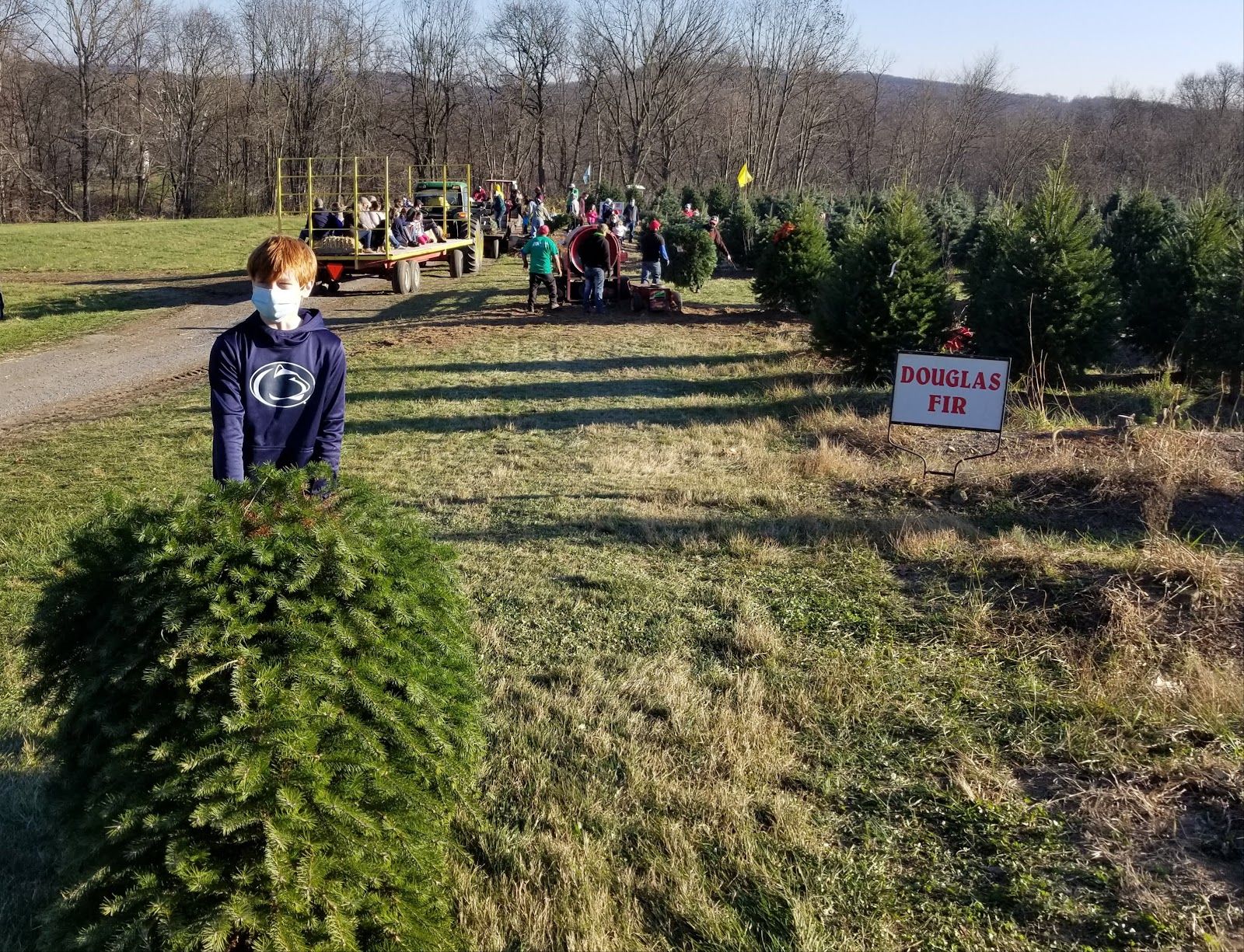
Photo: McCurdy's Tree Farm & Landscaping, Google Maps contributor at McCurdy's Tree Farm and Landscaping.
The Aftermath and Final Disposals
Weather conditions during opening weekend even influence how cut trees perform long after holiday celebrations conclude. Conifers harvested during cold, damp weather retain moisture far longer than those cut during dry heatwaves, resisting needle loss in heated living rooms. When January arrives, understanding proper tree recycling programs guarantees that weathered conifers return to the earth as mulch; this completes the seasonal cycle that began on a wet November morning.