Watering a Cut Christmas Tree: Simple Steps That Actually Work
Published November 11, 2026 · By Christmas Tree Farm Finder
Every December, farm visitors ask what secret potion will keep their evergreen hydrated until New Year's Day. The truth is disarmingly simple; trees require basic fluid mechanics rather than kitchen chemistry. If you understand how a harvested conifer drinks, you can keep the foliage supple through the entire holiday run.
Understanding Trunk Anatomy and Sap Flow
The Vascular Cambium and Outer Wood Layers
A tree does not pull moisture through the heartwood in the center of its trunk; instead, water ascends through the outer rings known as the xylem. When you cut into the stump, you expose millions of microscopic conduits that pull water upward via capillary action. Protecting this active perimeter determines whether the canopy stays soft or turns brittle before gifts are opened.
The Rapid Onset of Sap Sealing
Once severed from its roots, an evergreen protects itself from fluid loss by oozing sticky resin over the wounded base. This natural barrier forms within a few hours of harvesting; it can block vascular tissue completely if the trunk sits in open air. If that resin cap hardens across the wood, water cannot enter the conduits no matter how full the reservoir remains.
The Mechanics of the Fresh Cut
Timing Your Saw Work Before Display
A clean slice off the bottom of the trunk remains the single most effective action in the entire setup process. You need to remove a half-inch disk of wood immediately before placing the trunk into the stand; doing so strips away dried cells and resin deposits. If more than three hours elapse between cutting and immersion, the pores close again and require another pass with the saw.
Why Angled Cuts Ruin Water Intake
Certain handbooks recommend cutting the trunk at a steep slant or hacking a notch into the base, but this advice proves counterproductive in practice. An angled cut reduces the surface area submerged in the deepest part of the bowl; Also, it makes supporting the tree upright nearly impossible. A perpendicular cut leaves the maximum number of sap channels open while keeping the trunk firmly seated against the bottom plate.
Leaving the Outer Bark Intact
Whittling down the sides of the stump to squeeze a wide trunk into an undersized stand destroys the most vital plumbing of the tree. The cambium layer sits directly beneath the bark; peeling those tissues away starves the crown of water. If the butt end is too broad for your equipment, buy a larger stand rather than carving away the functional water channels.

Photo: itsdylanc, Google Maps contributor at Lil' Grandfather Choose and Cut.
Reservoir Requirements and Water Volume
Calculating Minimum Daily Fluid Capacity
As a reliable rule of thumb, an evergreen requires roughly one quart of water per day for every inch of trunk diameter. A four-inch trunk will comfortably drink a gallon of water during its first day in the house; larger trees often consume even more. Choosing a stand with an expansive reservoir spares you from refilling the basin multiple times during a single afternoon.
The Risk of a Dry Basin
Letting the reservoir dip below the base of the trunk constitutes the most common mistake made by homeowners. Once the water level falls past the cut surface, air rushes into the open conduits; resin then coats the pores within ninety minutes. When this happens, filling the bowl back up accomplishes very little because dried tissue cannot absorb moisture efficiently.
Debunking Additives and Folk Remedies
Sugar, Corn Syrup and Soda
Generations of holiday decorators have dumped sugar, molasses or citrus soda into tree water under the impression that carbohydrates feed the needles. In truth, severed conifers lack the root structures needed to process introduced sugars; instead, these carbohydrates feed bacteria in the standing water. The resulting microbial bloom clouds the fluid, generates foul odors and clogs the microscopic vascular openings of the wood.
Aspirin, Bleach and Rubbing Alcohol
Mixing household chemicals into the water reservoir causes far more harm than good. Bleach kills bacteria in high concentrations, but it also degrades cellular membranes within the cut trunk; alcohol and crushed aspirin produce chemical stress that triggers premature needle shed. Clean tap water keeps wood cells functional without introducing caustic compounds into your living room.
Commercial Preservative Packets
The commercial powder packets sold at checkout counters offer no tangible benefit over standard municipal tap water. While floral preservatives work well for soft cut flowers, woody conifer trunks respond poorly to those identical acidifiers. Save your money for decorative ornaments; the tree thrives purely on consistent fluid volume.
Research Findings on Water Purity
Extensive trials conducted by university extension offices and the National Christmas Tree Association confirm that clean tap water outperforms every tested additive. Researchers have evaluated fertilizer spikes, copper pennies, glycerin and proprietary solutions without documenting any measurable hydration benefit. Cool tap water straight from the kitchen faucet preserves needle flexibility longer than any laboratory concoction.
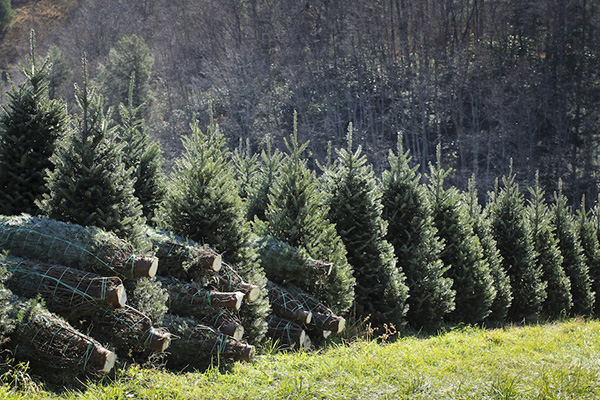
Photo: NC Christmas Tree Association, Google Maps contributor at a North Carolina Fraser fir farm.
Temperature Dynamics in the Water Basin
The Myth of Scalding Hot Water
An old forestry myth suggests that pouring boiling water into the reservoir melts hardened sap and restarts stalled flow. Boiling water actually cooks the cambium layer; this destroys living wood cells and accelerates needle loss. While warm water can soften stubborn sap marginally, boiling liquids damage tissue beyond recovery.
Lukewarm versus Cold Tap Water
For the initial filling, warm tap water can help the stump absorb moisture slightly faster during the first afternoon. Cold water works just as well once the vascular flow establishes itself; ambient temperature fluids satisfy the physical needs of the conifer. You do not need to monitor water temperature once the tree drinks steadily.
Environmental Threats Inside the Home
Placement Relative to Forced Air Vents
Even a well-watered evergreen will drop foliage if positioned directly in the path of a furnace vent. Dry air currents strip moisture from the foliage far faster than the stump can pull replacements from the bowl; this dynamic leads to localized needle drop on the side facing the register. Close or redirect heating grates situated within five feet of your display.
Radiant Heat from Fireplaces and Stoves
Wood stoves and open hearths radiate intense heat that parches cut evergreens in a matter of days. If you position your tree adjacent to an active fireplace, you create a fire hazard while guaranteeing brittle branches. Maintain substantial distance from all radiant heat sources; your needles will stay supple much longer.
Humidification Strategies for Dry Rooms
Winter heating systems routinely drop indoor relative humidity below twenty percent, which increases the evaporative demand on cut branches. Running an evaporative humidifier near the display reduces the rate of transpirational water loss from the needles. This gentle moisture buffer extends the lifespan of the greenery and eases daily water consumption.
Species Differences in Moisture Retention
Fir Varieties and Superior Needle Retention
Firs naturally hold their needles longer than most alternatives; their internal moisture reservoirs remain stable even under moderate indoor stress. If you consult our comprehensive tree species guide, you will see that Fraser, Noble and Balsam firs feature flat needles with recessed stomata. These physical traits limit transpiration and keep branches flexible throughout a five-week display period.
Pines and Their Open Vascular Systems
Scotch pine and white pine handle dry indoor environments remarkably well because of their porous wood structure. They drink voraciously during the first week indoors; their long needles retain green color even if moisture levels drop temporarily. Checking the water level twice daily is critical for pines because their broad stumps absorb gallons rapidly.
Spruces and Early Drop Warnings
Norway spruce and blue spruce possess stiff needles that look magnificent on the lot, but they drop foliage quickly if moisture falters. A cut spruce can shed a carpet of sharp needles within twenty-four hours of drying out in the stand. If you choose a spruce, vigilance with the watering pitcher becomes your primary daily chore.
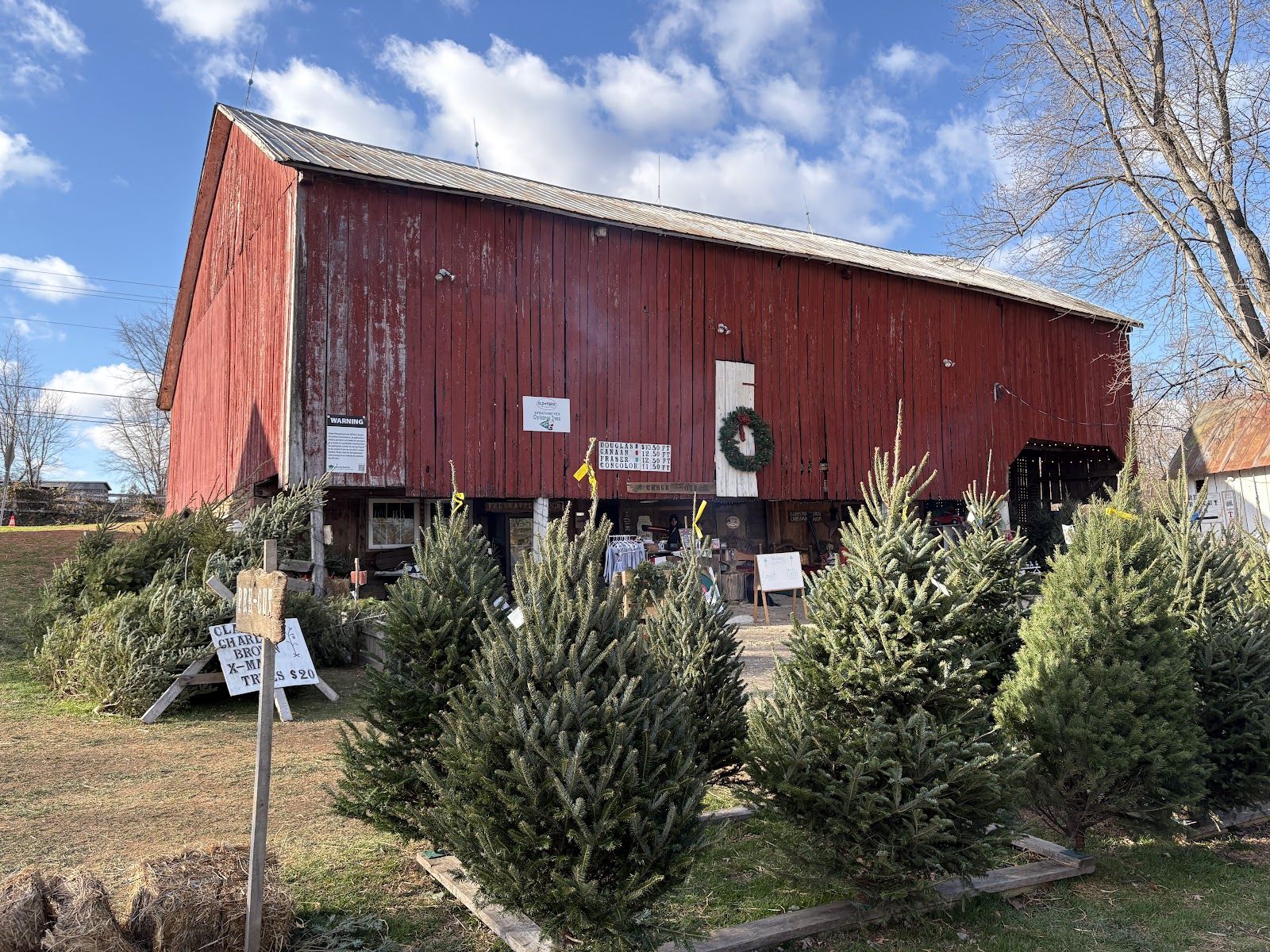
Photo: Brookdale Fruit Farm Inc., Google Maps contributor at Brookdale Fruit Farm.
Pre-Display Holding and Farm Sourcing
Storing Your Tree Outdoors in a Holding Bucket
If you purchase your centerpiece early, keep it in an unheated garage or on a sheltered porch before setting it up inside. Stand the cut base in a bucket of fresh water to keep the vascular pathways saturated; review our cut-your-own checklist for transport recommendations. Cold outdoor air keeps cellular respiration low, which preserves essential sap moisture until decorating day arrives.
Sourcing Trees Based on Harvest Timing
A pre-cut tree shipped across several states weeks ago will never drink as effectively as a fresh specimen cut right from the field. You should consult a seasonal season calendar to time your farm visit when harvest activity peaks in your local region. Cutting your own evergreen guarantees that the internal moisture content remains high when you head home.
Locating Independent Growers Across the Country
Visiting a working farm gives you access to freshly cut stock that has not spent weeks drying on an asphalt parking lot. Use our directory to find local Farms Near Me before heading out with the family; you can also browse Christmas tree farms by state to compare regional varieties. Freshly harvested evergreens drink reliably because their vascular networks have suffered zero shipping dehydration.
Salvaging a Tree That Has Stopped Drinking
Why Scraping or Drilling the Base Fails
Frustrated owners often drill vertical holes into the stump or shave the bark off the bottom in an attempt to stimulate water uptake. Drilling creates small cavities that pack with sawdust; bark removal eliminates the cambium layer that actually transports fluid. These mechanical shortcuts do not open sealed vascular pathways and often destabilize the tree in its stand.
Executing an In-Stand Flush Technique
When a tree stops drinking while decorated, removing it for a fresh cut is nearly impossible. You can sometimes restart the flow by siphoning out the stale water and refilling the bowl with warm tap water around one hundred degrees. The warmth can soften surface resin deposits on the cut face; this occasionally coaxes the xylem into absorbing fluid again.
Post-Season Care and Responsible Disposal
Recognizing Total Cellular Desiccation
Eventually, every cut evergreen completes its natural lifecycle and ceases to drink from the reservoir. When branches feel rigid rather than bendable and needles snap cleanly between your fingers, the vascular tissue has shut down permanently. At that stage, watering accomplishes nothing; the tree should be taken down to prevent a fire risk.
Transitioning from Water Stand to Mulch
Once you dismantle the decorations, avoid sending the dry wood to a municipal landfill where organic material decomposes into greenhouse gases. Explore community tree recycling programs that chip spent evergreens into useful garden mulch or erosion control barriers. Chipped branches decompose into valuable soil amendments; this completes a sustainable cycle that began on the farm.