Choosing the Best Christmas Tree Species for Your Home
Published September 28, 2026 · By Christmas Tree Farm Finder
Choosing a real Christmas tree is an annual delight, a tangible link to holiday traditions and the fresh scent of winter air; it's a journey from the farm to your living room, transforming a simple evergreen into a centerpiece of joy. But with a forest of options, knowing which species will best suit your home and family can feel like navigating a maze. This guide will walk you through the distinctive qualities of popular Christmas tree varieties, helping you make an informed choice for your perfect holiday display.
Understanding Your Priorities for a Christmas Tree
Before you even step foot onto a farm, consider what you value most in a Christmas tree; this preparation will streamline your selection process immensely. Some families prioritize the classic Christmas scent, while others need a tree that can withstand heavy ornaments or stay fresh for an extended period. Knowing your non-negotiables will guide you towards certain species and away from others.
Scent Preferences in a Christmas Tree
The aroma of a fresh evergreen is arguably one of the most cherished aspects of a real Christmas tree; it instantly evokes holiday cheer and memories. Different species offer distinct fragrances, ranging from sharp and piney to sweet and citrusy. If a strong, traditional Christmas scent is paramount, you'll want to focus your search on trees known for their aromatic oils.
Needle Retention for Longevity
No one wants a bare tree by Christmas morning, so needle retention is a crucial factor for many buyers; a tree that holds its needles well translates to less mess and a longer-lasting display. Some species are naturally better at this than others, making them ideal for those who put their tree up early or simply prefer a pristine look throughout the season. You'll find that certain firs generally outperform many pines in this regard.
Branch Strength for Ornament Support
Think about your ornament collection: do you have many heavy, heirloom pieces, or is your decor primarily lightweight baubles? Branch strength dictates how much weight your tree can comfortably bear without drooping or breaking. Species with sturdy, upward-growing branches are better suited for showcasing substantial ornaments, ensuring your treasured decorations are safely displayed.
Shape and Density Considerations
The ideal shape and density of a Christmas tree are often a matter of personal preference and available space; some prefer a very full, conical tree, while others appreciate a more open structure. A dense tree provides excellent coverage for lights and ornaments, creating a lush appearance. Conversely, a tree with more open branching might better display individual ornaments and allow more light to penetrate.
Color and Texture of Christmas Tree Needles
While most Christmas trees are green, the specific shade and texture of their needles vary significantly among species; some boast deep, rich greens, while others have a blue-green hue or a silvery underside. The texture can range from soft and pliable to stiff and prickly. These subtle differences contribute to the tree's overall aesthetic and can complement your home's decor.
Popular Fir Tree Species for Christmas
Fir trees are arguably the most popular choice for Christmas due to their excellent needle retention, pleasant fragrance, and classic conical shape; they truly embody the spirit of the season. When you visit a farm, you'll find several varieties, each with its unique charm. This genus offers a wide range of options for nearly every preference.
Fraser Fir: The Traditional Favorite
Fraser firs are consistently a top seller, and for good reason; they boast superb needle retention, often lasting weeks without significant drop, and emit a delightful, enduring fragrance. Their strong, upward-sloping branches are perfect for hanging heavy ornaments, and the needles are soft to the touch, making decorating a more pleasant experience. Many farms across the country cultivate this reliable choice; you can find where to [browse Christmas tree farms by state] offering this species.
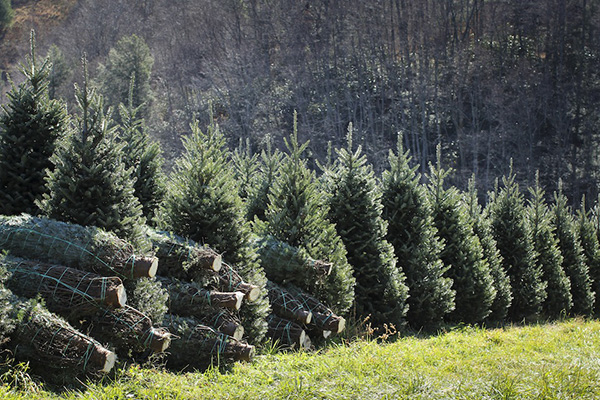
Photo: NC Christmas Tree Association, Google Maps contributor at a North Carolina Fraser fir farm.
Key Characteristics of Fraser Fir
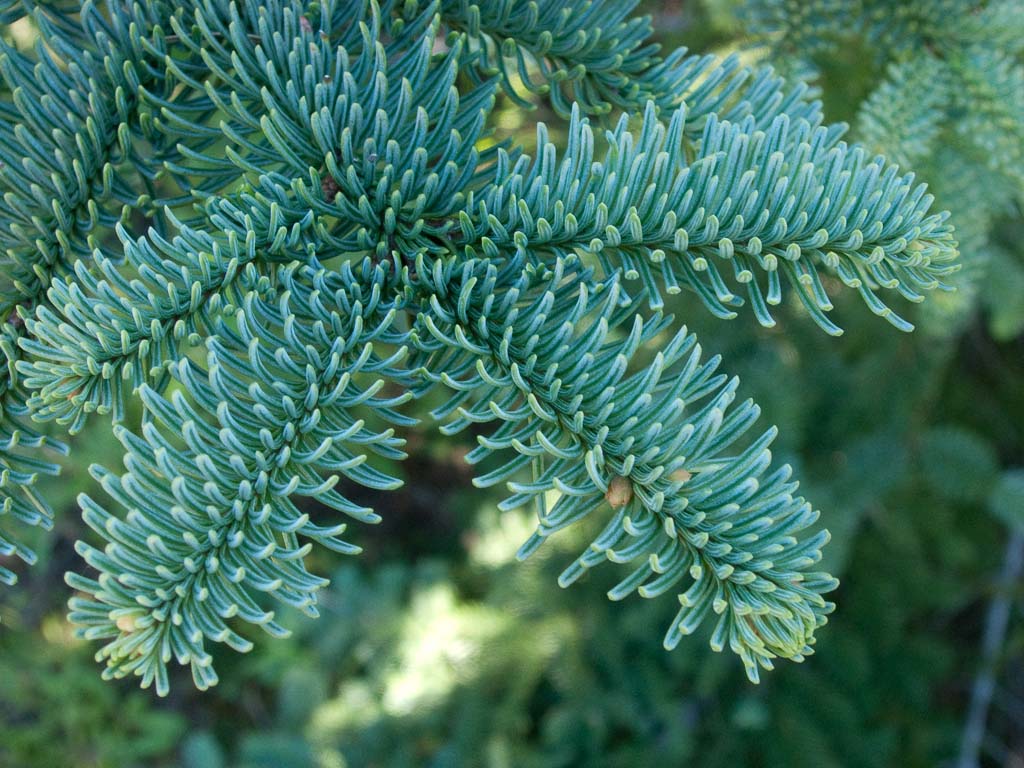
This species features short, dark green needles with a silvery underside, giving the tree a lovely, two-toned appearance; their classic pyramidal shape is naturally appealing. Fraser firs are known for their dense foliage and excellent durability, making them a wise investment for a long holiday season. They are truly a benchmark for Christmas tree quality.
Balsam Fir: The Aromatic Classic
The Balsam fir is renowned for its iconic, strong Christmas tree scent, which fills a room with a fresh, invigorating aroma; it's the quintessential smell of the holidays for many. While its needle retention is very good, it might not quite match the Fraser fir, though it still performs admirably throughout the season. Its dense, dark green foliage makes a beautiful backdrop for festive decorations.
Scent and Needle Detail of Balsam Fir
Balsam fir needles are short, flat, and dark green, often with two white stripes on the underside; they are soft and pleasant to the touch. The intoxicating fragrance is released simply by brushing against the needles, making it a truly immersive sensory experience. This tree offers a classic, full silhouette, ideal for traditional holiday displays.
Canaan Fir: A Robust Alternative
Canaan firs share many desirable traits with both Fraser and Balsam firs, making them a versatile choice; they offer good needle retention, a pleasant fragrance, and strong branches. This species is often more resilient to certain growing conditions, making it a robust option for farms in various regions. It's an excellent middle-ground option for those seeking fir qualities.
Durability and Appearance of Canaan Fir
With dense, dark green needles similar to Balsam firs but with slightly better adaptability to varied climates, Canaan firs are a durable choice; their branches are sturdy, holding ornaments well. They often have a slightly more open growth habit than Fraser firs, which can be appealing for showcasing individual ornaments. Consider this a reliable and attractive option.
Douglas Fir: A Full-Bodied Beauty
Douglas firs are characterized by their soft, dark green to blue-green needles that radiate in all directions from the branch, creating a very full and plush appearance; they also offer a sweet, citrusy fragrance when crushed. While their needle retention is generally good, it can be slightly less consistent than the best firs, so ensuring it's fresh-cut is key. These trees tend to grow quickly and can be quite bushy.
Soft Needles and Scent of Douglas Fir
The needles of a Douglas fir are soft and pliable, making decorating a comfortable task, particularly for families with young children; their scent is unique, a pleasant, somewhat fruity aroma distinct from the sharp notes of some other evergreens. This tree’s naturally wide and full shape fills a space beautifully, offering a classic Christmas tree silhouette. Ensure you check our [cut-your-own checklist] before heading out to choose yours.
Noble Fir: The Premium Choice
Noble firs are often considered a premium Christmas tree due to their striking appearance, excellent needle retention, and extremely strong branches; their stiff, blue-green needles are evenly spaced, creating a majestic, architectural look. These trees are particularly well-suited for heavy or oversized ornaments. They stand tall and proud, making a grand statement.
Unique Branch Structure and Color of Noble Fir
The unique branch structure of the Noble fir, with its widely spaced, stiff branches, gives it a sculptural quality; the needles are a distinctive blue-green, sometimes with a silvery cast, adding to its elegant appeal. This tree holds its needles exceptionally well, making it a long-lasting choice for the entire holiday season. Its beauty and strength are unmatched.
Popular Pine Tree Species for Christmas
Pine trees offer a different aesthetic and aroma compared to firs; their longer needles and often more open branching create a distinct look that many families adore. While some pines are known for shedding more than firs, selecting a fresh-cut pine can still provide a beautiful and long-lasting display. Pines typically have a more traditional, sharper pine scent.
White Pine: Soft and Elegant
The Eastern White Pine is celebrated for its long, soft, flexible needles that grow in bundles of five, giving the tree a delicate and feathery appearance; it has minimal fragrance, making it an excellent choice for those sensitive to strong scents. White pines also boast excellent needle retention, often rivaling firs, if kept properly watered. Their branches are generally less stiff than firs, so they are best suited for lighter ornaments.
Needle Characteristics and Scent of White Pine
Its distinctive blue-green needles are remarkably soft, making it very pleasant to handle during decorating; the lack of a strong aroma can be a benefit for some households. White pines often have a more open, airy structure compared to the dense growth of many firs, which can allow for a beautiful display of individual ornaments and lights. This tree offers a graceful and understated elegance.
Scotch Pine: A Robust and Popular Option
Scotch pine, or Scots pine, is a very popular Christmas tree choice, known for its stiff, sharp, dark green needles and its classic pine scent; it offers very good needle retention, often holding its needles well even when dry. Its sturdy branches can support a good amount of ornamentation, though its stiff needles can make decorating a bit pricklier than with softer varieties. Many [Farms Near Me] offer this widely cultivated species.
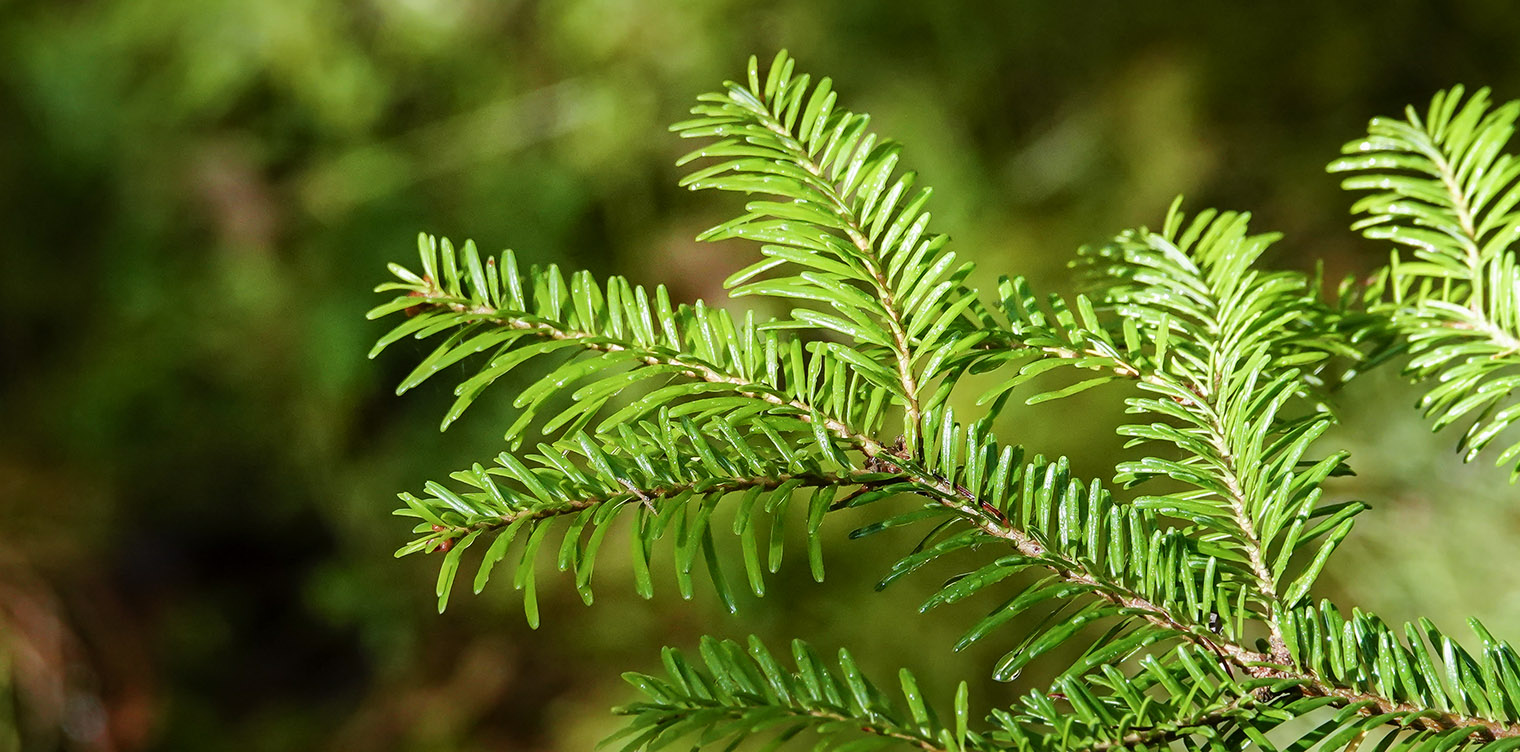
Photo: Adirondack Nature, Google Maps contributor at the Adirondack Mountains.
Durability and Shape of Scotch Pine
The Scotch pine is a durable tree, able to withstand various conditions, which contributes to its widespread popularity; it typically grows with a dense, conical shape, providing a full backdrop for holiday decor. Its vibrant green needles hold their color well throughout the season, maintaining a fresh look. This tree is a reliable and fragrant choice for many families.
Virginia Pine: A Southern Favorite
Virginia pine is a common choice in the southern United States, known for its short, stiff, twisted needles that grow in bundles of two; it has a pleasant, classic pine scent and good needle retention. This tree often has a more irregular, rugged shape compared to the perfectly conical firs, which can appeal to those looking for a tree with character. Its adaptability to warmer climates makes it a regional champion.
Appearance and Regional Appeal of Virginia Pine
The Virginia pine's needles are typically a yellowish-green, giving it a unique color among Christmas trees; its branches are strong and can support a variety of ornaments, though the twisting needles can sometimes make placement tricky. Its native range and resilience make it a sustainable and popular choice for Southern farms and families alike. This tree truly embodies a rustic, natural beauty.
Other Notable Christmas Tree Species
While firs and pines dominate the market, other evergreen species also make beautiful and unique Christmas trees; these options might offer specific qualities that perfectly match your needs or aesthetic preferences. Exploring these less common varieties can lead to a truly distinctive holiday centerpiece. For a deeper dive into specific varieties, consider browsing our full [tree species guide].
Leyland Cypress: The Allergen-Friendly Option
Leyland cypress is an excellent choice for individuals with allergies to traditional pine or fir sap, as it produces no pollen and very little fragrance; its soft, feathery, dark green needles are pleasant to the touch, and it boasts exceptional needle retention, often staying fresh for a very long time. This tree typically has a slender, elegant shape.
Hypoallergenic Qualities and Appearance of Leyland Cypress
Being largely hypoallergenic, the Leyland cypress allows more people to enjoy a real Christmas tree without discomfort; its dense foliage and graceful form make it a beautiful, lush option. Its branches are sturdy enough for most ornaments, and its unique texture adds a touch of sophistication to any holiday display. This tree provides a worry-free experience for sensitive individuals.
Colorado Blue Spruce: Distinctive Color
The Colorado blue spruce is instantly recognizable by its striking blue-gray to silvery-blue needles, offering a unique departure from the traditional green Christmas tree; its stiff, sharp needles are very sturdy, excellent for holding heavy ornaments, but can be quite prickly to handle. This species has fair to good needle retention and a moderate, pleasant scent.
Prickly Needles and Visual Impact of Blue Spruce
While the sharp needles require gloves for comfortable decorating, the visual impact of a blue spruce is undeniable; its distinct color makes ornaments pop, creating a truly spectacular display. It typically has a dense, symmetrical conical shape, making it a grand statement piece. For a truly memorable and visually stunning tree, the blue spruce is an outstanding choice. According to the National Christmas Tree Association, the Blue Spruce is one of the most popular species grown.

Photo: Oregon State University, Google Maps contributor at Pacific Northwest Douglas fir forest.
Final Considerations Before Purchasing
Once you've narrowed down your preferred species, there are a few more details to keep in mind as you make your final selection on the farm; these practical tips ensure you bring home a healthy, long-lasting tree. Don't forget to check our [season calendar] to find the best time to visit your local farm for the freshest selection.
Freshness is Key
Regardless of species, the freshness of your tree is paramount for good needle retention; a fresh tree will have pliable needles that don't easily fall off when you gently pull a branch or bounce the tree. The stump should feel sticky with sap, indicating it was recently cut. Always choose a tree that looks vibrant and green, not dry or brittle.
Measuring Your Space
Before leaving home, accurately measure the height of your ceiling and the width of the space where the tree will stand; remember to account for the tree stand and any tree topper when considering height. A tree that's too tall or too wide can overwhelm a room or simply not fit. This simple step prevents disappointment and ensures your chosen tree is perfectly proportioned for your home.