Christmas Tree Fire Safety: Enjoy the Season, Stay Secure
Published August 22, 2026 · By Christmas Tree Farm Finder

The crisp air bites at your cheeks as you step onto the frost-kissed field; the scent of pine and fir washes over you, a familiar perfume of the season. Choosing a Christmas tree is a cherished ritual for many families, a pilgrimage to find that perfect, fragrant centerpiece. While the joy of a real tree is undeniable, prudent safety measures are essential to ensure the holiday season remains merry and bright, free from unnecessary alarm.
The Reality of Christmas Tree Fires
Let's address the elephant in the room directly; Christmas tree fires are statistically rare. When they do occur, however, they can be devastating. Understanding the actual risks, rather than succumbing to exaggerated fears, empowers us to take effective preventative steps without diminishing the magic of a fresh tree. Most incidents are preventable, stemming from neglect rather than inherent danger.
Selecting a Fresh Tree from a Reputable Farm
The foundation of a safe Christmas tree experience begins right at the farm. When you visit one of the many wonderful Farms Near Me, look for vibrant, green trees. Run your hand over the needles; they should be pliable and adhere firmly to the branch, not brittle or easily shedding. Lift the tree a few inches and then drop it; very few green needles should fall, indicating excellent freshness.
Why Freshness Matters for Fire Safety
A well-hydrated tree is a safe tree; a dry tree is a potential hazard. Freshly cut trees, especially those harvested just days before they reach the lot or that you cut yourself, retain significantly more moisture. This high moisture content makes them far less susceptible to ignition. Always prioritize a tree that feels heavy for its size, a sign of abundant water within its tissues.
Hydration is Your Tree's Best Friend
Once your chosen tree is home, immediate and continuous hydration becomes your primary defense. Think of it as a living organism, still needing nourishment even after being cut. This simple act is the single most critical step in maintaining your tree's safety throughout the holiday season. Neglecting water is the quickest way to create a fire hazard.
How to Prepare Your Tree for Water Absorption
Before bringing your tree inside and placing it in its stand, make a fresh cut across the trunk's base, about an inch from the bottom. This re-opens the tree's pores, which quickly seal with sap once cut. Use a sharp saw to remove a thin slice; do not cut it at an angle or V-shape, as this can prevent it from sitting flat and restrict water uptake.
The Importance of a Good Tree Stand
A sturdy tree stand with an ample water reservoir is non-negotiable. Choose a stand that can hold at least a gallon of water for larger trees; smaller trees will still need a substantial reservoir. Check the water level daily, especially during the first week when the tree drinks prodigious amounts. Refill as needed, ensuring the base of the trunk is always submerged.
Strategic Tree Placement in Your Home
Where you place your tree inside your home significantly impacts its safety. Thoughtful placement minimizes exposure to heat sources and ensures clear escape routes. This planning step takes only a few moments but yields substantial peace of mind. Consider the layout of your room carefully before deciding on a spot.
Avoiding Heat Sources and High-Traffic Areas
Position your Christmas tree well away from fireplaces, heat vents, radiators, and any other heat-generating appliances. Heat accelerates drying, making your tree more flammable. Similarly, avoid placing the tree in high-traffic areas where it could be accidentally bumped or where children or pets might interfere with lights or decorations. This also ensures clear pathways, which is crucial for safety.
Maintaining Clear Escape Routes
Always ensure your Christmas tree, no matter how beautifully decorated, does not obstruct exits or pathways. In the unlikely event of an emergency, quick and easy egress is paramount. Keep all doors and windows that could serve as escape routes clear and accessible. Safety should always take precedence over aesthetic considerations.
The Safe Use of Tree Lights
Modern LED Christmas lights are significantly safer than older incandescent strands; they produce far less heat and are more energy- efficient. However, any electrical item carries some inherent risk. Inspecting your lights and using them correctly eliminates the vast majority of potential electrical hazards.
Inspecting Light Strands Annually
Before decorating, meticulously inspect all light strands, new and old. Look for frayed wires, broken sockets, loose connections, or cracked insulation. Discard any damaged strands immediately; attempting repairs on damaged lights is a risky endeavor. Only use lights approved by a recognized testing laboratory, such as UL (Underwriters Laboratories); this label provides an assurance of safety standards.
Proper Electrical Connections
Avoid overloading electrical outlets. Use no more than three standard-size sets of lights per extension cord, and choose heavy-duty extension cords for outdoor use. Never run cords under rugs or carpets, as this can damage insulation and create a fire hazard. Always unplug tree lights when you leave the house or go to bed, even if they are LED.
Decorations and Flammability
While the tree itself is the primary concern for fire safety, the decorations you hang can also play a role. Many traditional ornaments are not highly flammable, but some items, especially those with paper, fabric, or tinsel, warrant a second look. Awareness of material properties is key.
Choosing Non-Flammable or Flame-Resistant Decorations
Whenever possible, opt for non-flammable or flame-resistant decorations. Many newer ornaments and decorative items are explicitly labeled as such. Avoid placing candles, even unlit ones, on or near the tree; a momentary lapse could have severe consequences. Consider how a decoration might interact with lights or if it could easily fall into a heat source.
Monitoring Your Tree's Condition
Your Christmas tree will naturally dry out over time, even with diligent watering. Recognizing the signs of excessive dryness is crucial for knowing when it's time to take the tree down. Regular monitoring allows for a proactive approach to safety. This is where your senses become important tools.
Recognizing a Dry Tree
A truly dry tree will show obvious signs; its needles will be brittle, easily shedding to the touch, and often lose their vibrant green hue. The branches might feel stiff and rigid, rather than flexible. If you lift the tree and tap it gently on the ground, a shower of needles indicates it's too dry and has become a fire risk. At this point, it's time for the tree to come down.
Knowing When to Take the Tree Down
Generally, a well-watered, fresh tree can last for three to four weeks. However, don't rely solely on the calendar; rely on the tree's condition. If you notice significant needle drop or the tree is no longer absorbing water readily, it's time to remove it from your home. Plan for its removal and consider sustainable options like tree recycling in your community.
Equipping Your Home for Fire Safety
Beyond tree-specific precautions, a well-prepared home offers an additional layer of protection. These are general fire safety practices that everyone should implement, regardless of whether they have a real or artificial tree. Being prepared can make all the difference in an emergency.
Installing and Testing Smoke Detectors
Ensure you have working smoke detectors on every level of your home, especially near sleeping areas. Test them monthly and replace batteries annually. Carbon monoxide detectors are also vital. These devices provide early warning, which is critical for safe evacuation. This simple maintenance task is often overlooked.
Keeping a Fire Extinguisher Handy
A readily accessible, functioning fire extinguisher is a wise investment for any home. Familiarize yourself with its operation before an emergency arises. A small, contained fire can often be extinguished quickly if caught early. For more information on home fire safety, the National Christmas Tree Association offers excellent resources.
Developing a Family Escape Plan
In the unlikely event a fire does occur, having a clear, practiced escape plan is paramount. Every member of the household, especially children, should know what to do. This plan should be discussed and rehearsed regularly, not just once at the beginning of the holiday season.
Practicing Your Escape Route
Identify at least two escape routes from each room. Establish a designated outdoor meeting place a safe distance from your home. Practice your escape plan periodically so everyone knows how to get out quickly and safely. This preparedness fosters confidence and can prevent panic during a crisis.
Embracing the Holiday Spirit Safely
The warmth, scent, and tradition of a real Christmas tree are integral to many holiday celebrations. By following these straightforward safety guidelines, you can enjoy your beautiful tree without undue worry or fear-mongering. Choose your tree wisely; water it diligently; place it thoughtfully; check your lights; monitor its condition. These simple, actionable steps ensure your holiday season is filled with joy, not anxiety. And if you're ever curious about specific varieties or want to browse Christmas tree farms by state, our resources can help you find that perfect evergreen companion for your celebration.
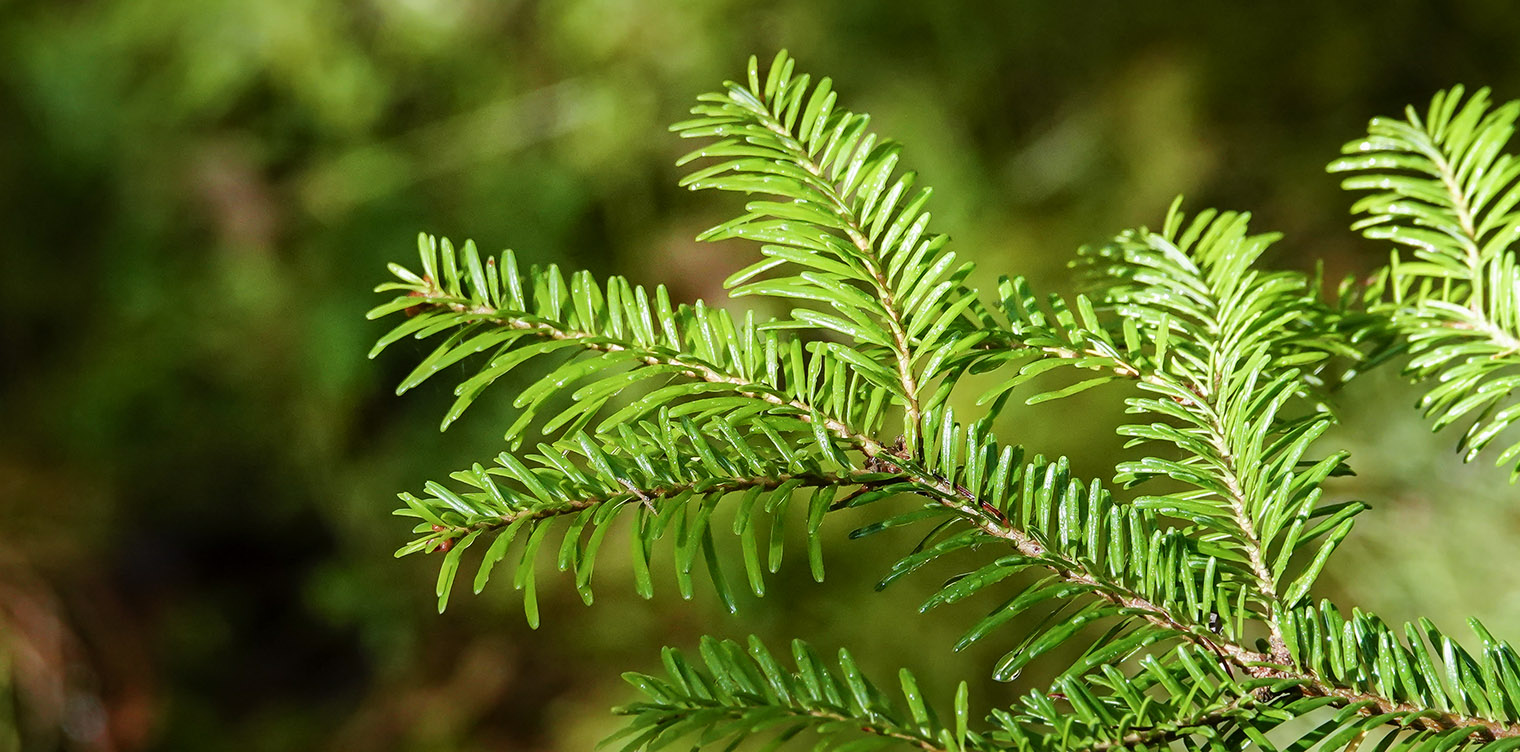
Photo: Adirondack Nature, Google Maps contributor at the Adirondack Mountains.

Photo: Oregon State University, Google Maps contributor at Pacific Northwest Douglas fir forest.
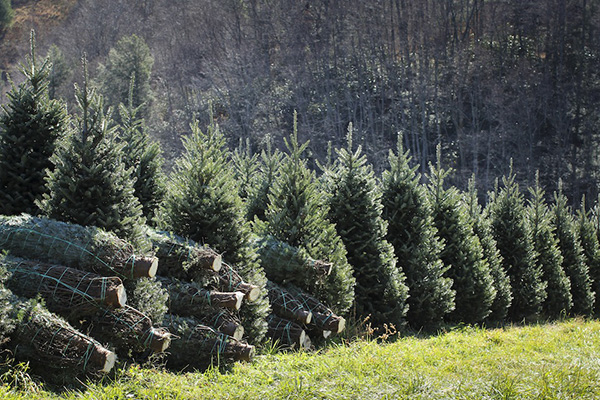
Photo: NC Christmas Tree Association, Google Maps contributor at a North Carolina Fraser fir farm.