Christmas Tree Fire Safety: Practical Advice Not Panic
Published July 17, 2026 · By Christmas Tree Farm Finder

The scent of pine needles, the soft glow of lights, the feeling of togetherness; a real Christmas tree is a centerpiece of holiday cheer for many families. Yet, as the festive season approaches, so too does a familiar whisper of concern about fire safety. It’s a valid consideration, but one that often gets amplified into undue fear. Instead of fear-mongering, let's explore practical, sensible steps that ensure your tree remains a source of joy, not anxiety. A little knowledge and preparation go a long way in enjoying your beautiful fir or spruce without a second thought. My family has enjoyed a real tree every year of my life, and with basic precautions, yours can too.
The Real Story on Tree Fires
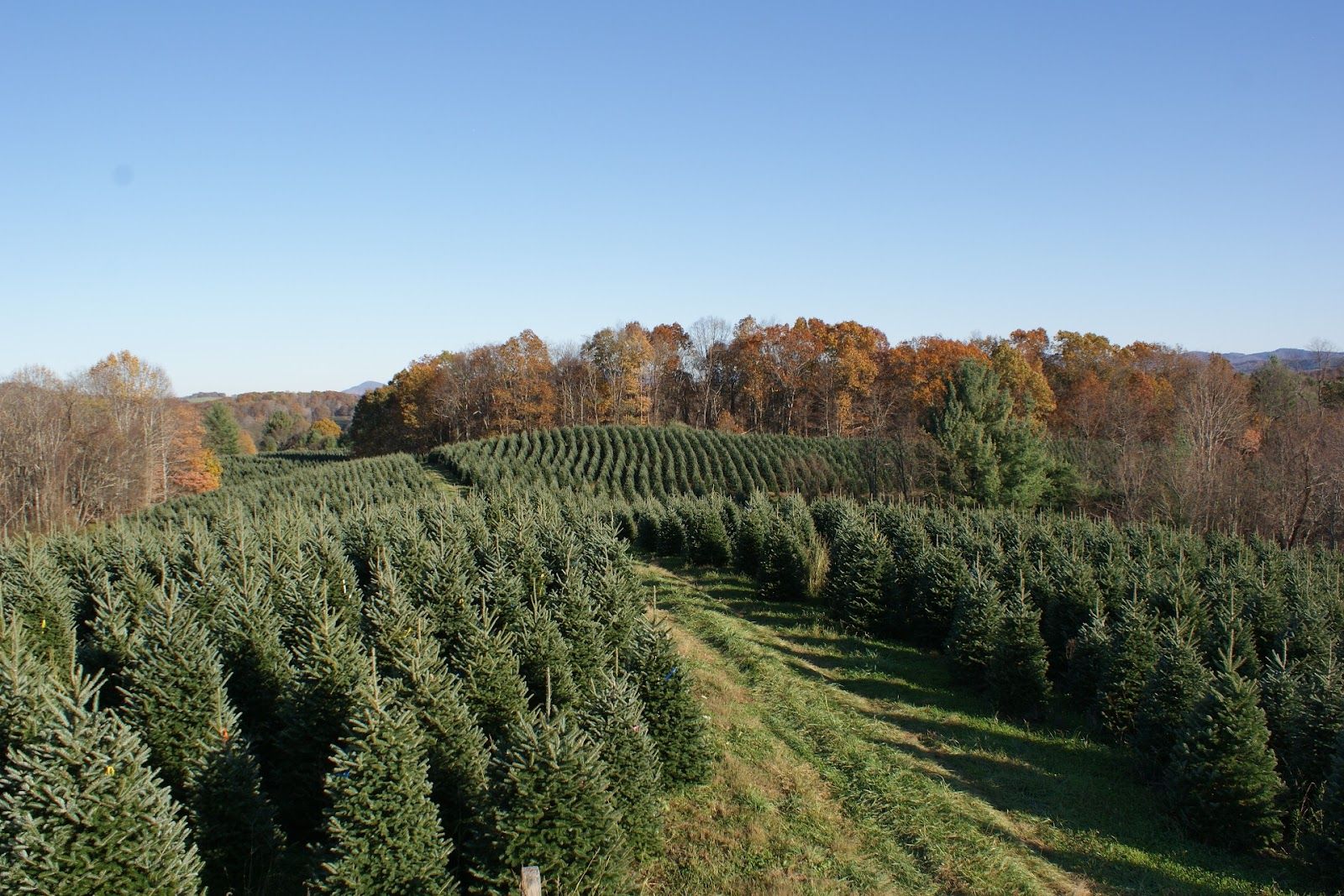
Photo: Carolina Fraser Fir Co, Google Maps contributor at Carolina Fraser Fir Co.
Before we dive into solutions, let's understand the problem without exaggeration. Christmas tree fires, while serious when they occur, are actually quite rare. The National Fire Protection Association (NFPA) reports that U.S. fire departments respond to an average of 160 home fires per year that began with a Christmas tree. When you consider the millions of real trees displayed annually, this number puts the risk into perspective. Also, electrical distribution or lighting equipment is cited as the source of ignition in about one-third of these fires. This data suggests that proper tree maintenance and careful handling of lights are key areas for prevention; it's not the tree itself that's inherently dangerous, but how we interact with it and adorn it.
Choosing the Right Tree
Your first line of defense against a dry tree fire starts at the farm or lot. A fresh tree is a safe tree. When you're picking out your perfect evergreen, don't be shy about checking its vitality. Run your hand over the needles; they should be pliable and green, not brittle or falling off easily. Lift the tree a few inches and then drop it gently on its trunk end. Very few green needles should fall. If a shower of needles rains down, that tree is already too dry and should be avoided. Ask the farm attendants about when the trees were harvested. Most reputable farms prioritize freshness and can tell you when they cut their stock.
Different Species Also Have Varying Moisture Retention Capabilities
Different species also have varying moisture retention capabilities. Fraser Firs, Noble Firs, and Canaan Firs are often praised for their excellent needle retention. Pine varieties like Scotch Pine and White Pine also tend to hold their needles well. Your local tree farm or vendor can offer specific advice based on their inventory. Don't underestimate the impact of this initial choice; a healthy, fresh tree is far less likely to become a fire hazard later on.
Hydration Is Key: Treat Your Tree Like a Cut Flower

Photo: Carolina Fraser Fir Co, Google Maps contributor at McCurdys Tree Farm and Landscaping.
Once you've brought your magnificent tree home, think of it as a giant, thirsty cut flower. Its primary need is water, and plenty of it. Even if you plan to put it up immediately, it's wise to give the trunk a fresh cut. Before placing it in the stand, saw about a half-inch off the bottom of the trunk. This opens up the tree's pores, allowing it to drink water effectively. Without this fresh cut, a hardened sap layer can form, preventing water absorption.
Next Select A Sturdy Tree Stand That Holds At Least A Gallon Of Water
Next, select a sturdy tree stand that holds at least a gallon of water, preferably more. Many smaller stands look convenient but simply don't provide adequate capacity. Check the water level daily, especially during the first week when the tree will be most thirsty. You might be surprised how much water it consumes; a fresh tree can drink several quarts in the first 24 hours. A good rule of thumb is to ensure the water level never drops below the bottom of the trunk.
Avoid Adding Anything To The Water Like Sugar Aspirin Or Commercial Ad
Avoid adding anything to the water, like sugar, aspirin, or commercial additives. Plain tap water is all your tree needs. These additives are largely unproven and can sometimes even be detrimental. The goal is simple: continuous, unobstructed access to fresh water.
Placement and Proximity: Where Does Your Tree Belong?
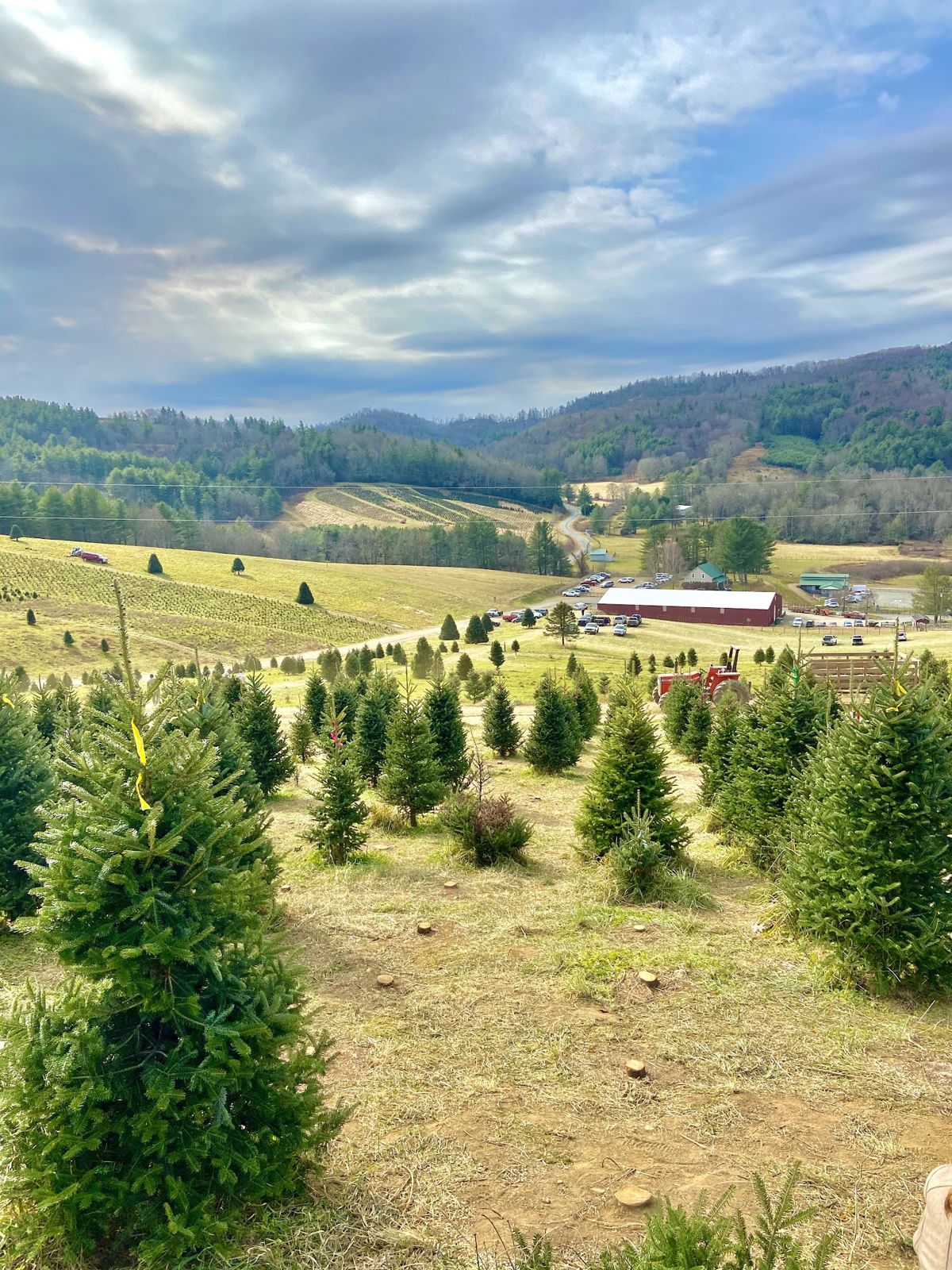
Photo: Carolina Fraser Fir Co, Google Maps contributor at Lil Grandfather Choose and Cut.
Where you place your tree in your home is just as important as how you care for it. Keep it well away from heat sources. This includes fireplaces, radiators, heating vents, and even direct sunlight from a window. Heat accelerates the drying process, making your tree more susceptible to fire. Maintain at least a three-foot clearance from all heat sources.
Consider Its Proximity To Exits
Also, consider its proximity to exits. In the unlikely event of a fire, your tree should not obstruct common pathways or emergency exits. Place it where it can be admired without impeding movement. If you're decorating with lights, ensure the tree is also away from any drapes, curtains, or other flammable materials that could come into contact with the warm bulbs if they were faulty or overheated.
Lighting It Up Safely
Christmas tree lights are beautiful, but they are also the most common cause of tree-related fires. Always use lights that are certified by a recognized testing laboratory, such as UL (Underwriters Laboratories). Look for the UL mark on the packaging. These lights have undergone rigorous safety testing.
Inspect All Light Strings Before You Put Them On The Tree
Inspect all light strings before you put them on the tree. Check for frayed wires, broken sockets, or cracked insulation. Discard any damaged strings; they are not worth the risk. Don't overload electrical outlets; follow the manufacturer's recommendations for how many strings can be safely connected end-to-end. Typically, this is no more than three standard strands.
Turn Off All Christmas Tree Lights When You Leave The House And Before
Turn off all Christmas tree lights when you leave the house and before you go to bed. This is a simple, yet incredibly effective, safety measure. Consider investing in a timer to automate this process; it offers peace of mind and ensures consistency. Opt for LED lights if you're buying new ones. They run cooler, use less energy, and are generally more durable than incandescent bulbs, reducing the risk of overheating.
Monitoring and Disposal: Knowing When Your Tree Has Run Its Course
Even with diligent watering, your evergreen will eventually dry out. Typically, a fresh, well-maintained tree can last three to four weeks indoors. Pay attention to signs of drying: needles that easily fall off, especially when touched, and a general dullness in the tree's appearance. The moment your tree starts shedding needles profusely when you brush against a branch, it's time for it to come down. Do not wait until New Year's Day out of stubborn tradition if the tree is clearly past its prime.
Once Removed From Your Home Do Not Store A Dry Tree In Your Garage Bas
Once removed from your home, do not store a dry tree in your garage, basement, or against your house. These dried trees are extremely flammable. Contact your local municipality or waste management service for information on Christmas tree recycling or disposal programs. Many communities offer curbside pickup or drop-off locations where trees are chipped into mulch, giving them a second life.
Be Prepared: Smoke Detectors and Fire Extinguishers
While prevention is paramount, preparedness is also crucial. Ensure you have working smoke detectors on every level of your home and inside and outside sleeping areas. Test them monthly. Replace batteries annually, or if they're sealed units, replace the entire detector according to the manufacturer's guidelines, typically every ten years. A functional smoke detector can provide critical early warning, saving lives.
Consider Having A Fire Extinguisher Readily Accessible In Your Home
Also, consider having a fire extinguisher readily accessible in your home. An ABC-rated extinguisher is suitable for most household fires, including electrical and ordinary combustibles. If a fire does occur, and you can extinguish it quickly and safely, do so. If not, evacuate immediately and call 911.
Embrace the Holiday, Safely
Bringing a real Christmas tree into your home is a beautiful, multisensory tradition. It connects us to nature and fills our homes with festive spirit. By understanding a few simple facts and taking sensible precautions, you can enjoy this tradition safely and without undue worry. Choose a fresh tree, keep it well-watered, place it wisely, use safe lights, and know when to dispose of it. These proactive steps ensure that your Christmas tree remains a symbol of warmth and cheer, bringing joy to your family throughout the holiday season. Happy decorating, and have a safe and wonderful holiday
Keep exploring
When you are ready to plan a visit, the season calendar shows what is open where, and the cut-your-own checklist walks through what to bring. If you are still deciding on a variety, the tree species guide compares needle retention, aroma, and branch strength. To find a grower this weekend, use farms near me or browse Christmas tree farms by state; after the holidays, the tree recycling page lists mulching and drop-off options. For industry-level background on growing regions, species trends, and care research, the National Christmas Tree Association publishes annual reports and consumer guidance.