Christmas Tree Safety: Practical Tips for a Fire-Free Holiday
Published August 29, 2026 · By Christmas Tree Farm Finder

There’s nothing quite like the crisp scent of pine filling your home during the holiday season; it’s a sensory memory etched into many of us from childhood. Bringing a real Christmas tree indoors, a piece of nature from a frosty field, creates an unmatched ambiance. While thoughts of holiday fires can be alarming, a few simple, sensible precautions allow us to enjoy our beautiful trees without undue worry.
The Reality of Tree Fires
While the imagery of a rapidly burning Christmas tree is vivid and concerning, the actual statistics tell a more reassuring story. According to the National Fire Protection Association, real Christmas tree fires are remarkably rare; they account for a very small fraction of all residential fires. Most incidents involve electrical issues or a tree that has become extremely dry, not some inherent volatility. Understanding this helps us approach safety with practical steps rather than undue panic.
Low Incidence, High Impact
Though rare, when a Christmas tree fire does occur, it can be devastating, given the tree's potential for rapid combustion if severely neglected. This isn't a reason to forgo a real tree, however; it simply underscores the importance of mindful care. A healthy, well-maintained tree is a safe tree; a neglected one poses a risk. Our goal is always to keep that beautiful, fresh greenery vibrant throughout the season.
Choosing a Healthy Tree from the Start
Your fire safety journey begins not at home, but on the farm itself. When you visit one of the many Farms Near Me, look for signs of freshness. A fresh tree will have pliable needles that don't easily fall off when you gently tug a branch. The trunk should feel sticky with sap.
Assessing Freshness on the Farm
A great test for freshness is to lift the tree a few inches and then drop it onto its stump end; very few green needles should fall off. If needles rain down, that tree is already past its prime and will dry out quickly. Whether you’re browsing pre-cut options or enjoying the experience of a cut-your-own checklist adventure, prioritizing freshness is your first and most effective fire deterrent.
The Critical First Step: The Fresh Cut
Before you ever bring your tree indoors, you must make a fresh cut across the base of the trunk. This is non-negotiable. A tree's trunk, once cut, quickly forms a seal of sap to protect itself, much like a scab. This seal prevents the tree from absorbing water.
Why a Clean Cut Matters So Much
A thin, half-inch slice from the bottom of the trunk removes this seal, exposing fresh, thirsty wood that can drink water effectively. Without this fresh cut, your tree will struggle to hydrate, drying out prematurely even if its stand is full of water. Many farms offer to make this cut for you before you load the tree, saving you the trouble at home.
Hydration is Your Best Defense
Once that fresh cut is made, the race to hydration begins. Your tree needs to be placed in water as quickly as possible. Don’t let it sit dry in your garage for days. A well-hydrated tree is far less susceptible to fire than a dry one; it's as simple as that.
Maintaining Consistent Water Levels
Check your tree stand’s water reservoir daily, sometimes twice a day for the first week. Trees can drink an astonishing amount of water, especially a large one, so be vigilant. Some larger trees might absorb a gallon or more in their first 24 hours. Let the water level drop too low, and that sap seal can re-form, sending you back to square one.
Strategic Placement in Your Home
Where you place your tree inside your home is just as important as how you care for it. Think about heat sources and egress. Avoid putting your tree near fireplaces, heat vents, radiators, or any other heat-generating appliances.
Keeping Clear of Heat and Pathways
Place your tree in a spot where it won’t block exits or pathways, and where it has plenty of space around it. This not only keeps it safer from heat sources but also prevents it from becoming an obstruction in an emergency. Giving your tree room to breathe also helps prevent accidental tip-overs.
Lighting Your Tree Safely
Christmas tree lights have come a long way, but they still require attention. Always use lights specifically rated for indoor use and ensure they are certified by a recognized testing laboratory like UL. Check older light strands for frayed wires, cracked sockets, or loose connections.
Modern LED Advantages
Consider upgrading to LED lights. They consume less electricity, run cooler, and are much more durable than traditional incandescent bulbs. This reduces the risk of overheating and helps keep your tree fresh longer, as excessive heat can encourage drying.
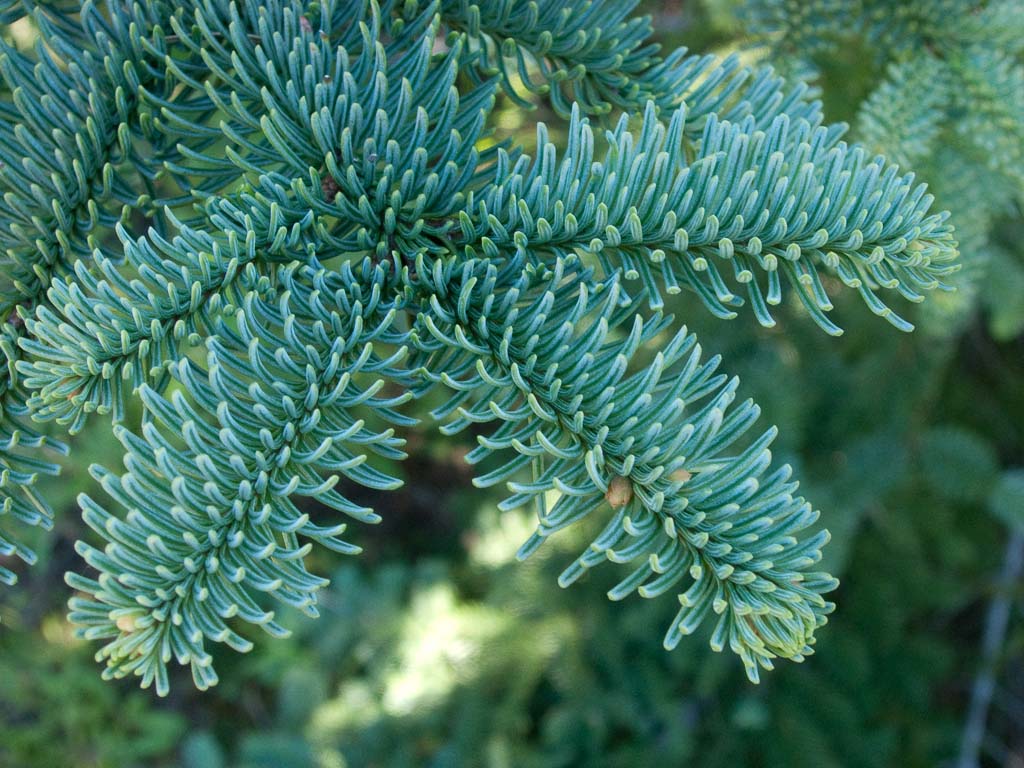
Photo: The Gymnosperm Database, Google Maps contributor at Pacific Northwest noble fir.
Decorating with Care
When adorning your tree, pay attention to the types of decorations you use. Avoid placing highly flammable materials, such as cotton batting or paper ornaments, directly near light bulbs. Distribute decorations evenly, ensuring the tree remains stable and balanced.
Avoiding Electrical Overload
Do not overload electrical outlets. Use power strips with surge protectors if necessary, but never daisy-chain multiple power strips together. A single dedicated outlet for your tree lights is ideal. Unplug lights when you leave the house or go to bed. It’s a simple habit that adds an extra layer of safety.
Monitoring Your Tree Throughout the Season
Your tree will naturally dry out over time, even with diligent watering. Keep an eye on its freshness. Are needles becoming brittle? Are they falling off easily when you gently touch a branch?
When It's Time to Say Goodbye
As the holidays wind down, your tree's thirst will diminish, and its needles will become less flexible. A visibly dry tree is a fire hazard. The moment needles start to brown and fall off in significant numbers, it's time to remove your tree from your home. Don't wait until January or February; earlier is always safer. Look for local tree recycling programs to dispose of your tree responsibly.
Emergency Preparedness
While rare, it’s always wise to be prepared for any emergency. Ensure your smoke detectors are working, and test them regularly. Know your escape routes from your home.
Fire Extinguisher Accessibility
Consider having a fire extinguisher readily accessible and know how to use it. These simple precautions aren't about fearing your tree; they’re about being a responsible homeowner and ensuring peace of mind during a joyful time. With proper care and a little foresight, your real Christmas tree will be a safe and beautiful centerpiece for your holiday celebrations.

Photo: Oregon State University, Google Maps contributor at Pacific Northwest Douglas fir forest.
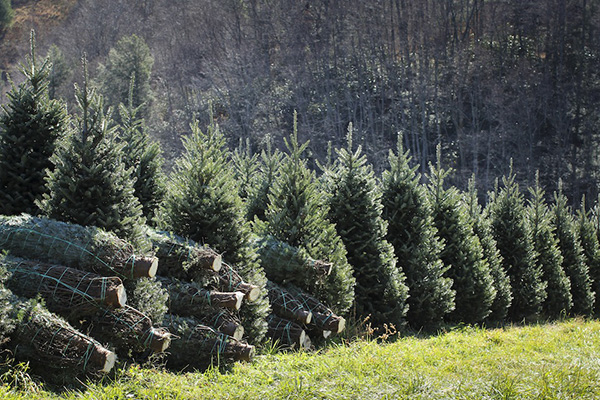
Photo: NC Christmas Tree Association, Google Maps contributor at a North Carolina Fraser fir farm.