Small Family Farms vs. Big-Box Stores: What Changes for Buyers?
Published July 22, 2026 · By Christmas Tree Farm Finder
The air bites a little sharper in December; the scent of pine is suddenly everywhere. For many families, the annual quest for the perfect Christmas tree is a cherished ritual, a tangible start to the holiday season. This quest invariably leads to a choice: will it be the sprawling, often bustling, big-box tree lot, or the more intimate, perhaps quieter, charm of a small family farm? This decision often shapes more than just the tree you take home; it defines the entire experience.
The Journey to the Tree: Setting the Scene
Atmosphere and Ambiance on the Farm
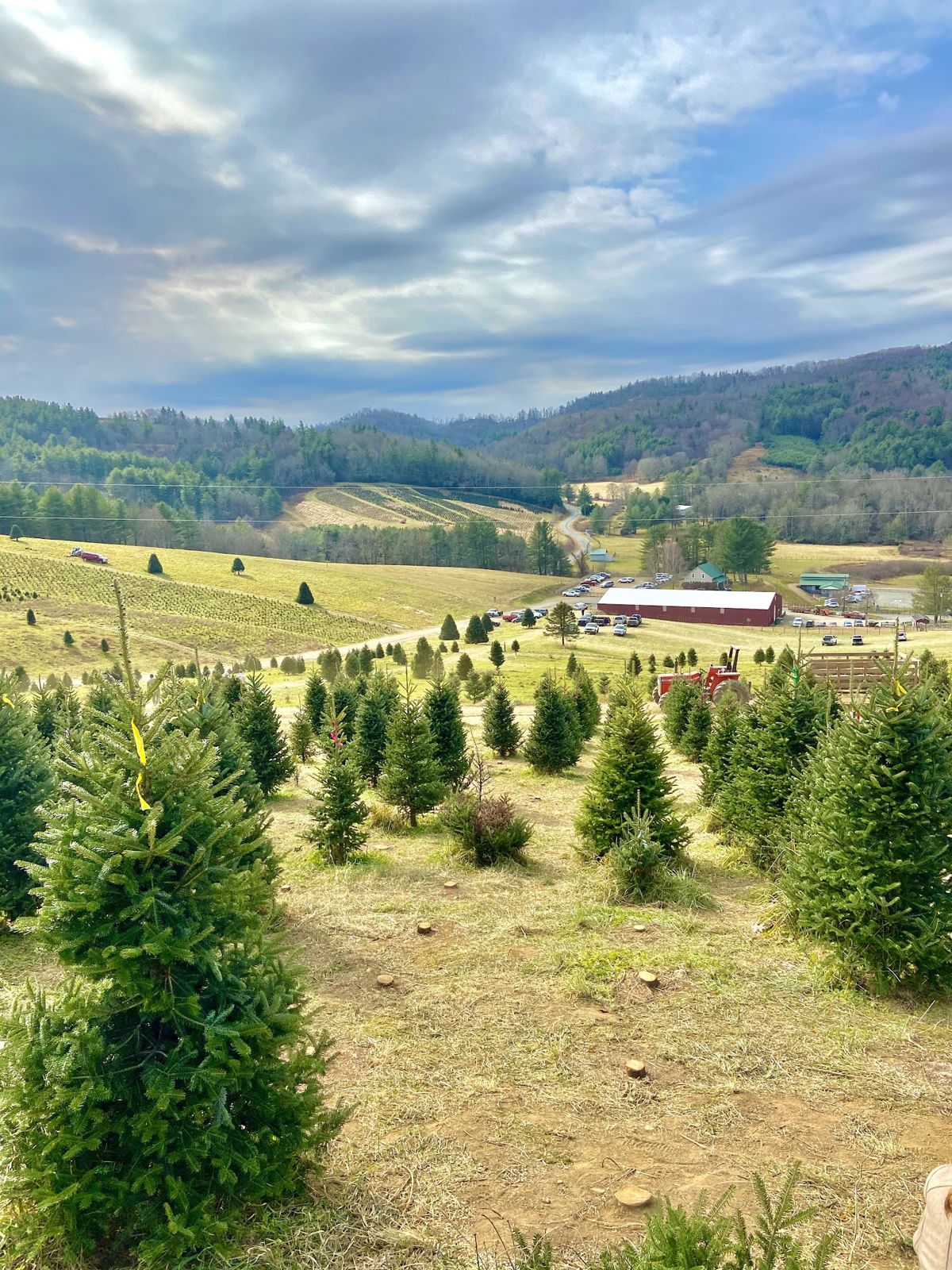
Stepping onto a family farm is an experience for all the senses. You might hear the distant ring of an axe, the laughter of children bundled in scarves, or the crunch of frozen earth underfoot; it is a sensory immersion. The air is crisp and clean, typically carrying the potent aroma of thousands of fresh conifers, a fragrance that can genuinely fill you with holiday spirit. This setting often feels like a step back in time, offering a nostalgic and authentic beginning to festivities.
The Dynamics of a Big-Box Lot
Big-box lots, by contrast, are efficient operations. They are designed for volume and convenience; trees are neatly arranged, often netted, and ready for a quick transaction. While the selection can be vast, the atmosphere is generally more transactional, less contemplative than a farm. Here, the hum of traffic and often the distant sounds of a shopping center replace the quiet rustle of pine needles.
Tree Selection: Variety, Freshness, and Guidance
Direct From the Field: Unparalleled Freshness
On a small family farm, particularly a cut-your-own operation, your tree's freshness is guaranteed. You are often walking through rows of trees that were growing in that very spot just moments before you chose one; this direct connection means unmatched quality. The needles will be supple and fragrant, and the tree will hold its moisture far longer than one that has traveled.
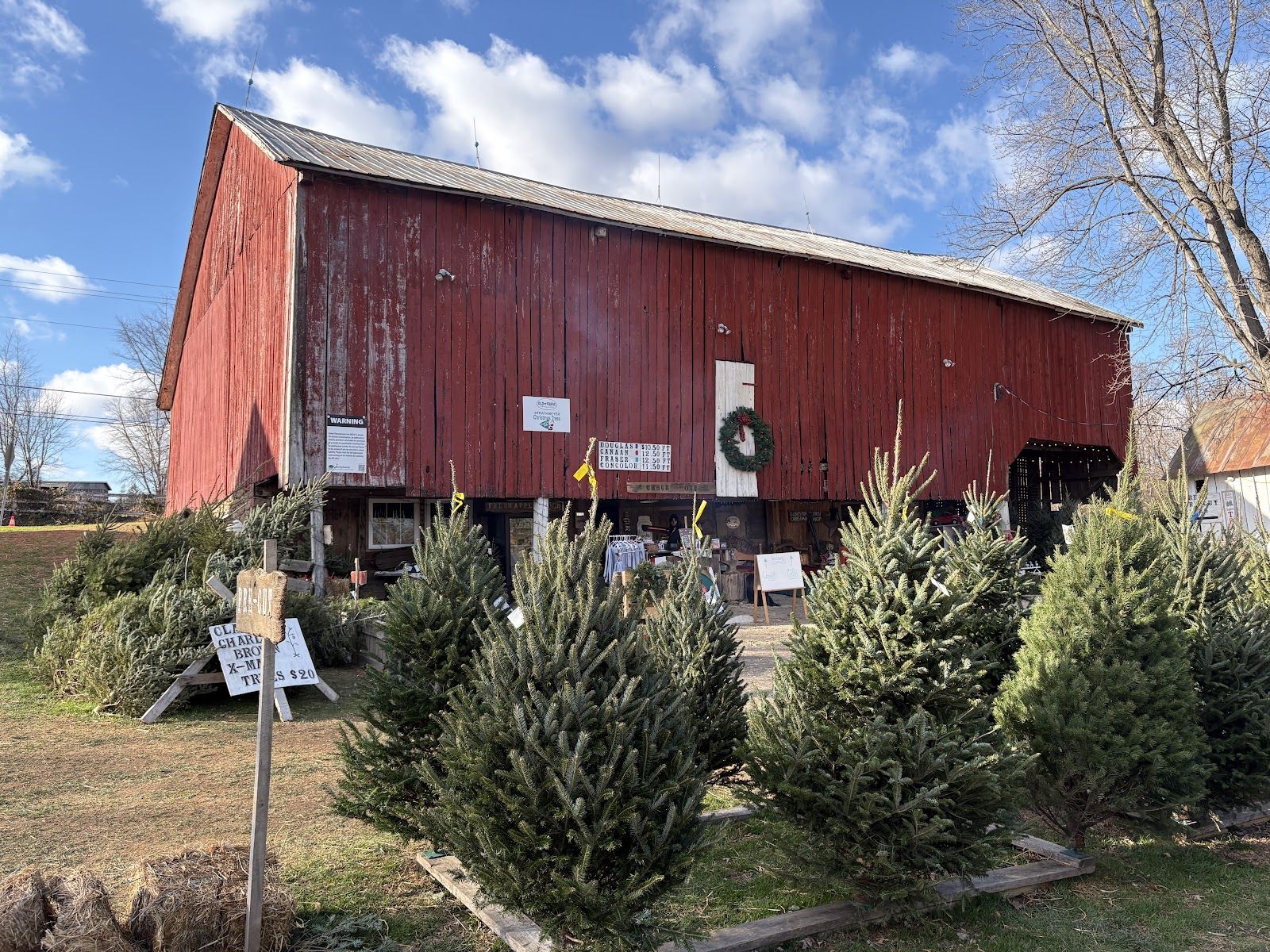
Photo: Old Forge Family Farm, Google Maps contributor at Old Forge Family Farm.
The Curated Selection at Big-Box Lots
Big-box lots offer convenience, with trees already severed, sorted, and displayed. The selection can be impressive, often featuring species not typically grown locally; however, these trees have often been cut weeks earlier and transported long distances. While generally still beautiful, their freshness might be compromised, impacting how long they last in your living room. A little research on tree species guide can help you pick wisely.
Expert Advice and Personal Stories
On a family farm, you often interact directly with the growers or their close-knit staff. These individuals possess a deep knowledge of their trees, offering personalized advice on care, species characteristics, and even sharing anecdotes about the farm's history; this personal touch enriches the buying experience. They can help you select a tree perfect for your home and advise you on the best way to transport it.
Standardized Service at Retailers
At a big-box lot, the sales staff are usually knowledgeable about pricing and dimensions, but their expertise might not extend to the nuances of tree cultivation or long-term care. Their focus is often on efficient customer flow; while helpful, the interaction is less personal, reflecting a different business model. It is more about moving product than sharing passion.
The Financial Implications: Value and Cost
Pricing Structure on the Farm
Small family farms often price their trees based on height, sometimes with a flat rate for certain sections of the field. While the initial sticker price for a cut-your-own tree might sometimes be comparable to, or slightly higher than, pre-cut big-box options, you are paying for an experience and guaranteed freshness. This cost also often supports local agriculture directly; it's an investment in your community.
Cost-Effectiveness at Big-Box Retailers
Big-box stores can leverage economies of scale, often offering competitive pricing, especially on mass-produced varieties. Their prices can fluctuate, sometimes drastically, as Christmas approaches and they aim to clear inventory; a last-minute deal might be found, but selection will be limited. It is often about securing a bargain for a pre-cut option.
Supporting Local and Environmental Considerations
The Local Economy and Community Impact
Choosing a small family farm means directly supporting local families and their livelihoods. These farms are often pillars of their communities, contributing to the local economy and preserving green spaces; it is a choice that resonates far beyond the single tree you purchase. This helps maintain a cherished local tradition for future generations.
Environmental Footprint of Farms
Many family farms operate with sustainable practices, replanting trees annually and managing their land responsibly. Real Christmas trees are a renewable resource that captures carbon dioxide as they grow; choosing a locally grown tree minimizes transportation emissions. Learn more about their journey and when to find them with our season calendar.
The Broader Supply Chain of Retail Lots
Big-box stores source their trees from a wider geographical area, which means increased transportation costs and a larger carbon footprint. While they provide access to a broader market, the direct support for a specific local economy is diminished. The sheer volume they handle also necessitates different logistical considerations.
The Overall Experience: More Than Just a Tree
Creating Lasting Family Memories
The act of venturing into a field, perhaps with a handsaw, searching for the perfect tree, and then bringing it home, is an event. It creates vivid memories, stories, and photographs that become part of a family's holiday tradition; this experiential value is immeasurable. Consider what you need with our cut-your-own checklist.
Convenience and Efficiency
For those with limited time or mobility, big-box lots offer unparalleled convenience. Drive up, pick a tree, pay, and go; it is a streamlined process for obtaining a centerpiece for your holidays. There is no trekking through fields, no sawdust on your boots, just a quick and efficient transaction. If you're looking for farms nearby, you can find many options at Farms Near Me.
Post-Holiday: Tree Disposal and Recycling
Responsible Disposal for All Trees
Whether from a farm or a lot, responsible tree disposal is important once the holidays are over. Real trees are biodegradable and can be chipped for mulch, composted, or used for erosion control; they should never end up in a landfill. Both farm-bought and lot-bought trees typically offer similar recycling avenues.
Community Recycling Programs
Many communities offer curbside pickup or designated drop-off points for Christmas trees after the new year. These programs ensure trees are properly recycled, returning their natural resources to the earth. You can find more information about how to responsibly dispose of your tree on our page about tree recycling.
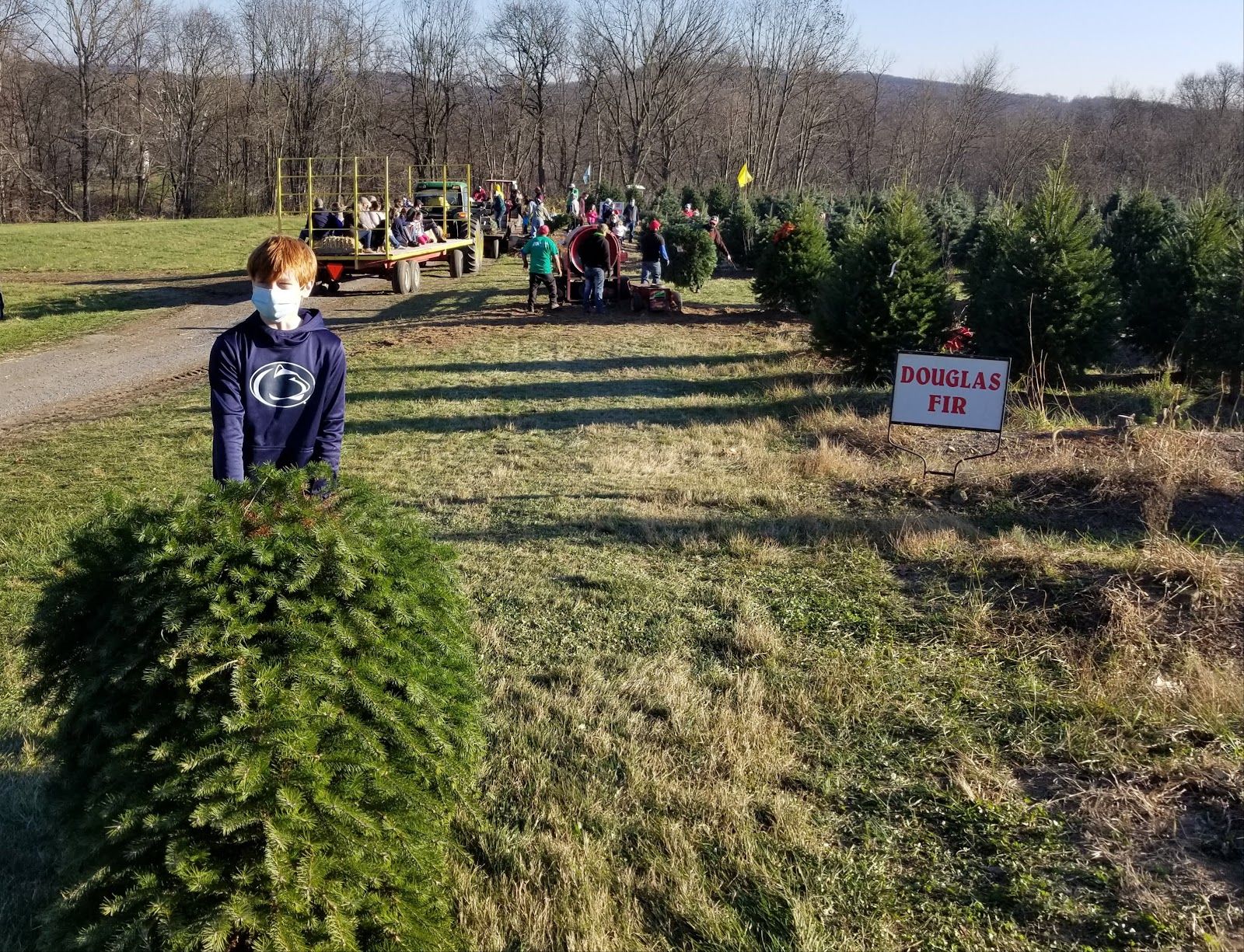
Photo: Old Forge Family Farm, Google Maps contributor at McCurdy's Tree Farm and Landscaping.
The Enduring Appeal of the Real Tree
A Renewable Resource for Holiday Joy
Real Christmas trees, regardless of their origin, bring a unique warmth, scent, and authenticity to the holiday season. They are a renewable resource, grown specifically for this purpose, and contribute positively to the environment during their growth cycle. The National Christmas Tree Association has resources to educate consumers on the benefits of real trees.
Tailoring the Experience to Your Family
The choice between a small family farm and a big-box lot ultimately comes down to what you prioritize: the immersive, traditional experience and supporting local growers, or efficient convenience and potentially broader species selection. Both options provide a beautiful focal point for your holiday celebrations; you can browse Christmas tree farms by state to start your search.
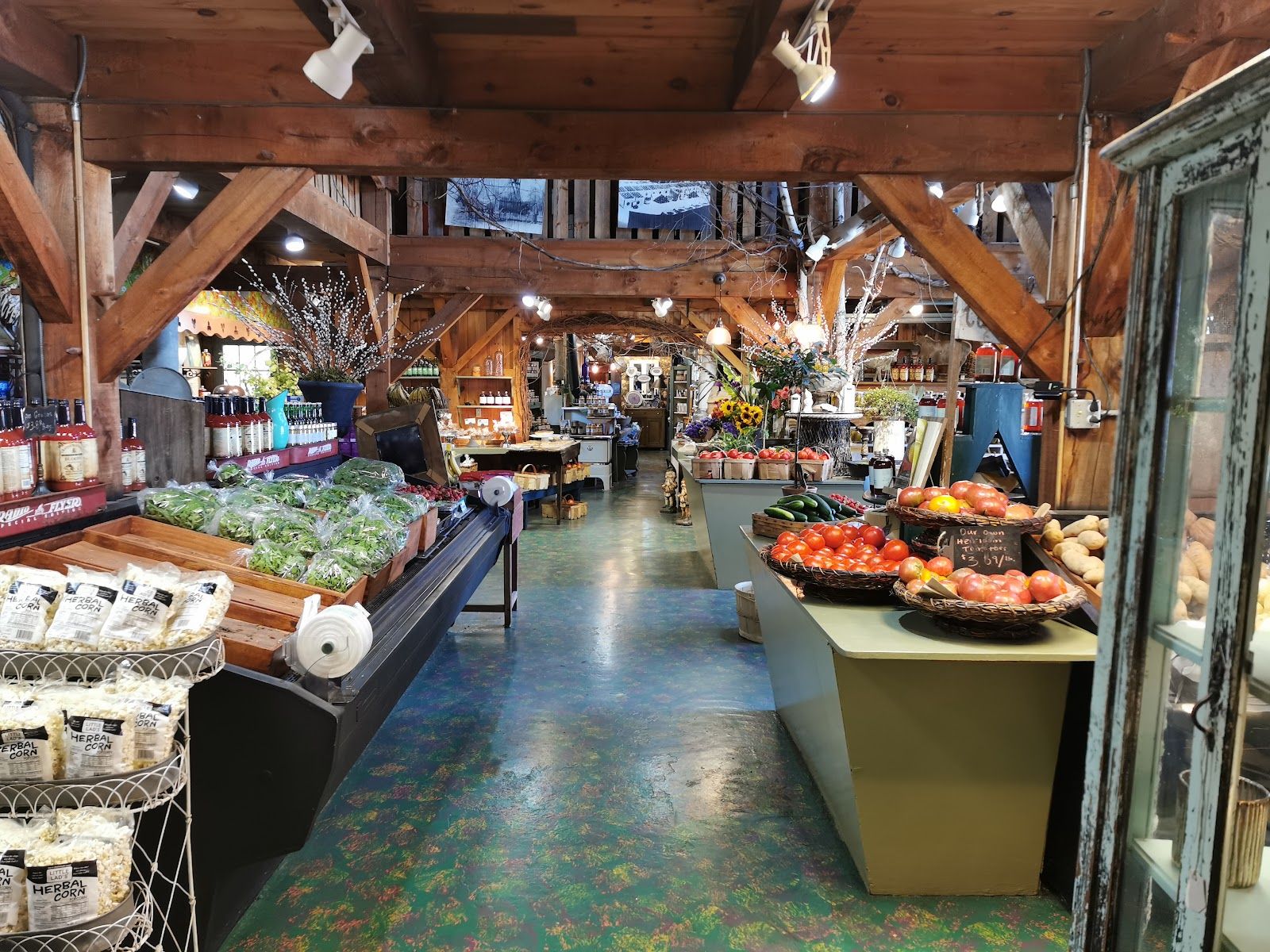
Photo: Old Forge Family Farm, Google Maps contributor at Brookdale Fruit Farm.