Family Tree Farms: The Heartwarming Story of Our Wreath Making
Published August 19, 2026 · By Christmas Tree Farm Finder
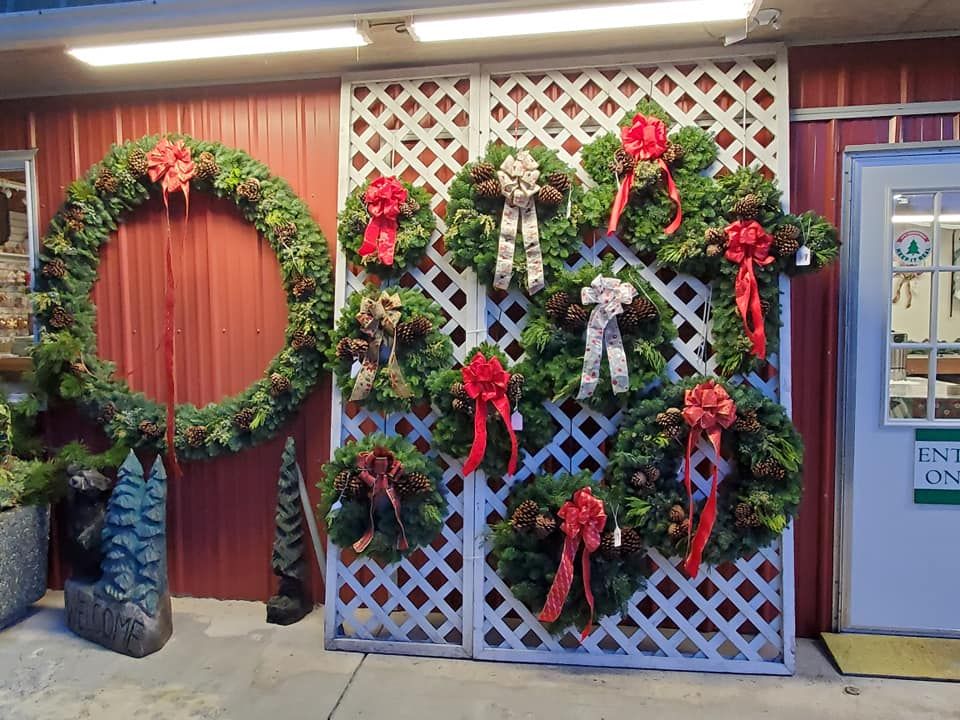
The crisp, pine-scented air at a family Christmas tree farm is a symphony for the senses, but beyond the rows of stately evergreens, another tradition unfolds; the rhythmic clip and bind of wreath making. It is a craft deeply woven into the fabric of these farms, a seasonal endeavor that transforms humble boughs into fragrant circles of welcome. These aren't just decorative items; they are tangible expressions of generations of skill, a testament to resourcefulness, and a cornerstone of the farm's enduring charm.
The Deep Roots of Evergreen Decor
Wreaths have a storied history, their circular form symbolizing eternity and renewal; ancient cultures used them to mark celebrations, victories, and even as funeral tributes. For Christmas, the tradition likely gained popularity in Northern Europe, where evergreens symbolized life enduring through the harsh winter. Early colonists brought these customs to America, and the practice of adorning homes with festive greenery became a cherished part of holiday preparations.
From Forest Floor to Front Door
Long before artificial wreaths, people gathered natural materials from their surroundings; pine boughs, holly, ivy, and berries were all fair game. This foraging tradition naturally extended to tree farms as they began to proliferate. Farmers, always practical, found a perfect use for the trimmings leftover from shaping trees or the lower branches that wouldn't make a good "face" on a cut tree; nothing went to waste, embodying a sustainable approach long before the term became popular.
The Seasonal Rhythm of Wreath Making
Wreath making isn't a year-round activity; it adheres to a very specific and intense seasonal rhythm. For many family farms, the process kicks into high gear just as the first cold snaps hit, typically in late October or early November. This timing ensures the wreaths are fresh and vibrant for the entire holiday season.
Gathering the Greens: A Careful Harvest
The quality of a wreath begins with its greens; a truly beautiful wreath demands fresh, vibrant boughs. Farmers and their teams carefully select branches from various evergreens, often choosing specific species like Fraser fir, Noble fir, Balsam fir, or different pines for their scent, needle retention, and color. This harvest is usually done in the chill of morning, or after a good frost, to keep the greens supple and fragrant. Some farms even cultivate specific evergreen varieties purely for their boughs; it's a specialized crop.
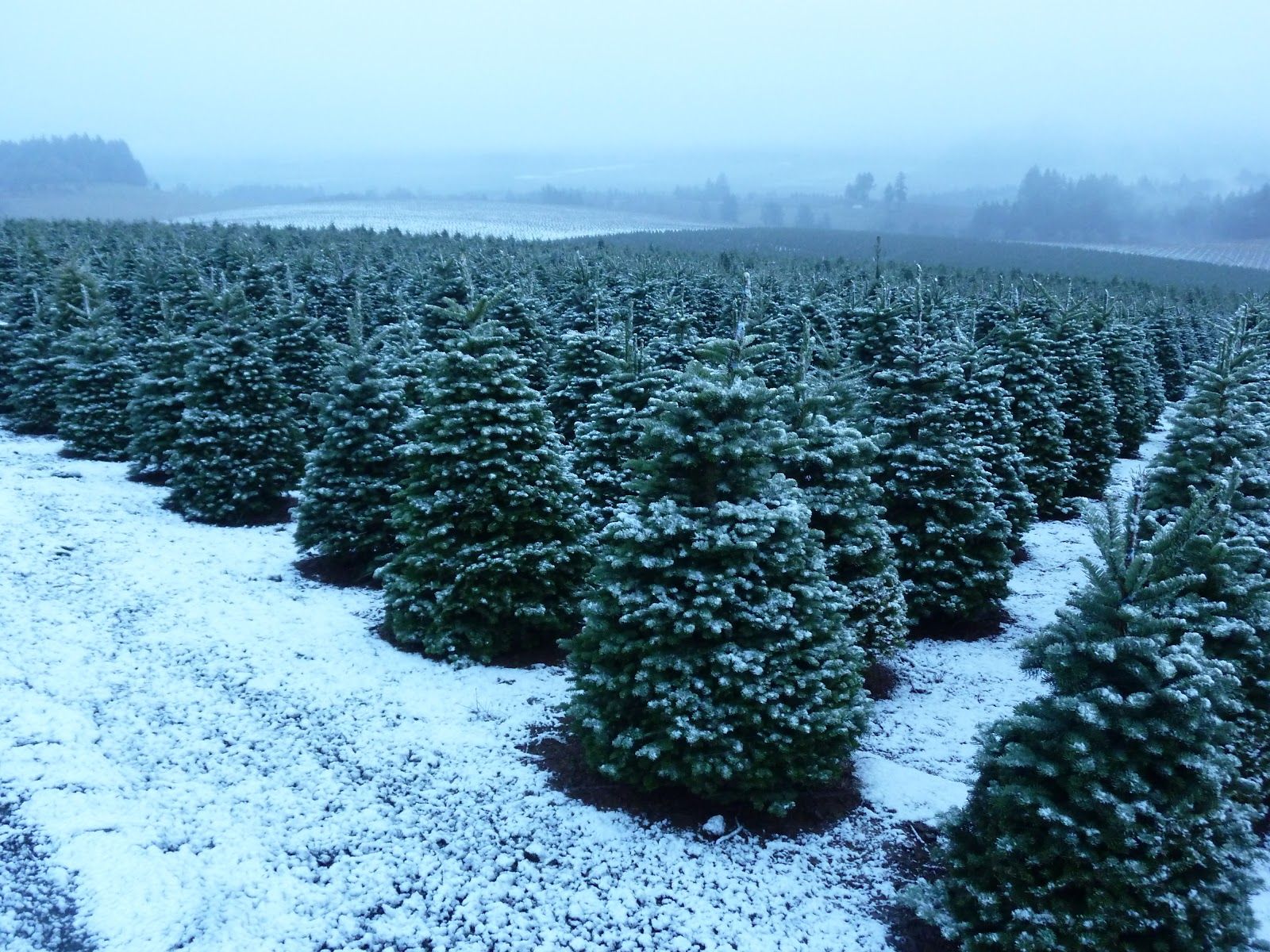
Photo: The Wreath Works, Google Maps contributor at Redland Family Farm.
The Assembly Line of Tradition
Once gathered, the boughs are brought into a workshop, often a rustic barn or a converted shed, where the real artistry begins. Here, a well-oiled assembly line forms, a blend of seasoned hands and eager newcomers. Machines might help with some tasks, but the core work remains manual; the greens are sorted by size, trimmed to smaller pieces, and then bundled.
Crafting the Basic Form
The fundamental structure of a wreath involves attaching these bundles of greens to a metal ring or a wire frame. This is typically done using a wreath-making machine, which rapidly wraps wire around the greens and frame, binding them securely. It is a surprisingly strenuous task, demanding strength and precision; the machine whirs, the wire spins, and with each pull of the lever, a section of fresh greenery is firmly attached.
The Art of Layering and Shaping
After the initial binding, the skill truly shines in how the greens are layered and shaped. Each small bunch must overlap the previous one just so, creating a continuous, lush circle. Makers must vary the types of greens, perhaps blending fragrant Balsam with the feathery texture of pine, to create visual interest. The goal is a full, even, and symmetrical wreath, one that lies flat against a door but also has depth and character.
The Human Element: Generations and Community
Wreath making at family farms is rarely a solitary pursuit; it is a community endeavor, often involving multiple generations. Grandparents, parents, and children all play a part, passing down techniques and stories along with the greens. This shared activity strengthens familial bonds and reinforces the farm's place as a pillar of local tradition.
Passing Down the Craft
Many family farms have techniques and tips for wreath making that have been handed down through decades; a particular way to layer the greens, a secret for long-lasting freshness, or a signature design element. These aren't just spoken instructions; they are demonstrated, learned through observation, and perfected through practice. Youngsters start by sorting boughs, then move to trimming, and eventually, under the watchful eye of an elder, they take their place at the wreath machine. You can find out more about the different types of evergreens used in our tree species guide.
Seasonal Workforce and Local Impact
Beyond the immediate family, wreath making often provides seasonal employment for local community members. For many, it's a cherished annual ritual, a chance to earn some extra money for the holidays while engaging in a festive activity. This influx of labor supports the local economy and fosters a sense of collective ownership over the farm's holiday offerings. Visiting farms like these is a wonderful way to support local businesses; you can find Farms Near Me in our directory.
Decorating and Personalizing: The Final Flourish
Once the basic evergreen circle is complete, the creative stage begins: decorating. This is where the personality of the farm, and often the individual crafter, truly comes through. Ribbons, pinecones, berries, and ornaments transform a simple green ring into a statement piece.
From Classic to Contemporary
Some farms specialize in classic, simple designs: a large red bow, a few natural pinecones. Others embrace more elaborate decorations, incorporating dried flowers, glitter, faux fruit, or unique ornaments. The selection often reflects regional tastes or current trends, but always with an eye toward enhancing the natural beauty of the evergreens. Browsing the variety of wreaths is as much a part of the farm experience as picking out the perfect tree.
Custom Orders and Workshops
Many family tree farms offer custom wreath orders, allowing customers to choose their specific greens, bow colors, and embellishments. Some even host wreath-making workshops, inviting visitors to learn the craft firsthand; it's a wonderful way to connect with the farm and create a personalized holiday decoration. These workshops can be particularly popular, adding another layer of engagement to the farm visit during the busy season calendar.
The Enduring Appeal of a Handmade Wreath
In an age of mass-produced goods, the handmade wreath from a family tree farm holds a special allure; it carries the scent of the forest, the touch of human hands, and the story of a tradition. It’s more than just decor; it’s a piece of the farm, a tangible memory of a holiday outing.
A Symbol of the Season
A fresh, fragrant wreath hanging on a front door or adorning a mantelpiece instantly evokes the spirit of Christmas; its vibrant green and natural textures bring the outdoors in. It signifies hospitality, celebration, and the simple beauty of the natural world. Choosing a real wreath also connects customers to sustainable practices, as many boughs are byproducts of tree trimming. The National Christmas Tree Association provides excellent resources on the benefits of real trees and wreaths.
Supporting Local Agriculture
Purchasing a wreath from a family tree farm is a direct way to support local agriculture and small businesses. These farms pour their hearts into cultivating trees and creating holiday experiences; every purchase helps them continue their work for future generations. It’s a decision that benefits the community, the environment, and keeps cherished traditions alive. When planning your visit, remember to browse Christmas tree farms by state to find a local farm near you.
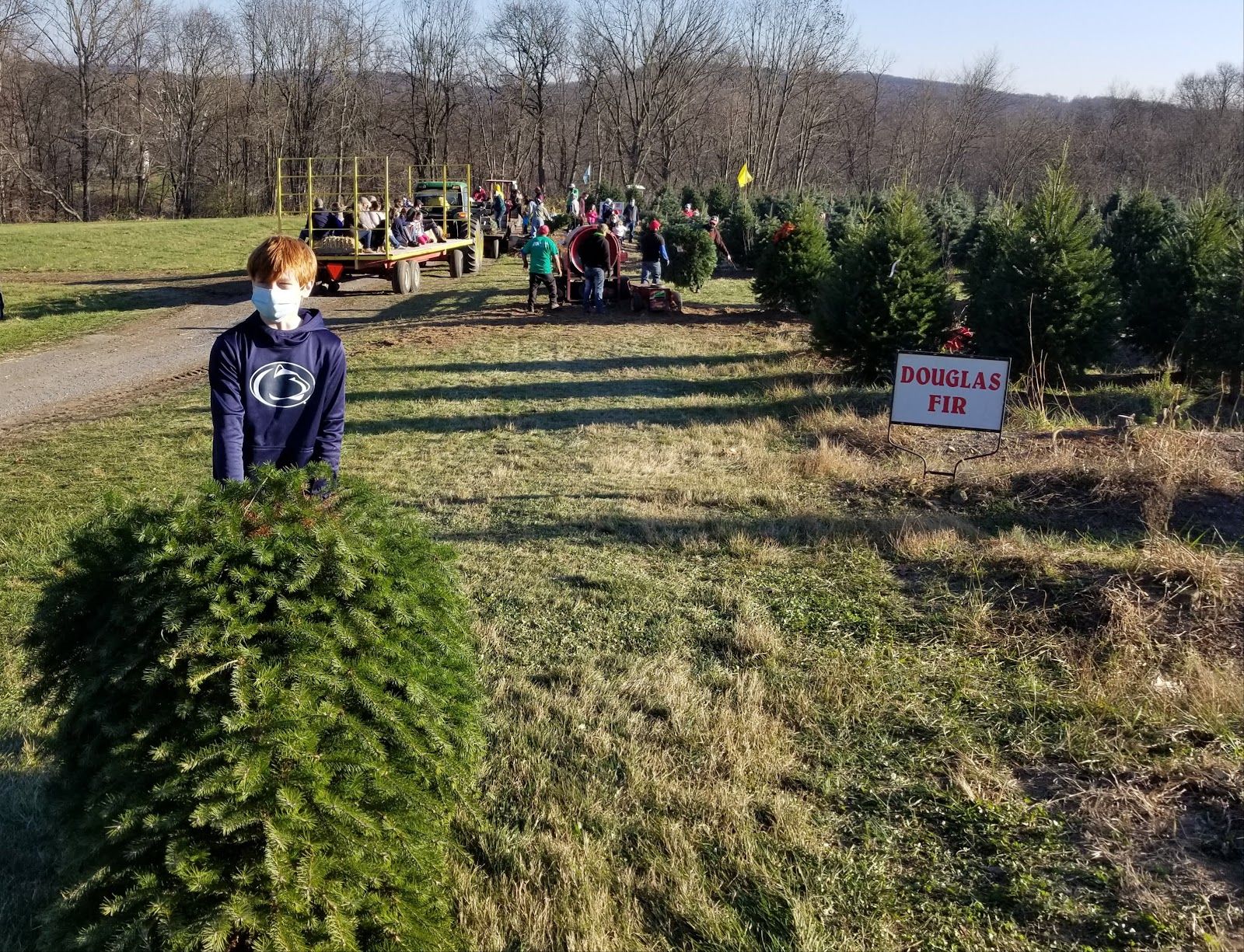
Photo: The Wreath Works, Google Maps contributor at McCurdy's Tree Farm and Landscaping.
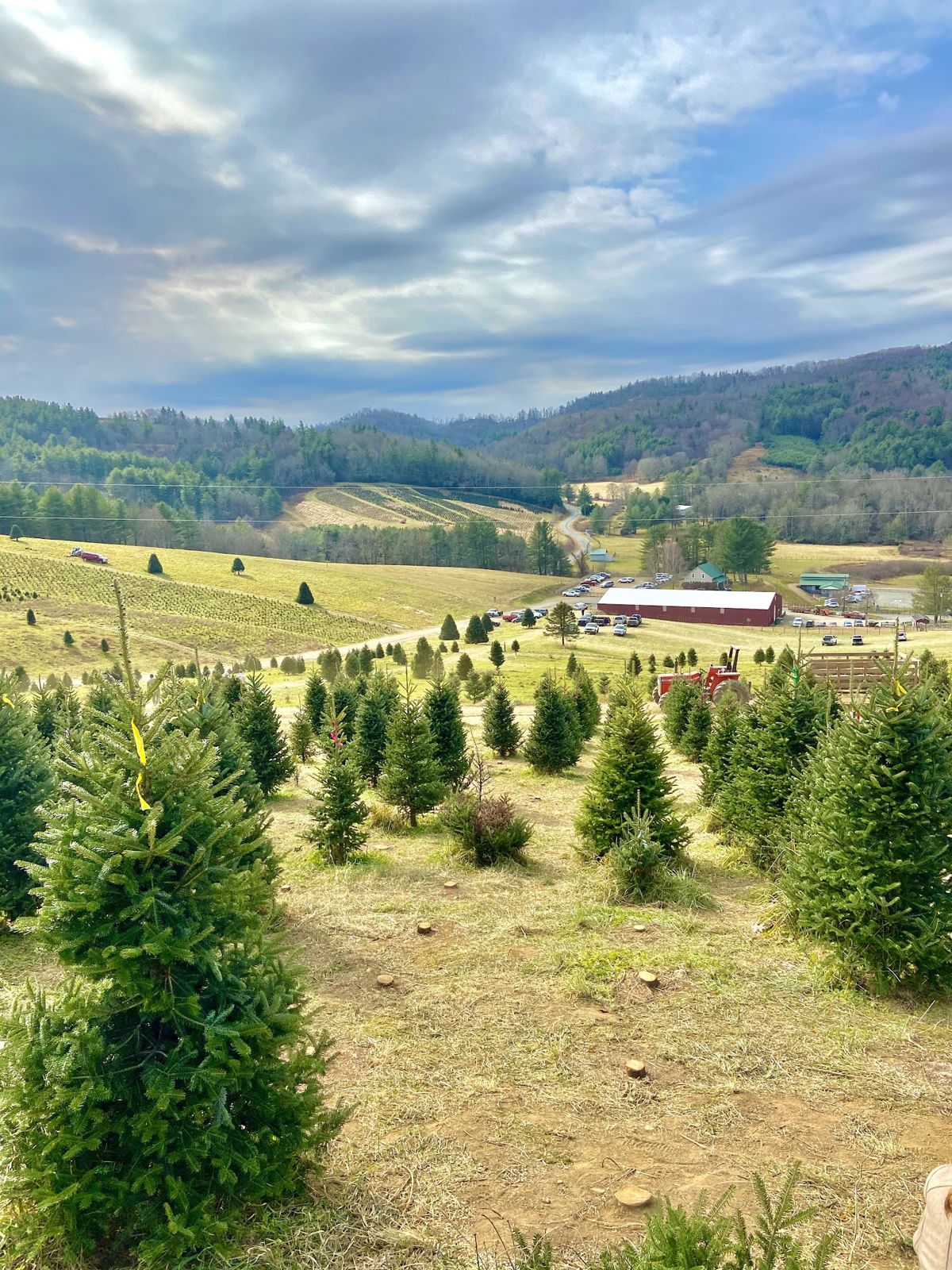
Photo: The Wreath Works, Google Maps contributor at Lil' Grandfather Choose and Cut.