Secrets to Growing a Seven-Foot Fraser Fir Christmas Tree
Published August 28, 2026 · By Christmas Tree Farm Finder
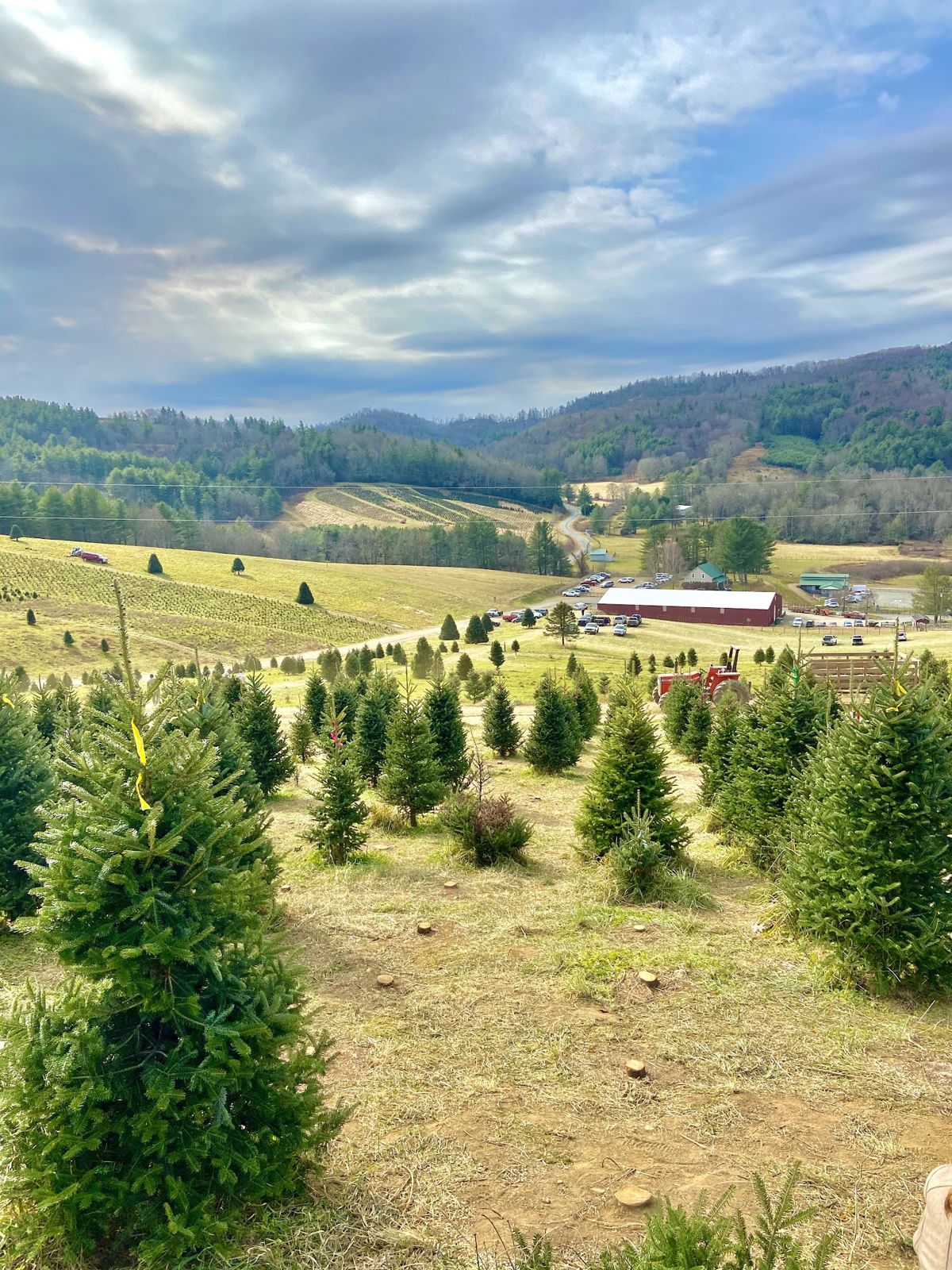
Stepping onto a Christmas tree farm, especially in the crisp autumn air, offers a unique sensory experience; the scent of pine needles fills the air, and rows of evergreens stretch across rolling hills, each one a testament to years of careful cultivation. Many visitors arrive in December, ready to choose their perfect seven-foot Fraser fir, often unaware of the meticulous, multi-year process required to bring that fragrant, well-shaped tree to its holiday prime. This journey from a tiny seed to a magnificent centerpiece is a labor of love, science, and patience, spanning nearly a decade of dedicated work from the farmer.
Selecting the Ideal Site and Preparing the Soil
Growing Fraser firs begins long before any seed is planted, with the careful selection and preparation of the land itself. Fraser firs thrive in well-drained, acidic soil, typically with a pH range of 5.0 to 6.5; rocky, wet, or heavy clay soils will stunt their growth or cause root rot, making site assessment a critical first step. Farmers often perform soil tests to determine nutrient levels and pH, then amend the soil with lime or sulfur as needed to create the optimal growing environment for these sensitive evergreens. Preparing the ground also involves clearing weeds and brush, sometimes using cover crops to improve soil structure and prevent erosion before planting.
Ensuring Proper Drainage and Nutrient Balance
Adequate drainage is paramount for Fraser firs, as their root systems are susceptible to waterlogging. Farmers might install drainage tiles in areas prone to standing water, or choose sloped fields that naturally shed excess moisture; good drainage ensures roots receive sufficient oxygen, which is vital for nutrient uptake and overall tree health. Beyond drainage, maintaining a balanced nutrient profile in the soil is an ongoing task; soil tests are conducted periodically, and fertilizers, both organic and synthetic, are applied to replenish essential elements like nitrogen, phosphorus, and potassium, fueling healthy growth.
The Journey from Seedling to Sapling
Once the ground is ready, the next phase involves planting young trees, typically starting as bare-root seedlings or plugs. These tiny trees, often no more than a foot tall, have themselves spent two to three years in a nursery bed, developing a sturdy root system and initial shoot growth. Planting usually occurs in early spring, when the soil is workable and the risk of hard freezes has passed; careful spacing is essential, allowing each tree ample room to grow without competing for sunlight or nutrients.
Protecting Young Trees from Pests and Weeds
Young Fraser firs are particularly vulnerable to pests and diseases, necessitating constant vigilance. Farmers scout regularly for common threats like balsam woolly adelgid, spider mites, and various fungal infections; integrated pest management strategies, including biological controls and targeted pesticide applications, are employed to protect the delicate saplings. Weeds pose another significant challenge, competing directly with young trees for water, nutrients, and sunlight; mechanical cultivation, mulching, and judicious herbicide use are all part of the farm's weed control program, ensuring the Fraser firs have the best possible start.
The Long Road to a Seven-Foot Tree
Achieving a majestic seven-foot Fraser fir is not a quick process; it typically takes between 7 to 10 years from the initial planting of a two or three-year-old seedling. Growth rates vary depending on soil quality, climate, and the specific genetic strain of the fir; consistent care throughout these years is what transforms a small sapling into a holiday centerpiece. Each year brings new growth, requiring specific interventions to guide the tree's development and ensure its iconic conical shape.
Shaping and Pruning for Perfect Form
One of the most labor-intensive aspects of growing Christmas trees is the annual shaping and pruning, a skill honed over years of practice. Farmers use specialized tools, often long knives or hand pruners, to trim leaders, shear side branches, and remove double tops; this work, usually done in late spring or early summer, encourages dense foliage and a symmetrical, conical shape, which is highly desired by customers. Without this intervention, Fraser firs would grow much more open and irregular, lacking the classic Christmas tree form.
Leader Control and Density Management
Controlling the leader, the main upright shoot at the very top of the tree, is crucial for maintaining the tree's height and shape. Farmers often "shepherd" the leader, ensuring it grows straight and true, and that only one dominant leader exists; if a tree develops multiple leaders, one must be removed to prevent an unsightly, bushy top. Simultaneously, farmers manage the density of the branches; by shearing the side branches, they stimulate the tree to produce more buds and needles, resulting in a fuller, more compact appearance, which is a hallmark of a high-quality Christmas tree.
Nutrition and Water Management Throughout Growth
Throughout their growing cycle, Fraser firs require consistent attention to their nutritional needs and water supply. Farmers regularly monitor soil moisture, especially during dry spells; while Fraser firs tolerate some drought, prolonged dryness can stress the trees, reduce growth, and make them more susceptible to pests. Supplemental irrigation might be employed in particularly arid years. Beyond water, maintaining a balanced nutrient profile remains important; periodic soil tests inform fertilization schedules, ensuring the trees receive the necessary macro and micronutrients to support vigorous growth and vibrant green needles, especially critical as they mature. You can learn more about tree health from the National Christmas Tree Association.
The Final Years: Preparing for Harvest
As a Fraser fir approaches its seven-foot stature, usually in its seventh to tenth year, the focus shifts slightly, emphasizing final shaping, pest management, and overall health to ensure it is perfect for harvest. These last few years are critical for achieving the dense, well-tapered form that customers seek; farmers will perform a final heavy shearing to refine the tree's silhouette and encourage maximum fullness. This meticulous attention guarantees the tree stands proudly as a holiday centerpiece.
Disease and Pest Prevention in Mature Trees
Even mature trees are not immune to pests and diseases; indeed, a stressed older tree can be more vulnerable. Farmers continue their diligent scouting for issues like Phytophthora root rot, Rhabdocline needle cast, or insect infestations like balsam twig aphid, applying targeted treatments as needed. Maintaining good air circulation within the plantation helps reduce fungal diseases, and removing diseased trees promptly prevents spread; a healthy tree holds its needles longer and looks more vibrant, making it an attractive choice for families choosing their perfect tree from a directory like browse Christmas tree farms by state.
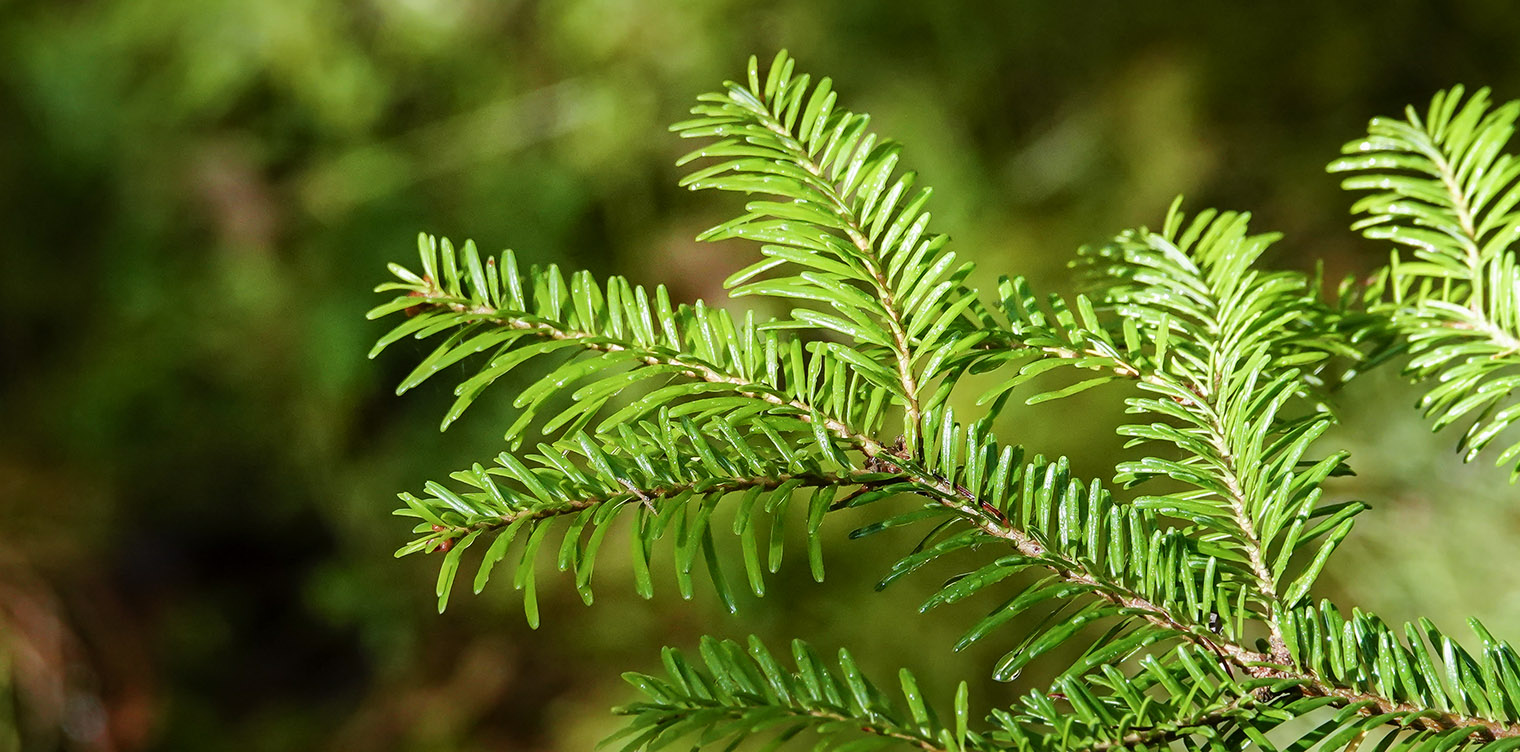
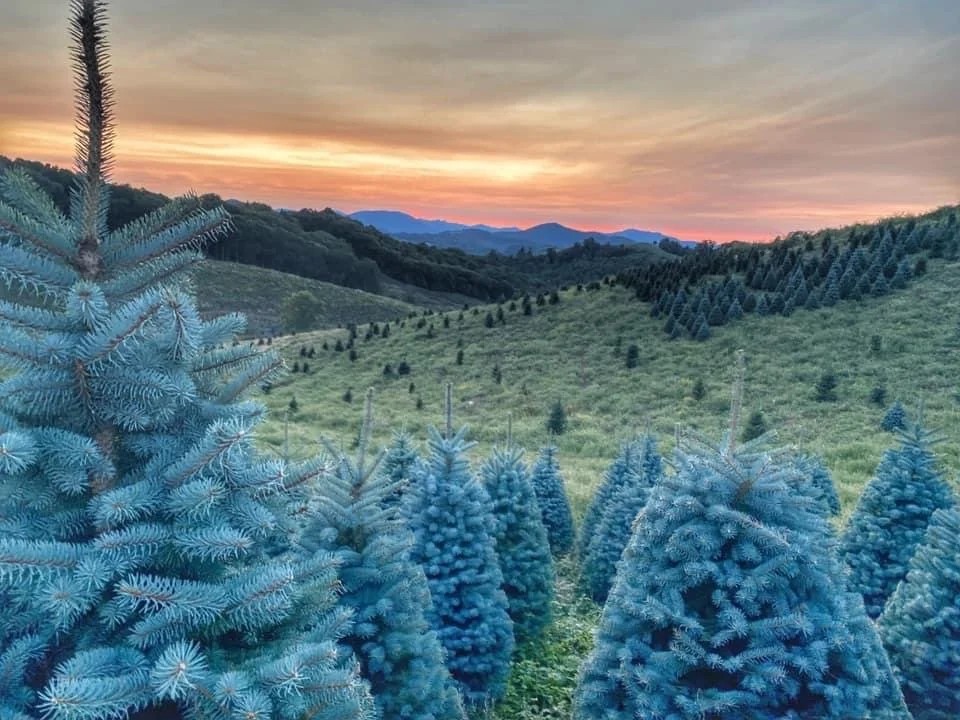
Photo: Adirondack Nature, Google Maps contributor at the Adirondack Mountains.
The Harvest: From Field to Family Home
When a Fraser fir reaches its desired seven-foot height and has been impeccably shaped, it is ready for its purpose. Many farms offer a cut-your-own checklist experience, allowing families to select and fell their own tree, a cherished tradition for many; other farms harvest trees professionally, either to sell on-site or to ship to retail lots. Regardless of the method, harvest typically begins in late November, ensuring the trees are fresh for the holiday season.
Post-Harvest Care and Sustainability
After a Fraser fir is cut, proper post-harvest care is crucial for its longevity in your home; a fresh cut on the trunk and immediate placement in a stand with water helps the tree absorb moisture, keeping needles green and preventing drying. Many farms also participate in programs for tree recycling, encouraging customers to return their trees after the holidays, ensuring they are mulched or repurposed rather than ending up in landfills. This sustainable approach highlights the long-term commitment of Christmas tree farms.
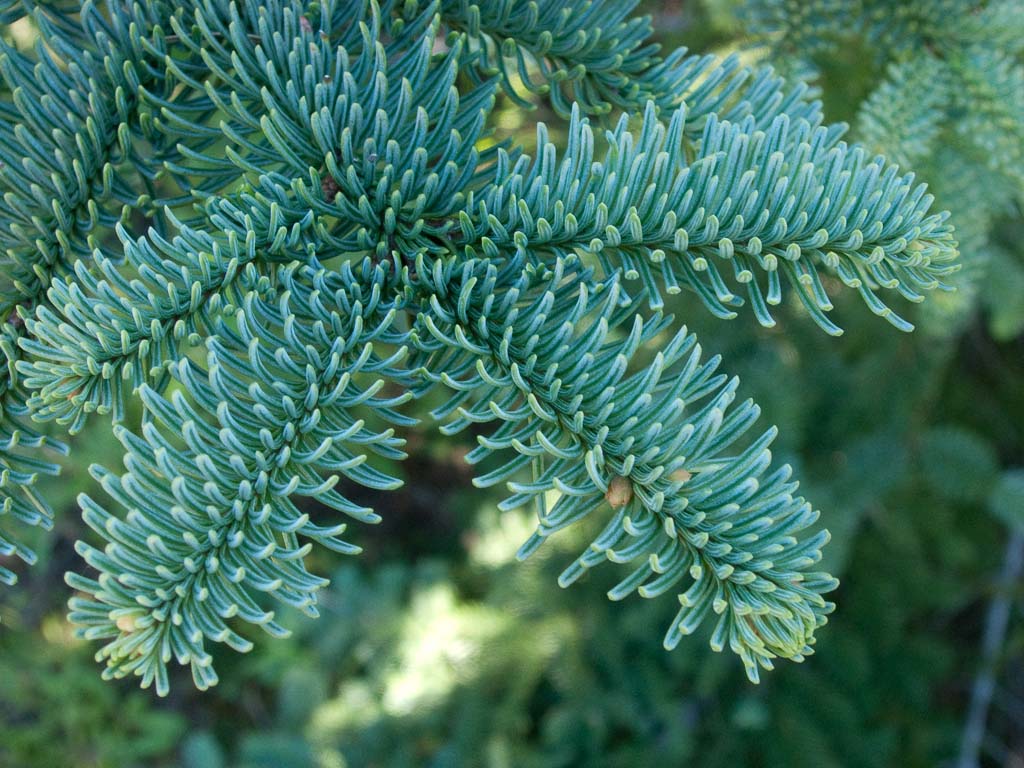
Photo: The Gymnosperm Database, Google Maps contributor at Pacific Northwest noble fir.
Looking Ahead: Replenishing the Fields
As one crop of seven-foot Fraser firs leaves the farm, the cycle immediately begins anew. Farmers do not simply clear fields; they replant new seedlings in the spring following harvest, often in the very same spots, ensuring a continuous supply for future holiday seasons. This continuous rotation is the heartbeat of a successful Christmas tree farm, allowing them to consistently provide beautiful trees year after year, ready for families to discover at a Farms Near Me search.
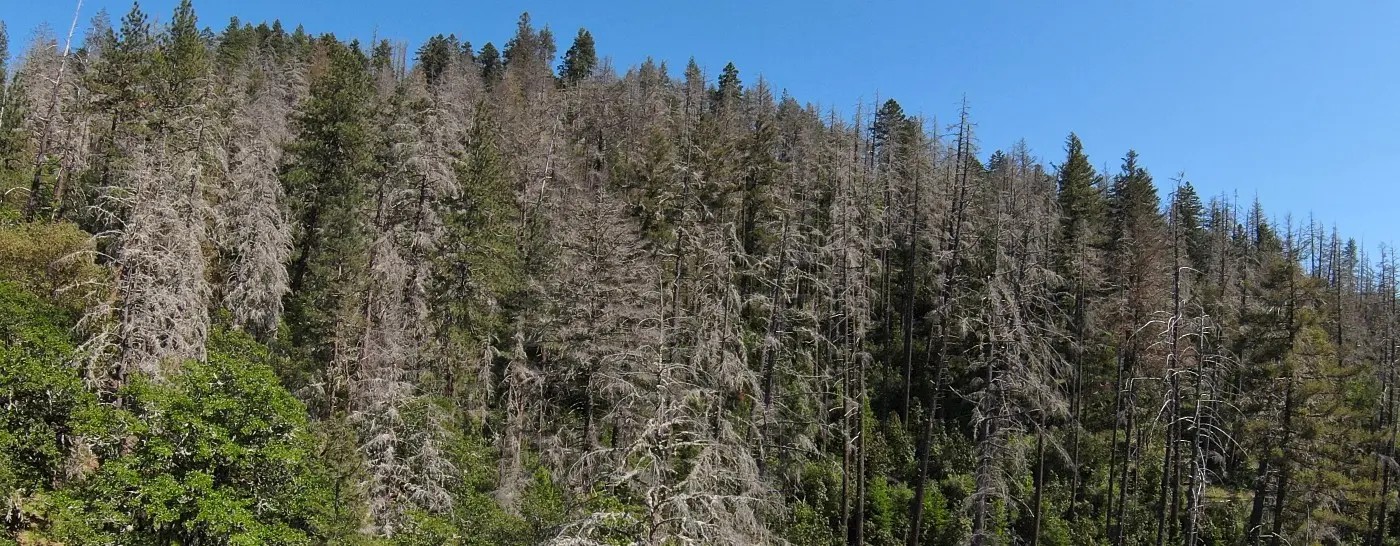
Photo: Oregon State University, Google Maps contributor at Pacific Northwest Douglas fir forest.