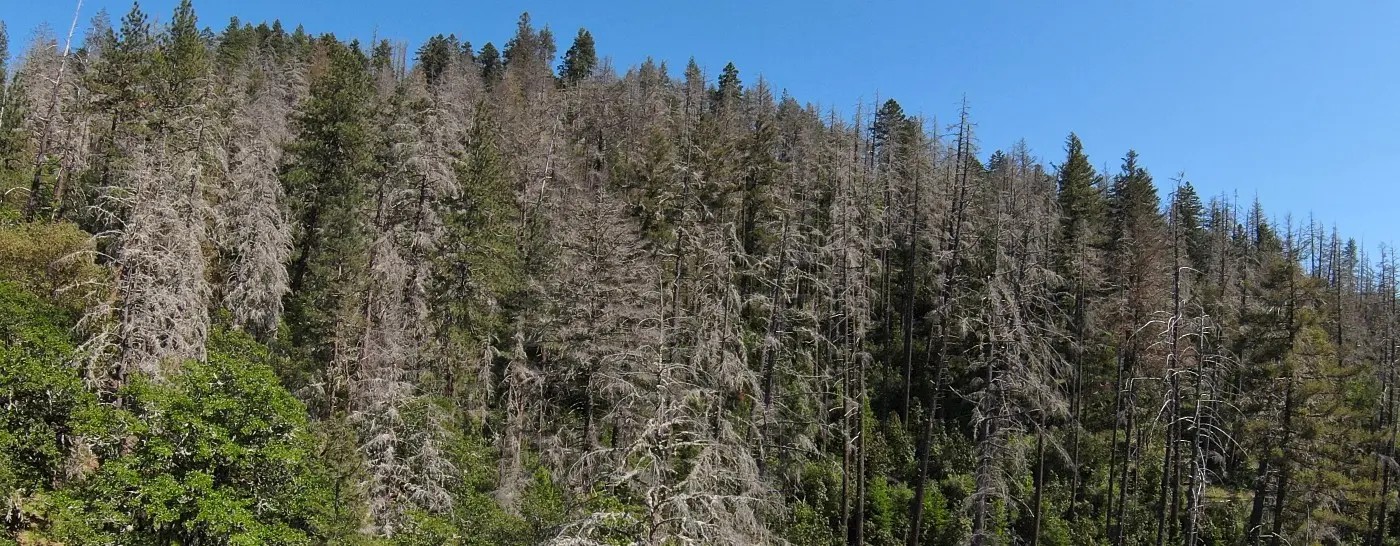
Recycle Your Christmas Tree: A New Year's Green Initiative
Published July 17, 2026 · By Christmas Tree Farm Finder
The warmth and simple beauty of a freshly cut Christmas tree are central to the holiday season for many of us. The crisp scent of pine or fir, the unique texture of its needles, even the way it casts dappled shadows on a living room wall, all contribute to that special feeling. Standing in the field, choosing just the right tree, it feels like an annual pilgrimage, a cherished ritual connecting us to nature and tradition. But as the tinsel comes down and the carols fade, we’re often left with a noble evergreen, now past its prime, needing a respectful farewell. Instead of simply tossing it to the curb, many thoughtful options exist for recycling your Christmas tree; these methods honor its life and give back to the environment.
The Mulch and Compost Method: Nature's Return
One of the simplest and most effective ways to recycle your Christmas tree is through mulching or composting. Many municipalities offer free chipping services after the holidays; they collect trees and turn them into nutrient-rich mulch that can be used in local parks, gardens, or even distributed to residents for their own landscaping needs. This process is truly cyclical; the tree, having brought joy indoors, now returns to enrich the soil for new growth.
Considering This Option Remember To Prepare Your Tree Properly
When considering this option, remember to prepare your tree properly. Remove all ornaments, lights, tinsel, and any plastic or metal stands. Every last piece of foreign material must go, as these can contaminate the mulch and harm machinery. Some farms even have chippers on site or partner with local organizations for this very purpose; it is always worth asking your tree farm, as they often have the most up-to-date local information. If you have your own wood chipper, or a neighbor does, you can create your own mulch for garden beds, pathways, or even around other evergreen shrubs. The needles break down slowly, releasing valuable organic matter and helping to suppress weeds and retain soil moisture throughout the year.
If You Have A Robust Composting System At Home You Can Break Down The
Alternatively, if you have a robust composting system at home, you can break down the branches and needles into smaller pieces and add them to your compost pile. While the decomposition process for woody materials is slower than for kitchen scraps, they will eventually break down, adding structure and essential nutrients to your finished compost. This method requires a bit more effort on your part, but it offers a genuinely satisfying connection to the complete lifecycle of your tree. You are actively participating in its transformation, ensuring its components contribute to the vitality of your personal green spaces.
Habitat Enhancement: A Second Life in the Wild
Beyond the garden, Christmas trees can find a remarkable second life in natural habitats, especially for wildlife. This is one of the more creative and impactful recycling options, often coordinated by local environmental groups, park services, or even private land owners.
One Common Use Is Creating Fish Habitats
One common use is creating fish habitats. Sinking Christmas trees in ponds or lakes provides excellent shelter for juvenile fish, offering protection from predators and creating spaces for aquatic insects to thrive. The branches act as intricate hiding spots, essential for the survival of many fish species. Before contributing your tree to such a program, ensure it is completely free of all decorations; anything artificial could pollute the water or harm wildlife. Contact your local department of natural resources or fishing clubs to see if they operate such a program in your area. They will usually have specific instructions for preparation and drop-off.
Trees Can Be Used To Create Brush Piles For Land-Dwelling Wildlife
Similarly, trees can be used to create brush piles for land-dwelling wildlife. Placed strategically in wooded areas or along the edges of fields, these piles offer cover for small mammals, birds, and insects. They provide refuge from harsh weather and predators, and the decomposing wood becomes a haven for invertebrates, which are a food source for many creatures. Some nature centers or conservation areas organize events specifically for building these brush piles after the holidays. This simple act can make a tangible difference in supporting local ecosystems, helping to sustain the biodiversity of your region. It is a quiet, unassuming way to give back to the natural world that provided your holiday centerpiece.
Erosion Control and Dune Restoration: Protecting Our Coasts
In coastal or riparian areas, discarded Christmas trees can be employed in vital erosion control and dune restoration projects. This application highlights the structural integrity of the tree, even after its needles begin to dry.
Along Coastlines Trees Can Be Strategically Placed To Help Stabilize E
Along coastlines, trees can be strategically placed to help stabilize eroding dunes. Planted into the sand, their branches catch windblown sand, encouraging new dune formation and helping to rebuild natural barriers against storm surges and high tides. This is a crucial defense mechanism for many communities and ecosystems. Similarly, along riverbanks or lake shores, trees can be used to slow water flow and prevent soil erosion. Their branches act as natural baffles, dissipating the energy of moving water and allowing sediment to settle, which helps to stabilize the bank.
These Projects Are Typically Large-Scale And Managed By Specialized Or
These projects are typically large-scale and managed by specialized organizations, such as coastal conservancies, park services, or watershed councils. If you live in a coastal or lakeside community, inquire with these groups about their post-holiday tree collection programs. They will have specific drop-off locations and preparation requirements; again, completely stripped trees are paramount. Contributing your tree to such an effort feels particularly meaningful as you witness its transformation from a holiday ornament to a protector of natural landscapes.
Home Uses: Repurposing Within Your Own Space
Even without formal municipal programs or habitat initiatives, you can find clever ways to repurpose parts of your Christmas tree at home, extending its usefulness and reducing waste.
The Trunk Especially If It Is Sturdy Can Be Cut Into Various Lengths
The trunk, especially if it is sturdy, can be cut into various lengths. Thicker sections can become rustic stepping stones in a garden path or be used as short, natural seating in a backyard fire pit area. Smaller segments make excellent coasters or trivets, offering a charming, handmade touch to your home decor. With a little sanding and perhaps a clear sealant, these can last for years. The wood can also be utilized for craft projects; perhaps small wooden ornaments for next year, or as material for turning on a lathe if you are a woodworker.
Pine Needles Make Wonderfully Aromatic Potpourri Or Sachet Fillings
Pine needles make wonderfully aromatic potpourri or sachet fillings. Once dried, they retain a pleasant, subtle scent. You can mix them with other dried botanicals or spices like cinnamon sticks and cloves for a festive aroma that lasts well into the new year. For those who enjoy homemade soaps or candles, dried, finely ground needles can be incorporated for a natural, earthy fragrance and a unique texture. You can even steep a small handful of needles in hot water to create a soothing, aromatic bath; the essential oils are known to have a calming effect.
Finally While Many People Avoid Burning Christmas Tree Wood In Indoor
Finally, while many people avoid burning Christmas tree wood in indoor fireplaces due to the high resin content which can lead to creosote buildup, small, thoroughly dried pieces can often be used outdoors in fire pits. The resin causes the wood to burn hot and fast, creating beautiful, crackling flames and a delightful pine scent. Just be mindful of potential sparks and only use dry wood; never green wood. Always prioritize safety, especially when burning anything.
The Importance of Proper Disposal
Regardless of the method you choose, the overarching principle is proper disposal. A Christmas tree, even after it has dried, is still a natural product that can be repurposed in myriad beneficial ways. Simply discarding it in a landfill is the least desirable option. Landfills are designed for waste containment, not decomposition. Organic matter, when buried in a landfill and deprived of oxygen, decomposes anaerobically, producing methane, a potent greenhouse gas. By choosing to recycle, you are actively preventing this environmental impact.
Contacting Your Local Sanitation Department Is Always A Good First Ste
Contacting your local sanitation department is always a good first step; they can provide information on curbside collection programs, drop-off sites, or specific dates for tree recycling events in your community. Many waste management companies offer specific guidelines and schedules for Christmas tree disposal, often free of charge for a limited period after the holidays. For those who live near farms, especially those that grow Christmas trees, inquiring locally can sometimes unearth unique recycling opportunities; these folks often have connections to chippers, mulching facilities, or knowledge of local habitat projects.
The Effort To Recycle Your Christmas Tree Is A Small But Significant G
The effort to recycle your Christmas tree is a small but significant gesture. It reflects a respect for the natural world and a commitment to sustainable practices. Just as we thoughtfully select a tree to bring into our homes, we should thoughtfully plan for its departure, ensuring its final utility contributes to a healthier planet. This tradition, from field to living room and back to the earth, exemplifies a beautiful and responsible cycle.
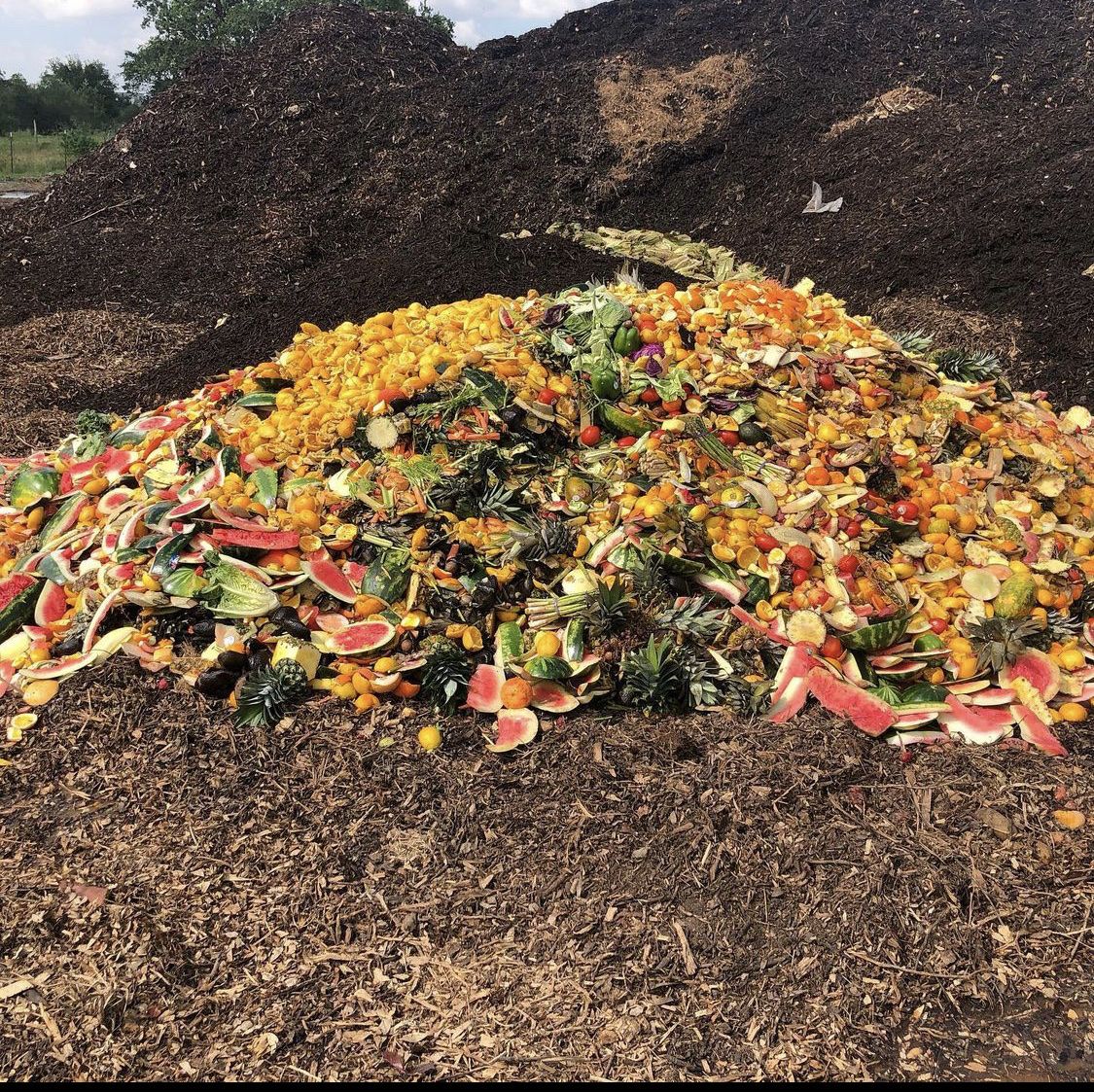
Photo: Raccoon Valley Fisheries, Google Maps contributor at Farm Dirt Compost.
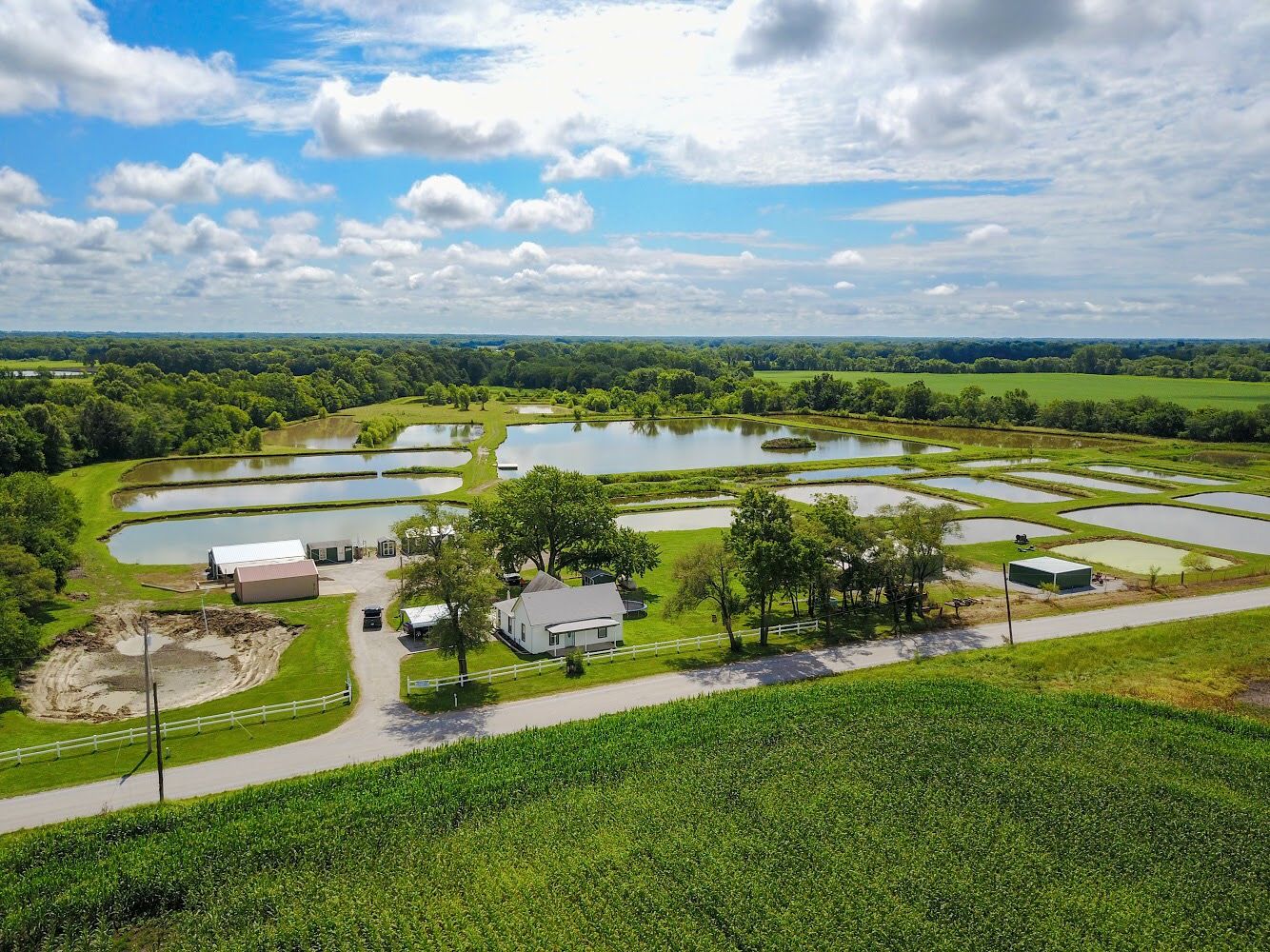
Photo: Raccoon Valley Fisheries, Google Maps contributor at Raccoon Valley Fisheries.
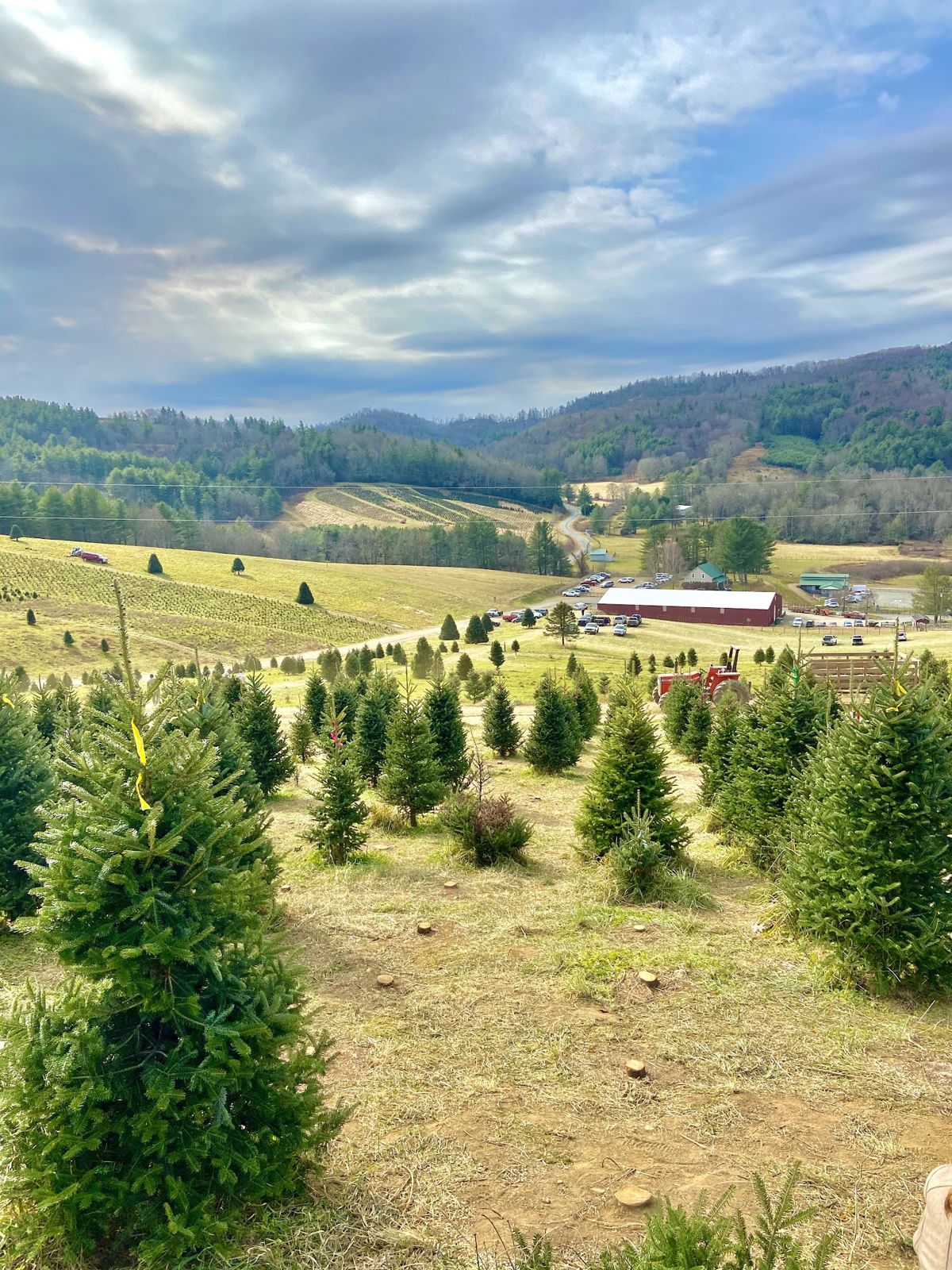
Photo: Raccoon Valley Fisheries, Google Maps contributor at Lil Grandfather Choose and Cut.
Keep exploring
When you are ready to plan a visit, the season calendar shows what is open where, and the cut-your-own checklist walks through what to bring. If you are still deciding on a variety, the tree species guide compares needle retention, aroma, and branch strength. To find a grower this weekend, use farms near me or browse Christmas tree farms by state; after the holidays, the tree recycling page lists mulching and drop-off options. For industry-level background on growing regions, species trends, and care research, the National Christmas Tree Association publishes annual reports and consumer guidance.