Spotting a Fresh Christmas Tree: Your Guide to a Festive Holiday
Published August 12, 2026 · By Christmas Tree Farm Finder
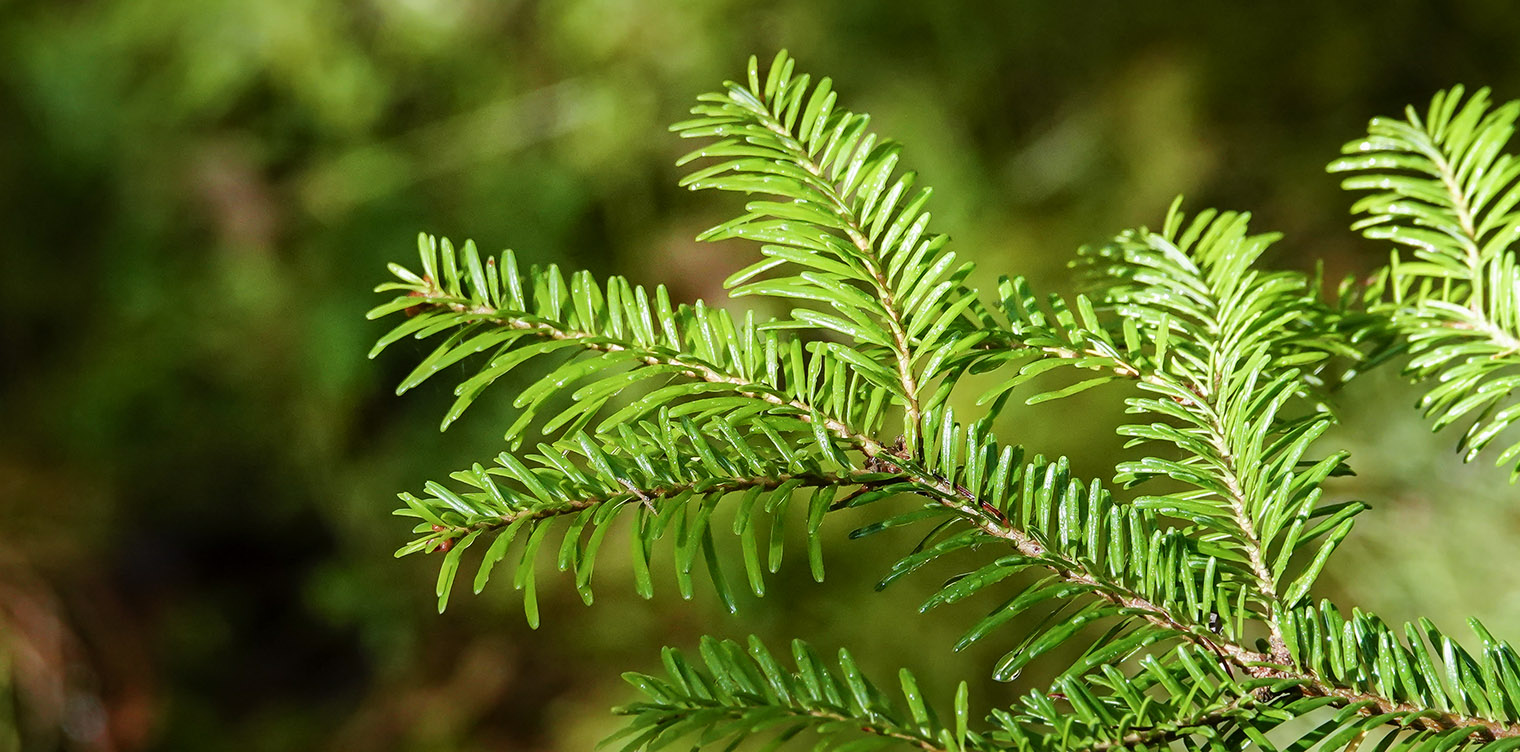
The crisp air of early December, the scent of pine and fir, the joyous chatter of families – these are the hallmarks of a visit to the Christmas tree lot. Choosing the perfect tree is more than just finding the right height or fullness; it is about ensuring its freshness. A fresh tree is a safe tree, a beautiful tree, and one that will bring holiday cheer throughout the season.
The Immediate Impression: Overall Vigor
When you first approach a display of trees, take a moment to absorb the general atmosphere. A healthy, fresh tree will exude a certain liveliness, a vibrant green hue that speaks of recent harvest. Avoid any trees that appear dull, faded, or have a distinctly yellowish or brownish cast, particularly on their lower branches; these are often tell-tale signs of an older tree already on its way out.
Assessing the Needles
The needles are your primary indicator of freshness. Gently grasp a branch and run your hand along it, pulling outward. If a significant number of needles fall off into your hand, that tree is likely dry and past its prime. A truly fresh tree will hold onto its needles firmly, with only a few, if any, shedding.
The "Bend Test" for Needles
Another effective method is the "bend test" for individual needles. Take a single needle between your thumb and forefinger and try to bend it. A fresh needle will be pliable and bend without breaking, or at most, will snap cleanly if bent sharply. Dry needles, conversely, will snap and crumble easily, indicating a lack of moisture.
The Feel of the Branches
Beyond the needles, the overall feel of the branches themselves offers critical clues. Fresh branches will feel supple and flexible, bending with a slight resistance. Stiff, brittle branches are a strong indication that the tree is drying out, and its ability to absorb water once home will be compromised.
Trunk and Butt Cut Examination
Examine the cut end of the trunk, often called the butt. A fresh tree will have a clean, moist-looking cut, sometimes with a faint sheen of sap. If the cut surface appears dry, discolored, or covered in a thick layer of sap that has hardened and dulled, it suggests the tree was cut a long time ago.
The "Bounce Test" for the Entire Tree
A classic test for freshness involves a gentle bounce. Lift the tree a few inches off the ground and let it drop gently onto its base. A truly fresh tree will shed very few, if any, inner needles; these are the older, natural shedding needles, and a small amount is normal. However, if a cascade of green needles rains down, that tree is dehydrated and should be avoided.
The Aroma of the Forest
There is an undeniable, intoxicating scent associated with real Christmas trees. A fresh tree will emit a strong, characteristic fragrance of pine, fir, or spruce, depending on the species. If you approach a tree and detect little to no scent, it is a significant warning sign that the tree has dried out.
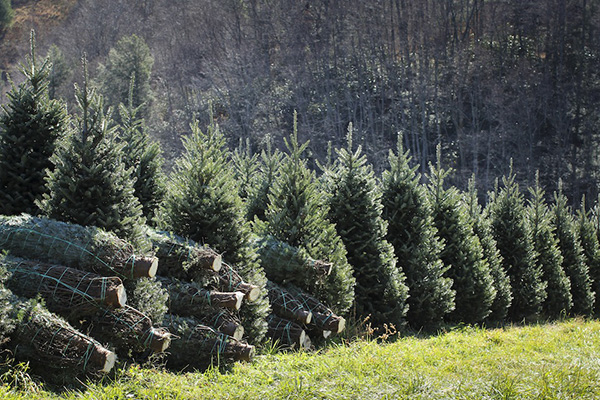
Photo: Brookdale Fruit Farm, Google Maps contributor at a North Carolina Fraser fir farm.
Understanding Tree Species and Their Characteristics
Different tree species have varying needle retention qualities; understanding these can aid your selection. Fraser firs and Noble firs are renowned for their excellent needle retention, making them popular choices for longevity. On the other hand, traditional Norway spruce, while beautiful, tends to shed needles more quickly once cut, so choose these with extra care if selecting from a lot rather than a cut-your-own checklist farm. You can learn more about specific types in our tree species guide.
Sourcing Your Tree Locally
Many local farms prioritize freshness, often cutting trees just days before they reach the lot or allowing you to cut your own. When looking for the freshest options, consider exploring Farms Near Me to find local growers. These farms typically have a quicker turnaround from forest to your living room.
The Presence of Moisture and Sap
A fresh tree is a living organism that has been recently severed from its root system. This means it should still retain a good deal of moisture. Look for signs of sap, particularly around the cut end of the trunk or on the branches. A little stickiness indicates recent vitality.
Observing Overall Needle Coloration
While "green" is the general expectation, the specific shade varies by species. However, within any given species, the needles should display a consistent, vibrant color. Patchy discoloration, or areas where needles appear significantly lighter or darker than the rest of the tree, can indicate stress or disease, or simply that the tree is very old.
Communication with the Tree Lot Attendants
Do not hesitate to engage with the staff at the Christmas tree lot. They are often knowledgeable about where the trees came from, when they were cut, and how they have been stored. Ask them about their freshest shipments; a reputable lot will be transparent about their inventory.
Inquiring About Harvesting Dates
A direct question about the harvesting date can provide invaluable insight. While not every lot will have precise dates for every single tree, they should be able to give you a general timeframe for their latest deliveries. A tree cut within the last week or two will be significantly fresher than one that has been sitting for a month. Many lots receive multiple shipments throughout the season, so you can often wait for a newer batch if the current selection seems dry; check our season calendar to know when peak freshness might occur.
The Importance of Hydration Post-Purchase
Even the freshest tree needs proper care once it comes home. Cut an inch or two off the bottom of the trunk before placing it in a stand filled with water. This fresh cut allows the tree to drink efficiently. Regularly check and refill the water reservoir; a thirsty tree will quickly dry out, regardless of how fresh it was initially. For more tips on prolonging your tree's life, the National Christmas Tree Association offers comprehensive guidance.
Final Walk-Through and Inspection
Before making your final decision, take one last, comprehensive walk around the tree. Step back and observe its overall shape and symmetry. Ensure there are no large bald spots or significant damage to the branches. This final inspection helps confirm that not only is the tree fresh, but it also meets your aesthetic preferences.
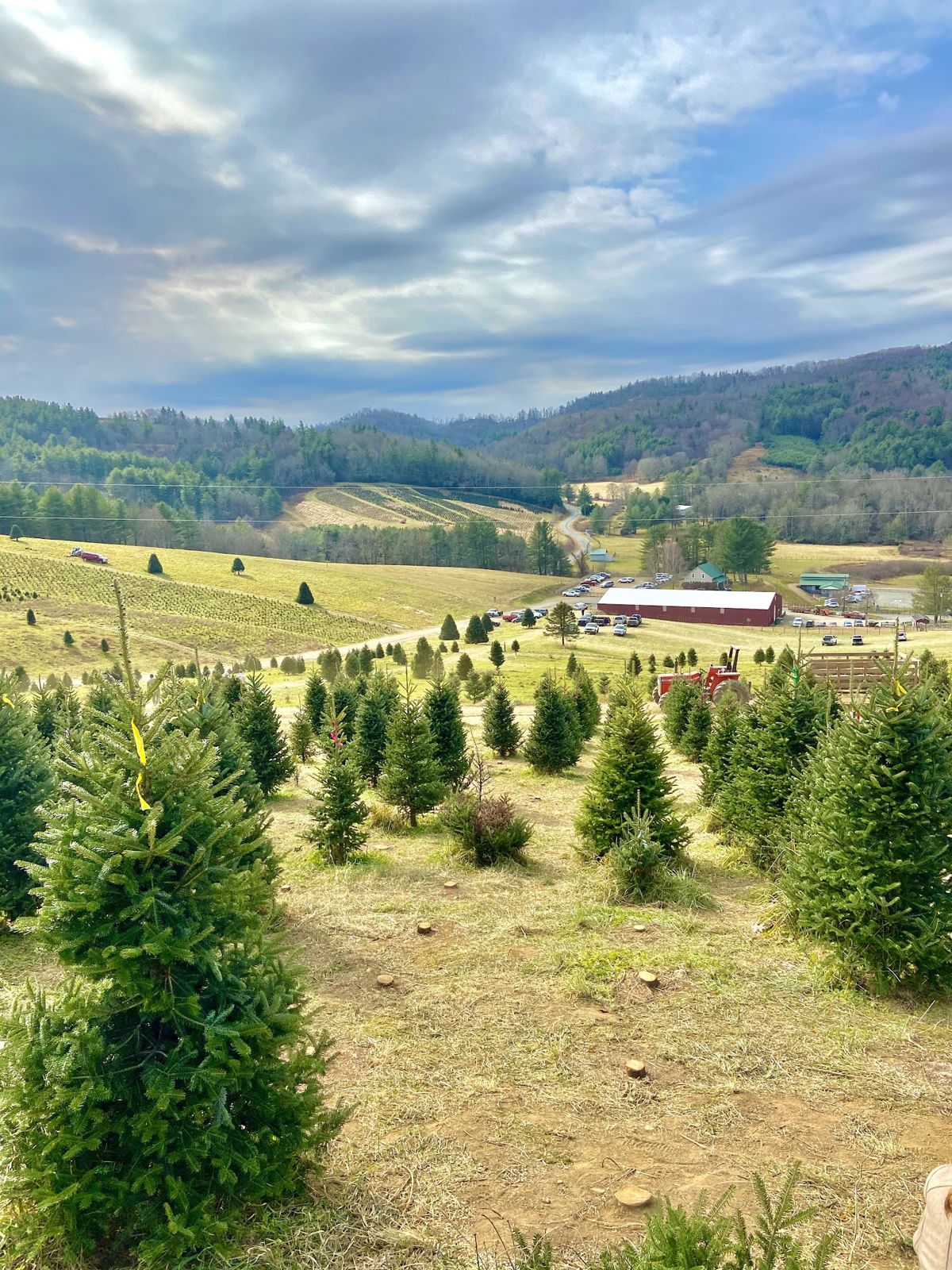
Photo: Brookdale Fruit Farm, Google Maps contributor at Lil' Grandfather Choose and Cut.
Inspecting for Pests or Disease
While rare, it is always wise to quickly inspect for any obvious signs of pests or disease. Look for unusual spots, webs, or insect activity on the branches or trunk. A healthy, fresh tree should be free of these issues, offering a clean, natural beauty.
Making the Best Choice for Your Home
Choosing a fresh Christmas tree is a rewarding experience, one that kicks off the holiday season with natural beauty and fragrance. By following these simple yet effective checks – from feeling the needles to inspecting the trunk and asking the right questions – you can confidently select a healthy, vibrant tree that will fill your home with cheer. Remember, a little effort at the lot translates into a longer-lasting, more beautiful centerpiece for your celebrations, whether you browse Christmas tree farms by state or pick one up from your local retailer.
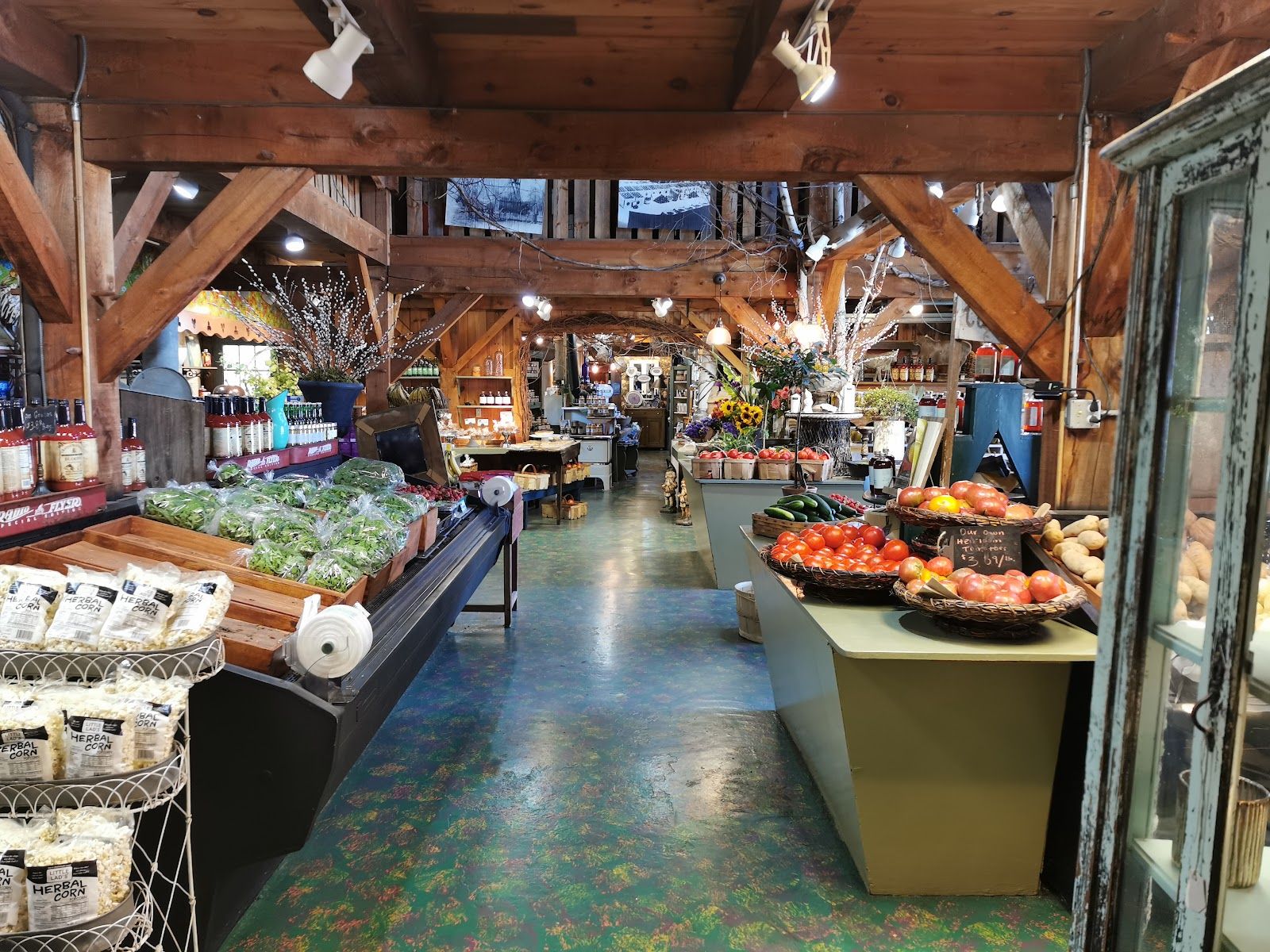
Photo: Brookdale Fruit Farm, Google Maps contributor at Brookdale Fruit Farm.