Selecting the Perfect Christmas Tree for Your Home This Holiday Season
Published August 15, 2026 · By Christmas Tree Farm Finder
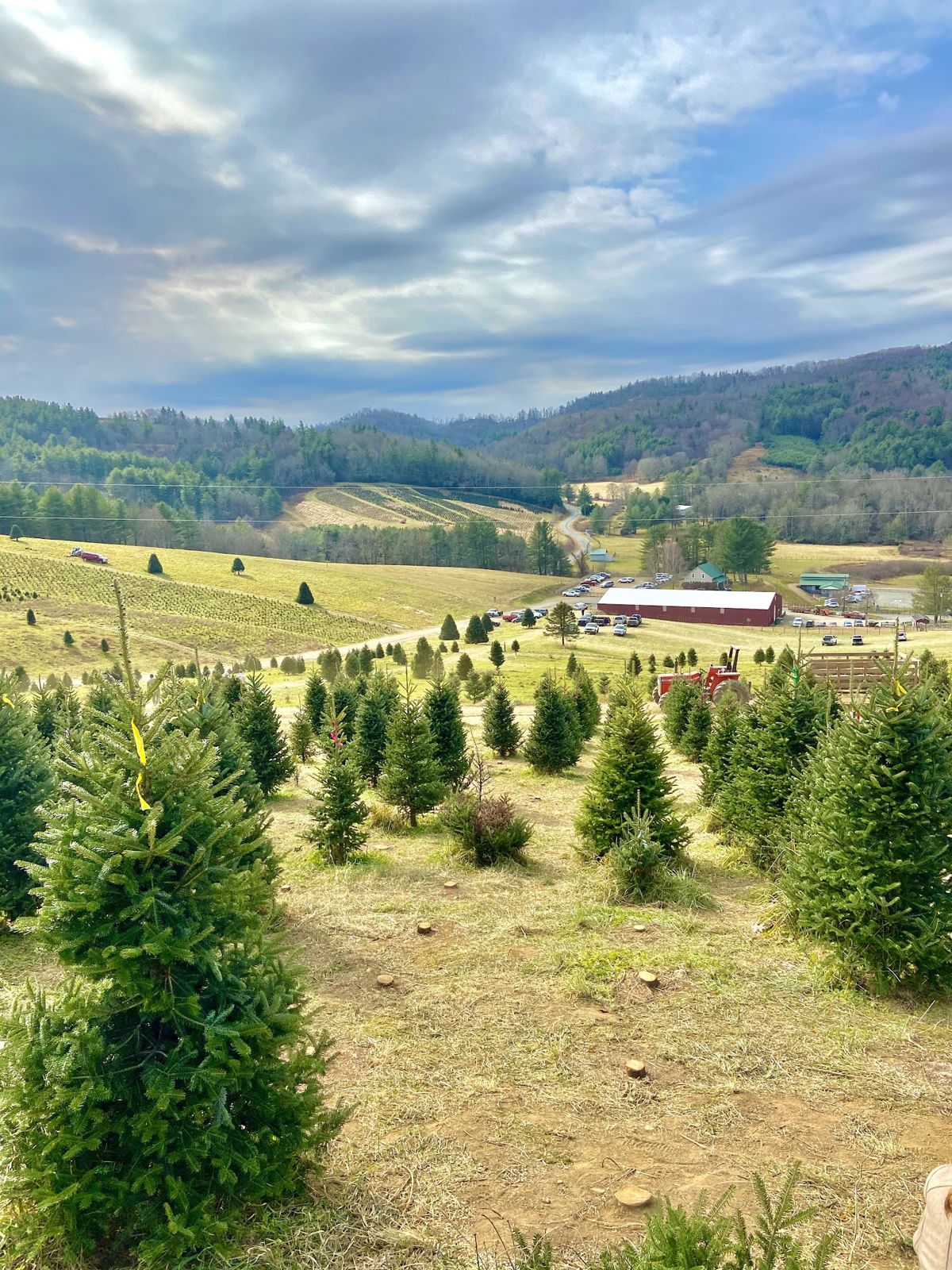
The scent of pine and crisp winter air; that is the unmistakable aroma of a Christmas tree farm. As you wander through rows of evergreen, each tree has its own story, its own promise of holiday cheer. The challenge often lies in choosing just one, not simply by its aesthetic appeal but by how well its characteristics suit your home and traditions.
The Significance of Your Christmas Tree Choice
Choosing a Christmas tree is more than a simple purchase; it is a ritual, a cornerstone of holiday decorating. The species you select will influence everything from needle retention and fragrance to branch strength for ornaments and its overall shape in your living room. A well-chosen tree enhances the entire festive experience, becoming a cherished part of your seasonal decor. Understanding the nuances of different species empowers you to make an informed decision, ensuring your tree remains vibrant and beautiful throughout the celebration.
Understanding Tree Attributes: Key Factors
Before diving into specific species, consider what attributes are most important to your family. Do you prioritize a strong, lasting fragrance, or is minimal needle drop your primary concern? Perhaps you have heavy, heirloom ornaments that require robust branches; alternatively, a soft, feathery texture might be more appealing. Thinking through these preferences will significantly narrow down your options as you explore the farm.
Needle Retention: A Top Priority
No one enjoys sweeping up a constant shower of dry needles; good needle retention is paramount for a long-lasting, mess-free holiday. Some species are naturally better at holding their needles than others, especially when properly watered. This characteristic is often linked to the tree's natural environment and the shape of its needles. Trees with flatter, softer needles sometimes tend to drop them sooner than those with more rigid, prickly ones.
Fragrance: The Scent of the Season
For many, the quintessential smell of Christmas comes directly from a fresh tree. The intensity and type of fragrance vary considerably between species; some offer a strong, classic pine aroma, while others have a more subtle, citrusy, or even balsam-like scent. Consider if you prefer a powerful, room-filling fragrance or a more delicate presence.
Branch Strength: Ornament Support
Are your treasured ornaments heavy glass globes or delicate, lightweight crafts? The strength of a tree's branches determines how well it can support your decorations. Fir trees generally have stronger, stiffer branches, ideal for heavier ornaments, while some pine species might offer more flexible, open branching. Always consider the weight of your ornament collection when evaluating branch structure.
Shape and Density: Visual Appeal
Every tree species possesses a unique growth habit; some are naturally conical and dense, others more open and airy. Think about the space in your home where the tree will stand; a wide, full tree might overwhelm a small room, whereas a more slender variety could be perfect. The density of the foliage also impacts how your lights and ornaments will display.
Popular Fir Varieties for Christmas Trees
Fir trees are a perennial favorite, renowned for their excellent needle retention, classic conical shapes, and often, delightful fragrances. Their strong branches make them a reliable choice for families with extensive ornament collections. When you visit a farm, you will likely encounter several popular fir species, each with its own distinct charm.
Fraser Fir: The Traditional Favorite
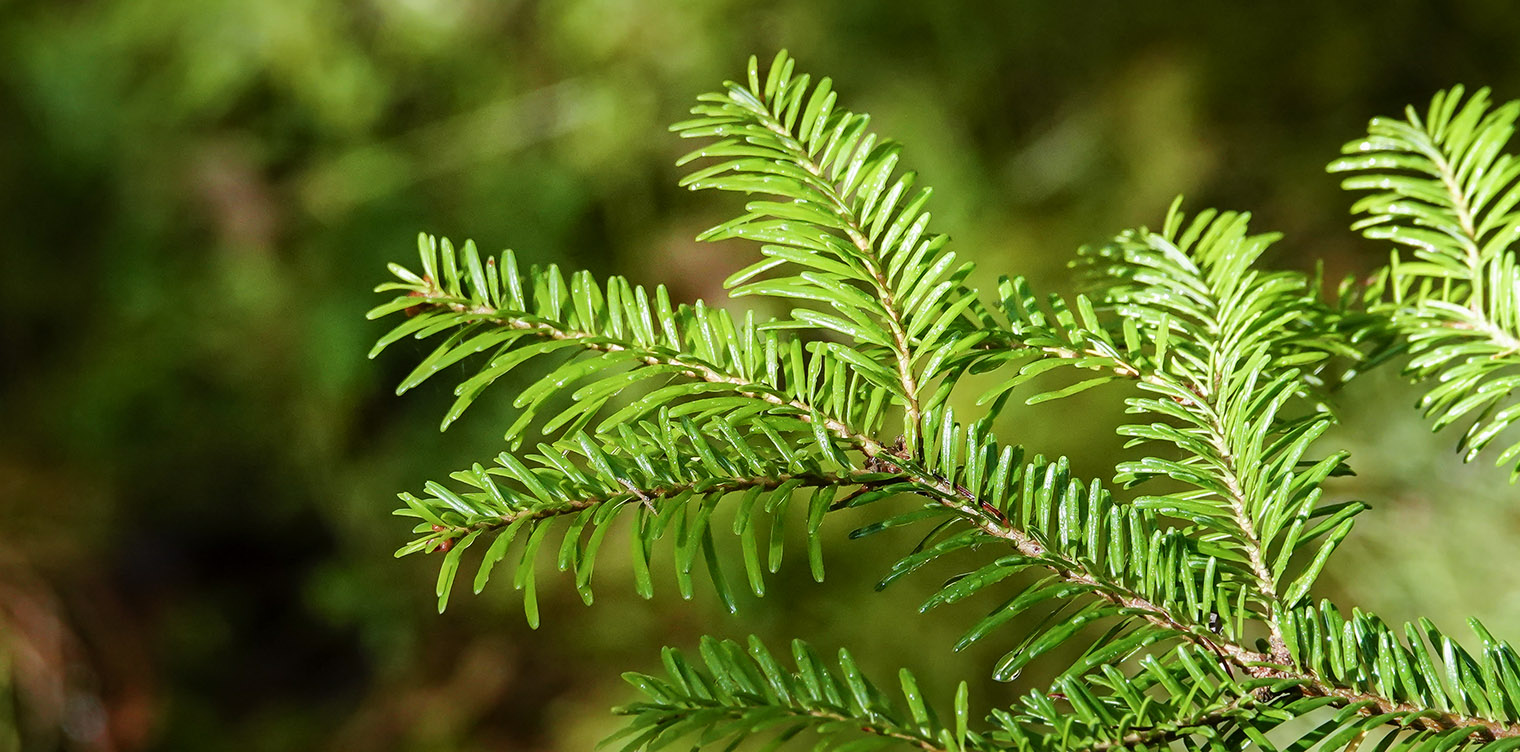
The Fraser fir is often considered the gold standard of Christmas trees; it is widely admired for good reason. Its soft, dark green needles, with silvery undersides, are densely packed on strong, upward-curving branches. The Fraser fir boasts exceptional needle retention, even in drier indoor environments, and emits a pleasant, classic balsam fragrance that fills a home with holiday cheer. These characteristics make it a consistently popular choice for discerning tree buyers.
Fraser Fir Needle Characteristics
Fraser fir needles are flat, approximately three-quarters of an inch long, and typically have a soft, almost plush feel. This softness contributes to its appeal, as it is pleasant to handle and less prone to pricking fingers during decoration. The distinct silvery bands on the underside of each needle add a lovely iridescent quality when the tree is lit.
Fraser Fir Branch Strength
The branches of a Fraser fir are notably sturdy and stiff; they can comfortably support a wide array of ornaments, from delicate glass baubles to heavier, sentimental pieces. This robust structure is a significant advantage for families who have accumulated many treasured decorations over the years. Its strong framework allows for versatile decorating without concern for drooping branches.
Balsam Fir: Aromatic and Elegant
The Balsam fir is another beloved choice, closely related to the Fraser fir but with its own unique attributes. Known for its deeply aromatic scent, it offers a truly immersive holiday experience. Its dark green needles are short, flat, and soft; they release that iconic forest fragrance with the slightest touch. While its needle retention is very good, it might not quite match the Fraser fir in absolute longevity.
Balsam Fir Fragrance Profile
The Balsam fir is arguably the most fragrant of all Christmas tree species; its rich, piney aroma is unmistakable and powerful. This strong scent is a key selling point for those who prioritize the sensory experience of a fresh tree. The fragrance is often described as sweet and resinous, evoking a deep connection to nature.
Balsam Fir Shape and Density
Balsam firs typically grow into a classic pyramidal shape, with dense, compact foliage. Their branches are strong, though perhaps slightly less rigid than a Fraser fir, still providing ample support for most ornaments. The dense growth pattern allows for an even distribution of lights and decorations, creating a full, festive appearance.
Canaan Fir: A Robust Alternative
The Canaan fir is gaining popularity, often seen as a versatile hybrid that combines the best qualities of Fraser and Balsam firs. It thrives in a wider range of growing conditions, making it a robust option for many regions. Its needles are soft, dark green, and have good needle retention; its fragrance is a pleasant, earthy balsam scent. This species offers a durable, beautiful option for your holiday centerpiece.
Canaan Fir Adaptability
One of the Canaan fir's key advantages is its adaptability; it tolerates various soil types and climates better than some other firs. This resilience means that Farms Near Me in diverse geographical areas might successfully cultivate Canaan firs. Its hardiness contributes to its growing appeal among both growers and consumers.
Distinguished Pine Tree Species
Pine trees offer a distinct look and feel compared to firs; they typically have longer needles, more open branching, and a classic "pine" scent. If you appreciate a less formal, more rustic appearance, a pine tree might be the perfect fit. Their unique needle structure also means they often shed less dramatically than some other types, even if the individual needles are longer.
Scotch Pine: The Resilient Choice
The Scotch pine, also known as Scots pine, is a hardy and enduring Christmas tree. It is recognized by its stiff, bluish-green needles, which are about 1 to 3 inches long and grow in bundles of two. Scotch pines are celebrated for their exceptional needle retention, often holding onto their needles long after other trees have begun to shed. Its sturdy branches can support a good deal of ornamentation.
Scotch Pine Needle Texture
The needles of a Scotch pine are notably stiff and somewhat sharp; this can be a consideration for those who prefer softer foliage. However, this rigidity contributes to its excellent needle retention. The blue-green hue of its needles provides a lovely contrast to traditional red and gold ornaments.
Scotch Pine Needle Retention
Scotch pines are legendary for their ability to hold needles; even when dry, they tend to stay on the branches rather than falling to the floor. This makes them an excellent choice for families who put their tree up early or those who want minimal cleanup. The waxy coating on their needles helps prevent moisture loss, contributing to their longevity.
White Pine: Soft and Full
The White pine is an elegant choice, known for its long, soft, bluish-green needles that grow in bundles of five. It has a beautiful, airy appearance and a pleasant, mild pine fragrance. While its needles are soft to the touch, its branches are generally more flexible than those of fir trees, meaning it's best suited for lighter ornaments. Its soft texture is a delight for children and pets alike.
White Pine Needle Characteristics
White pine needles are remarkably soft and pliable; they measure between 2 to 5 inches long, giving the tree a fluffy, full appearance. This unique texture makes it stand out from other conifers. The soft needles are less likely to prick fingers during the decorating process.
White Pine Branch Flexibility
The branches of a White pine are quite flexible; while they offer a beautiful silhouette, they are not as rigid as those of firs or Scotch pines. This characteristic means it is best to adorn a White pine with lightweight decorations, such as tinsel, garland, and delicate baubles. Heavy ornaments might cause branches to droop.
Other Notable Christmas Tree Species
Beyond the most common firs and pines, several other species offer unique qualities that might perfectly suit your needs. Exploring these options can lead you to discover a truly distinctive holiday tree. Farms often grow a variety of trees, so it is always worthwhile to browse Christmas tree farms by state to see what unique selections might be available in your area.
Douglas Fir: Aromatic and Dense
The Douglas fir is a popular Christmas tree, particularly on the West Coast, known for its dense, deep green foliage and a wonderful, sweet fragrance. Its needles are soft, flat, and about 1 to 1.5 inches long, radiating from the stem. It has good needle retention, though perhaps not as exceptional as the Fraser fir. Its sturdy branches hold ornaments well, making it a reliable choice.
Douglas Fir Fragrance
The fragrance of a Douglas fir is often described as sweet, citrusy, or even tangerine-like; it is a delightful departure from the traditional pine scent. This unique aroma adds another layer to the sensory experience of a fresh Christmas tree. The scent is typically robust and long-lasting.
Douglas Fir Branch Structure
Douglas firs have strong, sturdy branches that hold a good amount of weight, making them suitable for most ornament collections. Their dense growth pattern creates a full, lush appearance, providing an excellent backdrop for lights and decorations. The branches tend to be well-spaced, allowing for easy placement of ornaments.
Concolor Fir: The Citrus Scented Tree
The Concolor fir, also known as White fir, is a truly distinctive choice for its unique attributes. Its soft, flattened needles are a striking silvery-blue or green color, and when crushed, they release a strong, delightful citrus scent, often compared to oranges or grapefruit. It boasts excellent needle retention and strong branches, making it a durable and fragrant option. Many find its color particularly appealing.
Concolor Fir Needle Color
The distinctive silvery-blue or green color of the Concolor fir's needles sets it apart visually. This unique hue can beautifully complement a variety of decorating schemes, from cool-toned themes to traditional reds and greens. The color often shimmers under Christmas lights.
Concolor Fir Scent Profile
The Concolor fir's signature citrus scent is a major draw; it provides a refreshing and uplifting aroma that stands out from typical pine or balsam fragrances. This pleasant, zesty smell can fill a room without being overpowering, offering a unique sensory experience. It's a favorite for those seeking a less conventional fragrance.
Grand Fir: Glossy and Fragrant
The Grand fir is a beautiful, stately tree with glossy, deep green needles and a distinctive, strong citrusy-pine fragrance. Its needles are flat and grow in two distinct rows, giving the branches a neat, layered appearance. It has good needle retention and sturdy branches, making it a reliable choice. Its elegant appearance makes it a striking centerpiece.
Grand Fir Needle Arrangement
Grand firs are easily identified by their unique needle arrangement; the flat, shiny needles appear to be neatly combed or parted on either side of the branch. This arrangement creates a very orderly and refined look. The needles are soft to the touch, making decorating a pleasant experience.
Ensuring Your Tree Lasts: Care Tips
Once you have chosen the perfect species, proper care is essential to ensure your tree remains fresh and vibrant throughout the holiday season. A fresh cut, consistent watering, and avoiding heat sources are critical steps. For more detailed information on maximizing your tree's life, consult a comprehensive tree species guide or a National Christmas Tree Association resource.

Photo: Mile High Tree Farm, Google Maps contributor at Mile High Tree Farm.
The Crucial Fresh Cut
Upon bringing your tree home, make a fresh, straight cut across the base of the trunk, removing about half an inch. This reopens the tree's pores, allowing it to absorb water effectively. Do not cut the trunk at an angle or carve it into a V-shape, as this can impede water uptake and make it difficult to secure in a stand. This simple step is vital for the tree's longevity.
Consistent Hydration
Immediately place your freshly cut tree in a sturdy stand filled with water. Check the water level daily, especially during the first week; a fresh tree can drink several quarts of water in its first 24 hours. Allowing the water reservoir to run dry can cause the trunk to seal over, preventing further water absorption, and your tree will begin to dry out quickly.
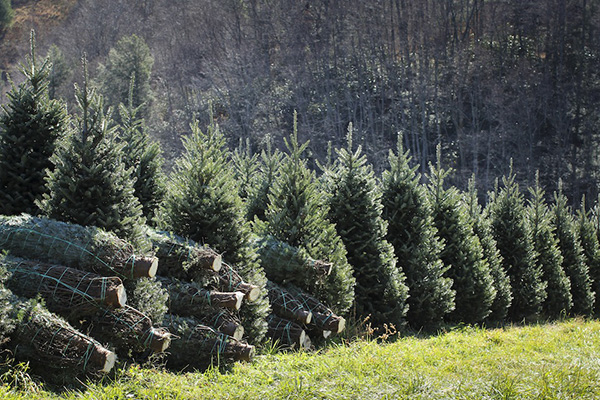
Photo: NC Christmas Tree Association, Google Maps contributor at a North Carolina Fraser fir farm.
Placement and Environmental Factors
Position your tree away from direct heat sources, such as fireplaces, heating vents, and direct sunlight. Excessive heat will cause the tree to dry out more rapidly, leading to increased needle drop and a diminished fragrance. Cooler room temperatures will help your tree stay fresh longer. Consider using LED lights, as they generate less heat than traditional incandescent bulbs.

Photo: Oregon State University, Google Maps contributor at Pacific Northwest Douglas fir forest.
Making Your Final Decision
The journey through the Christmas tree farm, surrounded by the beauty and aroma of nature, is an experience in itself. By understanding the unique characteristics of each species, you are better equipped to select a tree that perfectly aligns with your family's preferences and holiday traditions. Whether you prioritize scent, needle retention, branch strength, or a specific aesthetic, there is a perfect tree waiting for you. This year, make your tree choice an informed and joyful part of your holiday preparation.