Cost of a Real Christmas Tree in 2026: What to Expect
Published August 8, 2026 · By Christmas Tree Farm Finder
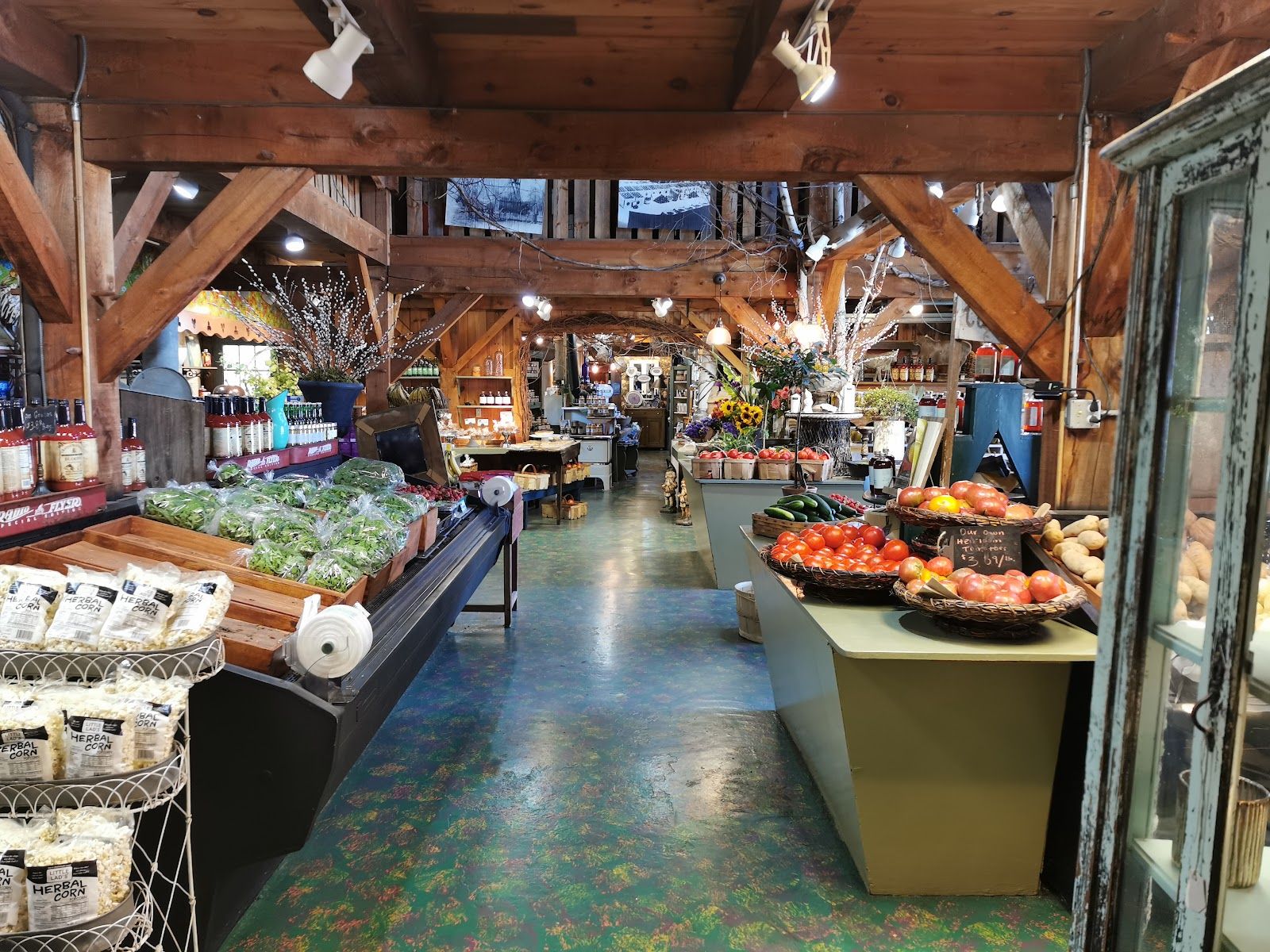
The crisp air, the scent of pine and fir, the rustle of evergreens underfoot; there’s something undeniably magical about choosing a real Christmas tree. But beyond the festive experience, many folks wonder about the actual price tag they'll encounter when picking out that perfect centerpiece for their holiday celebrations. As we approach 2026, let's break down what you can realistically expect to pay for a live Christmas tree.
The Foundation of Tree Pricing: Size and Species
The primary determinants of a real Christmas tree's cost are its height and the specific species you choose. Taller trees naturally command higher prices; more years of growth, more land used, and more care invested contribute to this. Certain species, like Fraser Firs or Noble Firs, are often more expensive due to their desirable needle retention, strong branches, and classic conical shapes. Scotch Pines or Balsam Firs, while still beautiful, might offer a more budget-friendly option. A five-foot Fraser might cost you $75, while an eight-foot Noble could easily run $150 or more, even before any additional services.
Understanding Price Per Foot
Many farms price their trees by the foot, a straightforward method that allows for clear comparison. This "price per foot" can vary significantly from farm to farm and region to region. In some areas, you might find a decent fir for $10 to $12 per foot, while in more upscale or high-demand locales, that figure could jump to $15 or even $20 per foot for premium species. Always ask if the farm has a standard per-foot price or if it varies by species.
The Premium for Specific Species
The premium for certain species isn't arbitrary; it reflects cultivation challenges and market demand. Fraser Firs, for example, are known for their sturdy branches, perfect for heavy ornaments, and excellent needle retention, making them a top choice. Noble Firs boast a similar appeal, with their distinct layered branches. Balsam Firs offer that classic Christmas tree scent but might not hold heavy ornaments as well. Douglas Firs are often a good middle-ground option, balancing cost and quality. Knowing the tree species guide can help you decide which tree best fits your budget and decorating style.
Geographic Variations in Tree Cost
Where you buy your tree plays a significant role in its final price. Regional economic factors, land costs for the farm, and local demand all contribute to pricing discrepancies across the country. A tree purchased in a rural, lower-cost-of-living area will likely be less expensive than the exact same tree bought near a major metropolitan center.
East Coast Versus West Coast Pricing
Generally, Christmas tree prices can be higher on the West Coast, particularly in states like California, due to higher land values and transportation costs from major growing regions, which are often in the Pacific Northwest or Appalachia. East Coast prices can be more varied; states like North Carolina and Michigan are significant producers, which can sometimes lead to more competitive pricing, especially if you're buying directly from a farm in those areas. However, densely populated East Coast cities will still see higher markups.
The Impact of Local Competition
A cluster of Christmas tree farms in a specific area can sometimes lead to competitive pricing, benefiting consumers. Conversely, if there are only one or two farms serving a large population, they might be able to set higher prices without much resistance. Before heading out, it's always a good idea to research Farms Near Me to get a sense of local options and their general price ranges.
The Role of Supply and Demand
Like any agricultural product, the supply and demand for Christmas trees fluctuate year to year, influencing prices. Weather events, disease outbreaks, or even shifting consumer preferences can impact the availability of certain tree types, directly affecting what you pay.
Previous Planting Cycles' Influence
Christmas trees aren't an overnight crop; they take 7 to 10 years to reach typical market height. This means that current supply is heavily influenced by planting decisions made almost a decade ago. A national oversupply from eight years prior could mean more competitive prices today, while a lean planting year could lead to higher costs. The National Christmas Tree Association often provides insights into harvest projections, which can give an indication of upcoming supply.
Unexpected Weather Events
Severe droughts, unexpected freezes, or widespread pest infestations can devastate tree populations in a given growing season. When a significant portion of a region's crop is lost, the remaining trees become more valuable, driving up prices. Farmers work hard to mitigate these risks, but nature sometimes has the final say.
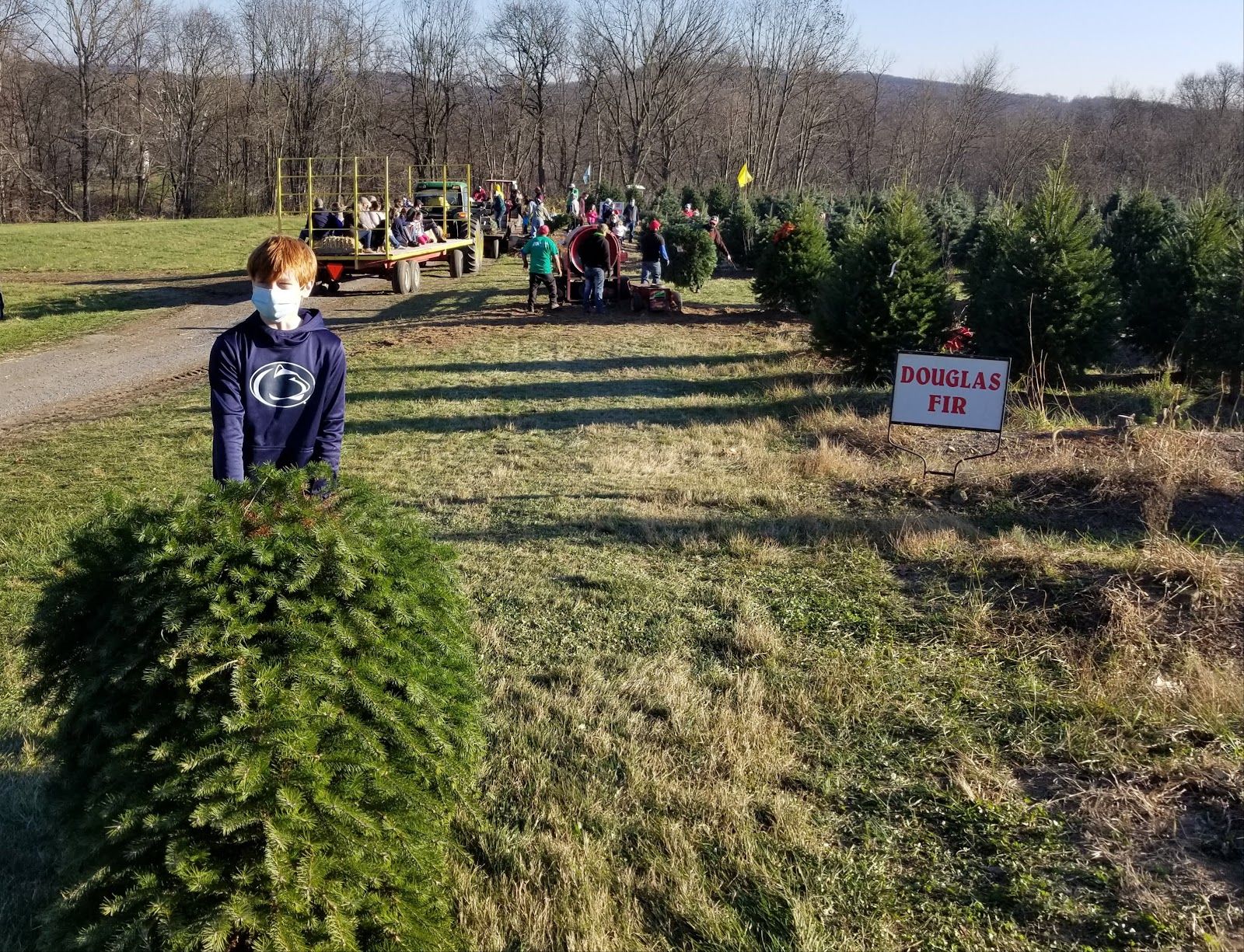
Photo: Old Forge Family Farm, Google Maps contributor at McCurdy's Tree Farm and Landscaping.
Additional Costs Beyond the Tree Itself
The price of the tree is often just the starting point. Many farms and retail lots offer services or products that, while convenient, add to the overall expense. Budgeting for these extras will prevent sticker shock.
Netting and Baling
Most farms will offer to net or bale your tree, wrapping it tightly in plastic netting for easier transport and to protect the branches. This service is often included in the tree's price, especially at choose-and-cut operations. However, some retail lots might charge a small fee, typically $5 to $10, for this convenience. It's a worthwhile expense, as wrestling an un-netted tree into or onto your vehicle can be a real challenge.
Tree Stands and Disposal Services
If you're buying your first real tree or need a new stand, prepare to factor that into your budget. Quality stands can range from $25 to $75, depending on their size and features. Also, once the holiday season is over, you'll need to dispose of your tree responsibly. Some towns offer curbside pickup or drop-off points for tree recycling, often for free or a nominal fee, but some private services might charge $15 to $30.
Delivery and Setup
For those who prefer not to transport their tree, many larger retail lots and some farms offer delivery services. This can be particularly appealing for very tall trees or for individuals with smaller vehicles. Delivery fees typically range from $30 to $100, depending on the distance and the size of the tree. Some premium services might even include setup inside your home, adding to the cost but saving you significant effort.
The Value of the "Experience"
Beyond the physical product, a real Christmas tree often comes with an experience, particularly when you visit a choose-and-cut farm. The memories made, the fresh air, and the tradition itself hold an intangible value that many families are willing to pay for.
Choose-and-Cut Versus Pre-Cut Lots
Opting for a choose-and-cut experience at a farm often means a slightly higher price point for the tree itself compared to a pre-cut lot of similar size and species. This premium reflects the unique experience: walking through rows of trees, saw in hand, and finding your perfect tree. Pre-cut lots, while convenient, offer less of the adventure. When planning a day out, remember to consult a cut-your-own checklist to ensure you have everything you need for a smooth trip.
Farm Amenities and Activities
Many family-run Christmas tree farms have evolved into festive destinations, offering much more than just trees. You might find hayrides, hot chocolate stands, gift shops, petting zoos, or even visits with Santa. These amenities enhance the overall holiday experience, and while they aren't directly added to the tree's price, they represent an additional draw and can influence your decision on where to purchase. Farms that offer a wide array of activities often attract more visitors, which in turn supports their operations and, indirectly, their pricing structure.
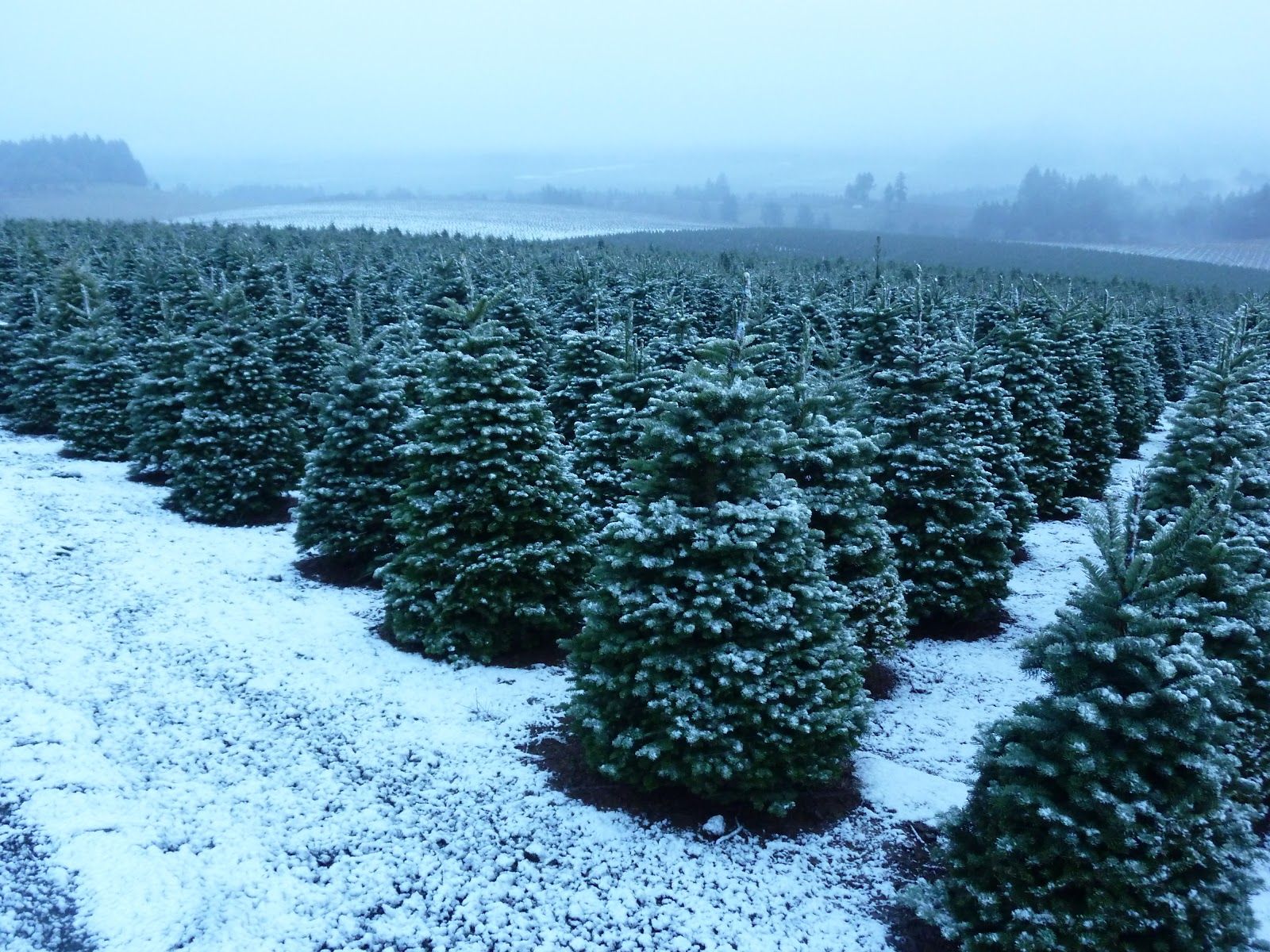
Photo: Old Forge Family Farm, Google Maps contributor at Redland Family Farm.
Budgeting for Your 2026 Tree
When planning for your 2026 Christmas tree, consider your priorities. Do you want the absolute cheapest option, or are you looking for a specific species and a memorable family outing? A good strategy is to set a budget range, rather than a fixed number. This allows for flexibility when you find that perfect tree that might be slightly above your initial estimate.
Planning Your Purchase Timing
The timing of your purchase can sometimes impact the price, though not as dramatically as with other retail items. Earlier in the season, right after Thanksgiving, generally sees the best selection. Prices tend to remain relatively stable throughout the peak season. However, waiting until the last week before Christmas might yield some discounts from retail lots eager to clear inventory, but your selection will be severely limited. To get the best selection and experience, plan to visit a farm in late November or early December, checking the season calendar for optimal times.
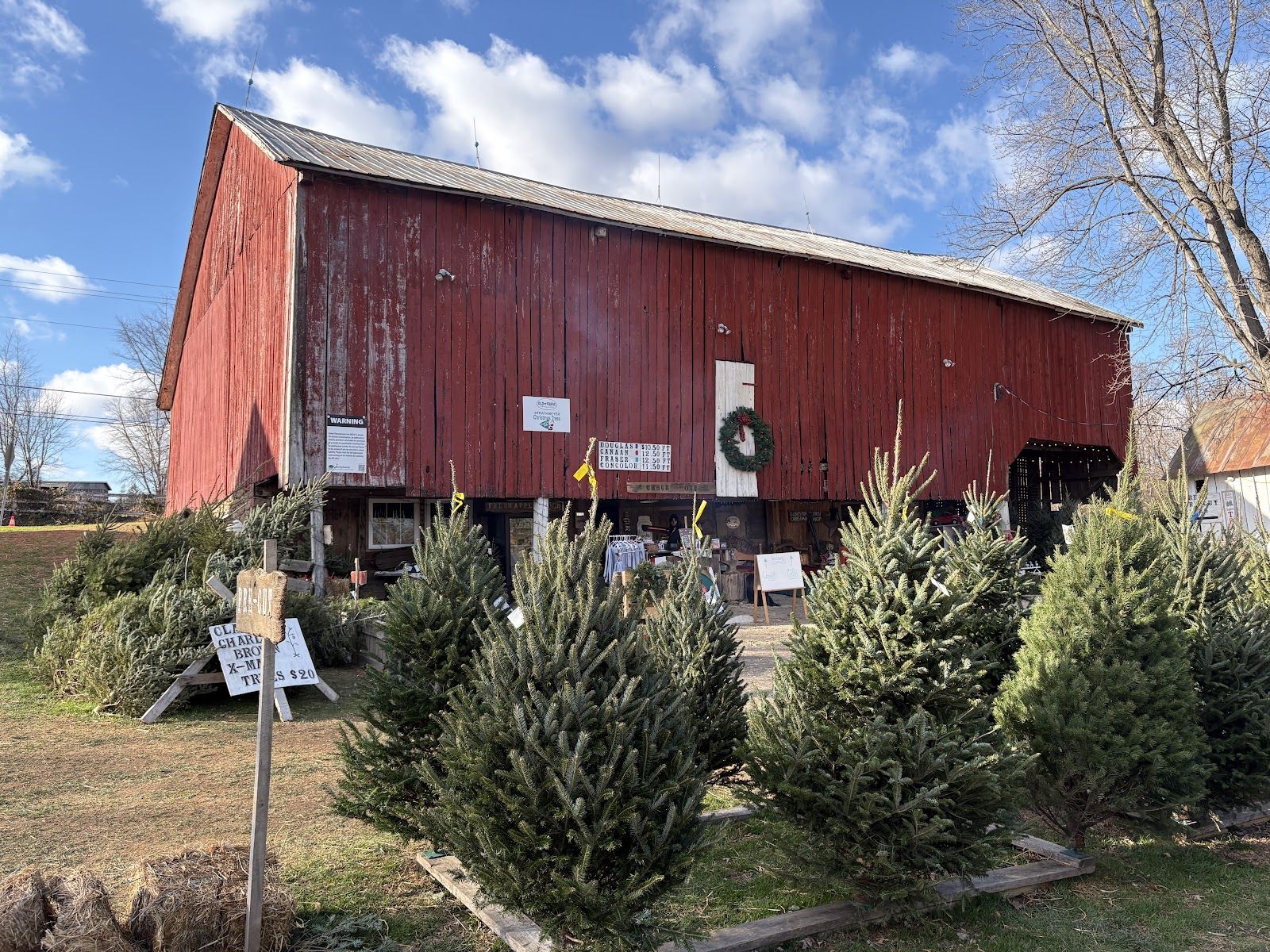
Photo: Old Forge Family Farm, Google Maps contributor at Old Forge Family Farm.
The Long-Term Value
While the upfront cost of a real Christmas tree might seem like a yearly expense, many families view it as an investment in tradition and holiday spirit. The sensory experience, the unique charm of a natural product, and the support of local agriculture all contribute to its enduring appeal. When you compare the cost of a real tree over its relatively short lifespan to the longevity of artificial trees, the real tree offers a different kind of value; one rooted in transient beauty and memory-making. It's not just about the tree; it's about the holiday season itself.