Small Family Farms vs. Big-Box Lots: Buyer's Guide
Published August 26, 2026 · By Christmas Tree Farm Finder
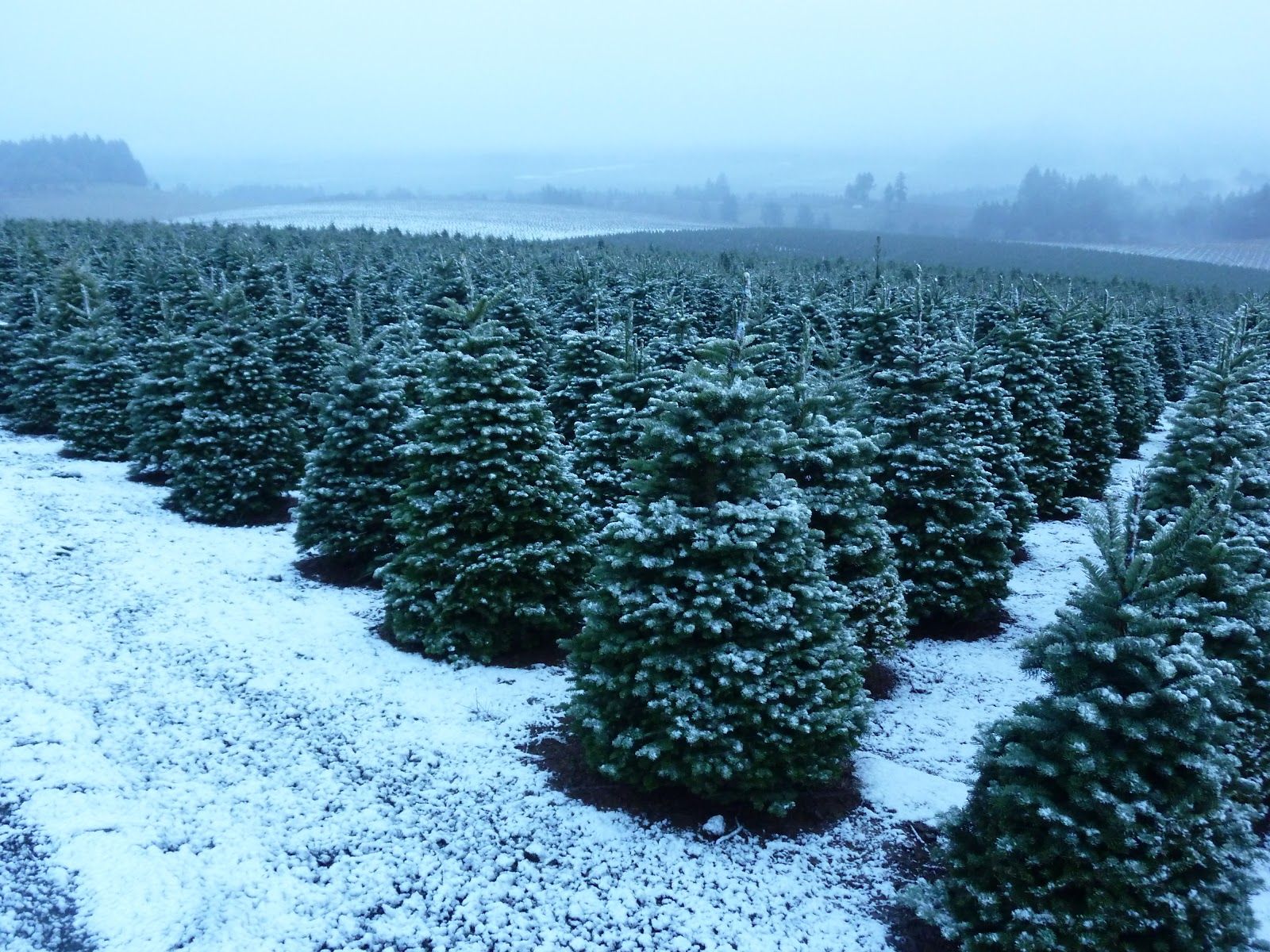
The crisp air of December, the scent of pine needles, the laughter of children bundled in scarves; these are the sensory memories many of us chase each year as we seek out the perfect Christmas tree. But where you choose to find that centerpiece for your holiday celebrations profoundly shapes the experience. From the sprawling aisles of a big-box store to the frost-kissed fields of a family farm, the journey of selecting a Christmas tree offers two very different paths, each with its own character and implications for the buyer.
The Allure of the Family Farm
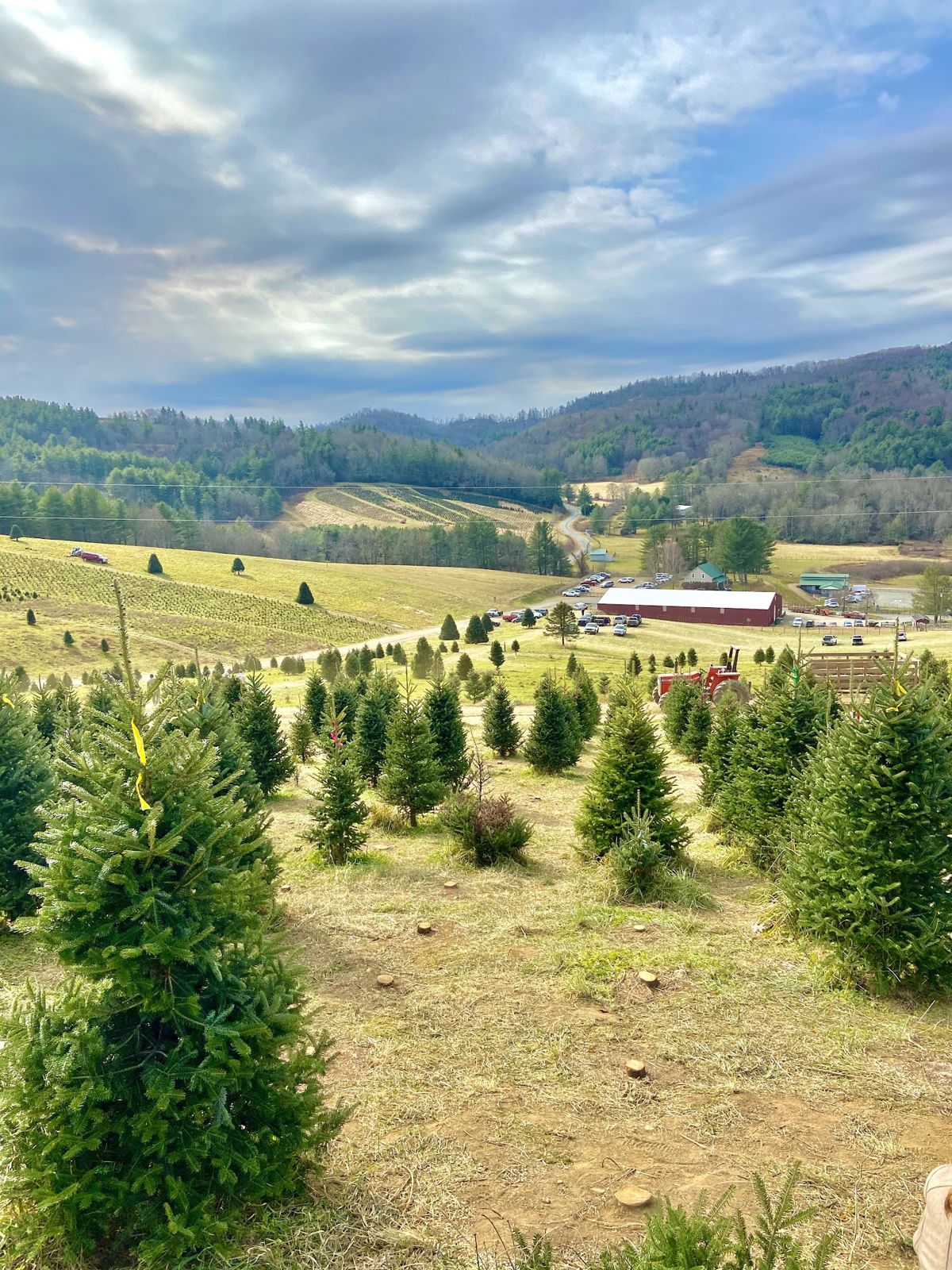
Stepping onto a family-run Christmas tree farm feels like entering a living postcard; the rows of evergreens stretch across rolling hills, often framed by old barns or a warm, welcoming farmhouse. This isn't just a place of commerce; it is a landscape cultivated with care, a tradition passed down through generations. For many, the family farm represents the authentic Christmas experience, offering a tangible connection to the land and the season.
The True "Choose-and-Cut" Adventure
There is an undeniable thrill in walking through a field of fragrant firs, saw in hand, searching for the one. This choose-and-cut process is the hallmark of many small farms, transforming a simple purchase into a memorable family outing. You get to interact directly with the tree in its natural environment, judging its shape, fullness, and height from every angle, often with helpful guidance from a farmer who knows each species by heart.
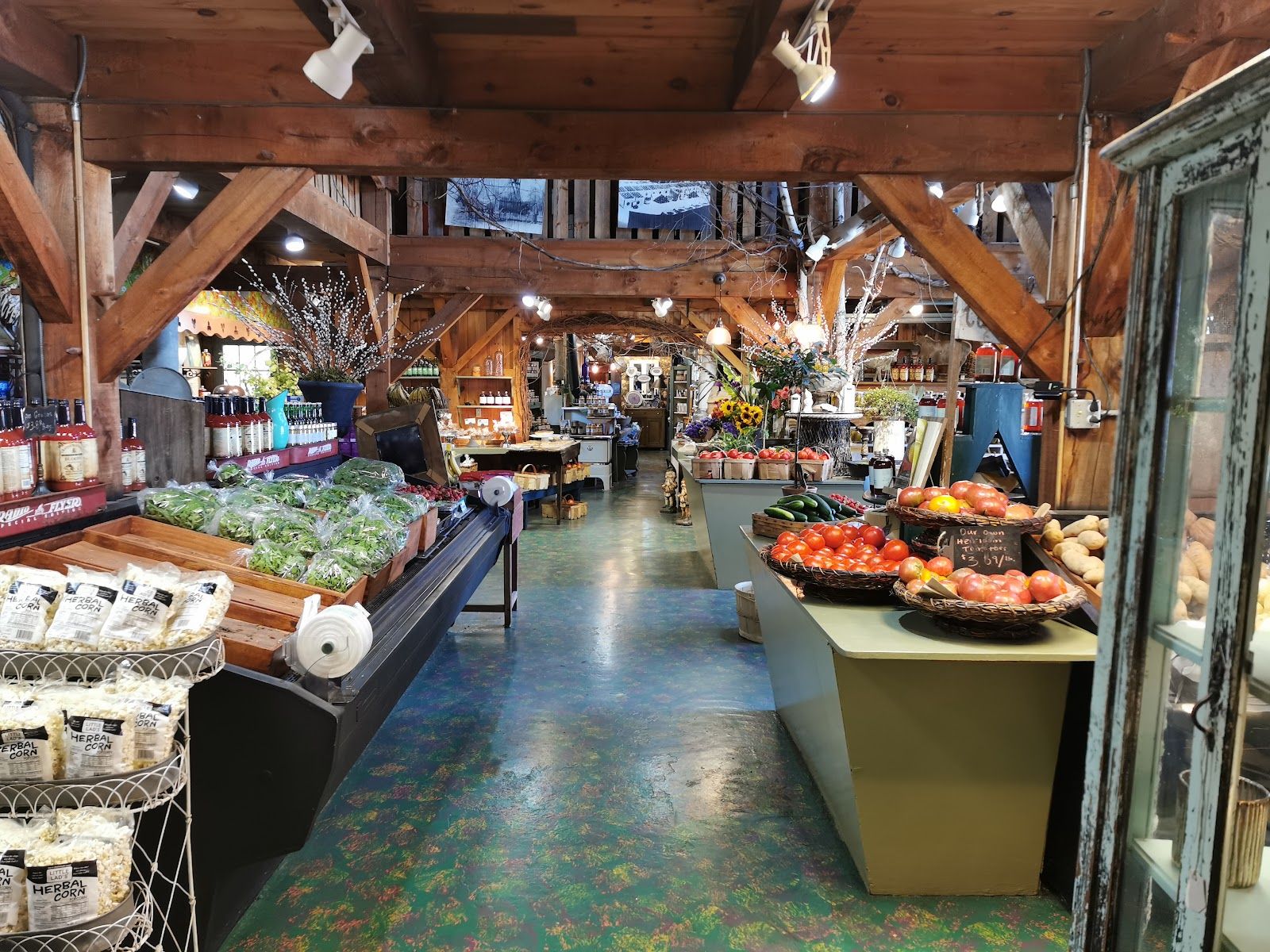
Photo: Old Forge Family Farm, Google Maps contributor at Brookdale Fruit Farm.
Unmatched Freshness and Longevity
A tree cut on a family farm, especially one you've just felled yourself, is the epitome of freshness. These trees retain their moisture longer, minimizing needle drop and prolonging that delightful pine scent throughout the holiday season. The journey from field to your living room is typically very short; sometimes it is mere hours, which significantly impacts the tree's health and vibrancy. This stands in stark contrast to trees that might have been harvested weeks earlier and transported across states.
Direct Support for Local Economies
When you buy from a small family farm, your dollars directly support local families, their employees, and often other small businesses in the community. This economic ripple effect strengthens the local fabric, helping to sustain agricultural land and preserving a way of life that is increasingly rare. It is a purchase that feels good not just for your home, but for your hometown as well.
A Connection to the Land and the Growers
Farmers on these small operations often greet you personally, perhaps sharing stories about their growing season or offering tips on tree care. This direct interaction fosters a sense of community and connection, allowing buyers to understand the effort and dedication behind their tree. You're not just buying a product; you're participating in a long-standing tradition, acknowledging the hard work and passion of those who cultivate these beautiful evergreens.
Understanding the Environmental Impact
Many small Christmas tree farms practice sustainable forestry, planting new seedlings for every tree harvested, ensuring a continuous cycle of growth. They often use environmentally conscious methods for pest control and fertilization, viewing themselves as stewards of the land. Visiting a farm allows you to see these practices firsthand, reinforcing the idea that real Christmas trees are a renewable resource, unlike their artificial counterparts. Learn more about their journey and find a farm near you by visiting Farms Near Me.
The Practicality of Big-Box Lots
Big-box stores, with their expansive parking lots and often overwhelming selection of goods, present a different kind of Christmas tree shopping experience. Their approach is one of convenience and volume, catering to a different set of priorities for the holiday shopper. These lots are a relatively recent phenomenon in the history of Christmas tree acquisition, yet they have become a dominant force for many urban and suburban dwellers.
Convenience and Accessibility
The primary draw of a big-box tree lot is undeniable convenience. Located in easily accessible urban and suburban areas, often attached to grocery stores or home improvement centers, these lots allow for quick in-and-out purchases. For buyers with limited time, or those who prefer not to venture far from home, the big-box option provides a streamlined transaction that fits neatly into a busy schedule.
Predictable Inventory and Pricing
Big-box stores typically source their trees from large commercial growers, resulting in a more standardized inventory. You can often find a wide selection of popular species, like Fraser firs and Noble firs, generally uniform in size and shape. Pricing tends to be straightforward, often with promotional deals, allowing for easy budgeting and comparison shopping without the need to drive from farm to farm.
Availability of Related Christmas Supplies
One-stop shopping is another significant advantage. At a big-box store, you can pick up your tree, along with lights, ornaments, tree stands, and other holiday décor all in one trip. This efficiency appeals to shoppers who prioritize consolidating their errands, transforming the tree purchase into just one item on a larger list of holiday preparations. This method of shopping is undoubtedly practical, if less romantic.
Limited Interaction and Information
While staff are usually on hand to assist with netting and loading, the depth of knowledge about the trees themselves is often limited. You might not find anyone who can tell you precisely where the tree was grown, when it was cut, or specific care tips beyond the basics. This transactional approach contrasts sharply with the personal advice often found on a family farm; it is a focus on speed over story.
Questions of Freshness and Origin
Trees at big-box lots are typically harvested weeks in advance, then shipped long distances before they reach the retail floor. This extended period from cutting to sale can impact the tree's freshness, leading to increased needle drop and a shorter lifespan in your home. It can be challenging to determine the exact origin or harvesting date, leaving buyers with some uncertainty about their tree's longevity and environmental footprint.
What Changes for the Buyer: A Summary
The choice between a small family farm and a big-box lot is more than a simple matter of location; it is a decision about the kind of holiday experience you want to create. For the buyer, this choice impacts everything from the quality and freshness of the tree to the depth of the holiday tradition itself.
The Experience Itself
On a family farm, the tree-buying process is an event; it is an outing, a memory in the making. It involves bundling up, perhaps enjoying a hot chocolate, and engaging in the physical act of choosing and possibly cutting your own tree. This is an active, immersive experience. Conversely, the big-box lot offers a quick transaction, an efficient addition to a shopping list; it is a passive purchase, focused on convenience. Learn what to bring for a successful outing with our cut-your-own checklist.
The Quality and Lifespan of Your Tree
Freshness is where family farms often shine. A tree cut days or even hours before it enters your home will likely last longer, retain its needles better, and maintain its fragrant aroma for the entirety of the holiday season. Big-box trees, while still beautiful, are typically older when purchased, potentially compromising their longevity and scent. Understanding different tree species, like the popular Douglas fir or Balsam fir, can also inform your choice; consult our tree species guide for more details.
Economic and Environmental Impact
Supporting a family farm channels money directly into local economies and often encourages sustainable agricultural practices. It's a purchase with a clear, positive local impact. Buying from a big-box store, while convenient, funnels money to larger corporations; the environmental impact, while present, is less direct and often harder for the consumer to trace.
The Personal Connection
There's a palpable difference in the human element. A farm visit often includes personal interaction with the growers, offering a story behind your tree and a sense of shared community. Big-box stores provide a largely anonymous transaction; the connection is to the product, not the people who grew it. This personal touch can elevate the holiday spirit.
Convenience Versus Tradition
Ultimately, the choice often boils down to a trade-off between convenience and tradition. If time is at a premium and a quick, easy purchase is paramount, a big-box lot serves its purpose well. If the desire for an authentic, memorable, and perhaps more meaningful start to the holiday season outweighs the convenience factor, then the trek to a family farm is undoubtedly the more rewarding path. Both options provide a beautiful focal point for your home, but the journey to finding it is distinct. For a truly authentic experience, consider visiting a local farm; you can browse Christmas tree farms by state to find one near you. For more information on real Christmas trees, visit the National Christmas Tree Association.
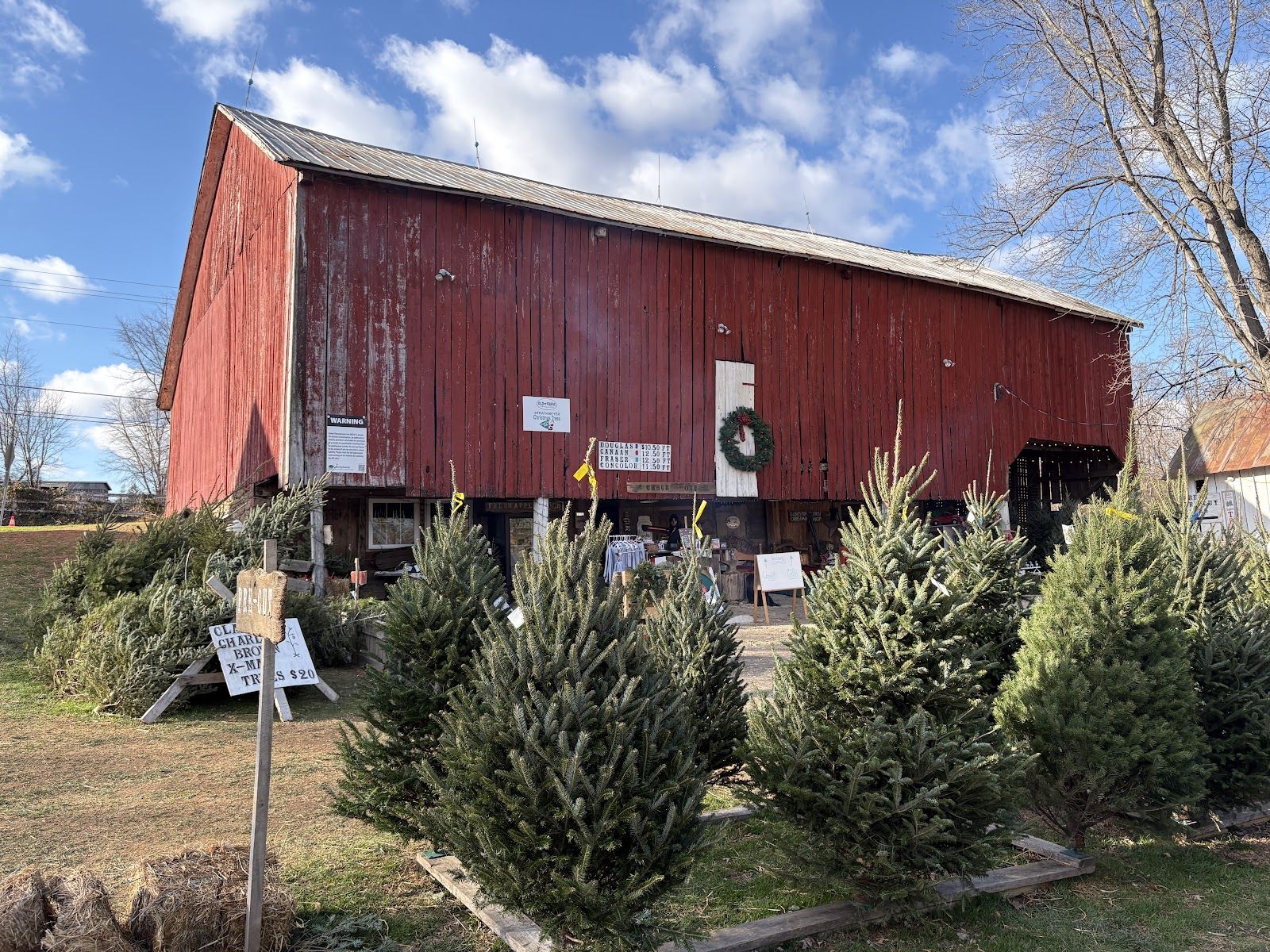
Photo: Old Forge Family Farm, Google Maps contributor at Old Forge Family Farm.
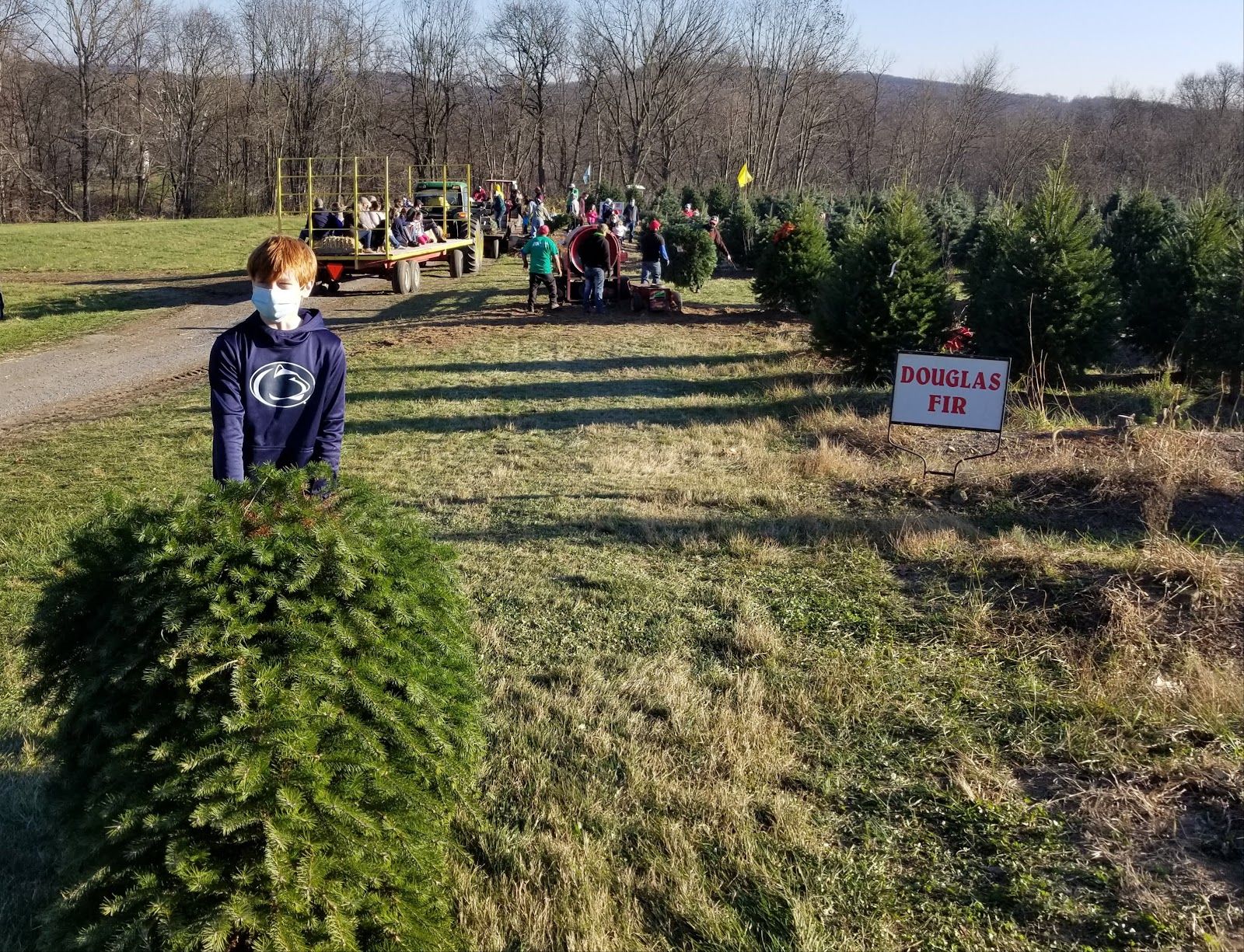
Photo: Old Forge Family Farm, Google Maps contributor at McCurdy's Tree Farm and Landscaping.