Small Family Farms vs. Big-Box Stores: What Changes for the Buyer?
Published July 17, 2026 · By Christmas Tree Farm Finder
Small Family Farms vs. Big-Box Lots: What Changes for the Buyer
The crisp autumn air, the scent of pine needles, the promise of twinkling lights; these are the sensory harbingers of Christmas. For many, the annual tradition of acquiring a Christmas tree is as central to the holiday as carols or cookies. But where do you source your evergreen centerpiece? For the discerning buyer, the choice often boils down to a small, family-run farm versus a large, bustling big-box lot. This isn't merely a matter of convenience or price; it's an entirely different experience, with implications for the tree you choose, the memories you make, and the community you support.
The Allure of the Small Family Farm
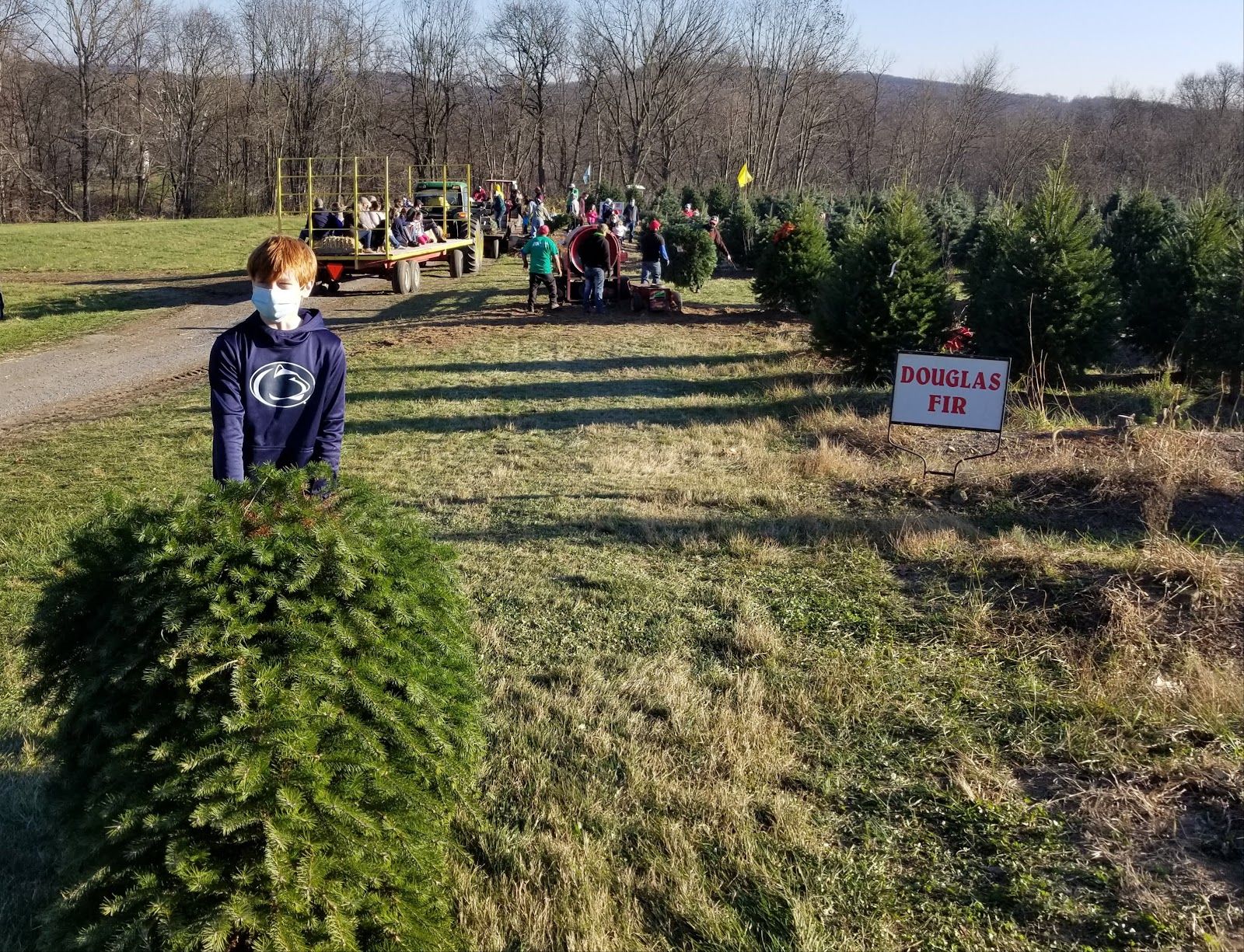
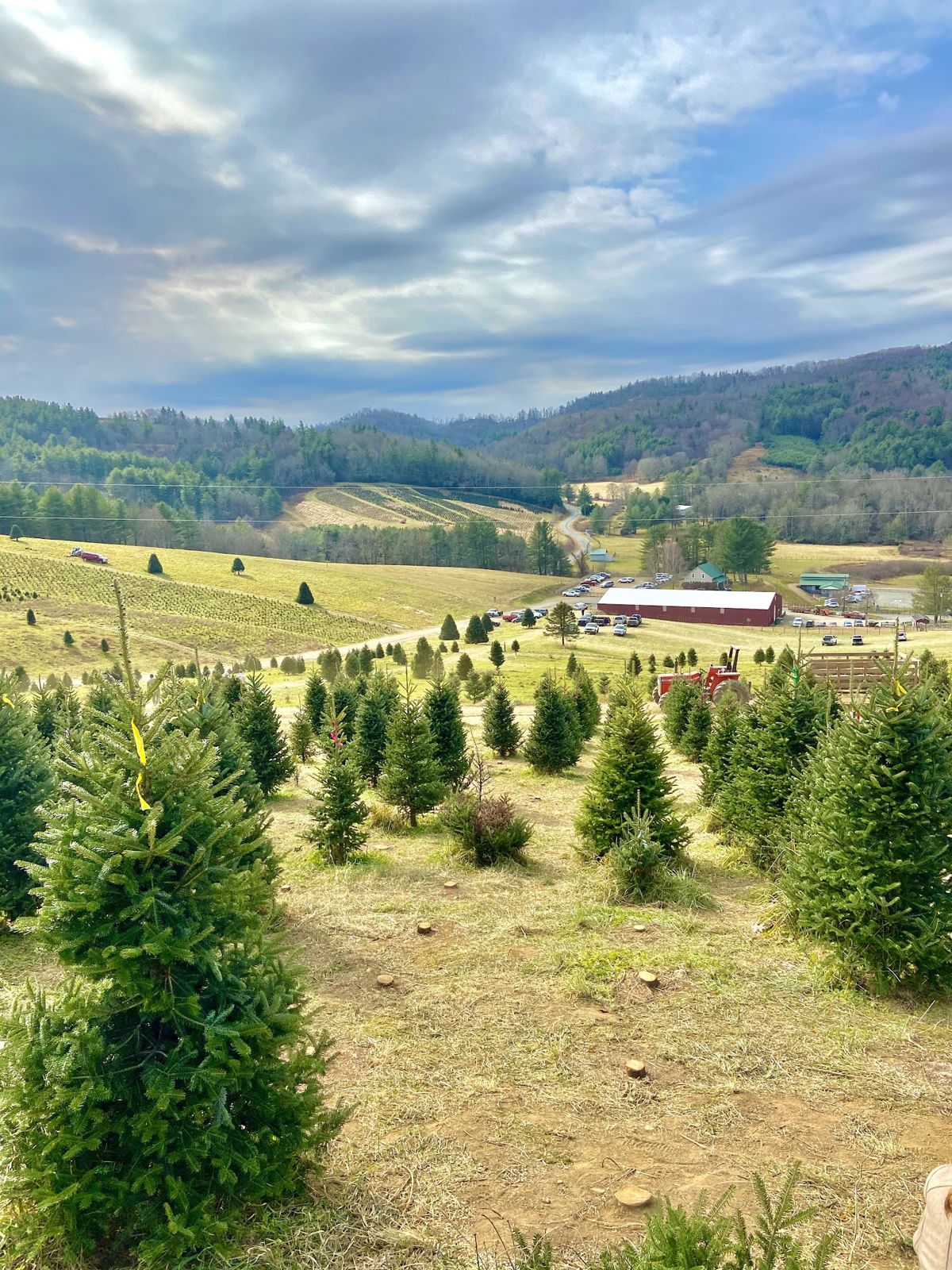
Photo: McCurdy's Tree Farm, Google Maps contributor at McCurdys Tree Farm and Landscaping.
Stepping onto a family-owned Christmas tree farm is like stepping into a holiday postcard. The air hums with a different energy, one that feels both bustling and serene. Often, these farms have been cultivated by generations; the layout, the varieties of trees, and sometimes even the traditions themselves have been passed down. This heritage is palpable.
The Personal Touch and Informed Guidance
One of the most immediate differences you'll encounter at a small farm is the level of personal service. Owners or long-term employees often greet you, clad in flannel and work boots, ready to share their expertise. They know their trees intimately; they can tell you which varieties hold needles best, which have the strongest branches for heavy ornaments, and which boast the most fragrant aroma. If you’re looking for a Fraser fir versus a Balsam or a Canaan fir, they’ll explain the subtle differences in needle structure and aroma. This isn't just selling; it's educating, guiding, and ensuring you find the perfect tree for your home and your traditions.
That Personal Interaction Often Extends Beyond Tree Selection
That personal interaction often extends beyond tree selection. Many small farms offer amenities that foster a genuine holiday atmosphere. You might find a warming shed with hot chocolate and cider, perhaps a crackling fire pit for roasting marshmallows, or even a small petting zoo for the kids. These aren't just commercial ploys; they're extensions of the family’s hospitality, designed to make your visit memorable. The act of choosing a tree becomes an event, a cherished annual pilgrimage, rather than a quick errand. You’re not just buying a tree; you’re buying an experience.
Quality and Selection: The On-site Advantage
The quality of trees at a small farm can be exceptionally high, primarily because you’re often cutting it yourself, or selecting one that was cut mere hours before. These trees are usually grown on site, meticulously pruned and cared for throughout their lifespan. This hands-on cultivation translates into healthier, fuller trees with vibrant color and strong needle retention. You can literally walk through rows of trees, seeing them in their natural environment, discerning their shape and density before making a commitment. This eliminates the uncertainty of a pre-cut lot where trees might have traveled long distances.
Small Farms Often Cultivate A Wider Variety Of Trees Than You Ll Typic
Small farms often cultivate a wider variety of trees than you’ll typically find at a big-box store. While a large retailer might focus on the most popular, fast-growing species, a family farm might take pride in offering different types: Blue Spruce for its distinctive color, White Pine for its soft needles, or even specialized cultivars. This expanded selection allows for a more tailored choice, catering to specific aesthetic preferences or practical needs, perhaps a tree with softer needles if you have small children.
The Choose And Cut Experience Is A Hallmark Of Many Small Farms
Also, the "choose and cut" experience is a hallmark of many small farms. Handing a saw to customers, watching them scout for their ideal tree among thousands; it’s an empowering and engaging activity. This hands-on approach ensures freshness unsurpassed by any pre-cut option. You know exactly when your tree was harvested, guaranteeing maximum needle retention and fragrance throughout the holiday season. If you don't relish the thought of sawing, most farms offer freshly cut trees, or staff who can cut your chosen tree for you.
The Pragmatism of the Big-Box Lot
Photo: McCurdy's Tree Farm, Google Maps contributor at Lil Grandfather Choose and Cut.
Big-box Christmas tree lots serve a crucial purpose, particularly for those seeking convenience, predictable pricing, and immediate availability. They’re a ubiquitous part of the holiday landscape for good reason.
Convenience and Accessibility
The primary draw of a big-box lot is convenience. Located in urban and suburban areas, often in the parking lot of a supermarket or home improvement store, they’re easily accessible. You don't need to drive an hour into the countryside; you can pick up your tree as part of your regular grocery run. For busy families or individuals with limited time, this convenience is a significant advantage. The hours are usually extended, aligning with the store's operating times, making it possible to grab a tree early in the morning or late in the evening.
The Selection While Perhaps Not As Diverse As A Small Farm Is Often Qu
The selection, while perhaps not as diverse as a small farm, is often quite large in terms of sheer numbers. You’ll find rows and rows of popular species, typically Fraser firs, Balsam firs, or Douglas firs, ranging in height. This abundance means you’re likely to find a tree in your desired size bracket without much searching. The trees are usually displayed upright, allowing for quick visual inspection, though you might have to navigate crowded aisles.
Predictable Pricing and Standardized Offerings
Pricing at big-box lots tends to be standardized, often by height, making budgeting straightforward. Sales and promotions, especially closer to Christmas, can sometimes offer more aggressive discounts than a small farm, which operates on tighter margins. If your primary decision-making factor is the bottom line, a big-box retailer might present a more attractive initial price point.
The Trees Themselves Are Generally Sourced From Large Commercial Growe
The trees themselves are generally sourced from large commercial growers, sometimes from multiple states away, then shipped to the lot. These operations prioritize efficiency and consistency. The trees are typically harvested weeks in advance, bundled, and transported. While this process ensures a consistent supply, it means the trees are not as fresh as a choose-and-cut option. They are still good trees, but their journey from forest to lot has been longer. Staff at these lots are often seasonal employees, knowledgeable about basic tree care, but perhaps not possessing the deep, nuanced understanding of a multi-generational farmer. Their role is primarily transactional: help load the tree, process payment.
Different Values for Different Buyers
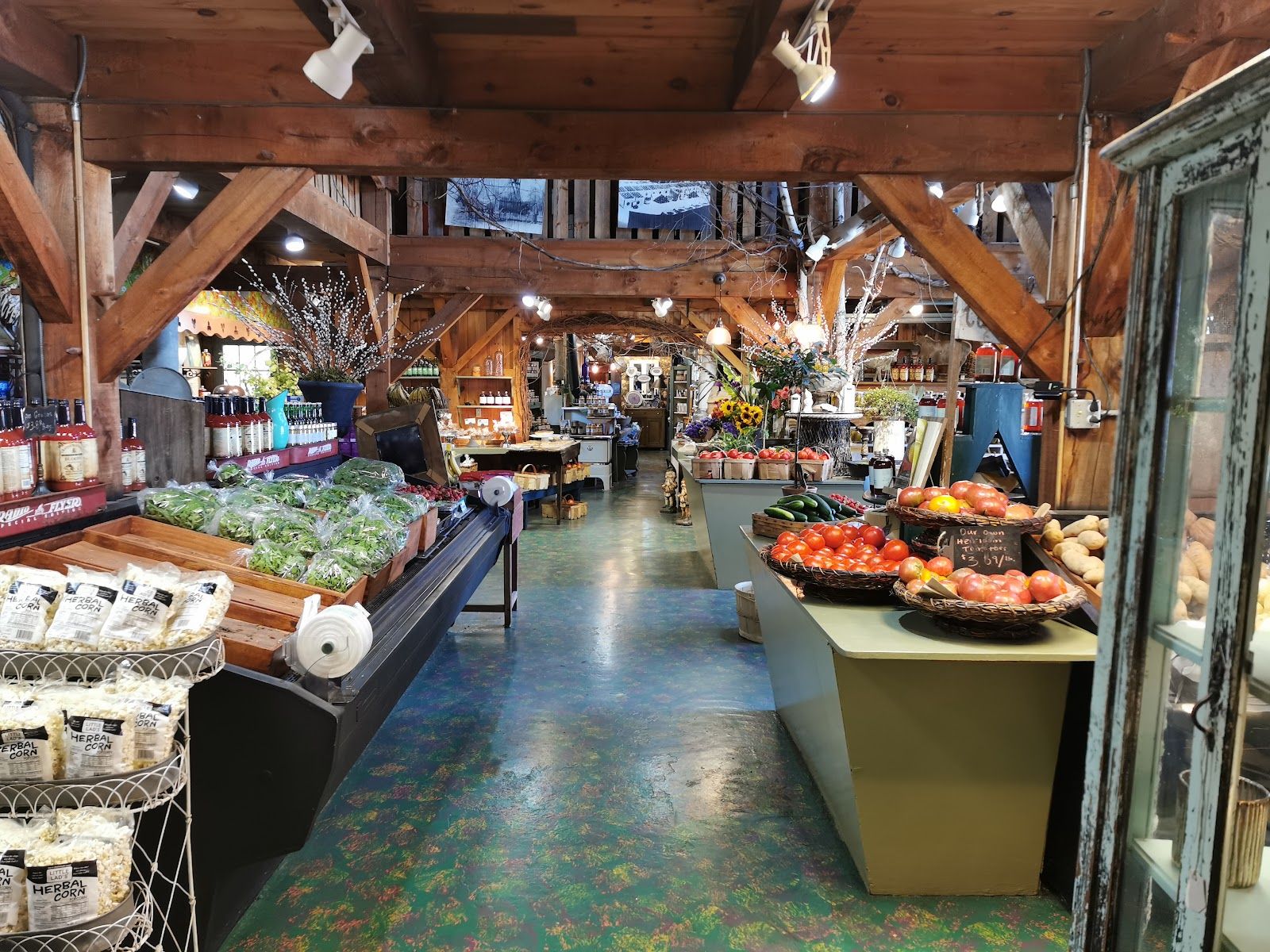
Photo: McCurdy's Tree Farm, Google Maps contributor at Brookdale Fruit Farm.
The choice between a small family farm and a big-box lot ultimately reflects what you prioritize in your Christmas tree acquisition.
You Value The Experience - The Smell Of Evergreen Groves The Warmth Of
If you value the experience - the smell of evergreen groves, the warmth of a family business, the satisfaction of cutting your own tree, and the quality assurance of a tree grown with love and expertise - then a small family farm is your ideal destination. You are investing in a tradition, supporting local agriculture, and potentially creating cherished family memories that extend beyond the tree itself. You might pay a little more, and you might have to drive a little further; but for many, these are not deterrents, but rather integral parts of the holiday ritual.
Conversely If Convenience Price Sensitivity And Immediate Availability
Conversely, if convenience, price sensitivity, and immediate availability are your primary concerns, the big-box lot offers an efficient solution. It’s a practical choice for those with limited time, those who live far from rural farms, or those for whom the tree is simply a necessary festive item rather than the centerpiece of an annual outing. You get a perfectly functional tree without the fuss, aligning with a more streamlined approach to holiday preparations.
Neither Choice Is Inherently Superior
Neither choice is inherently superior; they simply cater to different preferences and priorities. Understanding these distinctions allows you to make an informed decision, ensuring that your Christmas tree, regardless of its origin, brings joy and light to your home throughout the holiday season. The important thing is that a tree makes its way into your home, filling it with the timeless fragrance of Christmas.
Keep exploring
When you are ready to plan a visit, the season calendar shows what is open where, and the cut-your-own checklist walks through what to bring. If you are still deciding on a variety, the tree species guide compares needle retention, aroma, and branch strength. To find a grower this weekend, use farms near me or browse Christmas tree farms by state; after the holidays, the tree recycling page lists mulching and drop-off options. For industry-level background on growing regions, species trends, and care research, the National Christmas Tree Association publishes annual reports and consumer guidance.