Small Family Farms vs. Big-Box Stores: What Changes for the Buyer?
Published July 24, 2026 · By Christmas Tree Farm Finder
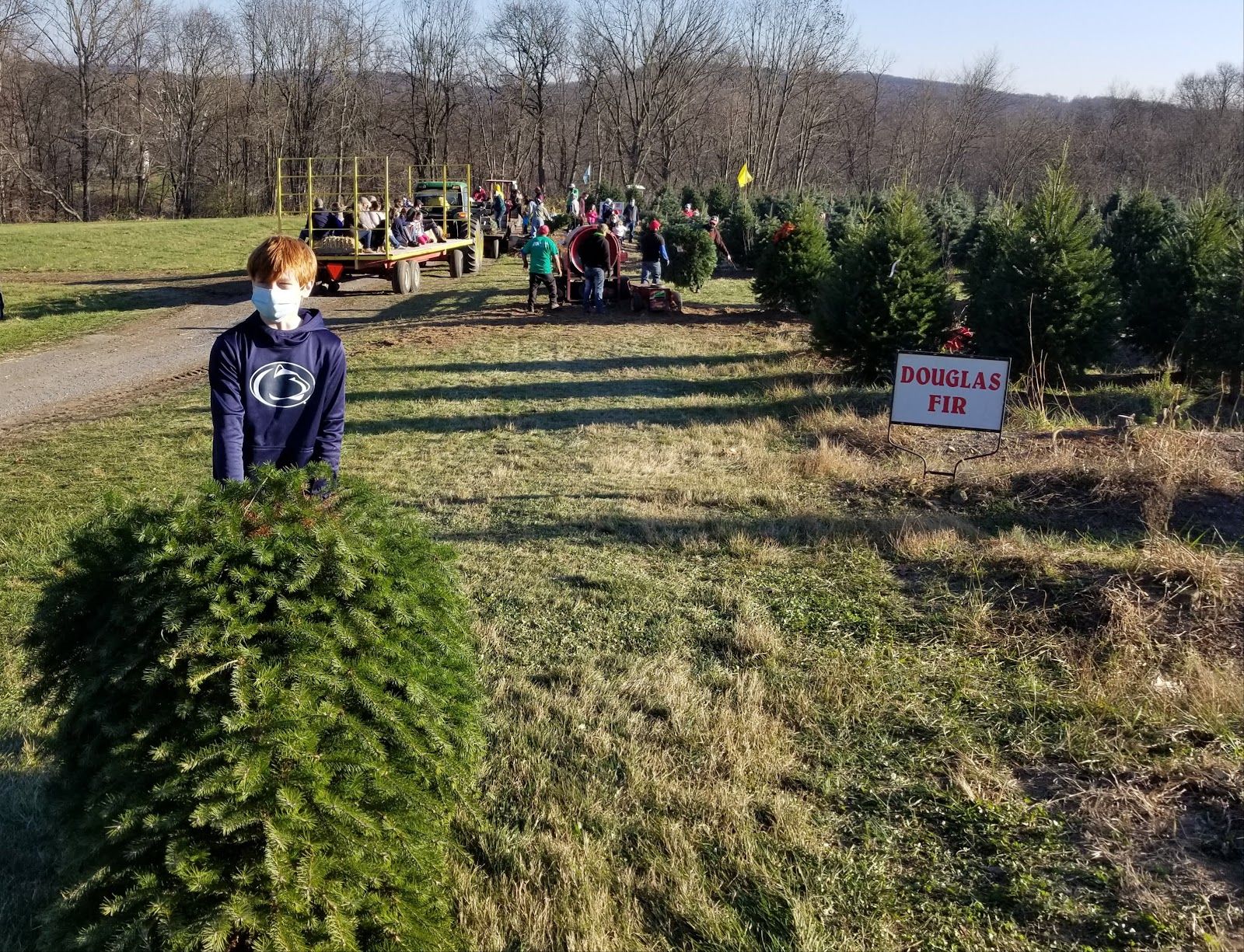
There’s a unique magic to finding the perfect Christmas tree, a tradition many of us cherish; but as you set out on this annual quest, you’re faced with a fundamental choice: the charm of a small, family-owned farm or the convenience of a big-box retail lot. Understanding the differences between these two options prepares you for the experience; it shapes not just where you buy your tree, but the entire seasonal journey.
The Essence of Small Family Farms
Selecting a Christmas tree from a small family farm is an experience steeped in tradition and personal connection. These farms, often passed down through generations, cultivate a specific atmosphere; one that prioritizes the joy of the hunt and a deep understanding of their product. Your visit becomes more than a transaction; it transforms into a memorable outing.
A Sensory Journey Through the Fields
Stepping onto a family farm, you’re immediately enveloped by the scent of fresh pine and damp earth; the air is crisp, and the sights are expansive. You walk among rows of living trees, feeling the needles, examining the branching patterns, and searching for that ideal specimen. It's a hunt that engages all your senses, making the selection process a fundamental part of the holiday anticipation.
The Personal Touch and Expert Advice
At a family farm, you often interact directly with the growers or their immediate family; they’re passionate about their trees and eager to share their knowledge. They can offer insights on different species, explaining the subtle differences in needle retention, aroma, and branch strength. This personal touch provides invaluable guidance, ensuring you choose a tree that perfectly suits your home and decorating style.
Supporting Local Agriculture
Choosing a tree from a small farm directly supports local agriculture and strengthens the community’s economic fabric. These farms are often integral parts of rural landscapes, preserving open spaces and contributing to biodiversity. Your purchase helps sustain these operations, allowing them to continue their work for years to come.
Cut-Your-Own: An Engaging Family Activity
Many small farms offer a cut-your-own experience, which is a highlight for many families. Armed with a hand saw, often provided by the farm, you venture into the fields to fell your chosen tree yourself. This hands-on activity creates lasting memories, turning a simple purchase into a cherished family adventure; it’s an opportunity to connect with nature and with each other. Before you head out, make sure to review our cut-your-own checklist for a smooth and enjoyable visit.
Limited Inventory and Seasonal Timing
While the small farm experience is rich, it often comes with certain limitations, particularly regarding inventory size and selection. Farms usually plant specific varieties over many years, meaning their current stock reflects past planting decisions. If you're looking for a specific type of tree, or a very particular size, your options might be more constrained than at a large lot. Visiting early in the season can sometimes secure the best selections.
The Practicality of Big-Box Retail Lots
In contrast, big-box retail lots offer a different kind of convenience and selection, catering to buyers who prioritize efficiency and ease. These lots, often set up in parking areas, focus on a streamlined purchasing process; they are designed for quick stops rather than extensive exploration.
Abundant and Diverse Inventory
Big-box lots typically boast a vast inventory, sourcing trees from multiple large-scale growers across different regions. This diverse supply often translates to a broader selection of species, sizes, and price points. If you have very specific requirements for your tree, or just want to see a wide array of options in one place, these lots can be appealing.
Quick and Convenient Shopping
For many, the primary appeal of a big-box lot is its convenience; trees are often pre-cut, bailed, and ready for immediate transport. You can usually find a tree, pay, and be on your way in a matter of minutes, making it an ideal option for those with limited time. This efficiency fits seamlessly into busy holiday schedules.
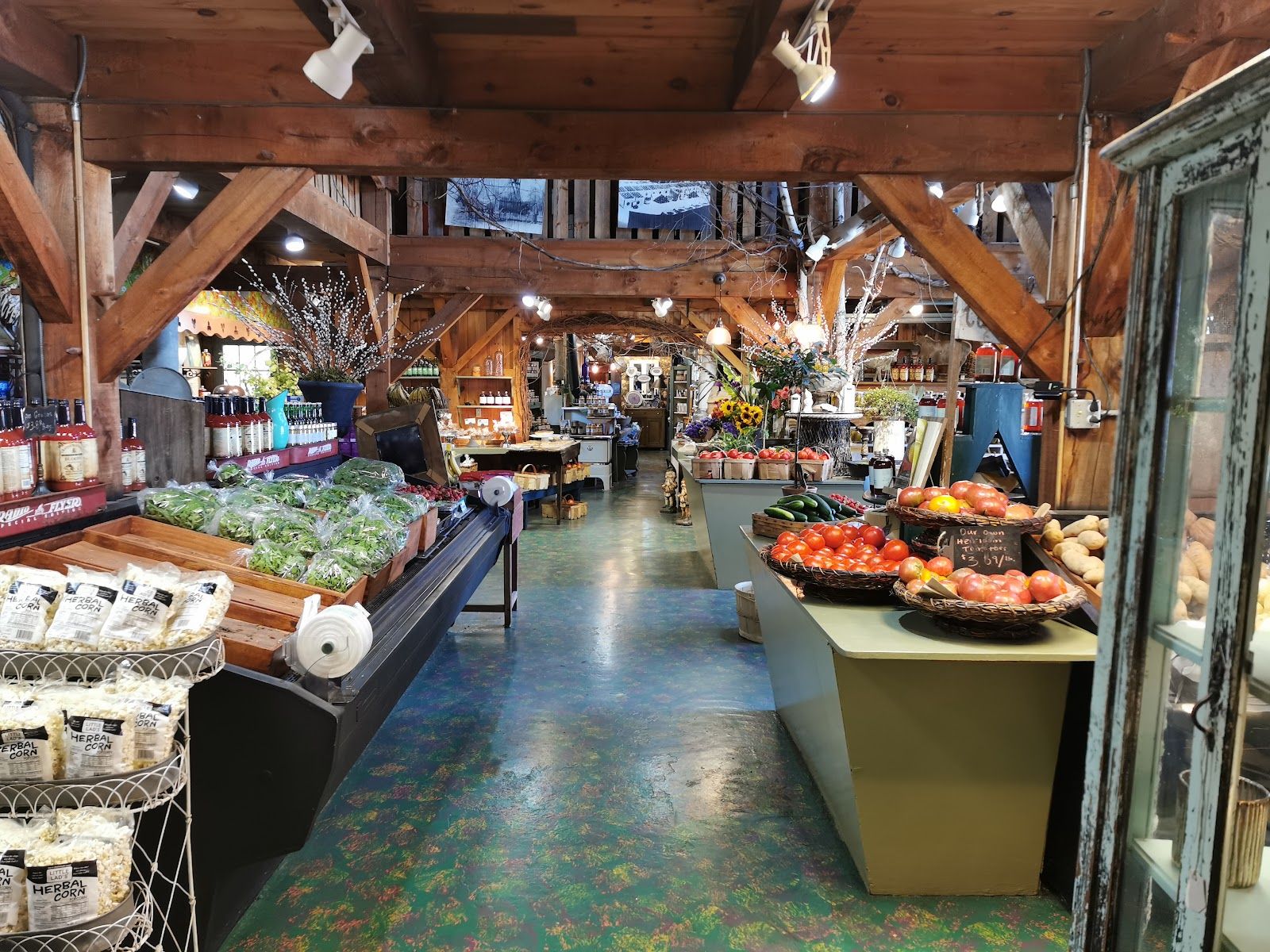
Photo: Old Forge Family Farm, Google Maps contributor at Brookdale Fruit Farm.
Standardized Pricing and Display
Pricing at big-box lots is generally straightforward and often standardized by height or type. Trees are usually displayed upright, allowing for easy comparison of shape and fullness. This organized presentation simplifies the decision-making process, though it often lacks the personal touch found at a farm.
Trade-offs in Freshness and History
While convenient, trees at big-box lots might have been cut weeks before arriving on the lot, potentially affecting their freshness and needle retention. Unlike farm-fresh trees, you won't have the opportunity to know the specific history of your tree, or when it was harvested. Always inspect these trees carefully for any signs of dryness.
Limited Personal Assistance
Customer service at big-box lots is generally more transactional; staff are present to assist with loading and payment, but they may lack the in-depth knowledge of tree species or care that you would find at a dedicated farm. Therefore, if you have specific questions about tree varieties or maintenance, you might need to do your own research beforehand. To learn more about various types, check out our tree species guide.
The Buying Experience: A Comparative Look
The fundamental difference for the buyer lies in the nature of the experience itself; one is an outing, the other is an errand. This distinction impacts several facets of your holiday preparation, from how you select your tree to the overall feeling of the season.
The Joy of Discovery Versus Efficient Selection
At a small farm, the discovery of your tree is part of the joy; you might explore several acres, uncovering hidden gems among the evergreens. This process is often a slow, deliberate one, savored by families together. In contrast, big-box lots offer a more immediate, efficient selection process. You quickly scan the available trees, make a choice, and complete your purchase.
Understanding Tree Provenance
Knowing where your tree comes from can add a layer of meaning to your purchase. On a farm, you see the fields, perhaps even meet the hands that tended your tree for years. This connection to the land and the grower enhances the authenticity of your holiday decoration. At a big-box store, the journey of the tree from forest to lot is often invisible to the consumer; it's simply a product on display. For more information on where real trees come from, you can visit the National Christmas Tree Association.
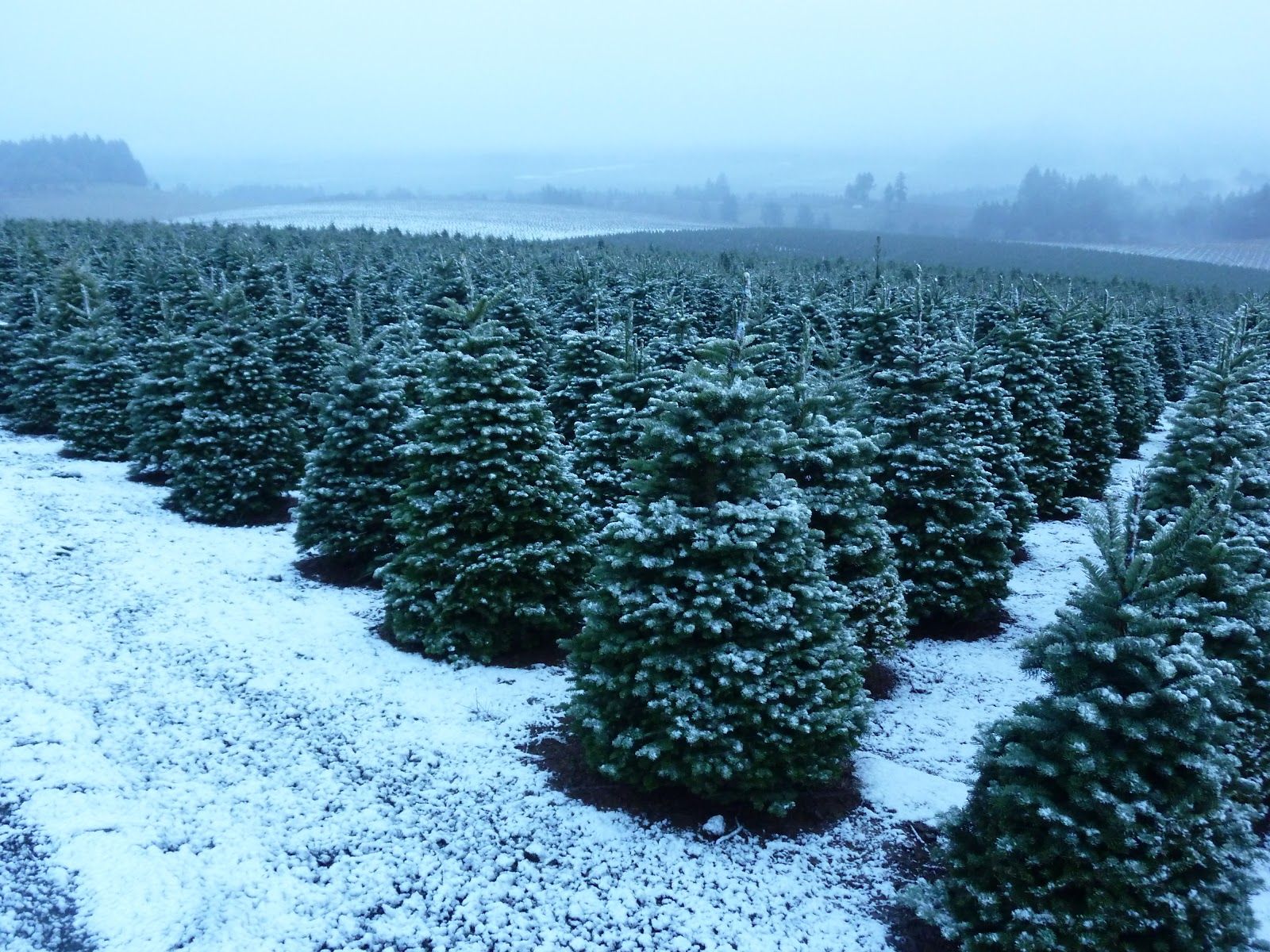
Photo: Old Forge Family Farm, Google Maps contributor at Redland Family Farm.
Environmental Considerations
The environmental impact of your choice can also vary significantly. Small, local farms often employ sustainable growing practices, including replanting and pest management strategies that minimize ecological disruption. Many large-scale operations supplying big-box stores also adhere to good agricultural practices, but the carbon footprint of transport for an entire truckload of trees across long distances might be larger. Both options typically involve responsible forestry practices, as most growers replant multiple trees for every one harvested.
Pricing Structures
While generalizations are hard to make definitively, small farms sometimes offer competitive pricing, particularly for cut-your-own options, as they cut out the middleman. However, their selection might be more boutique, leading to higher prices for unique or very large specimens. Big-box stores, due to their purchasing power, can offer a wide range of prices, often with promotional deals, particularly later in the season. Generally, the average cost of a tree is fairly consistent across the board.
Beyond the Tree: Additional Offerings
Family farms frequently enhance the experience with additional festive activities and products. You might find hayrides, hot cocoa stands, visits with Santa, or small gift shops selling handmade wreaths and ornaments. These additions transform a simple tree purchase into a full-fledged holiday outing. Big-box lots, while convenient, typically focus solely on the primary product; they offer little in the way of extra holiday cheer or activities beyond the tree itself. If you're looking for farms that offer hayrides or other attractions, browse Christmas tree farms by state to filter your search.
Making the Right Choice for Your Family
The decision between a small family farm and a big-box lot ultimately depends on your priorities and what you seek from your Christmas tree buying experience. Do you crave an immersive, traditional outing with a hands-on approach and direct grower interaction? Or do you value convenience, a wide selection, and efficient shopping above all else? Your choice shapes a significant part of your holiday tradition; whether you drive out to a remote field or pick one up after running everyday errands, the perfect tree awaits. Regardless of where you buy your tree, make sure you know your local tree recycling options after the holidays are over.
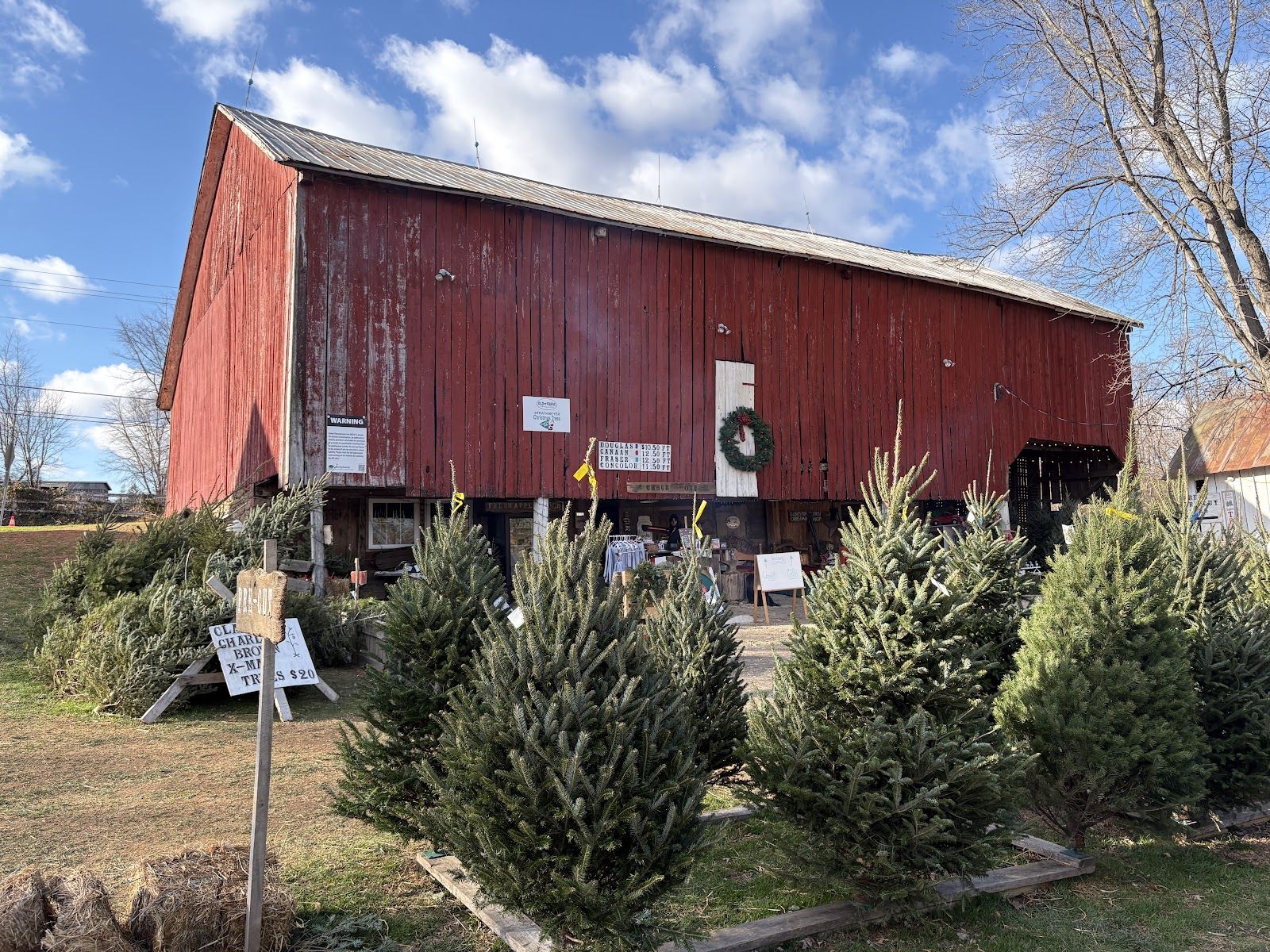
Photo: Old Forge Family Farm, Google Maps contributor at Old Forge Family Farm.