Small Family Farms vs. Big Box Lots: What Buyers Should Know
Published September 7, 2026 · By Christmas Tree Farm Finder
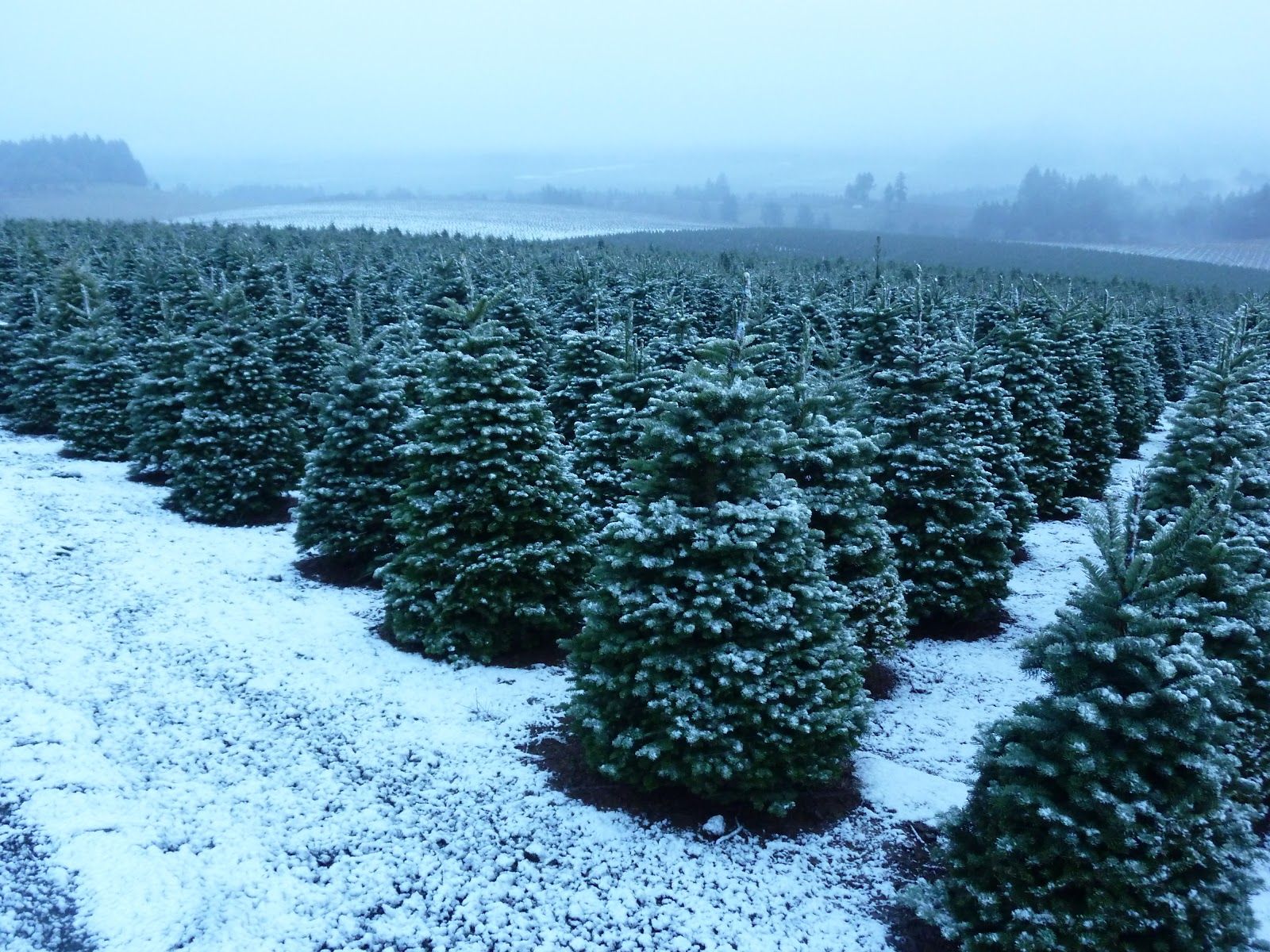
Choosing a real Christmas tree is a cherished annual tradition for many families, a ritual marking the start of the holiday season. The quest for that perfect evergreen, fragrant and full, inevitably leads buyers down one of two paths: the charming, often mud-splashed lanes of a small family farm, or the bustling, sometimes overwhelming expanse of a big-box store's seasonal lot. While both destinations offer the promise of a fresh tree, the experience, the selection, and even the tree itself can differ dramatically, shaping your holiday memory from the very first cut or purchase.
The Journey to Your Tree: Atmosphere and Experience
The Farm Visit: An Immersion in Tradition
Stepping onto a family-run Christmas tree farm feels like entering a different world, one steeped in tradition and verdant beauty. The air often carries the crisp scent of pine mixed with damp earth; the sounds are natural, perhaps the distant hum of a tractor or the laughter of children on a hayride. This is more than a shopping trip; it is an outing, an event woven into the fabric of holiday memories. You might find yourself walking rows of evergreens, perhaps with a saw in hand, searching for the one among thousands of growing trees.
Big-Box Lots: Convenience and Efficiency
In stark contrast, the big-box lot prioritizes convenience and speed, often nestled in a corner of a sprawling parking lot. Here, the atmosphere is generally more transactional; the focus is on efficient selection and rapid checkout. Trees are typically displayed upright, often tightly packed, under bright lights, sometimes with the distinct hum of generators or the distant traffic of a busy street. It is a quick sprint in and out, designed for those who need a tree without the desire for an extended excursion.
Tree Selection: Variety and Freshness
Farm-Fresh: A Wider, Healthier Selection
Small farms often cultivate a diverse range of tree species, allowing buyers to intimately explore differences in needle softness, branch strength, and overall shape. You might discover less common varieties like Canaan firs or Korean firs alongside the popular Fraser and Balsam firs. Crucially, on a farm, you are often selecting a tree that was growing just hours or days before it is cut, ensuring peak freshness; the journey from the root system to your living room is remarkably short. Understanding these differences can be key to a long-lasting tree; consult our tree species guide for more details.
Big-Box Offerings: Standardized Choices
Big-box lots typically stock the most popular and commercially viable species, often limited to a few types like Douglas fir or Noble fir, chosen for their good shipping characteristics and widespread appeal. While these trees are usually high quality, the selection tends to be less varied. They are also harvested earlier to accommodate shipping logistics, meaning they have spent more time off the stump; this can sometimes impact needle retention, though reputable suppliers still aim for good freshness.
The Cutting Process: Hands-On or Grab-and-Go
The Joy of the Cut-Your-Own Experience
Many family farms offer a true cut-your-own experience, providing saws and sometimes even sleds or wagons for transporting your chosen evergreen. This hands-on involvement transforms the tree selection into an active adventure, a tangible connection to nature and the season. It is an opportunity to teach children about where things come from and to feel the satisfaction of finding and felling your own family Christmas tree; remember to review our cut-your-own checklist before you head out.
Pre-Cut Trees: Ready for Transport
At big-box lots, all trees are pre-cut, often baled and ready for loading. While this removes the physical effort of sawing, it also removes the unique outdoor activity many families cherish. The convenience is undeniable, especially for those with physical limitations or time constraints; you simply choose a tree, pay, and go. The focus here is on efficiency, getting your tree home with minimal fuss.
Supporting Local: Economic and Community Impact
Investing in the Local Economy
Choosing a small family farm means directly supporting local agriculture and the livelihoods of farmers in your community. These farms are often multi-generational businesses, deeply invested in the land and local economy. Your purchase helps sustain rural life, provides jobs, and keeps agricultural traditions alive; it is a direct way to ensure future generations can enjoy the same experience. Many of these farms also contribute to local charities and school programs, further weaving themselves into the community fabric.
Broader Corporate Impact
Purchasing from a big-box store, while convenient, directs profits to large corporations and their shareholders. While these businesses certainly provide jobs and tax revenue, the direct local economic impact of a single tree purchase is less immediate and localized than buying directly from a farm. It is a different economic model, one focused on scale and distribution rather than direct producer-to-consumer sales.
Pricing and Value: What You Get for Your Money
Farm Pricing: Reflecting Labor and Quality
Prices at family farms often reflect the significant investment in land, labor, and the multi-year process of growing a healthy Christmas tree. You are paying for the quality of the tree, the unique experience, the personal service, and the direct support of a small business. While sometimes perceived as slightly higher, the value often lies in the overall experience and the freshness of the product. The transparency of knowing exactly where your tree came from also adds intrinsic value.
Big-Box Pricing: Economies of Scale
Big-box stores can often offer competitive pricing due to their immense purchasing power and efficient logistics. They buy in bulk, reducing per-unit costs, and can pass some of these savings on to the consumer. However, these prices typically reflect a more standardized product and a less hands-on, personalized shopping experience. The value here is primarily in the convenience and often lower sticker price for a readily available product.
Customer Service and Expertise
Personalized Advice from Growers
At a family farm, you are often interacting directly with the growers or knowledgeable staff who understand every aspect of Christmas tree cultivation. They can offer expert advice on tree care, species characteristics, and even share tips for decorating. This personal touch and deep-seated knowledge can be invaluable, especially for first-time buyers or those looking for specific guidance; you might even find out about unique local events or holiday markets.
General Assistance at Larger Retailers
Big-box lots typically employ seasonal staff who may have less specialized knowledge about Christmas trees. While they can assist with basics like netting and loading, they might not offer the same level of detailed advice or personal recommendations. The service is efficient and functional, geared towards facilitating a quick transaction rather than providing an educational or personalized consultation.
Beyond the Tree: Additional Offerings and Amenities
Farm Amenities: Creating a Holiday Destination
Many family farms go beyond just selling trees; they cultivate an entire holiday experience. You might find warming huts, hot cocoa stands, wreath-making workshops, visits with Santa, or even petting zoos. These amenities transform the tree-buying trip into a memorable family outing, extending the joy of the season. It is a place where traditions are built and revisited year after year.
Big-Box Simplicity: Focused on the Core Product
Big-box lots generally focus solely on the trees and perhaps basic accessories like stands. Their primary goal is to move product efficiently, so you will rarely find the supplementary holiday activities or charming extras that define a farm visit. The offerings are streamlined, catering to a buyer focused purely on the tree itself without additional distractions or entertainment.
Environmental Considerations: Sustainable Practices
Farm Sustainability: Long-Term Land Stewardship
Many small Christmas tree farms practice sustainable agriculture, treating their land as a long-term investment. They often employ rotation planting, soil conservation, and pest management techniques that are environmentally conscious. Real Christmas trees are a renewable, recyclable crop, and farms play a crucial role in carbon sequestration and providing wildlife habitat. You can learn more about the environmental benefits at the National Christmas Tree Association website.
Commercial Sourcing: Varied Practices
Big-box stores source their trees from large commercial growers, whose sustainability practices can vary widely. While many large growers also adhere to environmentally sound methods, the direct connection to the specific growing practices is often less transparent to the end consumer. It is worth noting that all real Christmas trees, regardless of source, are a more environmentally friendly choice than artificial trees when considering their lifecycle impact. Don't forget to look up tree recycling options in your area after the holidays.
Making Your Decision: Aligning with Your Holiday Values
Ultimately, the choice between a small family farm and a big-box lot comes down to your personal priorities and what kind of holiday experience you seek. If you value tradition, a memorable family outing, personalized service, and direct support for local agriculture, a visit to one of the many Farms Near Me will likely be your ideal destination. If convenience, speed, and competitive pricing are at the top of your list, a big-box lot might better suit your needs. Both paths lead to a beautiful real Christmas tree; the journey, however, is distinctly different. To begin your search, you can browse Christmas tree farms by state and plan your perfect holiday outing.
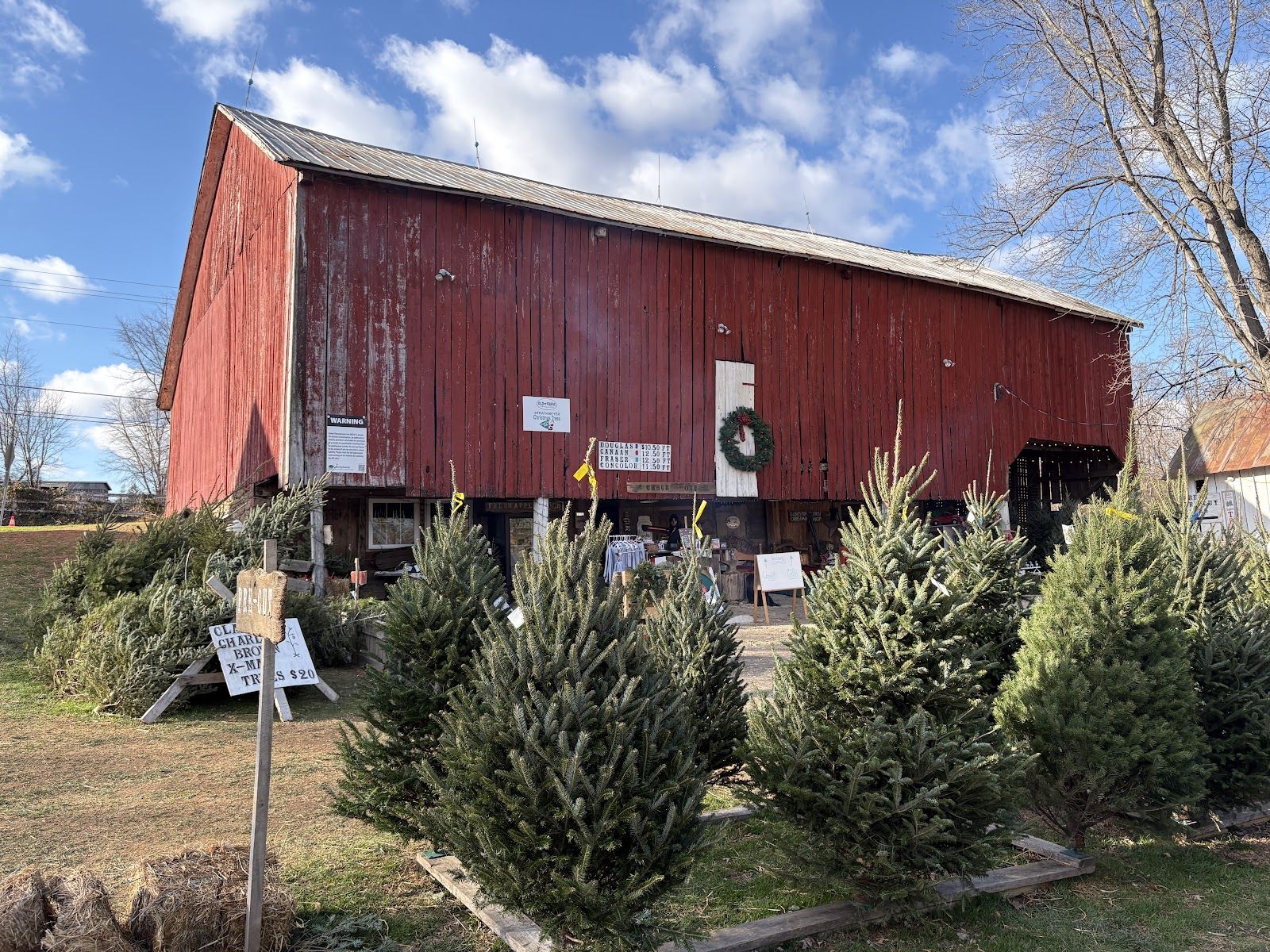
Photo: Old Forge Family Farm, Google Maps contributor at Old Forge Family Farm.
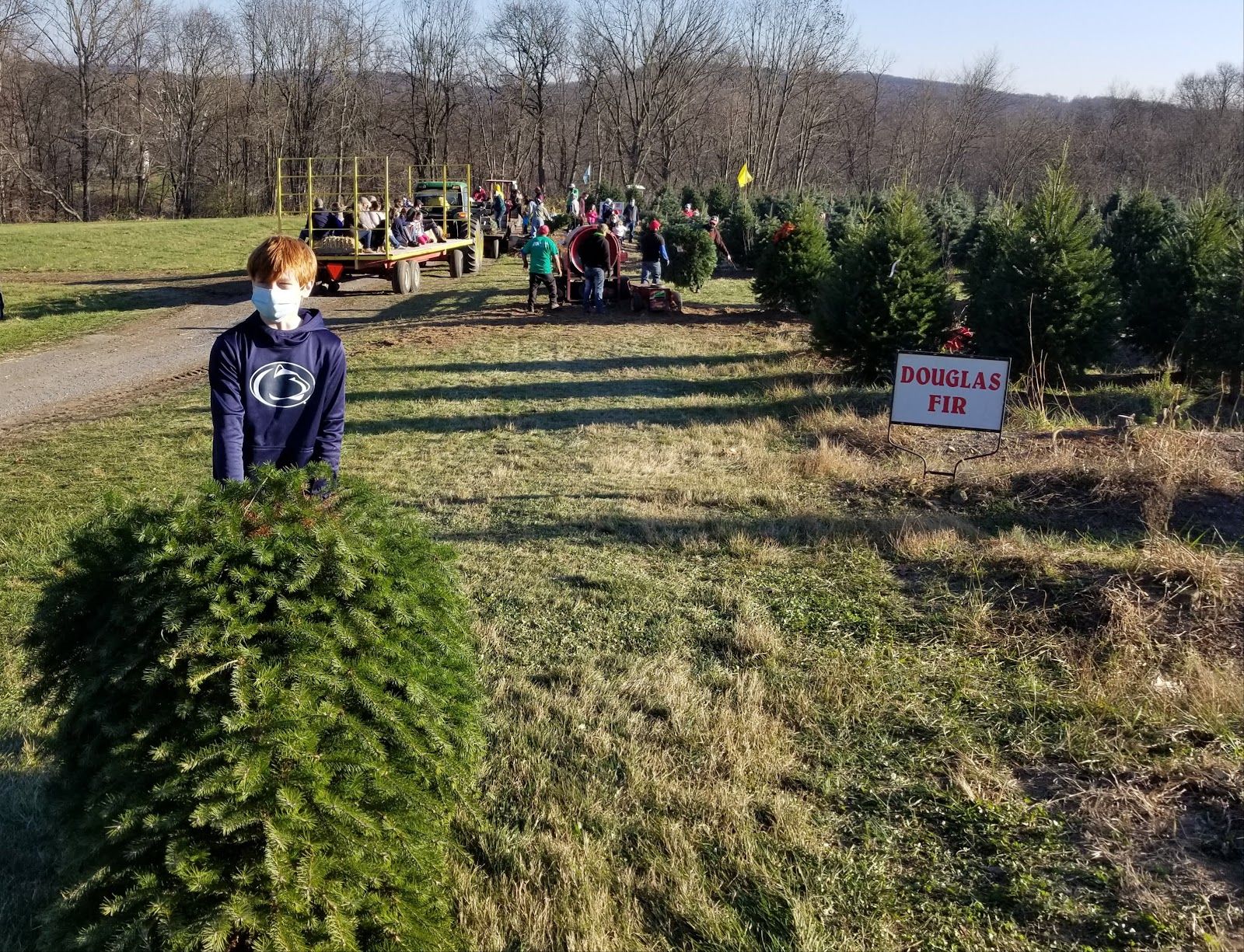
Photo: Old Forge Family Farm, Google Maps contributor at McCurdy's Tree Farm and Landscaping.
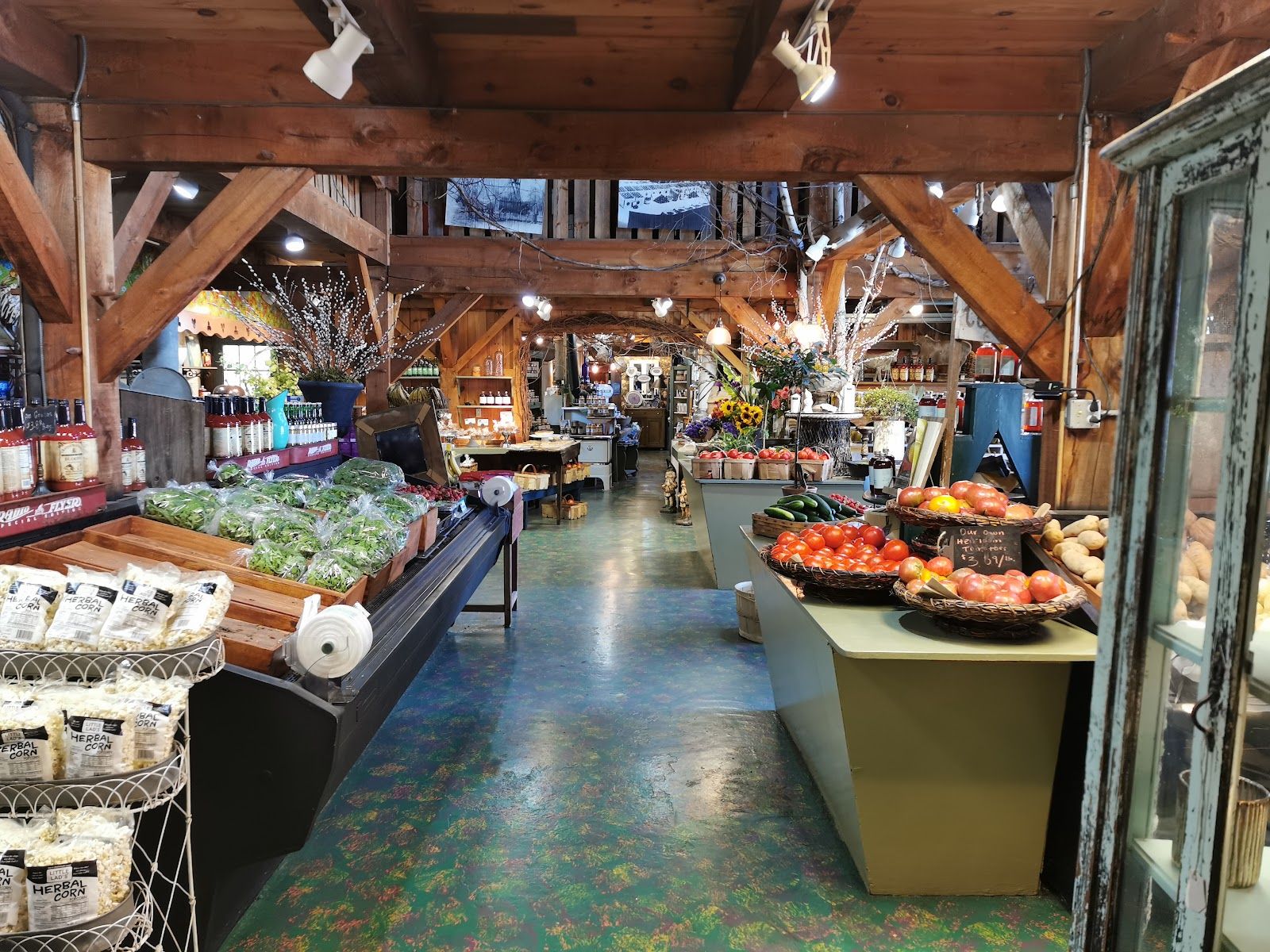
Photo: Old Forge Family Farm, Google Maps contributor at Brookdale Fruit Farm.