Tips to Spot a Fresh Christmas Tree at the Lot This Holiday Season
Published July 17, 2026 · By Christmas Tree Farm Finder
How to Spot a Fresh Christmas Tree at the Lot
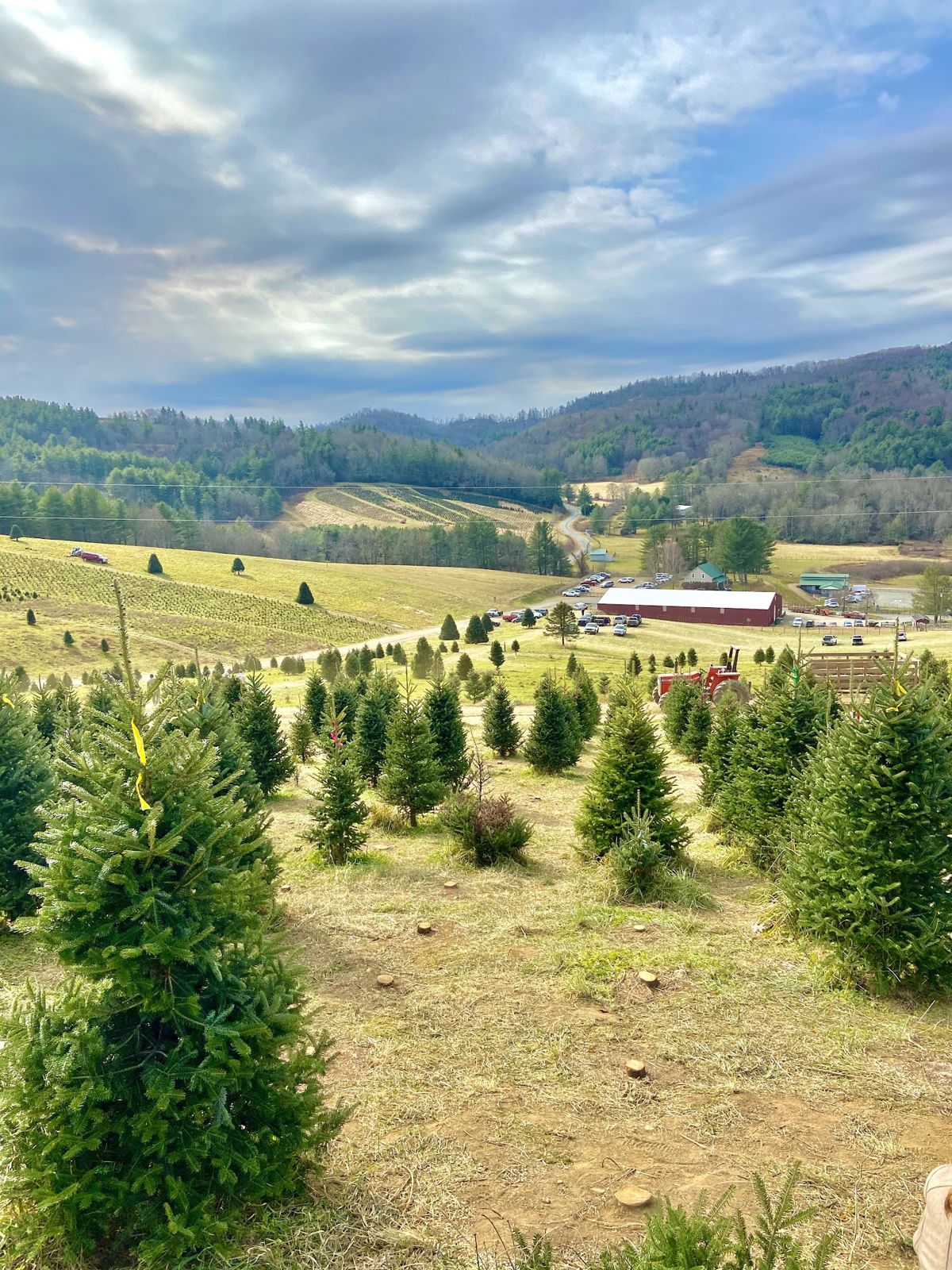
The crisp November air, the scent of pine needles, the joyful anticipation of the holidays, there's nothing quite like the experience of choosing your Christmas tree. For many, this annual ritual involves a trip to a local tree lot, a bustling outdoor wonderland filled with rows of evergreen beauties. But amidst the festive cheer, a common question arises: how do you ensure you're taking home a truly fresh tree, one that will last gloriously through the season? Having walked countless farm rows and lot aisles, I've picked up a few time-tested tricks to separate the magnificent from the meager.
The Journey of a Cut Tree
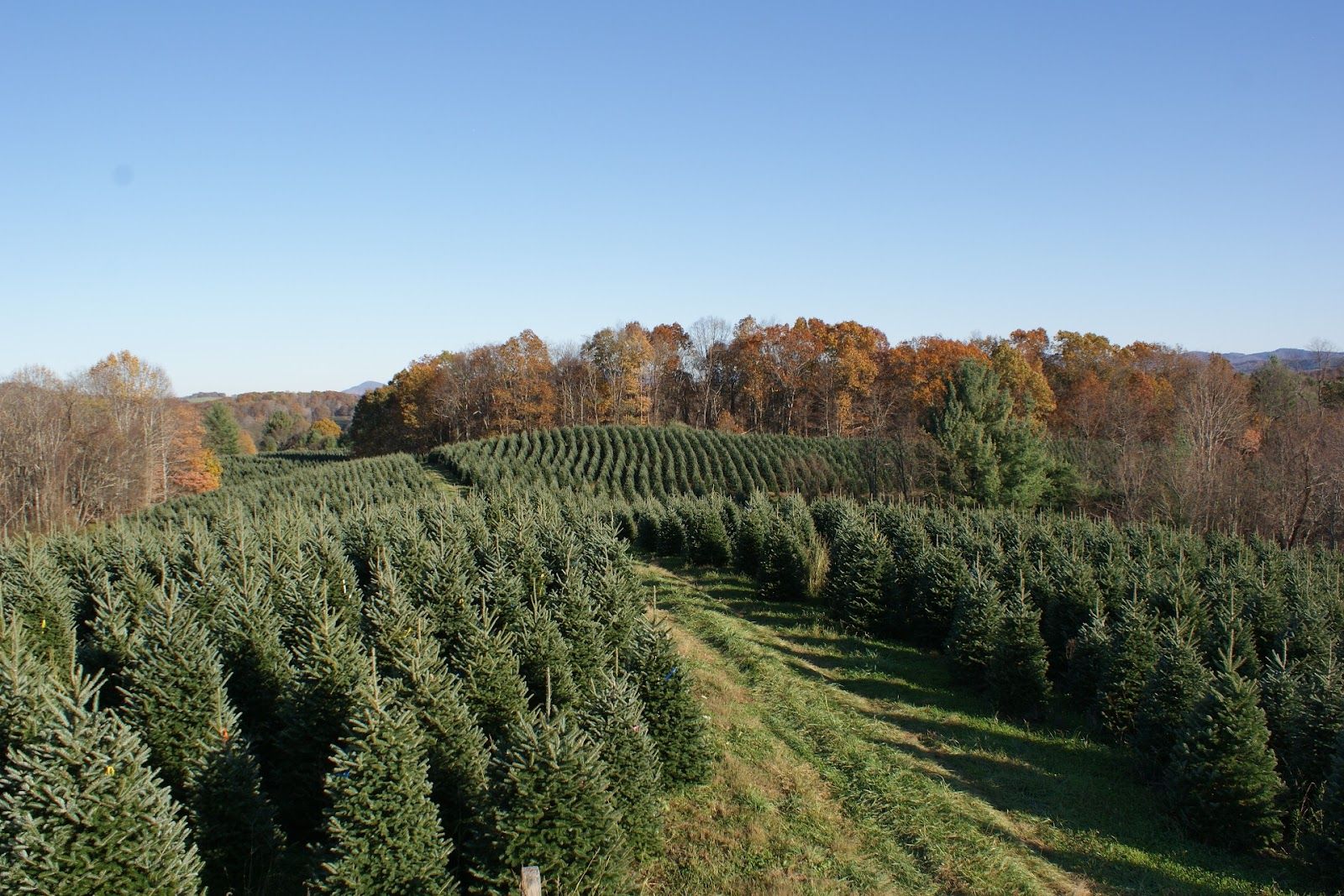
Photo: Carolina Fraser Fir Co, Google Maps contributor at Carolina Fraser Fir Co.
Before we dive into the inspection, it's helpful to understand a tree's journey. Most trees sold at lots are cut weeks, sometimes even a month or more, before they reach you. They are harvested at the optimal time for freshness, then transported, bundled, and displayed. This timeline doesn't automatically mean a dry tree; careful handling and hydration are key. A good lot operator will prioritize these factors. Knowing this context helps you appreciate why a thorough inspection is so important. You're not just looking at a tree; you're evaluating its journey.
The Shake Test: A Simple and Crucial Check
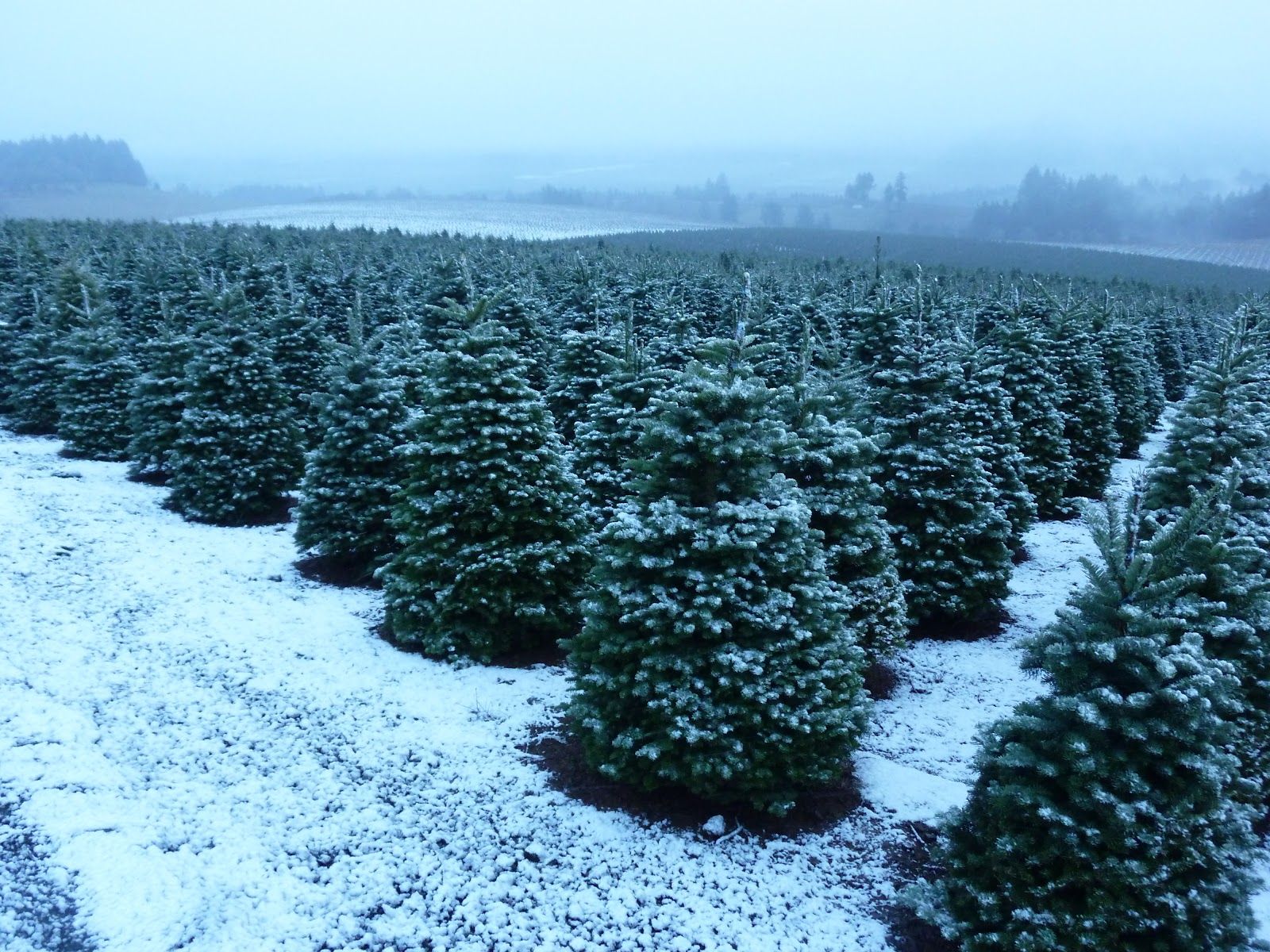
Photo: Carolina Fraser Fir Co, Google Maps contributor at Noble Mountain Tree Farm.
This is your first, and arguably most important, step. Approach a tree, grasp it firmly by the trunk (not just a branch), lift it a few inches off the ground, and gently tap the butt end down. Alternatively, you can give the tree a good, firm shake. What are you looking for? Minimal needle drop.
A Few Stray Needles Falling Especially Older Internal Ones Are Perfect
A few stray needles falling, especially older internal ones, are perfectly normal. Some trees naturally shed more inner needles than others, so don't be alarmed by a small handful. However, if you see a significant shower of green needles, or clumps of them, cascading to the ground, move on. That tree is already well on its way to drying out, and it won't hold up well in your home. This simple test is remarkably effective; it immediately weeds out the duds.
The Feel Test: Pliability and Puncture
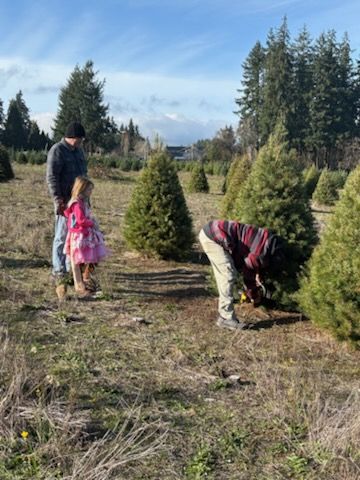
Photo: Carolina Fraser Fir Co, Google Maps contributor at Kesslers Christmas Trees.
After the shake test, it's time to get tactile. Run your hands over the branches, gently bending a few needles between your fingers. Fresh needles should feel pliable, not brittle. They should bend without snapping. If the needles feel stiff, dry, or break easily when you flex them, the tree is dehydrated.
For Most Firs And Spruces The Needles Should Also Have A Slight Waxy O
For most firs and spruces, the needles should also have a slight waxy or oily feel; this is a natural protective coating. Give a few needles a gentle pinch. Do they feel soft and supple, or hard and rigid? This sensation is a good indicator of moisture content. If you can easily pull needles off a branch with minimal effort, that's another red flag. Fresh needles are firmly attached.
The Color and Scent Test: Visual Cues and Aromatic Clues
A fresh Christmas tree should exhibit a vibrant, healthy green color. While shades of green vary by species, avoid trees with a dull, faded, or yellowish cast, unless it's a species naturally prone to blue-green hues, such as a Blue Spruce. Brown or browning needles, particularly on the outer tips, are clear signs of dehydration. Check all sides of the tree, as one side exposed to more sun or wind might dry out faster.
Beyond The Visuals Trust Your Nose
Beyond the visuals, trust your nose. A fresh Christmas tree should emit that quintessential, invigorating pine or fir scent. It should be noticeable, even before you bring the tree home. If a tree has little to no fragrance, it’s likely past its prime. The aromatic compounds that give the tree its delightful smell diminish as it dries out. A faint, musty, or absent scent signals an old tree. This isn't just about pleasantness, it's an indicator of vitality.
The Trunk Test: The Base of the Matter
Don't overlook the trunk. The bottom, or "butt," of the tree can tell you a lot. First, examine the cut end. It should appear clean and, ideally, light in color. A dark, discolored, or heavily cracked trunk indicates an older cut, meaning the tree has been off the stump for a while. A fresh cut exposes healthy wood that allows the tree to absorb water effectively.
Next Feel The Trunk Itself
Next, feel the trunk itself. It should feel firm, not spongy or soft. Look for any signs of mold or mildew, though these are relatively rare on a well-maintained lot. Also, consider the resin. While some species produce more resin naturally, excessive crystallization around the cut or anywhere else can sometimes indicate an older, drier tree.
Good Tree Lots Will Sometimes Perform A Fresh Cut On The Bottom Of The
Good tree lots will sometimes perform a fresh cut on the bottom of the trunk just before you take it home. This removes any dried-out sap that might seal the wood, allowing the tree to drink water more efficiently in your stand. If they offer this service, definitely take them up on it.
Branch Flexibility and Density
Beyond the needles themselves, assess the overall flexibility of the branches. Gently try to bend a small branch. It should have some give and spring back to its original position. Stiff, unyielding branches can signify a dry tree that will be difficult to decorate. You want branches that can support ornaments without snapping.
Consider The Density
Also, consider the density. While species vary greatly in their natural branch spacing, a healthy tree will generally have a good, full appearance. Avoid trees with sparse, gappy branches, unless that’s the specific aesthetic you’re aiming for. A dense tree holds more needles and generally retains moisture better.
Understanding Species Differences
It's important to note that different tree species have varying characteristics, and what’s normal for one might be a concern for another.
Fraser Fir: Excellent needle retention, strong branches, pleasant scent. Needles are soft and flat. Often a top choice for freshness and longevity.
Balsam Fir: Very fragrant, good needle retention. Similar to Fraser but often a bit softer in overall texture.
Noble Fir: Known for stiff branches, good for heavy ornaments, and superior needle retention. Needles are often a blue-green hue.
Douglas Fir: Dense, soft needles, citrusy scent. Good needle retention if kept hydrated, but can be slightly more prone to drying than true firs.
Scotch Pine: Excellent needle retention, even when dry. Needles are stiff and sharp. Very hardy.
White Pine: Soft, long needles, very little scent. Good needle retention but branches are not as strong for heavy ornaments.
Colorado Blue Spruce: Distinctive blue-green color, very stiff, sharp needles. Good retention but can drop needles if very dry. Handles heavy ornaments well.
Knowing These Differences Will Help You Temper Your Expectations
Knowing these differences will help you temper your expectations. For example, a few stiff needles on a Blue Spruce are normal, whereas on a Fraser Fir, it could be a sign of dryness. Always keep the species in mind while conducting your tests.
The Overall Vibe: Trust Your Gut
After you've gone through the practical tests, take a step back. What's your overall impression? Does the tree just look healthy and vibrant? Does it feel right? Sometimes, an intuitive sense can guide you. A fresh tree often has a certain "liveliness" about it, an energetic feel that subtly communicates its good health.
Don T Be Rushed By Eager Salespeople Or The Excitement Of The Moment
Don’t be rushed by eager salespeople or the excitement of the moment. Take your time. You’re making an investment in your holiday cheer, and a fresh tree is central to that experience.
Bringing Your Fresh Tree Home
Once you've selected your perfect, fresh tree, the work isn't quite over. Get it home promptly, and if you're not putting it up immediately, store it in a cool, shady spot, preferably with its trunk in a bucket of water. When you're ready to bring it inside, make another fresh cut off the bottom of the trunk, about half an inch, to reopen the capillaries for maximum water absorption. Then, get it into a stand that holds plenty of water and keep that reservoir full. A fresh tree will drink a surprising amount of water, especially in the first few days.
By Following These Simple Inspection Methods You Ll Significantly Incr
By following these simple inspection methods, you’ll significantly increase your chances of bringing home a beautiful, fresh Christmas tree that will fill your home with festive cheer and that wonderful, iconic evergreen scent throughout the holiday season. Happy tree hunting
Keep exploring
When you are ready to plan a visit, the season calendar shows what is open where, and the cut-your-own checklist walks through what to bring. If you are still deciding on a variety, the tree species guide compares needle retention, aroma, and branch strength. To find a grower this weekend, use farms near me or browse Christmas tree farms by state; after the holidays, the tree recycling page lists mulching and drop-off options. For industry-level background on growing regions, species trends, and care research, the National Christmas Tree Association publishes annual reports and consumer guidance.