Spotting a Fresh Christmas Tree: Your Guide to a Festive Season
Published July 17, 2026 · By Christmas Tree Farm Finder
As someone who has spent countless hours wandering through Christmas tree lots, both as a prospective buyer and as an observer, I can tell you there's a certain magic to finding the perfect tree. It's more than just a decoration; it's the centerpiece of your holiday celebrations, a fragrant symbol of warmth and togetherness. But how do you ensure that magic lasts throughout the season? The key lies in selecting a fresh tree from the outset. A fresh tree holds its needles longer, smells more amazing, and poses less of a fire risk; a dry tree, however, can quickly become a brittle, disappointing fire hazard.
This Guide Will Walk You Through The Essential Steps To Identify A Tru
This guide will walk you through the essential steps to identify a truly fresh Christmas tree, whether you are at a local farm or a retail lot. The principles remain largely the same, but knowing what to look for can save you a lot of heartache and needle-sweeping later on.
The Needle Test: Your First Line of Defense
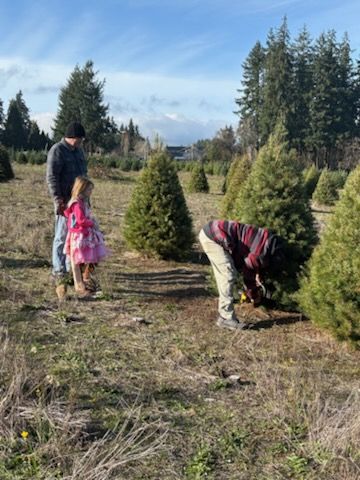
Photo: Carolina Fraser Fir Co, Google Maps contributor at Kesslers Christmas Trees.
The most important indicator of a tree's freshness is its needles. This isn't just about appearance; it's about vitality. A fresh tree's needles will be supple and firmly attached; a dry tree's needles will be brittle and easily shed. You need to be a little hands-on here; don't be shy.
The "Grasp and Pull" Method
Walk up to a tree that catches your eye. Reach for a branch, preferably one from the outer edges or lower sections, and gently but firmly grasp it between your thumb and forefinger. Pull your hand towards you, sliding it along the branch. If you are left with a handful of needles, that tree is likely past its prime. A truly fresh tree will lose very few, if any, needles during this test. Expect to see perhaps one or two, especially on longer-needled varieties, but any more than that is a red flag.
The "Bend and Snap" Test for Fir Trees
For fir trees, which are incredibly popular for their needle retention and beautiful shape, another test can be useful: the branch flexibility test. Take a small branch and try to bend it. A fresh fir branch will be pliable and springy, bending without breaking; a dry fir branch will snap easily. This is less about the needles and more about the overall health of the wood.
Color and Sheen
The color of the needles also offers clues. Fresh needles will have a vibrant, healthy green hue, sometimes with a bluish tint depending on the species. They might also possess a slight sheen. Dull, faded, or yellowish needles, especially on the tips, can indicate a tree that has dehydrated or been cut too long ago. While some browning on the interior needles is natural as older needles are shed, widespread discoloration on the outer growth is a sign of trouble.
The Drop Test: A Quick, Effective Assessment
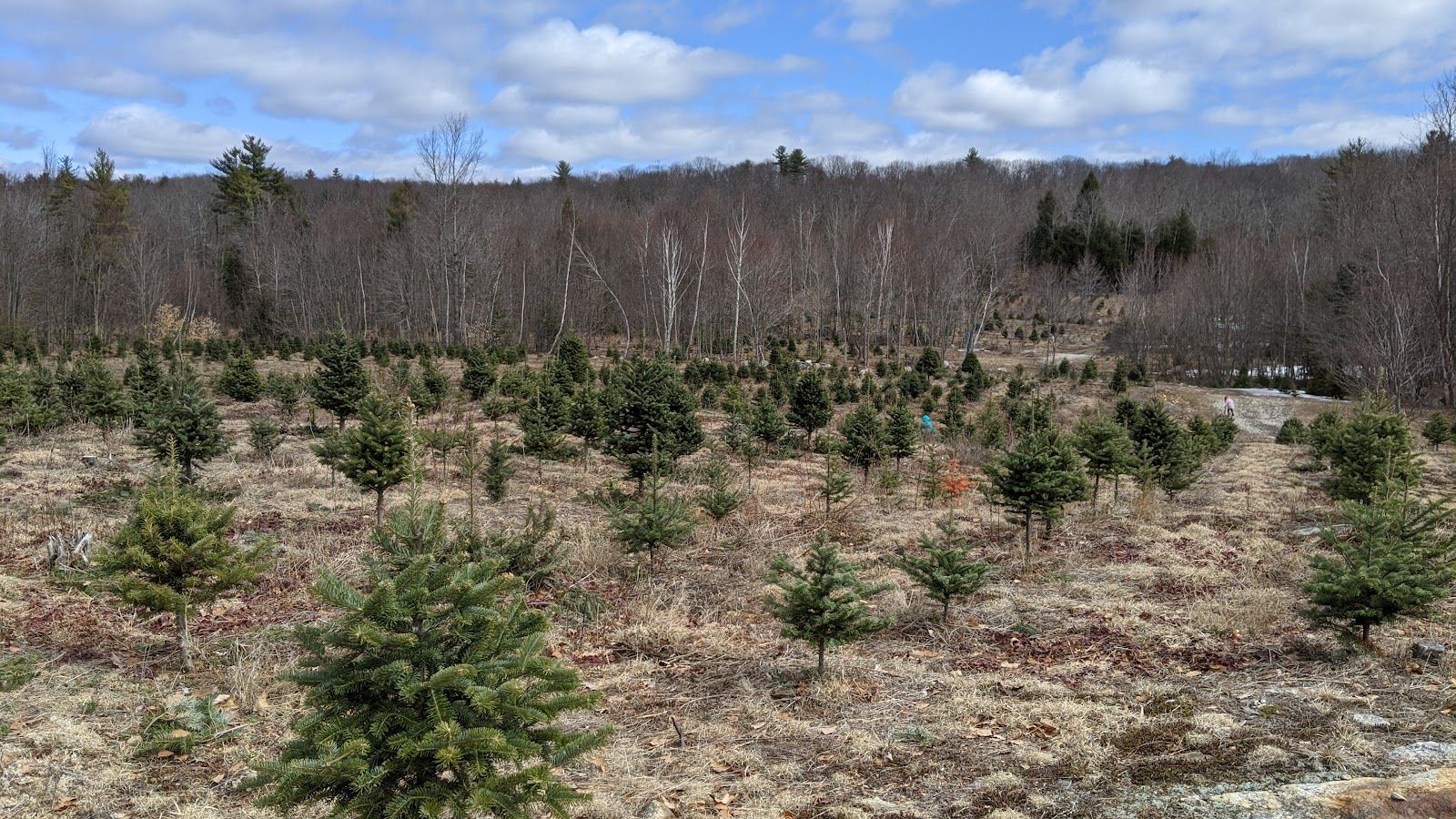
Photo: Carolina Fraser Fir Co, Google Maps contributor at Balsam Ridge.
This is a simple, yet highly effective test that many experienced tree buyers use. It assesses the overall needle retention of the entire tree.
Take The Tree By Its Trunk Holding It A Few Inches From The Base
Take the tree by its trunk, holding it a few inches from the base. Gently, but firmly, tap the butt of the tree on the ground a few times. Don't go overboard, a few taps are sufficient. A fresh tree will lose almost no needles. You might see a few interior needles, which are naturally shed, but a significant shower of green needles indicates a very dry tree. This simple action can save you weeks of vacuuming and a potentially sad-looking tree long before Christmas Day. Lots that truly care about their product will often do this for you, demonstrating the freshness of their stock.
Inspecting the Trunk and Base
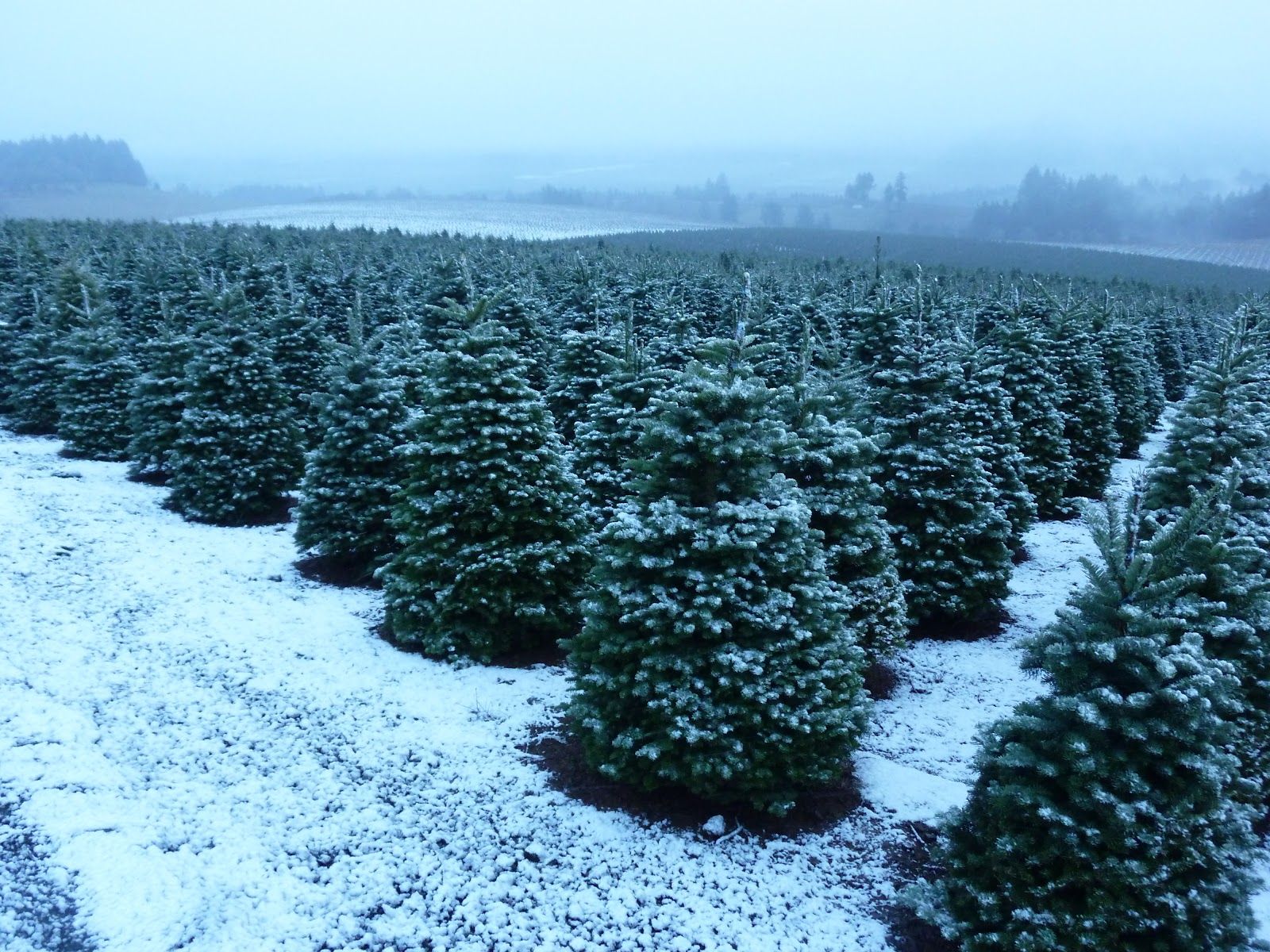
Photo: Carolina Fraser Fir Co, Google Maps contributor at Noble Mountain Tree Farm.
The base of the tree often tells a story about its care, or lack thereof, since being cut. This area is critical because it's where the tree takes up water; an unhealthy or neglected base means a tree that won't absorb moisture properly.
Bark Condition
Examine the bark on the trunk. It should look healthy, not cracked or excessively peeling. While minor imperfections are normal, large areas of dry, flaking bark could signal a tree that has been exposed to harsh conditions for too long. For some varieties, like Scots pines, natural peeling is normal; know your species.
The Cut End: Resinous and Clean
Look at the cut end of the trunk. It should ideally be clean and feel slightly sticky or moist to the touch due to the sap. If it looks very dry, gray, or has significant sap crystal formations, it's losing its ability to absorb water. Many reputable lots will offer to make a fresh cut for you before you take the tree home; this is a service you should always accept. A fresh cut reopens the tree's natural capillaries, allowing it to drink water more efficiently once it's in your stand. If they don’t offer, ask for it.
Residue and Rot
Check for any signs of mold, mildew, or rot on the cut end or lower trunk. These are clear indicators of a tree that has been stored improperly or is very old. A healthy tree will not have these issues.
Branch Flexibility and Overall Appearance
Beyond needles and the trunk, the overall feel and look of the tree can provide additional clues.
Springiness of Branches
As mentioned with the fir test, fresh branches, regardless of species, will generally have a certain springiness. When you lift a branch and let it go, it should return to its original position relatively quickly. Limp, drooping branches that stay down are often a sign of dehydration.
Firmness of Needles
Run your hand over the entire tree. The needles should feel firm and resilient, not brittle or crunchy. A healthy tree will feel robust.
Absence of Obvious Damage or Pests
While freshness is primary, also look for obvious signs of damage, such as broken branches or large bare spots that aren't natural for the species. Also, do a quick check for cocoons or other pest evidence. While rare at established lots, it’s always good practice, especially if you're bringing the tree indoors right away.
The Scent Test: A Subjective, Yet Powerful Indicator
One of the most cherished aspects of a real Christmas tree is its intoxicating piney scent. While less scientific than other methods, a tree's fragrance can still offer a good emotional gauge of its freshness.
Lean In And Take A Deep Breath Near The Needles
Lean in and take a deep breath near the needles. A very fresh tree will have a strong, pleasant, and characteristic scent of evergreen. If the tree smells faint, or worse, stale, it's another subtle hint that it might be on its way out. Your nose knows what a fresh tree should smell like; trust that primal instinct. Of course, heavily trafficked lots might have so many trees that the air is thick with scent; try to isolate the smell of a particular tree if possible by gently rubbing its needles.
Ask the Experts: Your Friendly Lot Attendant
Don't hesitate to engage with the lot attendants. These individuals spend their days around the trees; they can often provide valuable insights. Ask them when the trees were cut, or when the last shipment arrived. Experienced attendants are usually knowledgeable about their stock and can guide you toward the freshest options. They also might have specific tips for certain species they sell. Any reluctance to share information or evasive answers could be a sign to be more vigilant in your inspection.
Buying Local and Early
While not directly about spotting a fresh tree, these strategies greatly increase your chances of getting one. Buying from a local farm often means the tree was cut much more recently, sometimes just days before you arrive. Many farms provide specific cutting dates. Even at retail lots, buying earlier in the season, soon after they've received their first fresh shipments, generally yields better results. As the holiday season progresses and foot traffic increases, the freshest trees go first, leaving older stock behind.
Bringing Your Fresh Tree Home
Once you've selected your perfect, fresh tree, the care doesn't stop there. Get it into water as soon as possible. Recut the trunk if it's been more than a few hours since the lot attendant did it, then place it in a sturdy stand filled with water. Check the water level daily; a fresh tree, especially in the first few days, can drink a surprising amount of water. Maintaining this hydration is essential to keeping your carefully selected fresh tree vibrant and beautiful throughout the entire holiday season.
By Following These Simple Steps You Can Confidently Choose A Fresh Chr
By following these simple steps, you can confidently choose a fresh Christmas tree that will fill your home with joy and scent, reducing needle drop and ensuring your festive centerpiece remains glorious for weeks. Happy tree hunting
Keep exploring
When you are ready to plan a visit, the season calendar shows what is open where, and the cut-your-own checklist walks through what to bring. If you are still deciding on a variety, the tree species guide compares needle retention, aroma, and branch strength. To find a grower this weekend, use farms near me or browse Christmas tree farms by state; after the holidays, the tree recycling page lists mulching and drop-off options. For industry-level background on growing regions, species trends, and care research, the National Christmas Tree Association publishes annual reports and consumer guidance.