Spotting a Fresh Christmas Tree: A Guide to Choosing the Best
Published August 17, 2026 · By Christmas Tree Farm Finder
That annual pilgrimage to the Christmas tree lot is a cherished tradition for many, a family outing filled with anticipation and evergreen fragrance. While the thrill of picking out the perfect tree is undeniable, ensuring you take home a fresh specimen makes all the difference in its beauty and longevity throughout the holiday season. A truly fresh tree not only looks more vibrant but also retains its needles longer, smells more potent, and poses less of a fire risk; knowing what to look for transforms a hopeful guess into an informed choice.
The Art of the Initial Survey
When you first arrive at the lot, take a moment to absorb the overall scene; a well-maintained lot often indicates well-cared-for trees. Are the trees displayed upright, or are many lying haphazardly on the ground, potentially drying out faster? Observe if the lot attendants are actively tending to the trees, perhaps misting them or keeping them in shaded areas. This initial glance can offer valuable clues about the general freshness of the stock before you even touch a single branch.
Assessing the Tree's General Health
Before diving into specific tests, look at the tree's overall demeanor. A fresh tree will stand tall and proud, its branches appearing full and supple, not droopy or brittle. The color should be a rich, vibrant green, indicative of a healthy specimen; avoid trees with faded, yellowish, or brownish patches, as these are clear signs of dehydration or disease. You are seeking a tree that looks alive, not one struggling for its last breath.
The "Shake Test" for Needle Retention
The shake test is arguably the most critical and revealing indicator of a tree's freshness. Grab a branch about six to eight inches from the tip, gently give it a good shake, and observe what happens. A fresh tree will lose very few, if any, inner needles; some scattered brown needles from the tree's natural shedding cycle are normal and nothing to worry about.
Interpreting the Shake Test Results
If a significant shower of green needles falls to the ground, that tree is likely past its prime; walk away from it. This needle drop indicates the tree has dried out considerably, and it will continue to shed throughout the holiday season, creating a mess and losing its festive appeal. A tree that passes the shake test with flying colors is a strong contender, demonstrating excellent needle retention.
The Feel of the Needles
After the visual inspection and the shake test, it is time to get tactile with the tree's needles. Run your hand along a branch, from the trunk outward, noting the texture and flexibility of the needles. Fresh needles will feel soft and pliable, bending easily without breaking, and they will cling firmly to the branch.
Recognizing Dry Needles
If the needles feel stiff, brittle, or sharp to the touch, they are likely dried out. Try to bend a few; if they snap or crumble easily, the tree is dehydrated. This dryness is a surefire sign that the tree was cut a while ago or was not properly cared for after harvest, meaning it will not last long in your home. This tactile assessment provides a crucial piece of information about the tree's current state of hydration.
The Branch Flexibility Check
Beyond the needles, the branches themselves offer clues about a tree's vitality. Gently bend a small branch upwards and then release it; a fresh branch will be supple and spring back to its original position without breaking. This resilience indicates good hydration and overall health within the tree's structure.
Spotting Brittle Branches
If the branch feels stiff, cracks, or snaps when you attempt to bend it, this is a clear red flag. Brittle branches signal that the tree has lost significant moisture and is no longer fresh. Such a tree will not only be more prone to needle loss but may also struggle to hold ornaments without branches drooping or breaking.
Inspecting the Tree's Trunk
The trunk, though often overlooked, holds important clues about the tree's journey from forest to lot. Examine the base of the trunk where it was cut; a fresh cut will appear moist and sticky with sap, indicating recent harvesting. This sticky sap is a natural sealant, helping the tree retain moisture.
Understanding the Cut Surface
Avoid trees with dry, gray, or discolored cut surfaces; these signs suggest the tree was cut a long time ago and has begun to dry out from the bottom up. While you are at it, also look for a clean, even cut; a ragged cut might indicate the tree was improperly harvested, potentially impeding its ability to absorb water once you get it home. Many Christmas tree growers, like those you can browse Christmas tree farms by state, aim for precision cuts for this very reason.
The Smell Test
The unmistakable aroma of a fresh Christmas tree is one of the joys of the holiday season, a scent that defines coziness and tradition. A truly fresh tree will have a strong, pleasant, and characteristic evergreen scent. Gently crush a few needles between your fingers and bring them to your nose; a robust fragrance confirms its freshness.
Detecting a Fading Aroma
If the scent is faint, stale, or completely absent, the tree is likely old and dried out. The aromatic oils that give Christmas trees their distinct smell diminish as the tree dehydrates. A tree that smells vibrant will fill your home with that quintessential holiday fragrance; one lacking scent will merely be a green decoration.
The Weight of the Tree
While not a definitive test on its own, the weight of a tree can provide an additional hint about its freshness. A fresh tree, full of moisture, will generally feel heavier than a comparably sized dry tree. This is because water contributes significantly to the tree's overall mass.
Lightness as a Warning Sign
If a tree feels unusually light for its size, especially after passing other visual checks, it might be an indication that it has lost a good deal of its internal moisture. Consider this a secondary clue, best used in conjunction with the more direct tests like needle retention and branch flexibility. This particular tip comes from years of moving countless trees, a task that quickly reveals the difference between a water-logged, healthy specimen and a parched, light one.
Checking for Pests and Disease
Beyond freshness, it is prudent to quickly inspect for any unwelcome hitchhikers or signs of illness. While rare, bringing home a tree infested with pests like aphids or mites, or diseased with fungi, can lead to issues. Look for unusual spots, sticky residues, or tiny insects on the branches and trunk.
Signs of Infestation
Small, discolored spots, cottony masses, or unusual webbing could all be indicators of a problem. Most farms and lots employ measures to ensure healthy trees, but a quick visual check for these signs is always a good practice before you commit to a purchase. The National Christmas Tree Association provides excellent resources on common tree issues.
Understanding Tree Species Differences
Different Christmas tree species have varying natural characteristics, which can influence their appearance and perceived freshness. For instance, Fraser Firs are known for excellent needle retention, while certain pines might naturally have a somewhat drier feel to their needles even when fresh. Knowing a little about the species you are considering can help set realistic expectations.
Species-Specific Freshness Cues
For example, a noble fir should have very stiff, sturdy needles; if they feel flimsy, it is a sign of dehydration. A white pine, on the other hand, will always have softer, longer needles. Consult a tree species guide if you are unsure about the typical characteristics of a particular variety; this knowledge empowers you to make a more informed choice.
Post-Purchase Care for Lasting Freshness
Even the freshest tree requires proper care once it comes home to ensure its longevity. First, make a fresh cut across the base of the trunk, removing about an inch or two, before placing it in water. This re-opens the tree's pores, allowing it to drink freely. An immediate fresh cut is crucial; if you delay, the sap will seal over the cut, impeding water absorption.
Ensuring Constant Hydration
Always place your tree in a stand that holds plenty of water; check the water level daily, especially during the first week, as trees drink a surprising amount. Keeping the reservoir full is the single most important step for maintaining needle retention and vibrant color. A well-hydrated tree is also a safer tree, reducing fire risk significantly, which is important to remember as you might consider our tree recycling options come January.
The Timing of Your Purchase
The time you buy your tree can also influence its freshness, especially if you plan to display it for many weeks. Trees are typically harvested in late November or early December, but they can sit on lots for varying durations. Purchasing your tree closer to the beginning of the selling season, or directly from a farm where you can cut-your-own checklist, often guarantees a fresher product.
Planning for Longevity
If you plan to put your tree up immediately after Thanksgiving, aim to buy it as close to that date as possible. If you wait until a week before Christmas, while some lots replenish stock, you might find trees that have been sitting out for longer. Knowing the general season calendar can help you time your visit perfectly for the freshest selection available, perhaps finding a local gem among the Farms Near Me listings.
By Employing These Practical Tips You Can Confidently
By employing these practical tips, you can confidently navigate the Christmas tree lot and select a truly fresh specimen that will bring joy and beauty to your home throughout the entire holiday season. This thoughtful selection process ensures your cherished tree remains a vibrant centerpiece, not a shedding, faded disappointment.
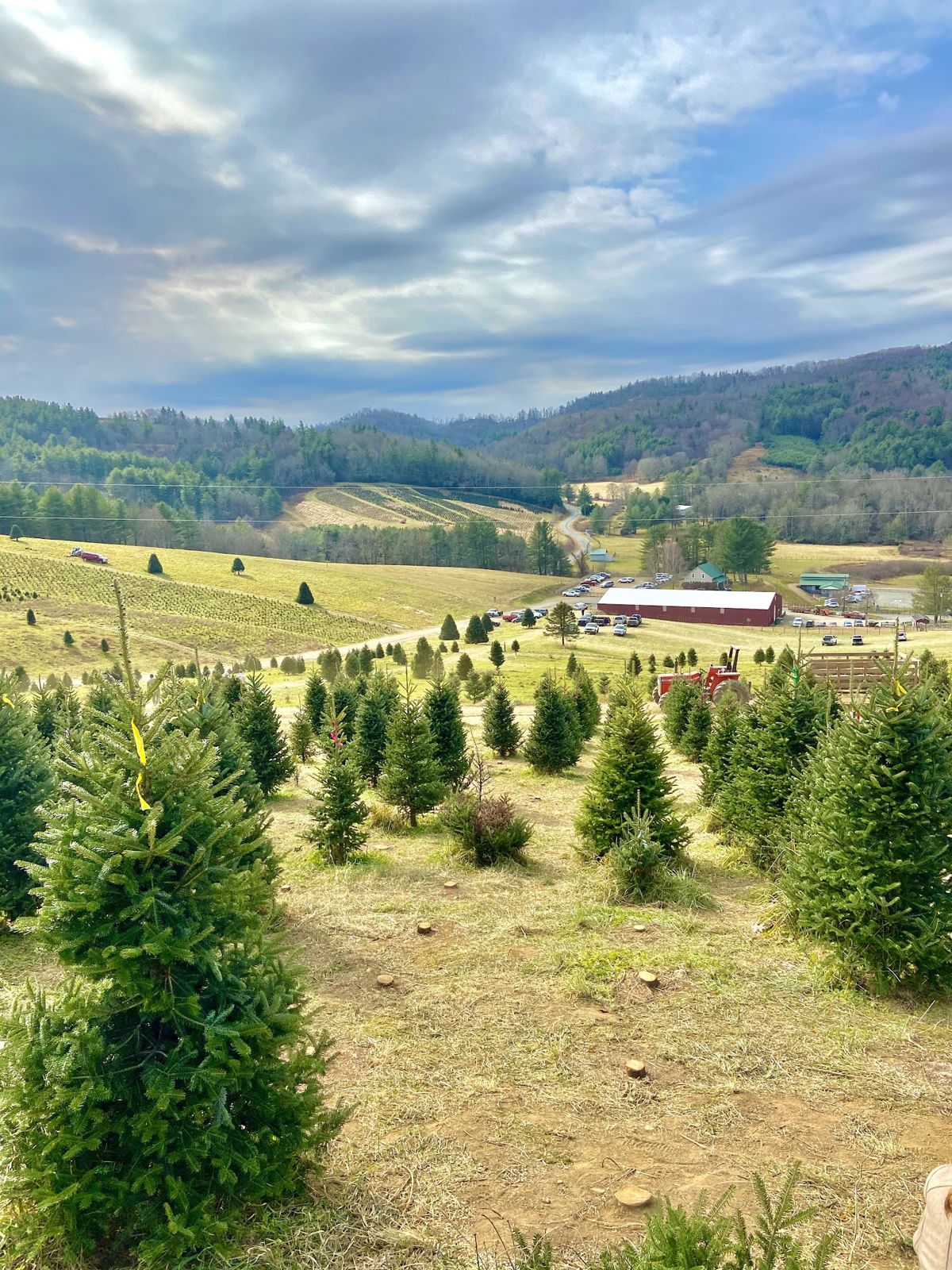
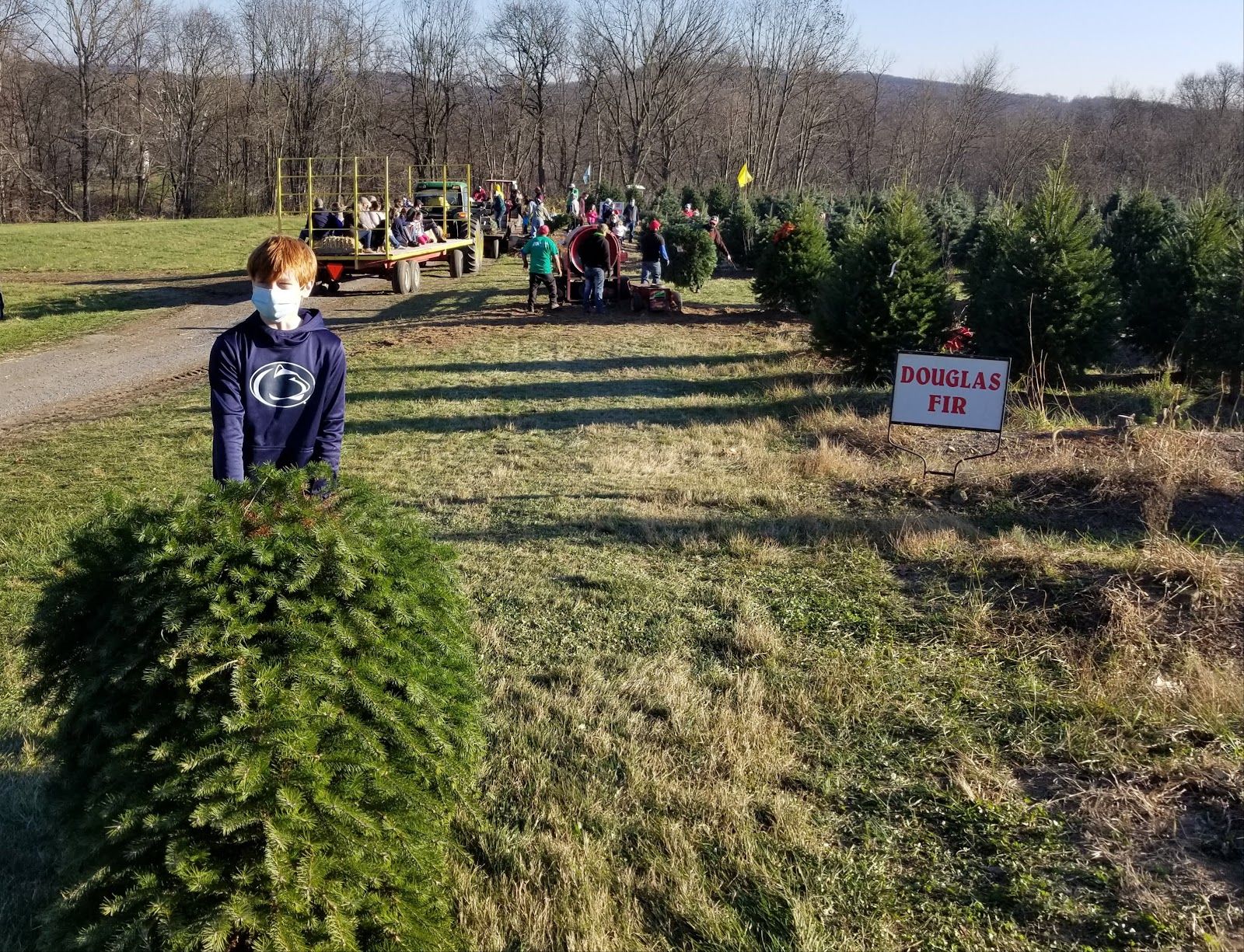
Photo: Brookdale Fruit Farm, Google Maps contributor at Lil' Grandfather Choose and Cut.
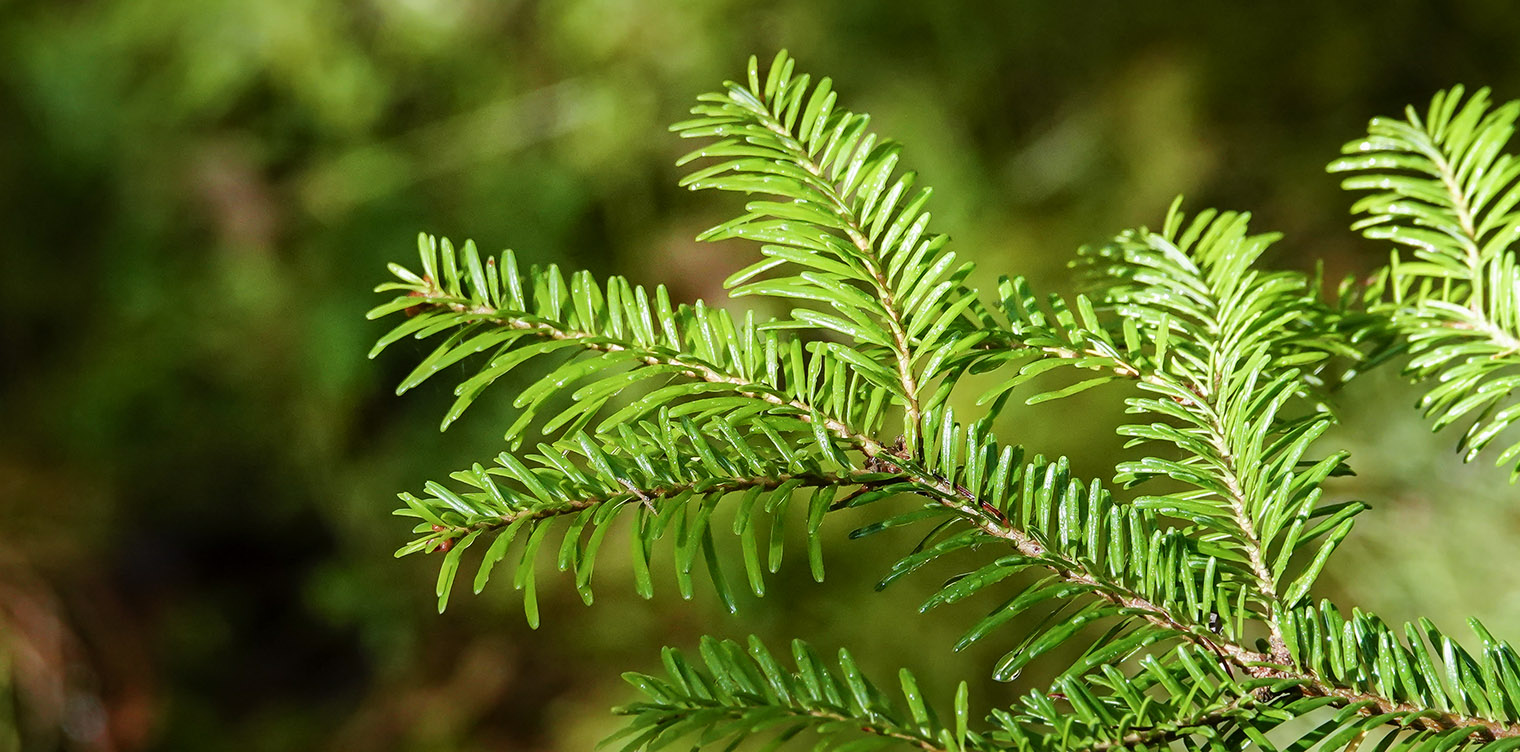
Photo: Brookdale Fruit Farm, Google Maps contributor at the Adirondack Mountains.
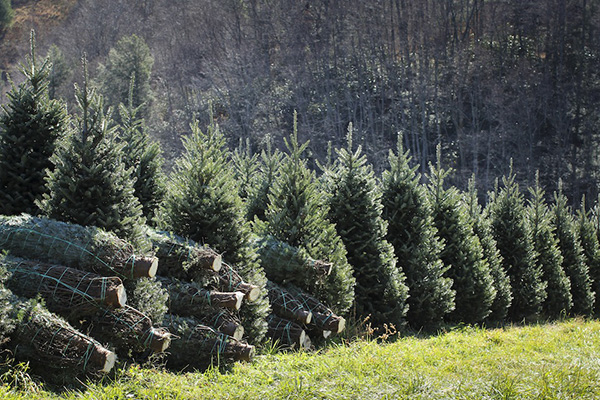
Photo: Brookdale Fruit Farm, Google Maps contributor at a North Carolina Fraser fir farm.