Secrets to Keeping Your Cut Christmas Tree Fresh and Hydrated
Published August 21, 2026 · By Christmas Tree Farm Finder
Walking through the rows of a Christmas tree farm, the scent of pine and crisp air always brings back memories; it’s a tangible link to the holiday season. The quest for the perfect tree is a cherished tradition for many, a yearly pilgrimage to select a living symbol of festive joy. Once that ideal tree is chosen and brought home, the work isn't quite over; to keep it vibrant and fresh throughout the holidays, proper hydration is paramount. Forget the old wives' tales and trendy concoctions; understanding the simple science behind water uptake is the key to a long-lasting, beautiful Christmas tree.
The Vital Role of Water for Cut Trees
A freshly cut Christmas tree, despite being separated from its roots, is still a living organism for a time; its cells continue to perform metabolic functions. Water is absolutely essential for these processes, transporting nutrients, maintaining turgidity, and preventing needle drop. Without a consistent supply of water, the tree quickly dries out, becomes brittle, and poses a significant fire hazard; it loses its festive appeal and becomes a safety concern.
Why Trees Drink Water
Think of a cut tree's trunk as a bundle of tiny straws, scientifically called xylem, that run from the cut base all the way to the needles. These xylem vessels draw water upwards through a process called transpiration, where moisture evaporates from the needles, creating a negative pressure that pulls more water from the stand. This continuous flow is what keeps the tree hydrated and its needles green; when the water supply stops, this vital system shuts down.
The Problem of Sap Formation
When a tree is cut, particularly if it's been a few hours since the cut, sap begins to form and can seal over the open xylem vessels at the base. This sticky resin acts like a plug, making it difficult or impossible for the tree to absorb water even when placed in a full stand. This is why a fresh cut is so critical; it exposes clean, open vessels ready to drink.
Preparing Your Tree for Optimal Hydration
The journey from the farm to your living room is a critical period for your tree's hydration; proper preparation before it even enters the house makes all the difference. Neglecting these initial steps can significantly shorten your tree's lifespan, regardless of how diligently you water it afterward.
Making a Fresh Cut
This is arguably the single most important step for ensuring your tree drinks water effectively. Before placing the tree in its stand, you must make a fresh, clean cut across the base of the trunk. Remove about one to two inches of wood; this severs the dried, sap-clogged cells and exposes fresh, living xylem tissue. Do this with a sharp saw and ensure the cut is level to maximize the surface area for water absorption and ensure stability in the stand.
Why the Angle of the Cut Doesn't Matter
There's a persistent myth that cutting the tree at an angle or drilling holes in the base will improve water uptake; this simply isn't true. The xylem vessels are located around the circumference of the trunk, just beneath the bark, and they run vertically. A straight, flat cut provides ample access to these vessels; an angled cut doesn't offer any additional benefit and can make the tree less stable in its stand.
Avoiding Bark Removal
Some people mistakenly peel bark from the bottom of the trunk, thinking it will help the tree drink more; this is counterproductive and can actually harm the tree's ability to absorb water. The most active water-conducting tissues are just inside the bark; removing it damages these essential structures and can reduce the tree's capacity to draw moisture. Leave the bark intact.
The Best Way to Water Your Christmas Tree
Once the tree is prepared, the actual watering process is straightforward but requires consistency. The goal is to keep the stand's reservoir full, never letting it run dry, especially during the first week.
The Importance of Immediate Watering
After making that fresh cut, place your tree into its stand immediately, ideally within an hour, and fill the stand with plain, fresh tap water. Do not let the freshly cut trunk air dry for an extended period; those open xylem vessels will quickly seal over with sap, undoing your good work. If you can't set up the tree right away, place the base in a bucket of water until you're ready.
Plain Tap Water is Sufficient
There's a lot of folklore about what to add to your tree's water: aspirin, sugar, bleach, commercial additives, even vodka. The truth is, none of these concoctions have been scientifically proven to significantly extend the life of a fresh, healthy Christmas tree; in many cases, they can be detrimental. Plain, fresh tap water is all your tree needs. The National Christmas Tree Association, a leading authority on real Christmas trees, confirms this; "Studies have shown that plain tap water is best." You can learn more about tree care from their official site here.
Monitoring Water Levels Constantly
The first week your tree is up, it will likely drink a surprising amount of water; some trees can absorb several quarts a day. Check the water level daily, sometimes even twice a day, and refill the reservoir promptly. If the water level drops below the base of the trunk, the fresh cut can dry out and seal over, just as if you hadn't cut it initially. If this happens, you'll need to remove the tree from the stand, make another fresh cut, and rehydrate it immediately.
Factors Affecting Water Consumption
While a fresh cut and consistent watering are paramount, other environmental factors can influence how quickly your tree drinks and how long it stays fresh. Being mindful of these can help you maximize your tree's vibrancy throughout the holiday season.
Ambient Room Temperature
A warmer room will cause your tree to transpire more quickly, meaning it will use more water and dry out faster. If possible, place your tree in a cooler part of your home, away from direct sunlight, heat vents, or fireplaces. A slightly cooler environment not only reduces water loss but can also minimize needle drop.
Humidity Levels
Low humidity, common in heated homes during winter, also increases the rate of transpiration. While you can't completely control your home's humidity, avoiding excessively dry areas will benefit your tree. Some people use humidifiers near their tree, but consistent watering is still the primary defense against dryness.
Tree Species Variability
Different species of Christmas trees have varying rates of water uptake and needle retention. For instance, Fraser Firs and Noble Firs are known for their excellent needle retention, partly due to efficient water absorption. On the other hand, some pine varieties might drink less but still require constant hydration. You can learn more about various species and their characteristics in our tree species guide.
Troubleshooting and Maintenance Tips
Even with the best intentions, sometimes a tree presents challenges. Knowing how to react to common issues can help you keep your tree looking its best until it's time for tree recycling.
What if the Tree Stops Drinking?
If your tree suddenly stops absorbing water, the most likely culprit is a sealed-over base. This usually means the water level in the stand dropped below the trunk, or the initial cut wasn't made properly. The only effective solution is to carefully remove the tree from the stand, make another fresh 1-2 inch cut from the base, and immediately place it back into a full stand of water. This is a hassle, but it's often the only way to revive a thirsty tree.
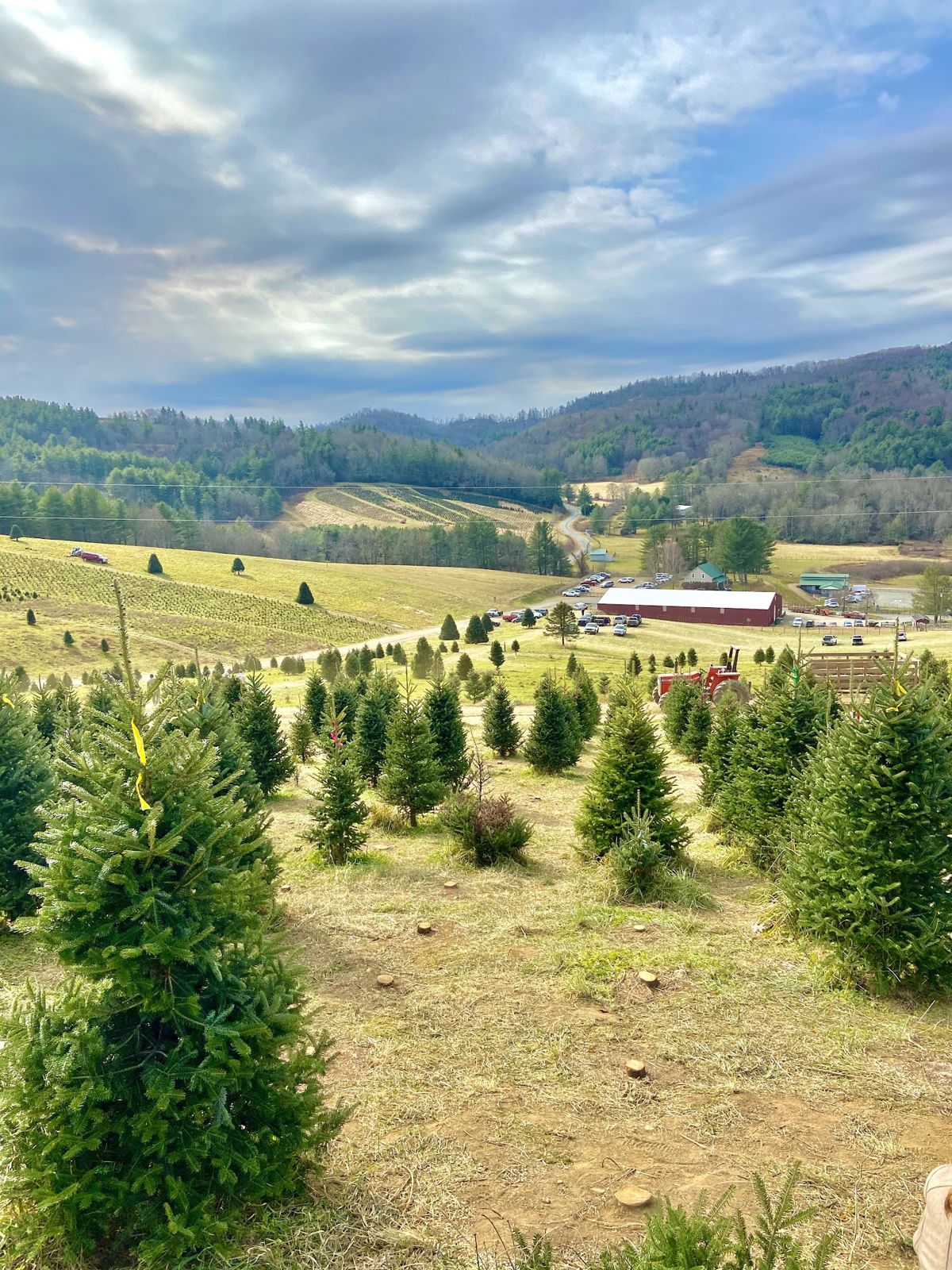
Photo: Brookdale Fruit Farm, Google Maps contributor at Lil' Grandfather Choose and Cut.
Managing Needle Drop
Some needle drop is natural for any cut tree; it's a sign of the tree's natural cycle. However, excessive needle drop indicates dryness. If your tree is shedding needles rapidly, check the water level first and ensure the stand is always full. A gentle misting of the needles with plain water can offer a temporary, superficial hydration boost, but it is not a substitute for proper trunk hydration.
Ensuring Stand Stability and Capacity
Choose a tree stand that is appropriate for the size and weight of your tree; a stand that is too small can lead to instability and insufficient water reservoir capacity. A good rule of thumb is that the stand should hold at least one quart of water for every inch of trunk diameter. This ensures enough water storage to get through longer periods between refills, though daily checks are still necessary. If you're picking out a larger tree, ensure your stand can handle its girth and weight before you even head out to browse Christmas tree farms by state.
The Long-Term Benefits of Proper Watering
A well-hydrated Christmas tree doesn't just look better; it's safer. A dry tree is a fire hazard, with brittle needles and branches that can ignite in seconds. By consistently providing plain water, you are extending the life of your tree, maintaining its fresh scent, and drastically reducing fire risk. This simple act ensures your centerpiece remains a vibrant, safe symbol of holiday cheer throughout the entire season. Making sure you've got everything you need, from a good stand to a saw, is part of a thorough cut-your-own checklist before you head out.
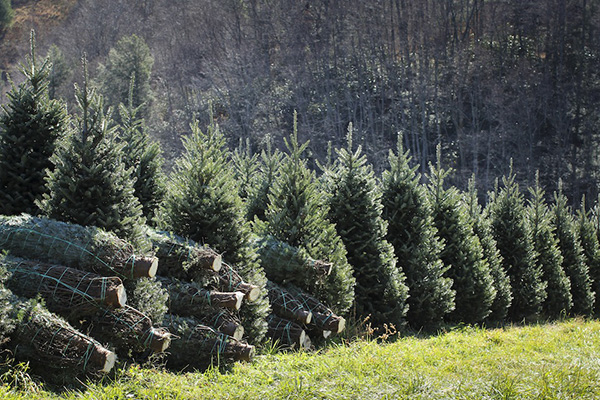
Photo: Brookdale Fruit Farm, Google Maps contributor at a North Carolina Fraser fir farm.
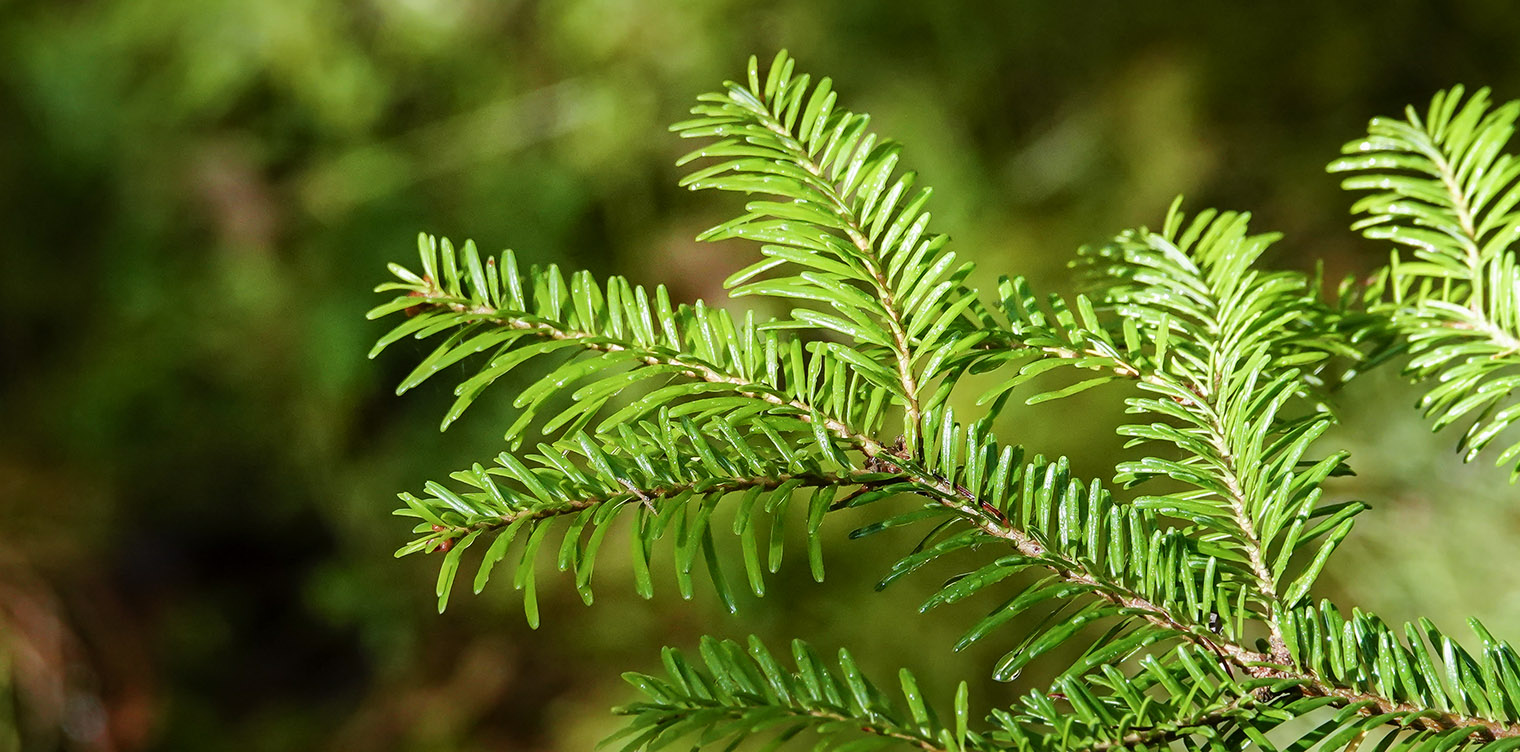
Photo: Brookdale Fruit Farm, Google Maps contributor at the Adirondack Mountains.