Weather's Impact on a Christmas Tree Farm's Opening Weekend
Published July 17, 2026 · By Christmas Tree Farm Finder
The scent of pine in the crisp autumn air; the quiet anticipation of the holiday season taking hold; there is nothing quite like the opening weekend of a Christmas tree farm. For many families, it marks the unofficial start of their festivities, a cherished annual tradition. For the farmers, however, that first weekend is a culmination of a year's hard work and careful planning, an economic cornerstone that can largely determine the season's success. It is also, perhaps more than any other time, when the unpredictable hand of weather plays its most decisive role.
Most Christmas Tree Farms Operate On A Fairly Tight Schedule
Most Christmas tree farms operate on a fairly tight schedule; there is a limited window for harvesting before the busiest shopping days. The weather leading up to and during that critical opening weekend can dramatically reshape everything from customer turnout to staff logistics, and even the very health of the trees themselves. Understanding these meteorological impacts offers a deeper appreciation for the resilience and dedication of these growers, people who literally grow joy.
The Dance of Precipitation: Rain, Snow, and Ice
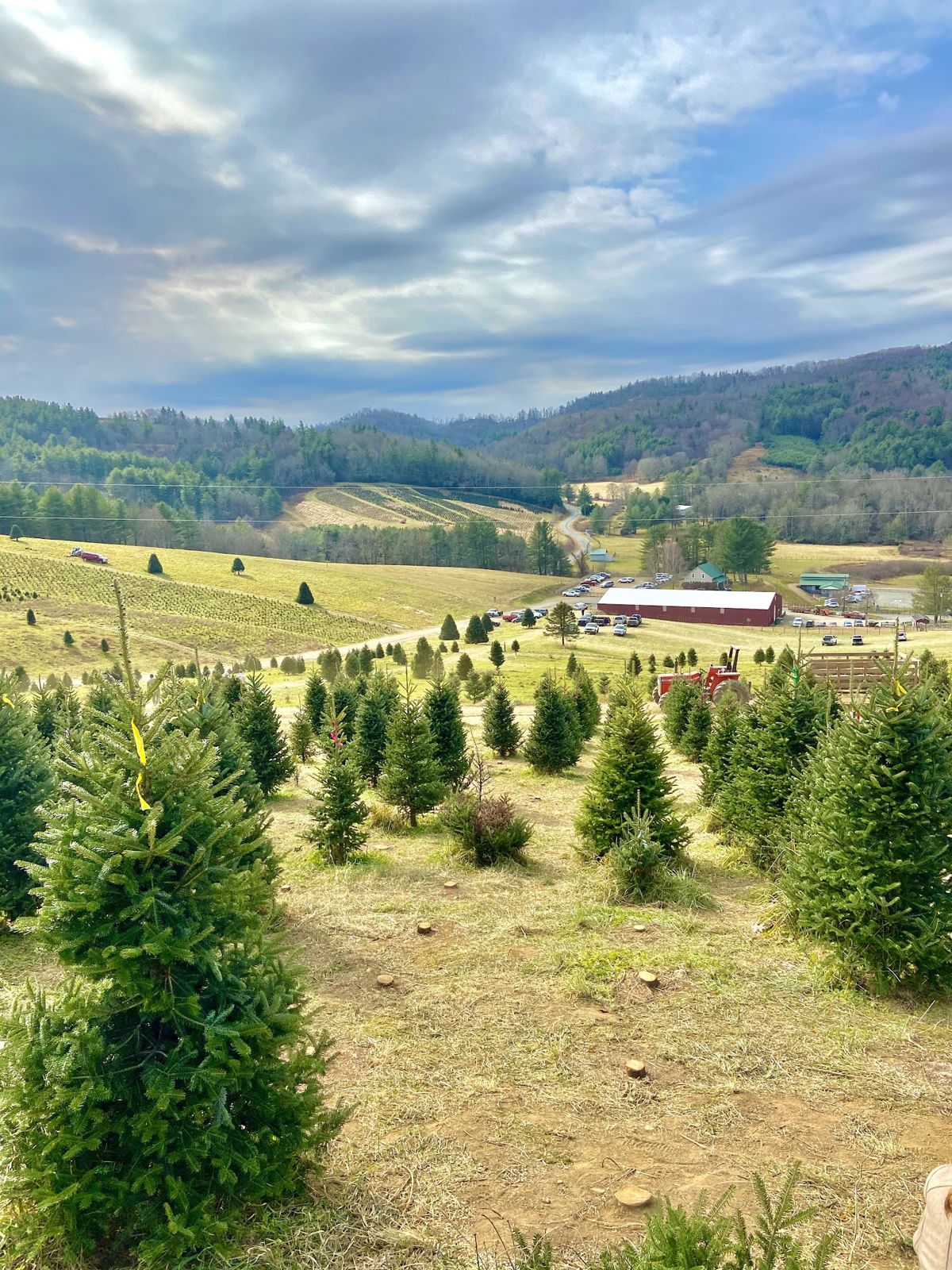
Photo: McCurdy's Tree Farm, Google Maps contributor at Lil Grandfather Choose and Cut.
Precipitation is arguably the most impactful weather variable for a Christmas tree farm's opening weekend. A light, seasonal dusting of snow can transform a pleasant outing into a magical, picture-postcard experience. It blankets the fields in white, enhances the scent of the evergreens, and evokes that quintessential holiday spirit. Farms with a fresh layer of snow often see an increase in visitors, eager to capture those perfect family photos amidst the winter wonderland. The snow mutes sounds, reflecting light in a way that makes the whole farm feel more serene; it’s an ideal setting for finding that perfect tree.
However Too Much Snow Or Snow That Falls Too Heavily Can Become A Sign
However, too much snow, or snow that falls too heavily, can become a significant impediment. Deep drifts can make paths impassable, turning a leisurely stroll into a strenuous trek. For farms that rely on wagons or sleighs to transport visitors to remote cutting fields, heavy snowfall can render these operations impossible, creating bottlenecks and frustrating delays. Also, if the snow comes with biting winds, the combined chill factor discourages all but the most determined tree seekers. Farmers then face the labor-intensive task of plowing roads and clearing central areas, diverting staff from customer service and tree preparation. A really heavy snowfall might even force a farm to delay its opening or close early, a costly disruption during their prime season.
Rain On The Other Hand Presents A Different Set Of Challenges Often Mo
Rain, on the other hand, presents a different set of challenges, often more detrimental than snow. A steady, cold rain on opening weekend can deter a significant portion of potential visitors. No one wants to trudge through muddy fields, soaked to the bone, with the added discomfort of carrying a wet tree. The ground becomes soft and slippery, increasing the risk of falls for customers and making it difficult for vehicles, even tractors, to navigate. The trees themselves become heavier and slimier to handle, making the cutting and hauling process less enjoyable.
Farm Operations Also Suffer Under Consistent Rain
Farm operations also suffer under consistent rain. Chainsaws can become trickier to operate safely, especially if staff are wearing heavy, wet gloves. Netting and baling machines can jam with damp needles. Worse yet, rain can turn parking areas into quagmires, leading to stuck cars and frustrated patrons, which can quickly sour an otherwise positive family experience. Farmers often invest in graveling crucial pathways and parking lots precisely to mitigate these issues, but even the best preparations can be overwhelmed by a relentless downpour. A rainy opening weekend can significantly depress sales, a setback that is often hard to recover from in such a short selling season.
And Then There Is Ice Arguably The Most Dangerous Form Of Winter Preci
And then there is ice, arguably the most dangerous form of winter precipitation. Freezing rain or an overnight ice storm can coat everything in a treacherous glaze. Paths become perilous, tree branches are brittle, and even walking among the evergreens can be hazardous. Ice often leads to delayed openings or outright closures, prioritizing safety over immediate sales. This is a situation where the farm loses not just income, but also risks significant liability from potential customer injuries.
Temperature Fluctuations and Their Impact
Photo: McCurdy's Tree Farm, Google Maps contributor at Lil' Grandfather Choose and Cut.
Beyond precipitation, temperature is another critical factor. The ideal temperature for a tree farm visit is cool and crisp, typically in the 30s or 40s Fahrenheit. This weather encourages people to bundle up, sip hot cocoa, and embrace the festive spirit without being uncomfortably cold or warm. It fosters the perfect atmosphere for an enjoyable outdoor activity.
However Extreme Temperatures In Either Direction Can Be Problematic
However, extreme temperatures, in either direction, can be problematic. A bitterly cold opening weekend, with temperatures dipping into the teens or single digits, coupled with a blustery wind, can be a major deterrent. People will opt for indoor activities, even if they had planned a tree farm visit, simply due to the discomfort. Families with young children are particularly sensitive to such conditions, often choosing to postpone their trip, which can mean missing the opening surge of customers. Staff working in these conditions also face challenges; operating machinery, handling cash, and offering customer service become more arduous when fingers are numb and bodies are shivering.
Conversely An Unusually Warm Opening Weekend With Temperatures Climbin
Conversely, an unusually warm opening weekend, with temperatures climbing into the 50s or even 60s, also has its drawbacks. While it might seem appealing to some, it often clashes with the traditional autumnal or early winter atmosphere people associate with Christmas tree shopping. The absence of a chill can make the experience feel less "Christmassy" and more like an ordinary outing. Also, unseasonably warm weather can affect the trees themselves, though this impact is more subtle for a single weekend. Warmth, especially following a consistent cold snap, can sometimes encourage a tree to try and "wake up" from dormancy, which can make it lose its needles more quickly once indoors, though this is a less common concern for a fresh cut tree than for a live tree. A warm, humid day can also increase insect activity, another unwelcome guest on the farm.
Wind: The Unsung Factor
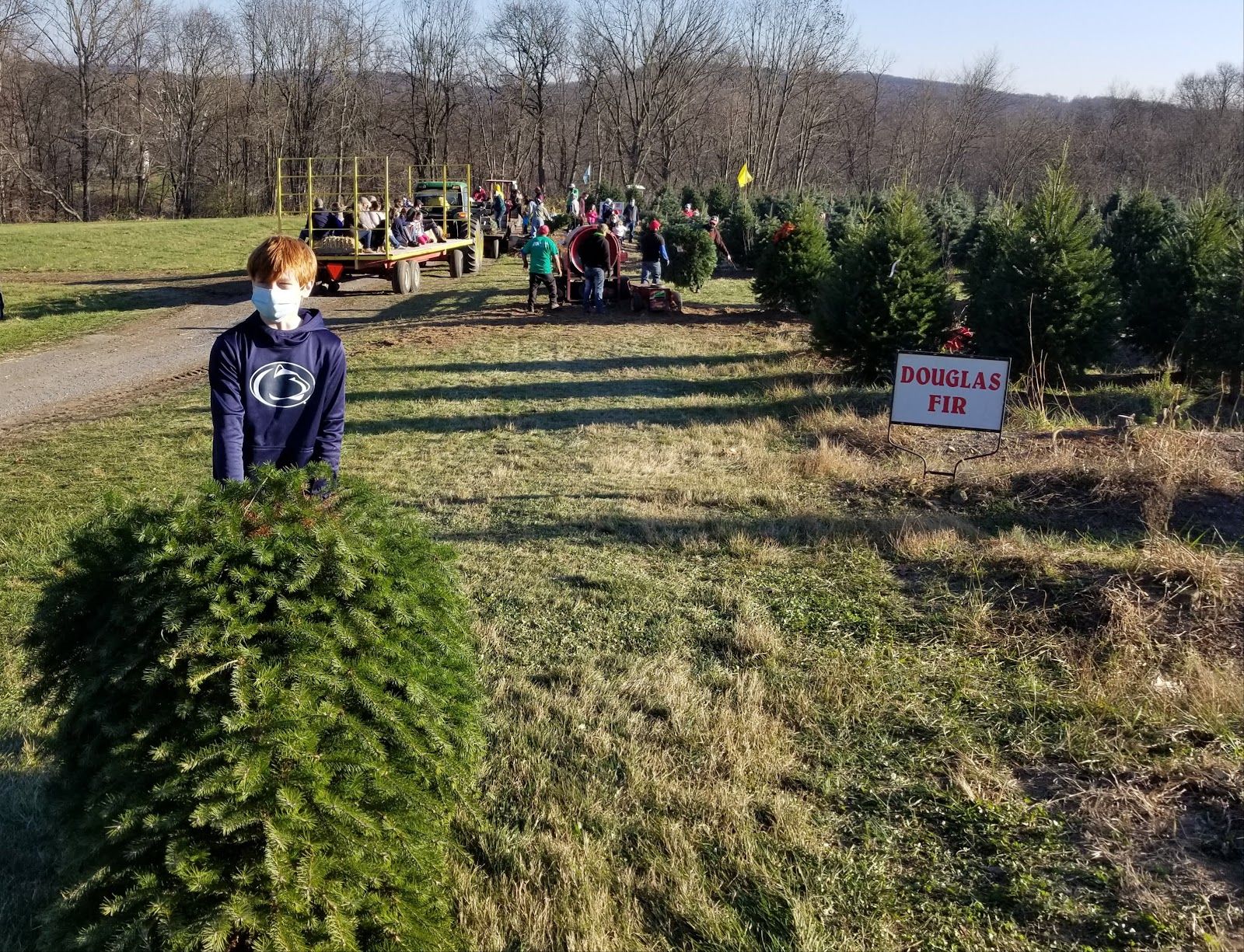
Photo: McCurdy's Tree Farm, Google Maps contributor at McCurdys Tree Farm and Landscaping.
Wind is often overlooked, but it plays an undeniable role in the opening weekend experience. A gentle breeze is pleasant, carrying the pine scent and adding a refreshing touch to the air. A strong, gusty wind, though, can significantly detract from the day. It can make signs difficult to read, blow down decorations, and even make the simple act of walking across an open field feel like a battle.
More Importantly Strong Winds Compound The Effect Of Cold Temperatures
More importantly, strong winds compound the effect of cold temperatures, creating a much lower "real feel" temperature due to wind chill. What might be a tolerable 30 degrees becomes an unbearable 15 with a stiff wind. This drastically reduces the comfort level for both customers and staff. Also, handling freshly cut trees in strong winds can be a physical challenge; their broad surfaces act like sails, making them difficult to carry and especially problematic for securing onto car roofs. High winds can also make bonfire pits, a popular farm feature, unsafe, requiring them to be extinguished or never lit, taking away a beloved warming station.
The Farmer’s Adaptability and Resilience
The success of a Christmas tree farm’s opening weekend, therefore, often hinges on the farmer's ability to adapt to these ever-changing meteorological conditions. This means having contingency plans in place; access to plows for heavy snow, extra gravel or wood chips for muddy paths, and plenty of warming stations or sheltered areas for cold or wet weather. It means staff are trained to work efficiently and cheerfully regardless of the elements, offering umbrellas on rainy days or hot drinks on frigid ones.
For The Consumers Recognizing And Appreciating These Efforts Can Enhan
For the consumers, recognizing and appreciating these efforts can enhance the entire experience. Visiting a tree farm in less-than-perfect weather offers its own unique memories, a testament to enduring traditions even when nature does not cooperate. It highlights the determination of families to find their perfect tree and the steadfast dedication of the farmers who provide them. The weather can deliver a blow to opening weekend, but it rarely defeats the spirit of the season. After all, a little wind or rain only makes the warmth of home and the glow of the Christmas tree itself that much more cherished.
Keep exploring
When you are ready to plan a visit, the season calendar shows what is open where, and the cut-your-own checklist walks through what to bring. If you are still deciding on a variety, the tree species guide compares needle retention, aroma, and branch strength. To find a grower this weekend, use farms near me or browse Christmas tree farms by state; after the holidays, the tree recycling page lists mulching and drop-off options. For industry-level background on growing regions, species trends, and care research, the National Christmas Tree Association publishes annual reports and consumer guidance.