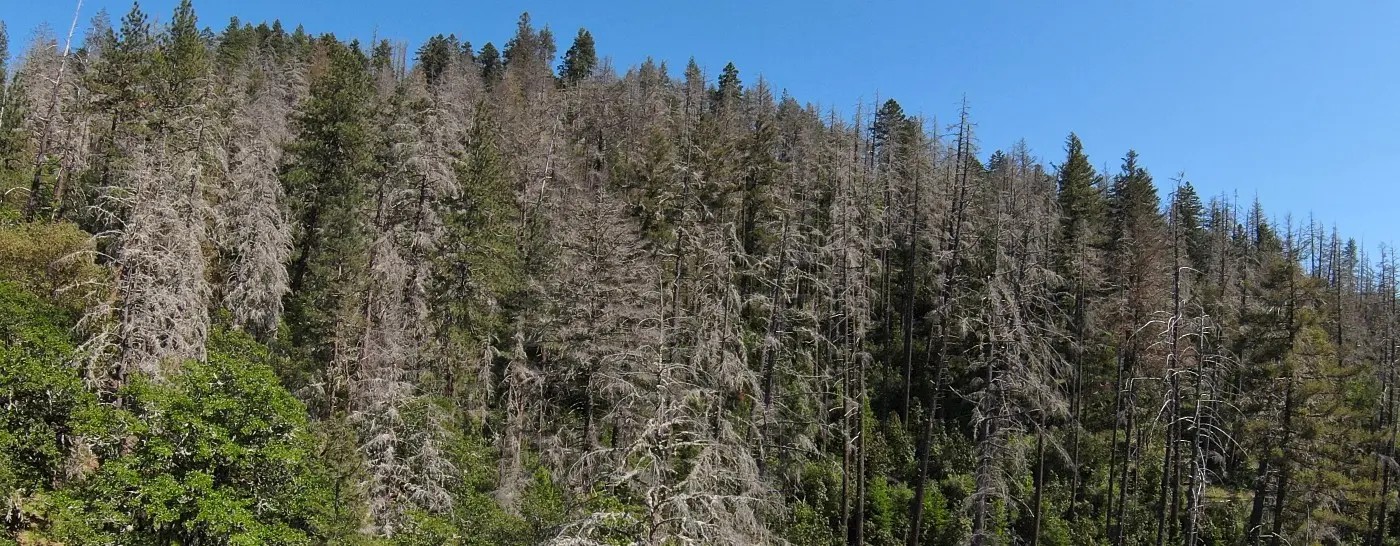
When is the Best Time to Buy a Fresh Christmas Tree?
Published July 17, 2026 · By Christmas Tree Farm Finder
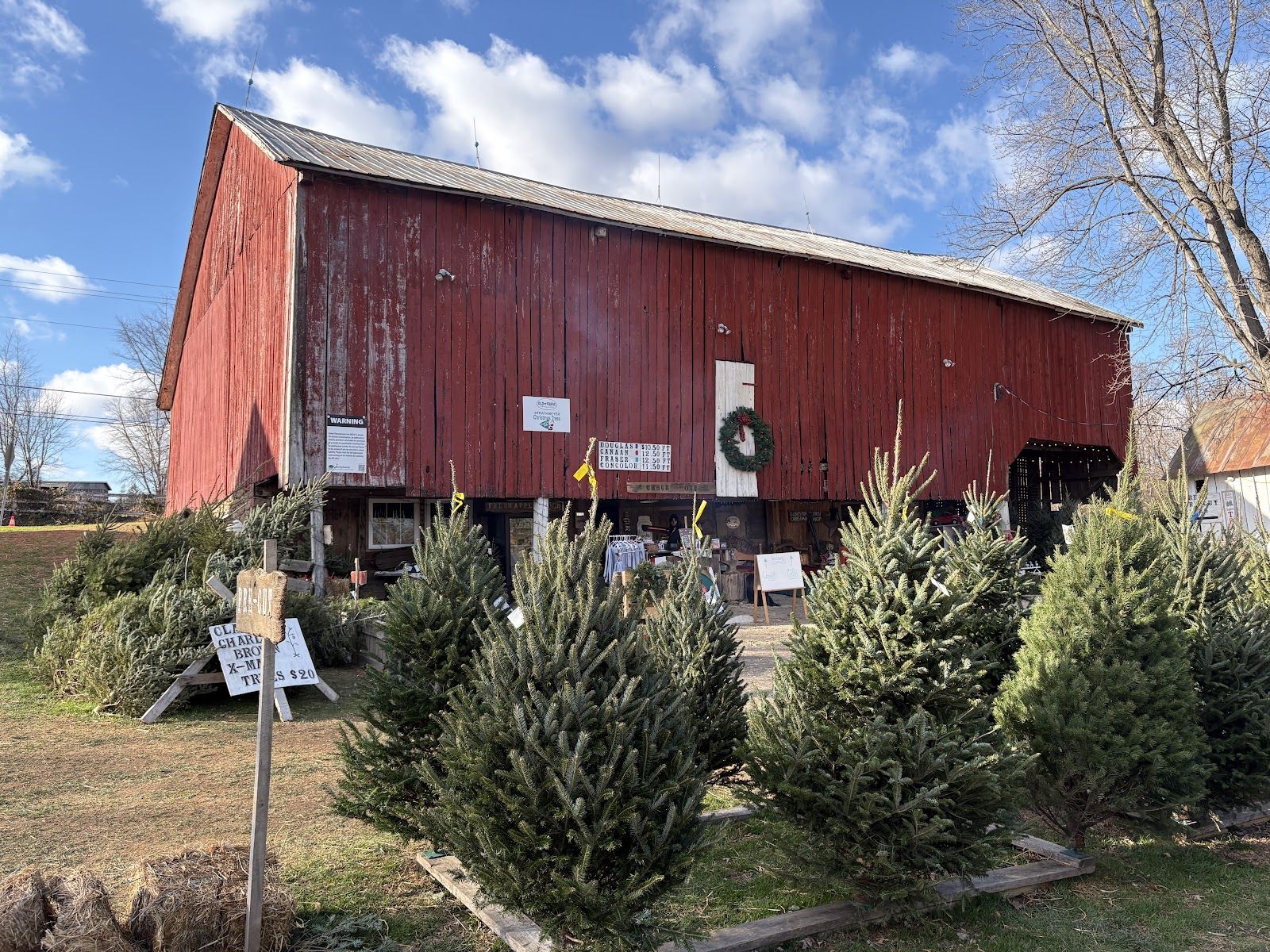
Christmas is a magical time of year; a period marked by twinkling lights, carols, and the comforting scent of pine filling our homes. For many, the centerpiece of this festive celebration is a fresh Christmas tree, a living symbol of holiday cheer. But the joy of a real tree can quickly turn to disappointment if it sheds needles prematurely, leaving an unsightly brown mess before the seasonal festivities even conclude. The secret to a long-lasting, vibrant Christmas tree lies largely in its selection and care; a journey that begins long before you string the first light.
The Freshness Factor: When Does the Clock Start Ticking?
The lifespan of a fresh Christmas tree is a delicate balance of factors, primarily influenced by its species, its initial health, and the care it receives in your home. Contrary to popular belief, a tree doesn't necessarily "die" the moment it is cut down; it merely enters a dormant state, much like a vase of fresh-cut flowers. The goal is to keep it hydrated and healthy for as long as possible.
Most Experts Agree That The Ideal Window For Purchasing A Fresh-Cut Ch
Most experts agree that the ideal window for purchasing a fresh-cut Christmas tree falls between the last week of November and the first week of December. This timing typically allows your tree to look its best through Christmas Day and comfortably into the new year, often lasting until the Epiphany on January 6th. Buying too early can mean a dried-out, needle-shedding tree by Christmas; buying too late might limit your selection of the best specimens.
However This Isn't A Hard And Fast Rule Set In Stone
However, this isn't a hard and fast rule set in stone. Many variables come into play. A tree chosen at a reputable farm, one that practices good silviculture and cutting methods, will naturally fare better than one that has been sitting on a hot asphalt lot for weeks.
Understanding Your Tree's Journey: From Forest to Family Room
To truly appreciate when to buy, it helps to understand the journey a Christmas tree takes. Most trees sold at retail lots, even those described as "fresh," were likely cut weeks before Thanksgiving. Tree farms operate on schedules; they harvest thousands of trees, bale them, and ship them to distribution centers and retailers across the country. These trees are then exposed to various conditions: sun, wind, and temperature fluctuations.
You Visit A Choose-And-Cut Farm You Have The Distinct Advantage Of Sel
When you visit a choose-and-cut farm, you have the distinct advantage of selecting a tree that is literally hours or, at most, a day or two removed from its roots. This is the freshest option available, providing the longest potential lifespan. If a choose-and-cut experience is an option for you, it often extends your purchasing window slightly, as the tree's freshness is maximized from day one in your care.
Signs of a Healthy Tree: Your Pre-Purchase Checklist
Regardless of when you buy, knowing how to identify a healthy, fresh tree is paramount. A fresh tree is a happy tree; a happy tree holds its needles.
- The Needle Test: This is perhaps the most critical indicator. Grasp a branch between your thumb and forefinger and gently pull towards you. Very few, if any, green needles should come off easily. If needles cascade down like snow, that tree is already too dry.
- Color and Sheen: A vibrant, rich green color suggests good health. Avoid trees with dull, faded, or distinctly brownish needles, particularly towards the tips or base. The needles should also have a slightly waxy or oily sheen, indicating good moisture retention.
- Flexibility: Bend a needle between your fingers. Fresh needles will snap crisply; old, dry needles will be pliable or rubbery. For firs and pines, the branch itself should feel supple, not rigid or brittle.
- Fragrance: A fresh tree will emit a strong, pleasant evergreen scent. If you don't smell much, or detect a musty odor, the tree is likely past its prime.
- Weight: Lift the tree if possible. A heavier tree indicates a higher moisture content, which is desirable.
You Are Buying From A Retail Lot Always Ask The Vendor When The Trees
If you are buying from a retail lot, always ask the vendor when the trees were cut. While they might not have an exact date for each tree, a reputable seller should be able to provide general harvesting periods. Avoid lots where trees are haphazardly piled, left exposed to full sun without water, or where large piles of discarded needles are visible on the ground; these are all red flags.
Species Matters: An Overview of Popular Choices
Different tree species possess varying characteristics that affect their longevity and needle retention. Knowing these differences can help you tailor your purchase timing.
- Fraser Fir: Often considered the gold standard for real Christmas trees, Fraser firs boast excellent needle retention, strong branches for ornaments, and a pleasing pyramidal shape. They can comfortably last four to five weeks, sometimes longer, with proper care. This makes them a strong candidate for an early December purchase.
- Balsam Fir: Similar to Fraser firs in appearance and fragrance, Balsam firs also offer good needle retention. They tend to be slightly less dense than Frasers but are a robust choice, lasting three to four weeks.
- Noble Fir: Known for its stiff branches and beautiful, bluish-green needles, the Noble fir also has exceptional needle retention. They are often a bit more expensive but offer great durability, lasting four to six weeks.
- Douglas Fir: A very popular choice, the Douglas fir has soft, short needles and a sweet fragrance. While beautiful, its needle retention is sometimes a little less reliable than the true firs, typically lasting three to four weeks. If choosing a Douglas fir, lean towards buying it closer to mid-December.
- White Pine: Pines, in general, have very good needle retention due to their longer, softer needles that dry out more slowly. White pines have a classic appearance and a unique pine scent. They can last well over a month. However, their branches are often softer, making them less ideal for heavy ornaments.
- Colorado Blue Spruce: While beautiful with its distinct blue tone and stiff, sharp needles, spruce trees, including the Blue Spruce, are notorious for poor needle retention indoors. They dry out quickly and shed needles readily. If a spruce is your choice, plan to buy it as close to December 10th or later as possible, and be prepared for more frequent watering.
Bringing Your Tree Home and Setting it Up for Success
You've chosen your perfect, fresh tree; now the real work of preservation begins. The steps you take immediately after bringing your tree home are crucial for its longevity.
- The Fresh Cut: This is non-negotiable. Before placing your tree in water, make a fresh, straight cut across the base of the trunk, removing about one inch of wood. This reopens the tree's pores, which quickly seal with sap after being cut, preventing water absorption. Do not cut it at an angle, in a V-shape, or drill a hole; these methods reduce the surface area for water uptake.
- Immediate Hydration: Get the tree into a sturdy stand filled with fresh water as soon as possible after the fresh cut, ideally within an hour. Avoid letting it sit dry for an extended period after cutting; those pores will seal again.
- Proper Stand: Choose a stand with a large water reservoir. A typical tree can drink several quarts of water a day, especially in the first few days. A good rule of thumb is one quart of water per inch of trunk diameter. Never let the water level drop below the base of the tree; if it does, the trunk may re-seal, requiring another fresh cut.
- Location, Location, Location: Place your tree away from heat sources like fireplaces, radiators, heating vents, or direct sunlight. Heat accelerates drying. A cooler room temperature will help your tree stay fresh longer.
- Water, Water, Water: Check the water level daily, sometimes twice a day. Trees are thirsty; ensure a constant supply of fresh, clean water. Do not add sugar, aspirin, or commercial additives; plain water is all your tree needs.
- Light, but Not Too Much Heat: Use LED Christmas lights. They produce significantly less heat than traditional incandescent bulbs, which can dry out needles and pose a fire hazard.
Extending the Life Toward the New Year
Even with the best preparation, a tree will eventually begin to dry out. However, diligent care can push its liveliness well past Christmas. If you purchased your tree in the first week of December, by Christmas Day it will still be in excellent shape. Continued daily watering is the single most important action to ensure it remains a vibrant decoration through the New Year's celebrations.
January Approaches You Might Notice A Slight Increase In Needle Drop P
As January approaches, you might notice a slight increase in needle drop, particularly if you have a species prone to quick drying. This is normal. The goal is to keep it visually appealing and safe. A well-hydrated tree is also a safer tree, less prone to catching fire. The dry crunch of needles underfoot can signal the end of its time indoors.
By Understanding The Factors Influencing A Tree's Lifespan Selecting A
By understanding the factors influencing a tree's lifespan, selecting a truly fresh specimen, and diligently providing it with basic care, you can ensure your beautiful Christmas tree remains a joyful centerpiece, fragrant and green, not just for Christmas Day, but to usher in a bright and festive New Year. The effort is minimal; the reward is a prolonged season of cheer.
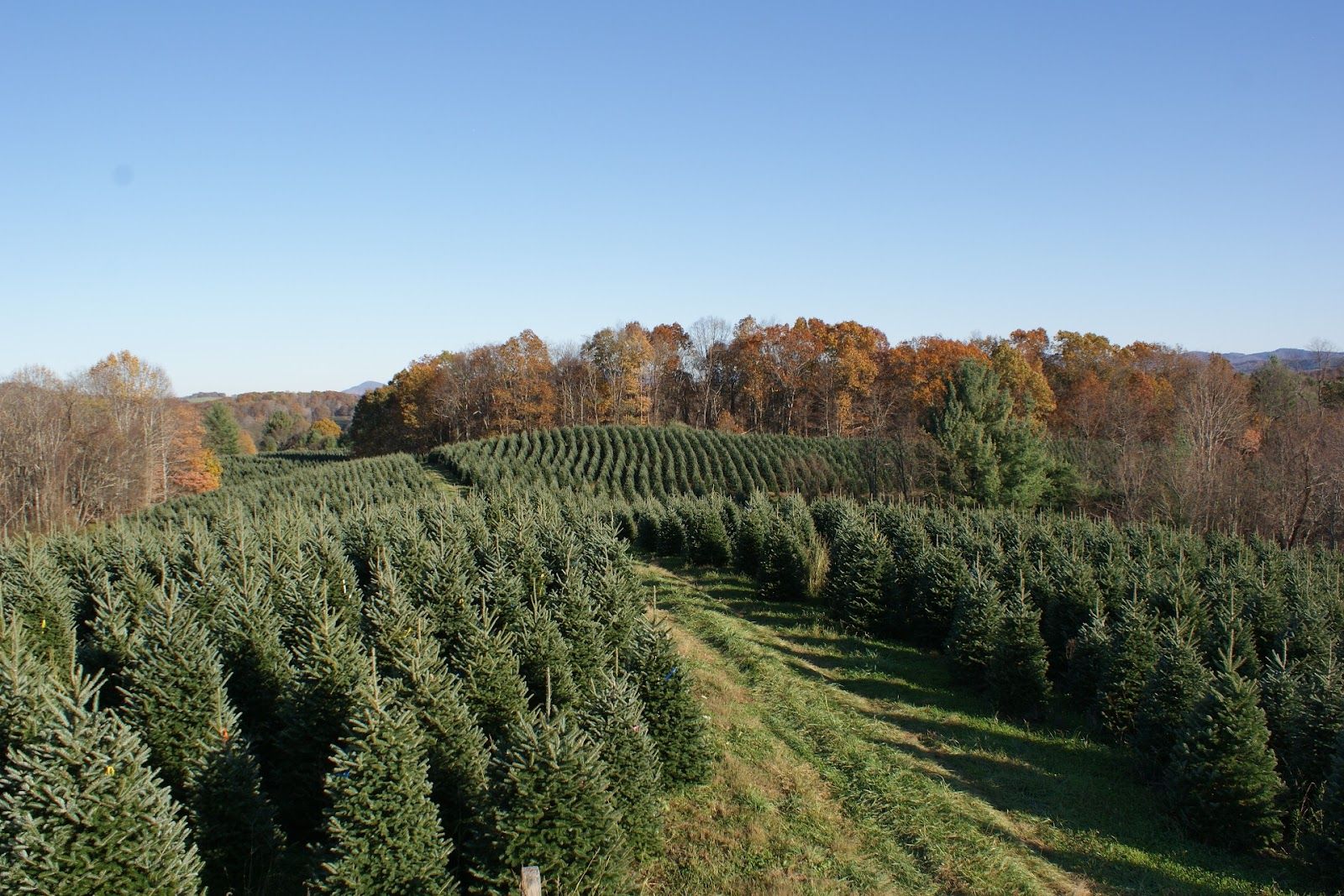
Photo: Carolina Fraser Fir Co, Google Maps contributor at Carolina Fraser Fir Co.
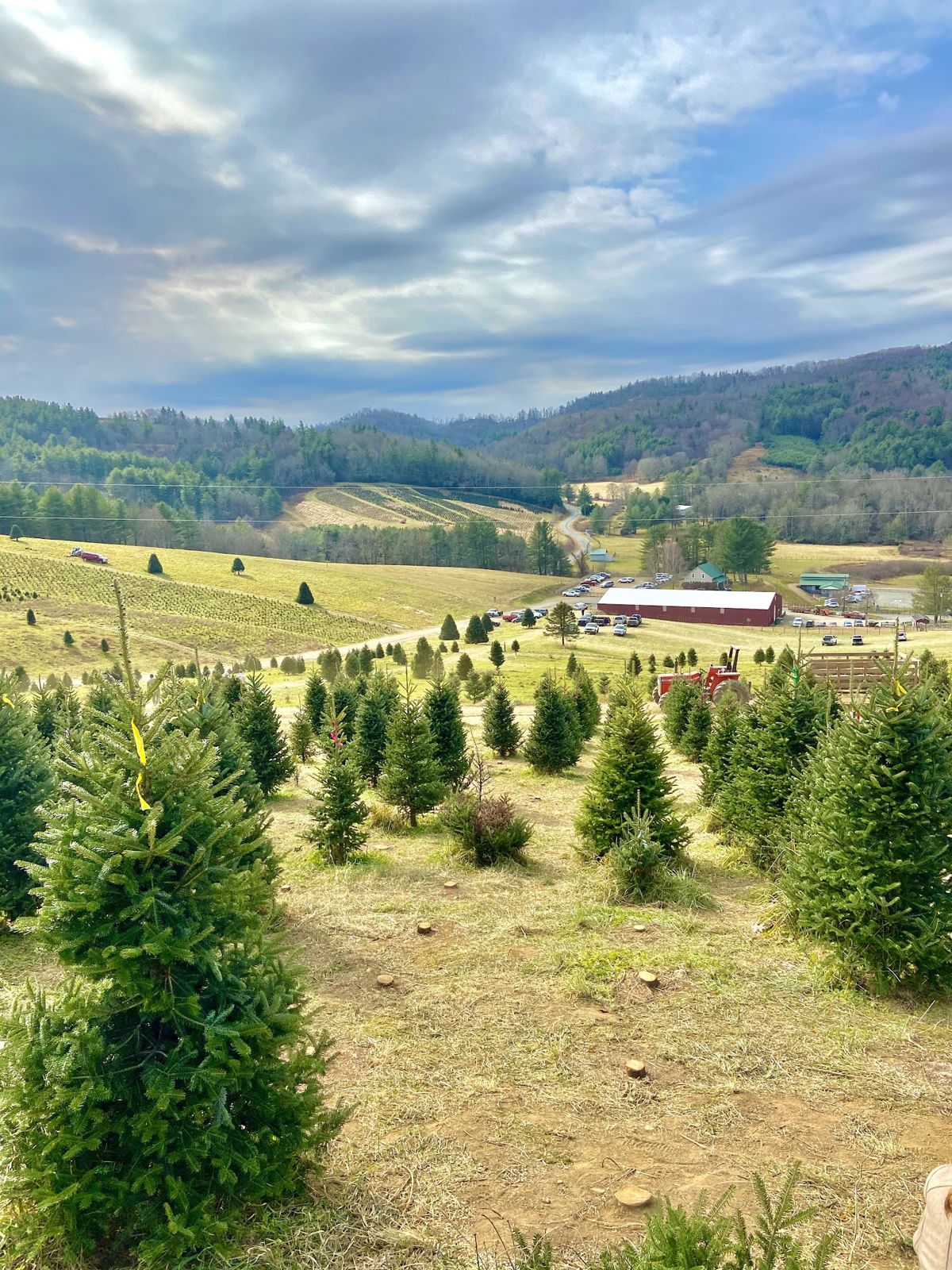
Photo: Carolina Fraser Fir Co, Google Maps contributor at Lil Grandfather Choose and Cut.

Photo: Carolina Fraser Fir Co, Google Maps contributor at McCurdys Tree Farm and Landscaping.
Keep exploring
When you are ready to plan a visit, the season calendar shows what is open where, and the cut-your-own checklist walks through what to bring. If you are still deciding on a variety, the tree species guide compares needle retention, aroma, and branch strength. To find a grower this weekend, use farms near me or browse Christmas tree farms by state; after the holidays, the tree recycling page lists mulching and drop-off options. For industry-level background on growing regions, species trends, and care research, the National Christmas Tree Association publishes annual reports and consumer guidance.