Optimal Time to Buy a Fresh Christmas Tree for Lasting Beauty
Published August 31, 2026 · By Christmas Tree Farm Finder
The air gets crisp, a scent of pine needles starts to mingle with woodsmoke, and the Christmas season begins to whisper promises of cheer. For many of us, nothing captures that spirit quite like a real, fresh Christmas tree; it’s a living centerpiece for holiday gatherings and a fragrant reminder of nature’s beauty. But the magic hinges on timing; you want that tree to be vibrant and green, shedding minimal needles, from the moment you bring it home until well past New Year's Day.
The Optimal Window for Tree Selection
Choosing the perfect time to visit a Christmas tree farm involves a delicate balance of factors; you want the best selection without buying too early or too late. The sweet spot for most regions, assuming you're aiming for a tree that lasts through January 1st, generally falls in the first two weeks of December. This window allows for ample time to decorate and enjoy your tree throughout the main holiday period. If you plan to visit a farm, checking their season calendar can give you specific opening dates.
Early December for Peak Freshness and Selection
Arriving at a farm in early December offers several advantages; the inventory is usually at its fullest and freshest, especially for popular species. Farms have often just completed their peak harvesting period for retail lots or are opening their fields for choose-and-cut customers. This means you have the widest variety of shapes, sizes, and species to choose from; whether you prefer a classic Fraser Fir or a sturdy Scotch Pine, your options are plentiful. Also, the weather in early December is often more cooperative for an outdoor adventure, avoiding the deep freezes or heavy snowfalls that can sometimes plague late-season outings.
Understanding Tree Harvest Cycles
Most Christmas tree farms operate on specific harvest schedules; many will cut trees in late November to supply retail lots, while others offer "cut your own" experiences starting shortly after Thanksgiving. These cut trees, if properly cared for, can easily last four to five weeks, often six. The key is to know when the tree was harvested; ask your local farmer about their cutting practices, as a freshly cut tree is always the best option for longevity. A tree that was cut only a few days before you purchase it, even if it's sitting on a lot, will far outlast one that was cut weeks ago.
Why Freshness Matters Most
The lifespan of your Christmas tree is overwhelmingly determined by its freshness at the point of purchase; a tree that is already dry or stressed will never rehydrate properly. A fresh tree holds its needles better, maintains its vibrant color, and continues to emit that wonderful natural aroma. It's not just about aesthetics; a well-hydrated tree is also safer, as dry trees pose a significant fire hazard.
Signs of a Healthy, Freshly Cut Tree
When you are walking through the fields or browsing a retail lot, there are clear indicators of a healthy, fresh tree. Needles should be pliable and firmly attached; gently grasp a branch and pull your hand towards you, very few needles should come off. The trunk should feel sticky with sap, not dry, and if you bounce the tree lightly on the ground, only a few old, interior needles should fall. The color should be a rich, vibrant green, without significant yellowing or browning, especially at the tips. Always inspect the overall health; a tree with a healthy green color and supple needles will likely last longer.
The Importance of a Fresh Cut and Water
Once you select your tree, ensuring a fresh cut on the trunk is paramount; this allows the tree to drink water effectively. If you are at a cut-your-own farm, you'll be making that fresh cut yourself. For pre-cut trees, ask the vendor to make a fresh, one-inch cut from the base of the trunk; this removes any dried sap that might be blocking water absorption. As soon as you get home, place the tree in a sturdy stand filled with warm water, as warm water is absorbed more readily. Keep the reservoir full at all times; a tree can drink a gallon or more of water in its first 24 hours.
Species-Specific Durability Considerations
Not all Christmas tree species are created equal when it comes to needle retention and longevity; some varieties naturally hold their needles longer than others. Understanding these differences can help you choose a tree that aligns with your desired enjoyment period. Our tree species guide offers more detailed insights into popular options.
Long-Lasting Varieties for Extended Enjoyment
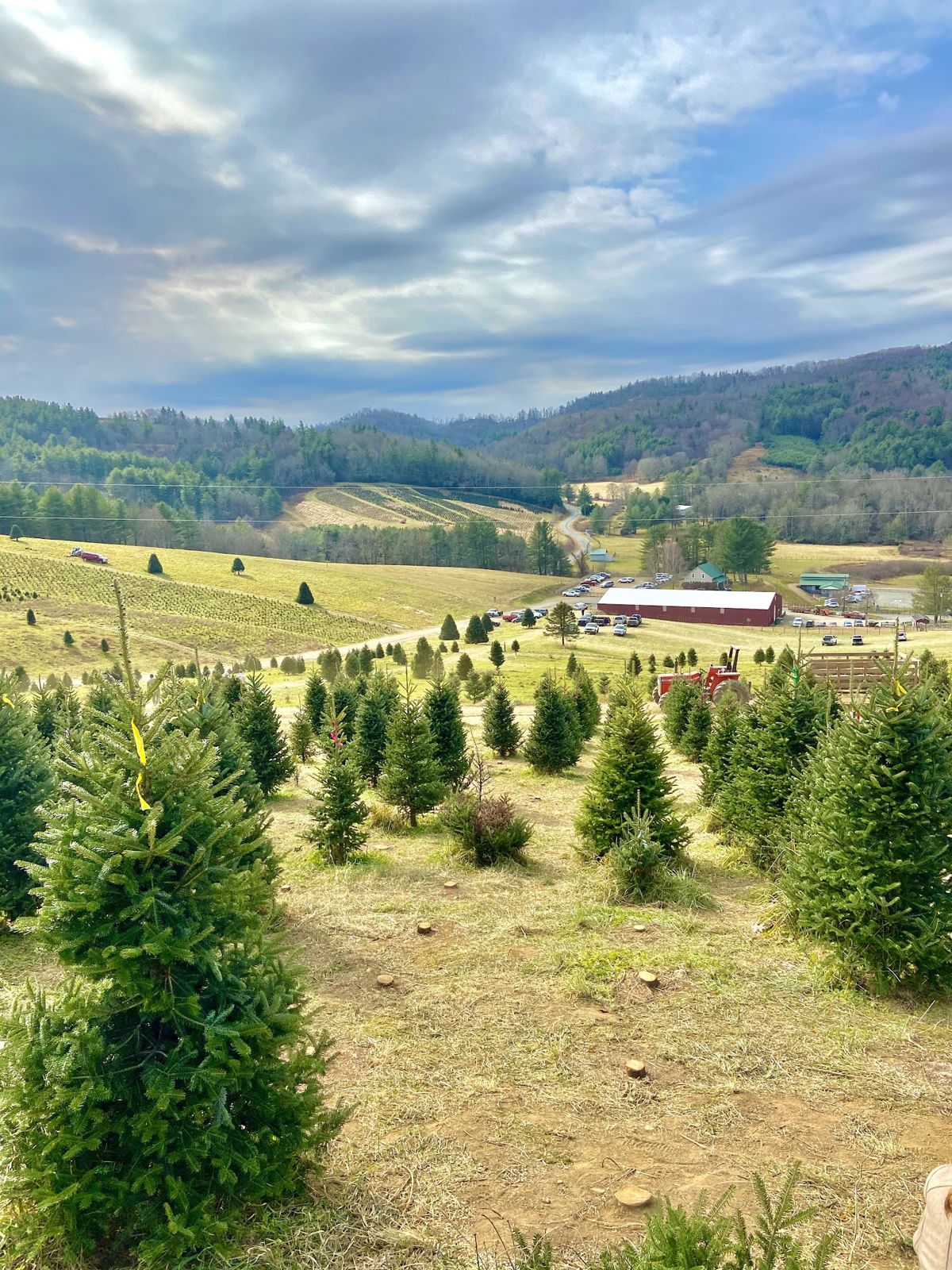
For those who want their tree to look pristine well into the new year, certain species are known for their superior needle retention. Fraser Firs are often considered the gold standard; they have strong branches, a beautiful pyramidal shape, and excellent needle-holding capabilities. Balsam Firs are also popular, known for their classic Christmas tree scent and good retention. Canaan Firs, a cousin to the Balsam, offer similar benefits and often thrive in a wider range of climates. These species are generally more forgiving if purchased slightly earlier.
Mid-Range and Shorter-Lived Options
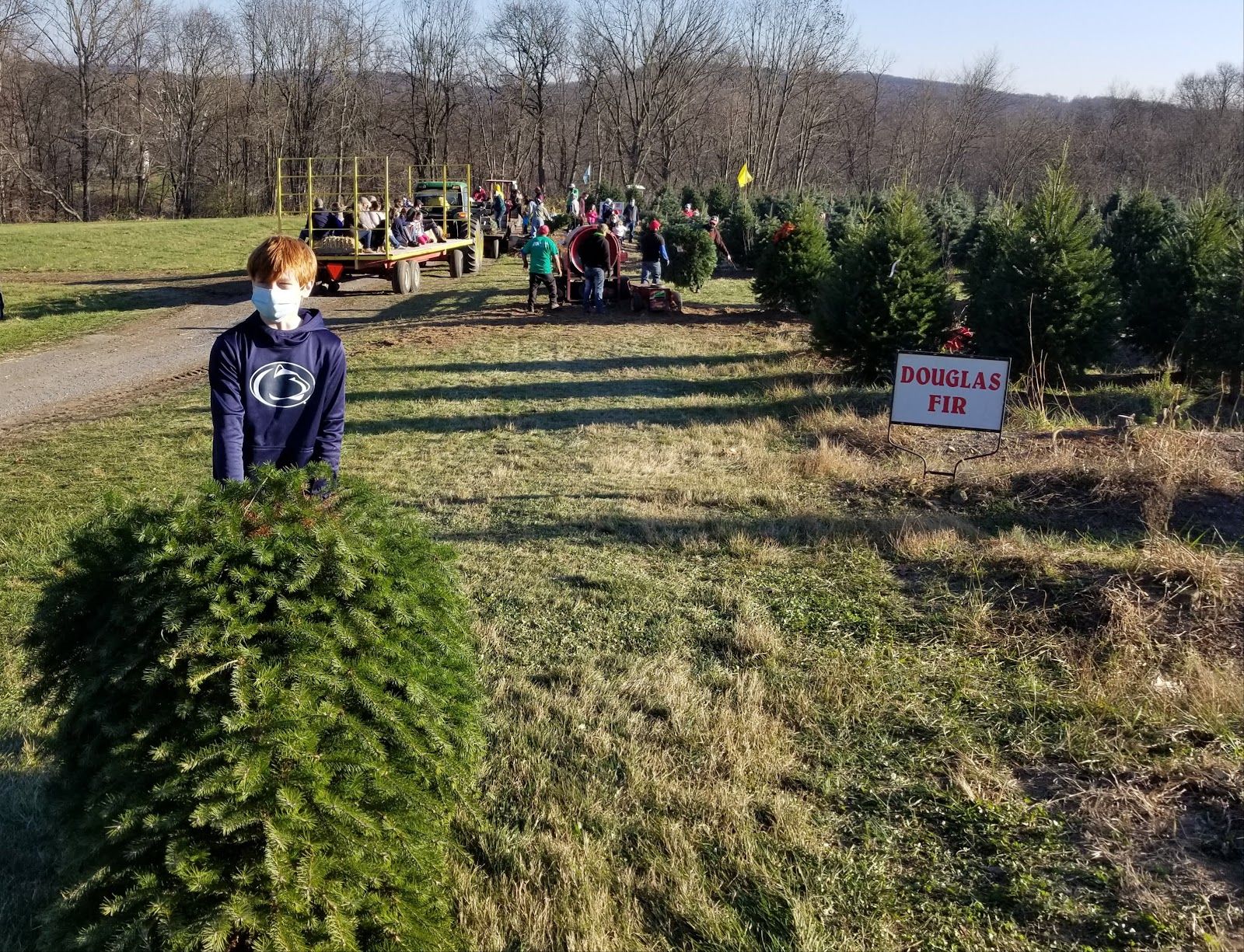
Other popular species, while beautiful, might require more careful timing or more diligent watering if you want them to last through New Year's. Scotch Pines and White Pines have good needle retention but can be less fragrant than firs. Colorado Blue Spruce trees are stunning with their unique color but can be notorious for dropping needles if not kept well-hydrated; their sharp needles also make decorating a bit more challenging. Douglas Firs offer a wonderful scent and soft needles but tend to dry out more quickly than Fraser or Balsam Firs. If you choose one of these, aim to buy it closer to mid-December.
Preparing Your Home and Tree for Longevity
Bringing a fresh tree home is just the first step; how you care for it indoors will significantly impact its lifespan. A little preparation and ongoing maintenance can make all the difference in keeping your tree vibrant. Many farms, including those you can browse Christmas tree farms by state, provide care sheets.
Acclimating Your Tree Gradually
After bringing your tree home, especially if it's very cold outside, avoid shocking it with immediate warm, dry indoor air. If possible, let it acclimate in a cool, sheltered area like a garage or porch for a day or two. This gradual transition helps reduce stress on the tree, allowing it to adjust to new environmental conditions more smoothly. Ensure it still has access to water during this acclimation period.
Strategic Placement for Maximum Lifespan
Where you place your Christmas tree in your home profoundly affects how long it stays fresh. Keep it away from direct heat sources such as fireplaces, heat vents, and sunny windows; these will rapidly dry out your tree. Placing it in a cooler part of the room will slow down the drying process. Consider using a humidifier in the room; this adds moisture to the air, which benefits both your tree and your family during the dry winter months.
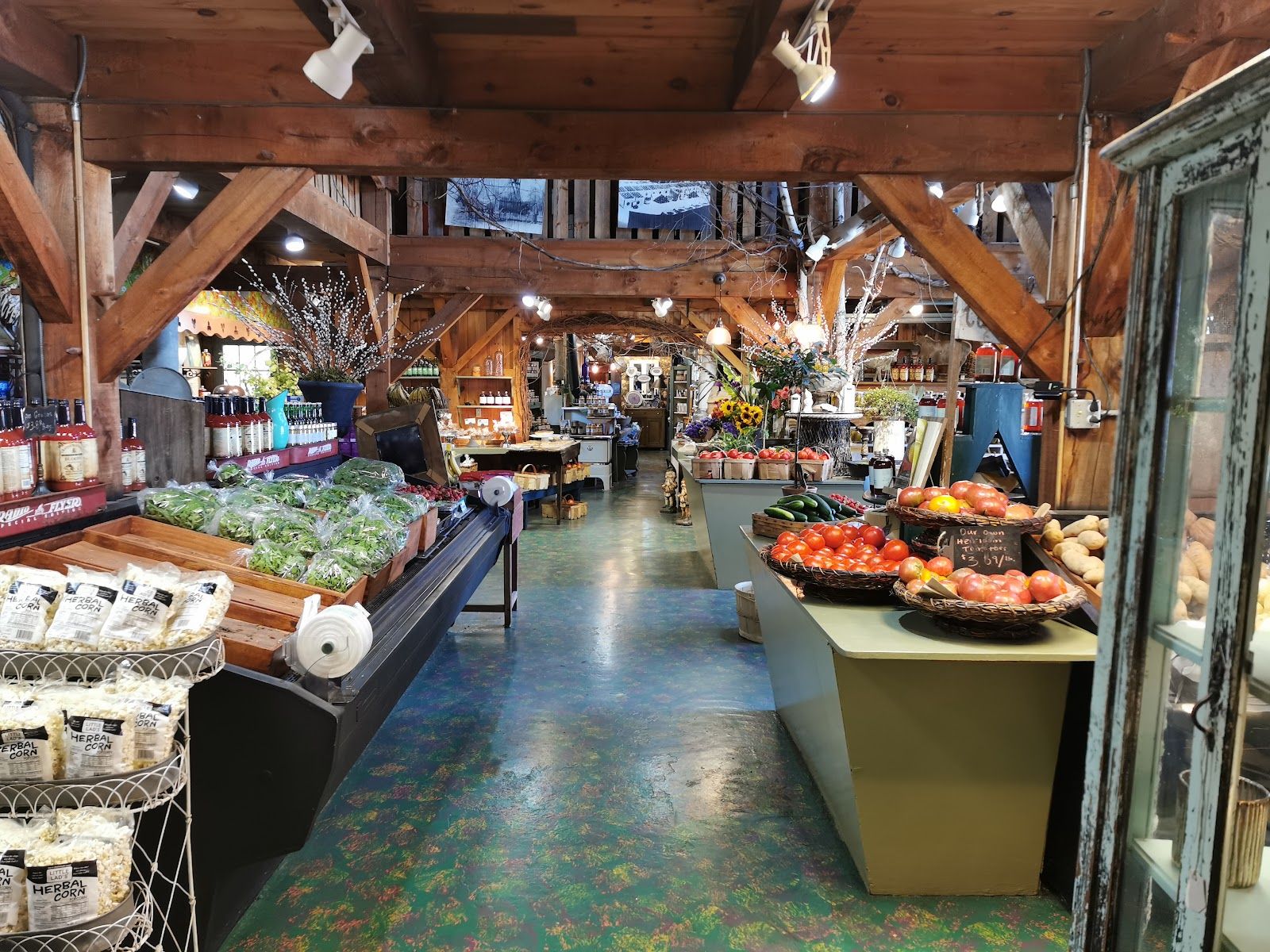
Photo: Brookdale Fruit Farm, Google Maps contributor at Brookdale Fruit Farm.
Daily Care and Monitoring
Consistent, attentive care is the secret to extending your tree's life well into the new year. It's a living plant, and it requires ongoing nurturing. A simple, daily routine will ensure your tree remains a festive centerpiece.
The Daily Water Check
This is the single most important maintenance task: check the water level in your tree stand daily, and refill it as needed. A fresh tree can absorb a surprising amount of water, especially in the first few days. Never let the water level drop below the base of the trunk; if it does, a seal of sap can form, preventing further water uptake, and the tree will begin to dry out irreversibly. Think of it like watering a large, thirsty plant. You can also add commercial tree preservatives to the water, though plain water is usually sufficient if regularly replenished.
Monitoring for Needle Retention and Hydration
Periodically throughout the holiday season, perform the same needle test you did at the farm. Gently pull on a branch; excessive needle drop indicates your tree is drying out. Also, observe the color and pliability of the needles; if they start to feel brittle or appear dull, it's a sign of dehydration. Adjusting the room temperature slightly lower, if possible, can help. Some enthusiasts even mist the needles with water daily, though this is less critical than maintaining the water in the stand.
Post-Holiday Tree Disposal
Once your tree has served its purpose and the needles begin to drop more frequently, it's time to responsibly dispose of it. Planning for disposal ahead of time can make the process smoother. Many communities offer specific programs for recycling Christmas trees.
Eco-Friendly Tree Recycling Options
Don't just toss your tree in the trash; Christmas trees are biodegradable and can be repurposed. Many municipalities offer curbside pickup or designated drop-off locations for tree recycling, often turning them into mulch for parks and gardens. Some organizations use old trees for habitat restoration in lakes or coastal areas. Check with your local waste management services for specific instructions; finding a local tree recycling program is an excellent way to give your tree a second life. Always remove all ornaments, tinsel, and lights before recycling.
Final Thoughts on Your Tree's Journey
The tradition of a real Christmas tree is deeply cherished by many families, creating memories that last a lifetime. By selecting your tree at the optimal time, carefully considering its species, and committing to diligent daily care, you can ensure your beautiful, fragrant centerpiece remains fresh and vibrant not just for Christmas Day, but right through New Year's and sometimes even beyond. This careful approach respects the life of the tree and enriches your holiday experience, making that trip to the farm truly worthwhile. A well-chosen and cared-for tree will bring joy throughout the season; for further reading on the industry, you can visit the National Christmas Tree Association.
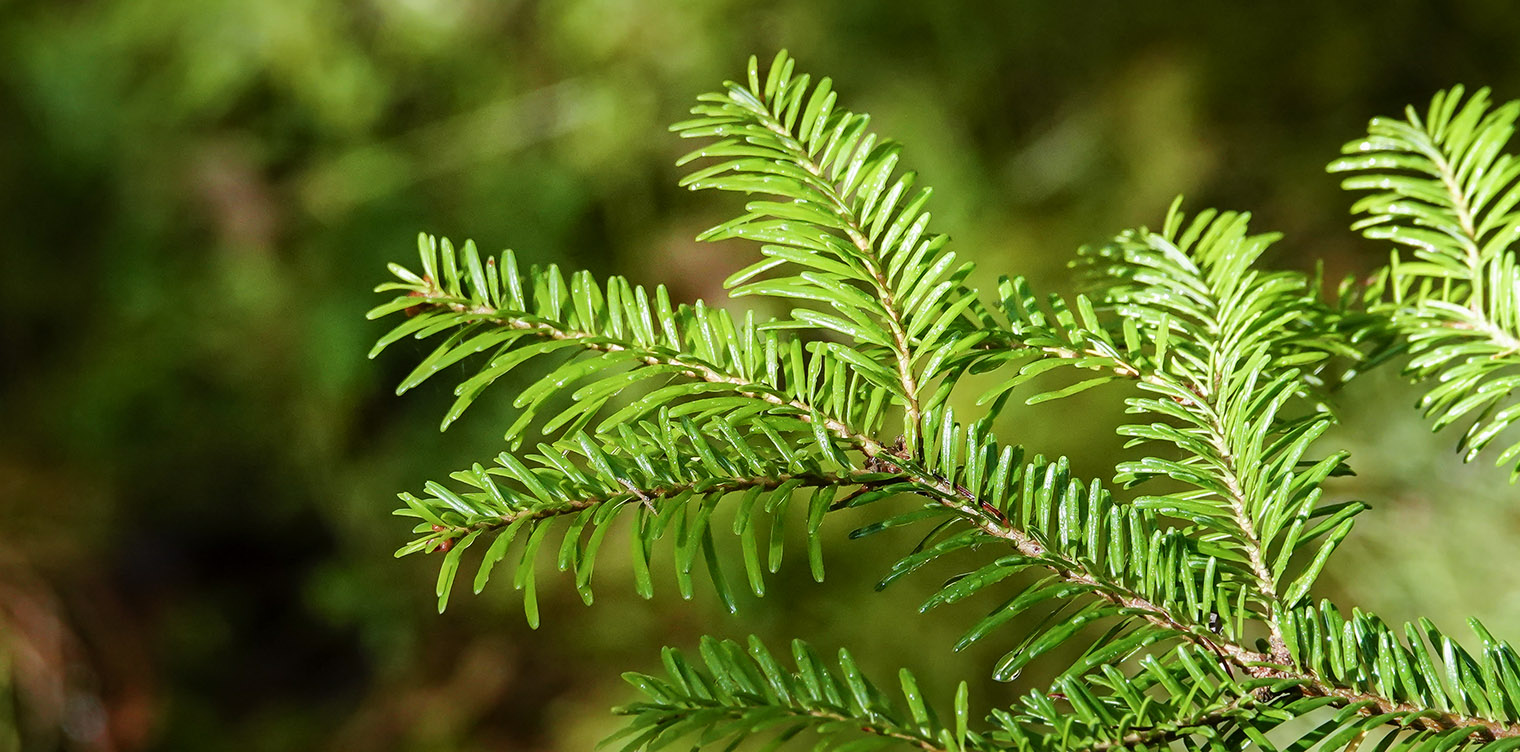
Photo: Brookdale Fruit Farm, Google Maps contributor at the Adirondack Mountains.
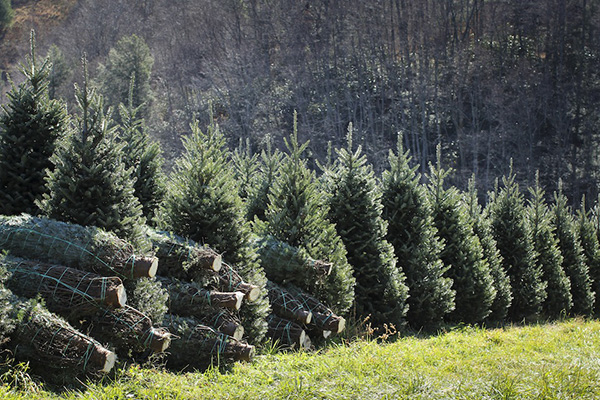
Photo: Brookdale Fruit Farm, Google Maps contributor at a North Carolina Fraser fir farm.