The Cherished Tradition of Wreath Making at Family Tree Farms
Published July 17, 2026 · By Christmas Tree Farm Finder
The Scent of Tradition: Wreath Making at Family Tree Farms
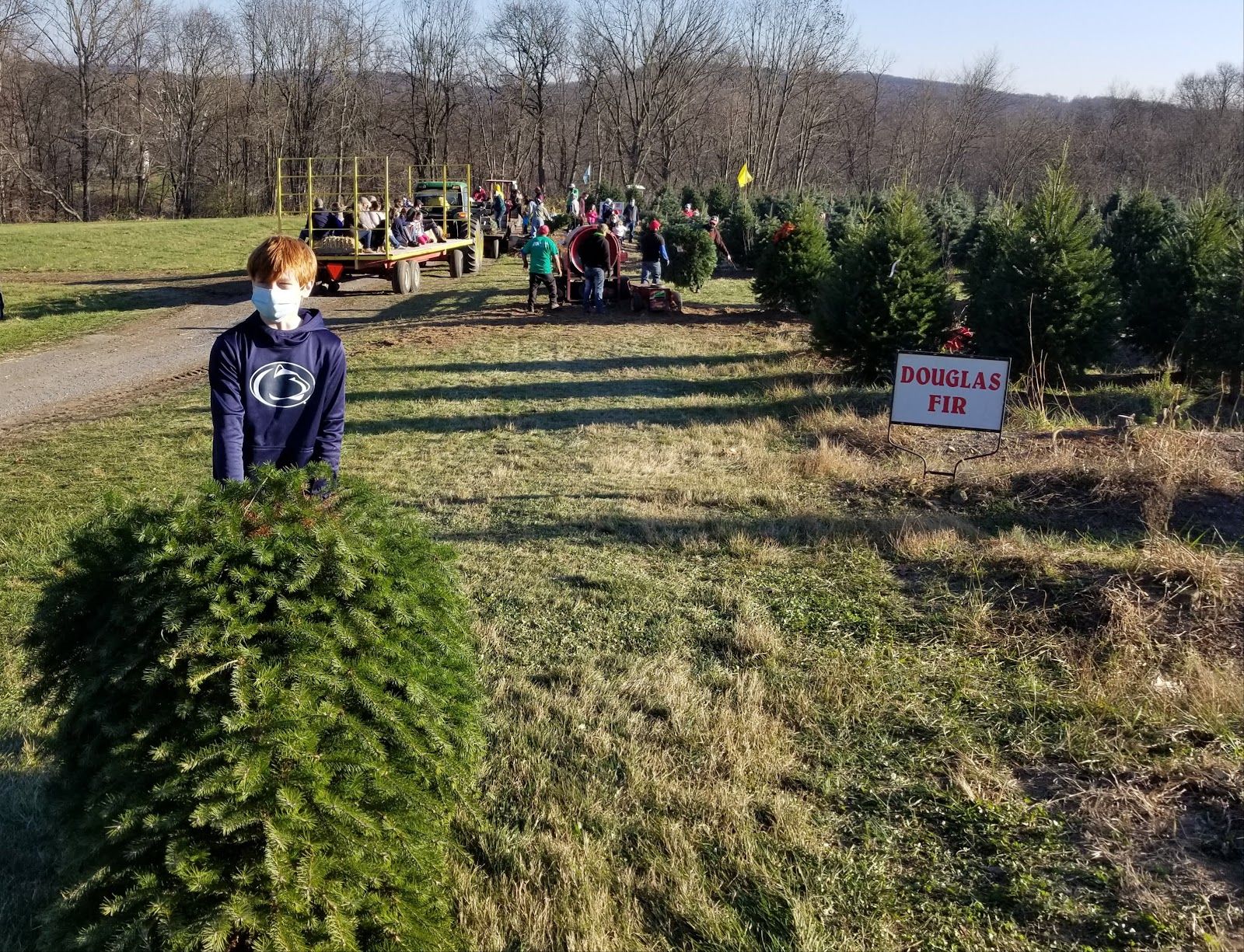
Photo: The Wreath Works, Google Maps contributor at McCurdys Tree Farm and Landscaping.
The chill in the air, the crunch of frozen grass underfoot, the rhythmic thunk, thunk, thunk of an axe felling a pine; these are the sensory hallmarks of a Christmas tree farm in late November. But beyond the majestic evergreen, another aroma wafts through the crisp air, a scent less sharp and more herbaceous: that of balsam fir, white pine, and cedar, twisted into verdant circlets. This is the scent of the Christmas wreath, and at family tree farms across the country, its creation is more than just a seasonal activity; it's a deeply rooted tradition, a craft handed down, and a testament to the ingenuity and perseverance of these small, community-focused businesses.
Wreath Making On A Family Tree Farm Begins Long Before The First Custo
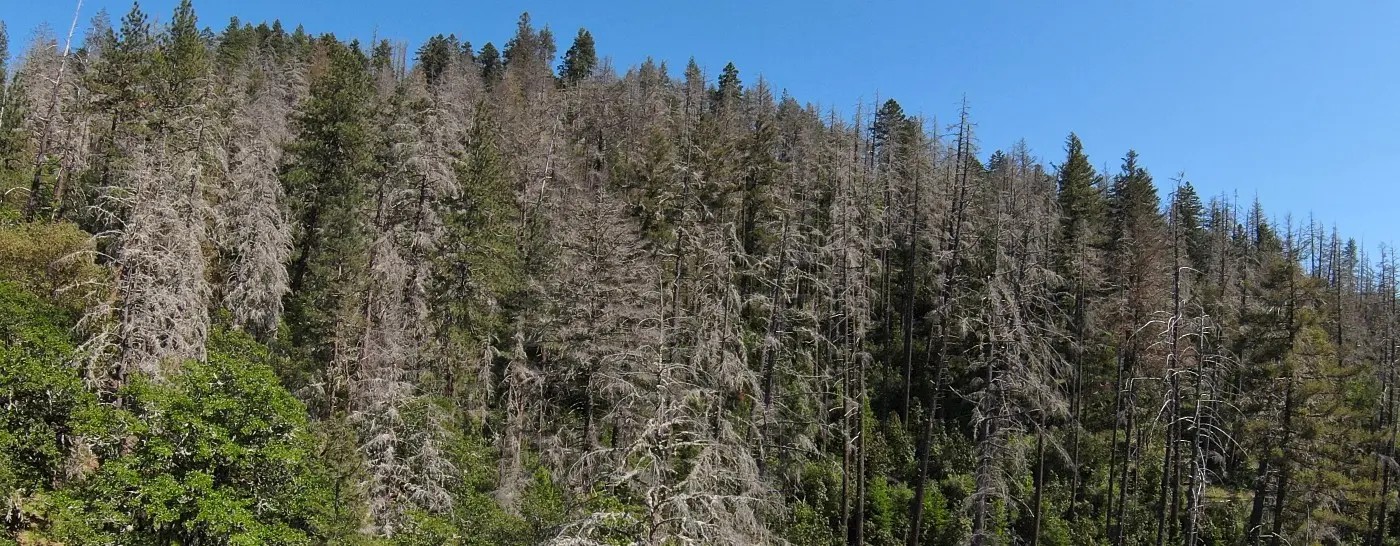
Wreath making on a family tree farm begins long before the first customer arrives, long before the first boughs are clipped. It starts with cultivation; with rows of carefully managed trees - balsam fir, Fraser fir, Douglas fir, and Scotch pine - thriving under watchful eyes. Each tree destined for a wreath, or a bough, must be healthy, its needles vibrant and pliable, its scent potent. Farmers meticulously prune, shape, and care for their evergreens, not just for the perfect Christmas tree, but for the perfect raw material. The foresight involved is considerable; a new planting might not yield boughs for several years, so the cycle of growth and harvest is a continuous, long-term commitment.
From Forest Floor to Wreath Shop Door: The Harvest
Around mid-October, sometimes earlier if the weather turns cold quickly, the harvest for wreath boughs truly begins. This isn't a haphazard affair; it's a practiced art. Farmers and their crews, often family members, venture into the groves, clippers in hand. They know which branches to take, which to leave, ensuring the tree's health and future growth. The goal is to collect branches that are fresh, full, and vibrant green. For a robust wreath, varied textures are often desired, so different types of evergreens are frequently gathered: the soft, feathery needles of white pine, the rich, deep green of balsam fir, the flat, fragrant sprays of cedar. Some farms even cultivate specialty evergreens like juniper or cypress for unique wreath accents.
The Collected Boughs Are Then Transported Back To The Farm's Workshop
The collected boughs are then transported back to the farm's workshop, a space that often smells like a combination of forest floor and woodstove smoke. This transition from open field to enclosed workspace marks a shift in pace; the brisk outdoor work gives way to a more methodical, almost meditative indoor process. Here, the boughs are sorted, bundled, and kept cool and moist to preserve their freshness. It is a critical step, as dried-out needles mean a brittle, unappealing wreath. Many farms use large bins, buckets, or even tarpaulins, sometimes misting the boughs with water to maintain their vitality.
The Craft of Ring and Wire: A Hand-Built Tradition
The heart of wreath making, for many family farms, lies in its handmade nature. While some larger operations might use automated machines for basic wreath frames, the true charm and character of a farm-made wreath come from human hands. This is where the local touch, the individual artistry, truly shines.
The Process Often Begins With Wire Frames Typically Round In A Variety
The process often begins with wire frames, typically round, in a variety of sizes. These frames, sturdy and reusable, provide the foundation. Then come the bundles of evergreens, carefully selected and often pre-cut into manageable lengths. The craftsperson, often seated at a workbench, will take small handfuls of evergreen sprigs, arranging them into small, fan-like groupings. These groupings are then secured to the wire frame using a specialized wreath-making machine, often foot-pedal operated, which wraps a continuous spool of thin wire tightly around the boughs and the frame. The rhythm is repetitive, almost hypnotic: arrange, press pedal, wrap, secure, repeat. Each grouping slightly overlaps the last, creating a lush, full appearance, hiding the wire frame beneath a cascade of greenery.
Many Farms Still Employ Simpler Methods Using Hand Wires Or Binding Wi
Many farms still employ simpler methods, using hand wires or binding with heavier gauge wire, especially for larger, more rustic wreaths or specialty shapes. This traditional method, though more labor-intensive, allows for greater flexibility in design and a truly homemade feel. It’s also often a communal effort; family members, friends, and even seasonal employees gather, sharing stories and laughter as they work, forging bonds as strong as the wire on the wreaths. The air fills not just with the scent of pine, but with the quiet hum of conversation, the occasional clink of wire, and the rustle of evergreens.
Embellishments and Personal Touches: Beyond the Greenery
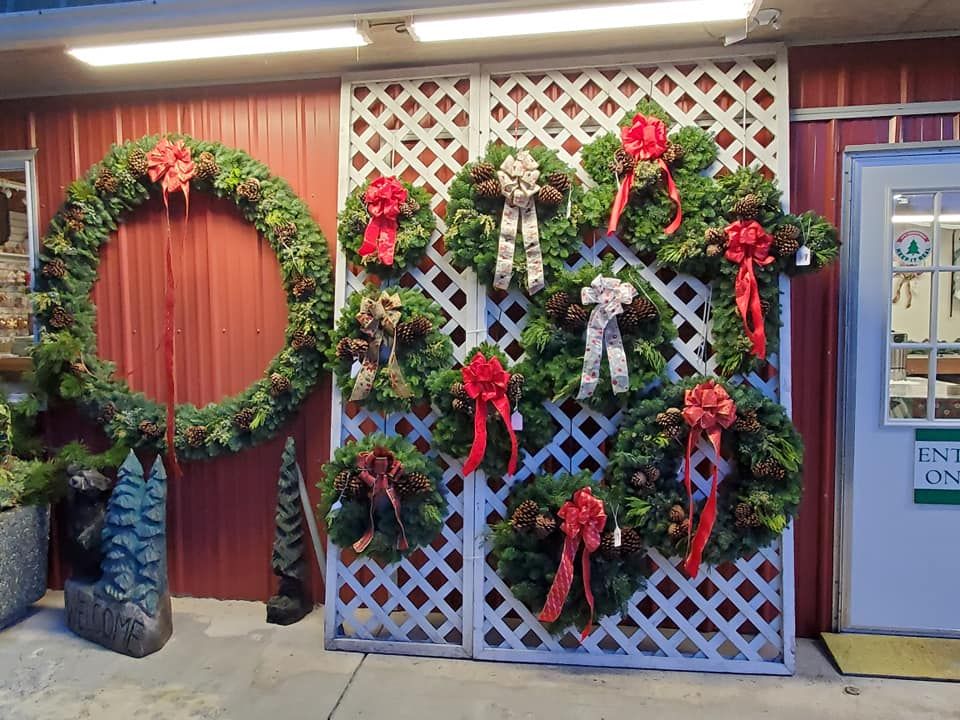
Once the basic wreath is crafted, the creative fun truly begins: embellishment. This is where the farm's unique style and local flavor come through. Some farms prefer a minimalist approach; a simple red velvet bow is all that’s needed to complete the classic look. Others embrace a more elaborate aesthetic, incorporating elements straight from their own land or local suppliers. Think of pinecones, gathered from the very trees surrounding the farm; dried berries, perhaps from their own fields; or even small sprigs of holly or magnolia leaves, offering a contrast in texture and color.
Bows Are Often Handmade Too From Spools Of Wide Ribbon In Traditional
Bows are often handmade too, from spools of wide ribbon in traditional Christmas reds, greens, and plaids. Learning to tie a perfect bow is a skill in itself, one passed down through generations. Some farms get even more creative, adding cinnamon sticks, dried orange slices, or clusters of artificial frosted berries. The goal is always to enhance, not overpower, the natural beauty of the evergreens. Each embellishment is carefully wired or hot-glued into place, ensuring it withstands the elements and remains beautiful throughout the holiday season.
A Legacy Woven with Wire and Bough
The story of wreath making at family tree farms is deeply intertwined with the story of these farms themselves. It’s an enterprise born of resourcefulness; using the trimmings and boughs that might otherwise go to waste to create a valuable, cherished product. It's also an economic backbone for many of these operations; the additional income from wreath sales can be crucial for sustaining the farm through leaner times or for making necessary improvements.
More Than Just A Business However It's A Continuation Of Tradition
More than just a business, however, it's a continuation of tradition. Many farmers recount learning to make wreaths at their grandparents' knees, the scent of balsam fir forever linked to childhood memories. They teach their own children, passing down not just a skill, but a connection to the land and to the rhythms of the season. For many, wreath making is a social event; friends and neighbors gather in warm workshops during cold autumn days, working together, sharing meals, and building community.
You Purchase A Wreath From A Family Tree Farm You Re Not Just Buying A
When you purchase a wreath from a family tree farm, you’re not just buying a door decoration; you’re buying into this legacy. You’re supporting a local business, often a multi-generational one, that pours its heart and soul into cultivating and crafting these symbols of welcome and festivity. You’re also bringing a piece of that farm, a piece of the natural world, and a piece of that enduring tradition into your own home. The scent of that wreath, as it greets you each time you approach your door, is a testament to the hands that made it, the trees it came from, and the history it carries.
So The Next Time You Hang A Fragrant Evergreen Wreath On Your Door Tak
So, the next time you hang a fragrant evergreen wreath on your door, take a moment to consider its journey. From the sun-drenched fields where the trees grew, to the skilled hands that cut and shaped its boughs, to the careful artistry of its decoration, each wreath tells a story. It's a story of hard work, dedication, and a deep love for the land and the holiday season; a story kept alive and vibrant by family tree farms, one beautiful, hand-crafted wreath at a time.
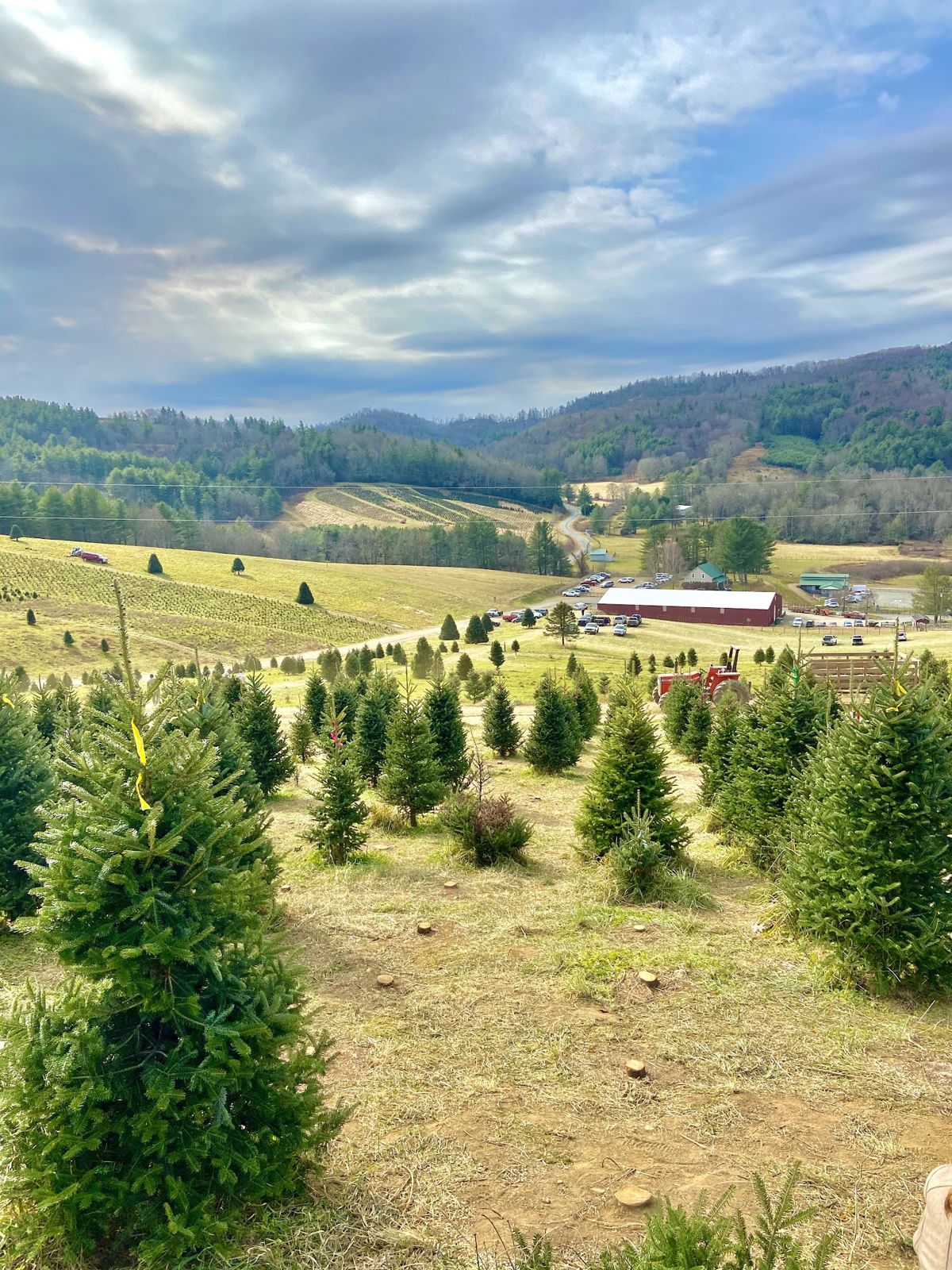
Photo: The Wreath Works, Google Maps contributor at Lil' Grandfather Choose and Cut.
Photo: The Wreath Works, Google Maps contributor at Lil Grandfather Choose and Cut.
Keep exploring
When you are ready to plan a visit, the season calendar shows what is open where, and the cut-your-own checklist walks through what to bring. If you are still deciding on a variety, the tree species guide compares needle retention, aroma, and branch strength. To find a grower this weekend, use farms near me or browse Christmas tree farms by state; after the holidays, the tree recycling page lists mulching and drop-off options. For industry-level background on growing regions, species trends, and care research, the National Christmas Tree Association publishes annual reports and consumer guidance.