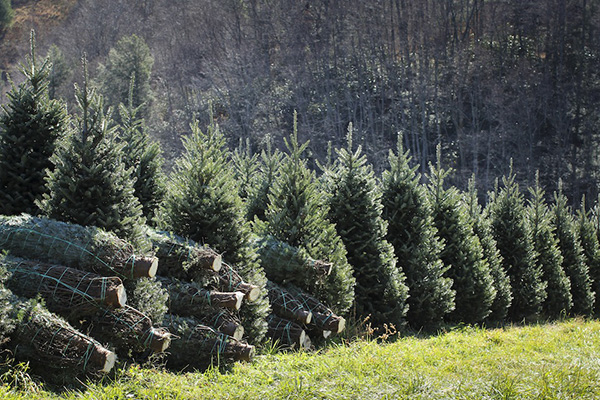
Balsam Fir vs. Douglas Fir vs. Scotch Pine: Choosing Your Christmas Tree
Published July 29, 2026 · By Christmas Tree Farm Finder
The crisp autumn air has a way of turning thoughts towards the holidays, and for many, that means the joyous search for the perfect Christmas tree. Walking through rows of fragrant conifers, it is easy to feel overwhelmed by the sheer variety; each species offers its own unique charm and set of characteristics. This guide will help you navigate the choices, focusing on three of the most popular options: Balsam fir, Douglas fir, and Scotch pine, ensuring your living room finds its ideal evergreen centerpiece.
The Enduring Appeal of the Balsam Fir
The Balsam fir, with its classic conical shape and deep green needles, is often the image that comes to mind when you think of a traditional Christmas tree. Its needles are short, soft, and flat, making them pleasant to touch and easy to handle when decorating. This species boasts an incredibly strong, fresh evergreen scent that can permeate your entire home, truly signaling the start of the festive season.
Needle Retention of the Balsam Fir
One of the Balsam fir’s most celebrated qualities is its excellent needle retention. Properly cared for, a Balsam fir will hold onto its needles well past Christmas, minimizing cleanup and extending your enjoyment. This characteristic is particularly important for families who like to put their tree up early in the Advent season.

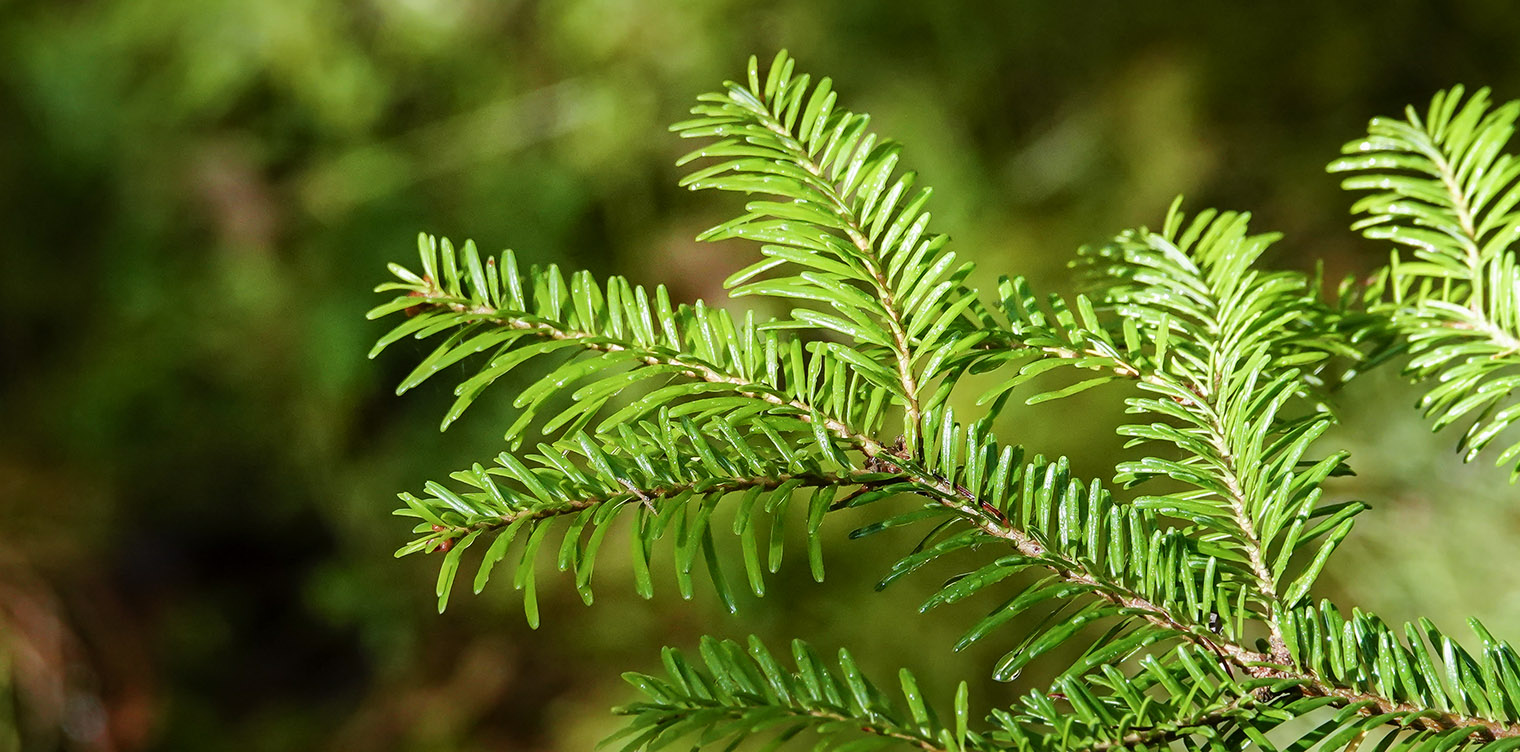
Photo: Oregon State University, Google Maps contributor at Pacific Northwest Douglas fir forest.
Balsam Fir Branch Strength for Ornaments
Beyond its scent and needle retention, the Balsam fir offers strong, stiff branches capable of supporting a good amount of ornamentation. From delicate glass baubles to heavier, handcrafted keepsakes, its sturdy structure ensures your cherished decorations are displayed securely. This makes it an ideal choice if your ornament collection is extensive.
The Douglas Fir's Graceful Presence
The Douglas fir, despite its common name, is not a true fir but rather a member of the pine family. It is nevertheless a beloved Christmas tree for its beautiful form and dense foliage. Its needles are soft, approximately one to one and a half inches long, and radiate around the branch, creating a full and lush appearance.
Douglas Fir Scent and Texture
While not as intensely fragrant as the Balsam fir, the Douglas fir still offers a pleasant, mild aroma that many find appealing. Its needles, though soft to the touch, are quite durable; they have a slightly bluish-green hue on top with two white bands on the underside, adding visual depth. This tree presents a gentler profile, often appearing more elegant.
Branch Structure and Decorating with Douglas Fir
The branches of a Douglas fir are relatively flexible and can be a joy to decorate. They may not hold the heaviest ornaments as rigidly as a Balsam fir, but their natural droop and spacing allow for a graceful display of lights and medium-weight decorations. This flexibility also makes it easier to weave garland through its boughs. For a broader look at various species, you can browse Christmas tree farms by state and see what's available in your region.
The Robust Charm of the Scotch Pine
The Scotch pine, also known as Scots pine, stands apart from the firs with its distinctive long, stiff needles and robust character. Its needles are typically two to four inches long, growing in bundles of two, and are a vibrant green, sometimes with a slight blue-green cast. This species is famous for its incredible durability.
Scotch Pine Needle Retention and Durability
Perhaps the strongest selling point of the Scotch pine is its absolutely superior needle retention; it holds onto its needles longer than almost any other Christmas tree, often for weeks after other trees have begun to dry out. Also, its needles are quite tough and difficult to dislodge, meaning less mess throughout the season. This makes the Scotch pine a low-maintenance option for busy households.
Scotch Pine Branch Strength and Unique Shape
The branches of a Scotch pine are exceptionally strong and rigid, making them ideal for supporting heavier ornaments and strands of lights without sagging. While younger trees often have a classic conical shape, mature Scotch pines can develop a more irregular, picturesque form, offering a unique aesthetic. Their open branch structure also provides ample space for larger decorations to hang without being obscured. If you're planning your visit to a farm, check out our season calendar to know when the best time to go is.
Factors Influencing Your Decision
Choosing the right tree extends beyond just species; several practical considerations should also guide your selection. Measuring your space, understanding care requirements, and knowing where to source your tree are all crucial steps in finding your perfect holiday centerpiece. An excellent resource for general tree care and selection tips is the National Christmas Tree Association.
Room Dimensions and Tree Size
Before heading out to a farm, measure the height of your ceiling and the available width in your living room. Remember to account for the tree stand and any tree topper. Buying a tree that is too tall or too wide can quickly turn a joyful experience into a logistical headache. A slightly smaller tree that fits well will always look better than a large tree crammed into a small space.
Tree Care and Longevity
Regardless of the species you choose, proper care is paramount for needle retention and overall freshness. Always make a fresh cut across the trunk when you bring the tree home, exposing new wood for water absorption. Keep the water reservoir full; a thirsty tree will drop its needles quickly. Positioning your tree away from heat sources like radiators or fireplaces will also significantly extend its life. For first-timers, our cut-your-own checklist offers helpful advice.
Sourcing Your Christmas Tree
Visiting a local Christmas tree farm offers a unique family experience; you can walk the fields, smell the fresh evergreens, and often cut your own tree. This direct-from-the-farm approach usually ensures the freshest possible tree, as it has not been in transit or storage. Many farms offer a variety of species, allowing you to compare Balsam fir, Douglas fir, and Scotch pine side by side.
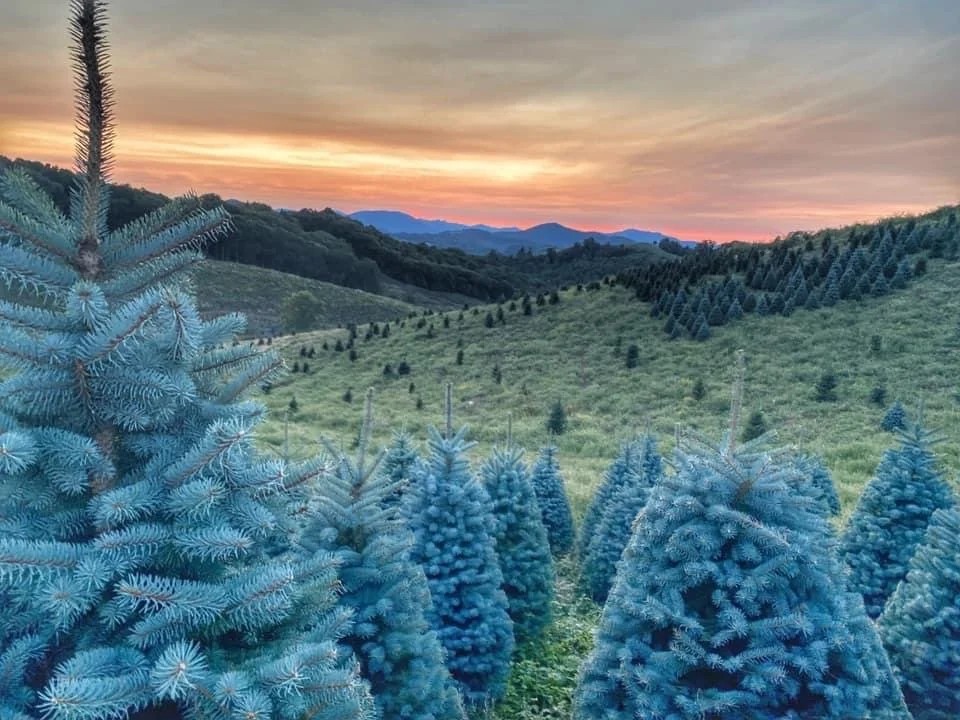
Photo: Mile High Tree Farm, Google Maps contributor at Mile High Tree Farm.
Local Availability and Pricing
The availability of specific tree species will vary depending on your geographic location. While Scotch pine is widely grown across the US, Balsam fir is more commonly found in cooler, northern climates, and Douglas fir is prevalent in the Pacific Northwest. Local tree farms will often specialize in species that thrive in their particular region, impacting both availability and price. Checking local farm directories can guide you; our tree species guide can help you identify what's common in your area.
The Importance of Freshness
A fresh tree is a happy tree, and that directly translates to better needle retention, a stronger scent, and a more vibrant appearance. When selecting a tree, gently pull on a branch; needles should not fall off easily. The tree should feel heavy for its size, indicating good moisture content. Look for pliable needles and a healthy green color.
Post-Holiday Tree Disposal
Once the holidays have passed, responsible disposal of your real Christmas tree is an important final step. Many communities offer curbside pickup or designated drop-off points for tree recycling. These trees are often chipped for mulch or used for habitat restoration, returning valuable nutrients to the earth. Learn more about eco-friendly options on our tree recycling page.
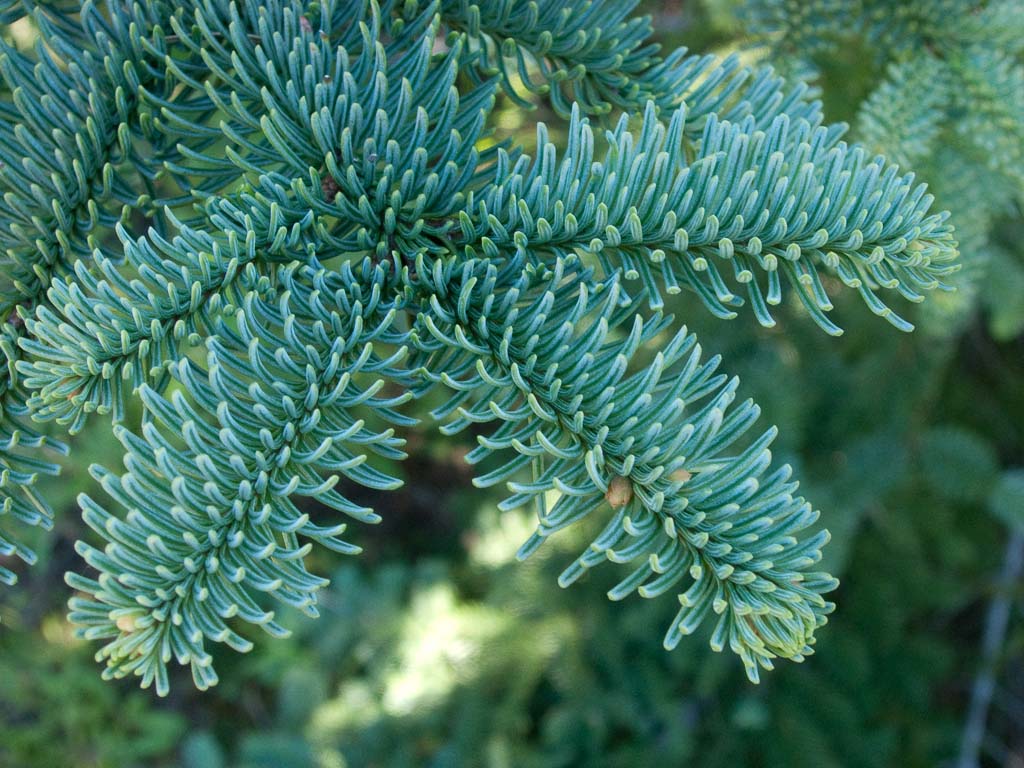
Photo: The Gymnosperm Database, Google Maps contributor at Pacific Northwest noble fir.
Making Your Final Selection
Ultimately, the best Christmas tree for your living room is a deeply personal choice, balancing aesthetics, aroma, needle retention, and branch strength against your family's traditions and decorating style. Whether you lean towards the classic fragrance of a Balsam fir, the graceful elegance of a Douglas fir, or the enduring resilience of a Scotch pine, each offers its own special magic to the holiday season. Visiting a farm, taking your time, and even getting a little pine sap on your gloves are all part of the joyous journey towards finding that perfect tree.