Top Christmas Tree Species for Warm US States
Published August 3, 2026 · By Christmas Tree Farm Finder
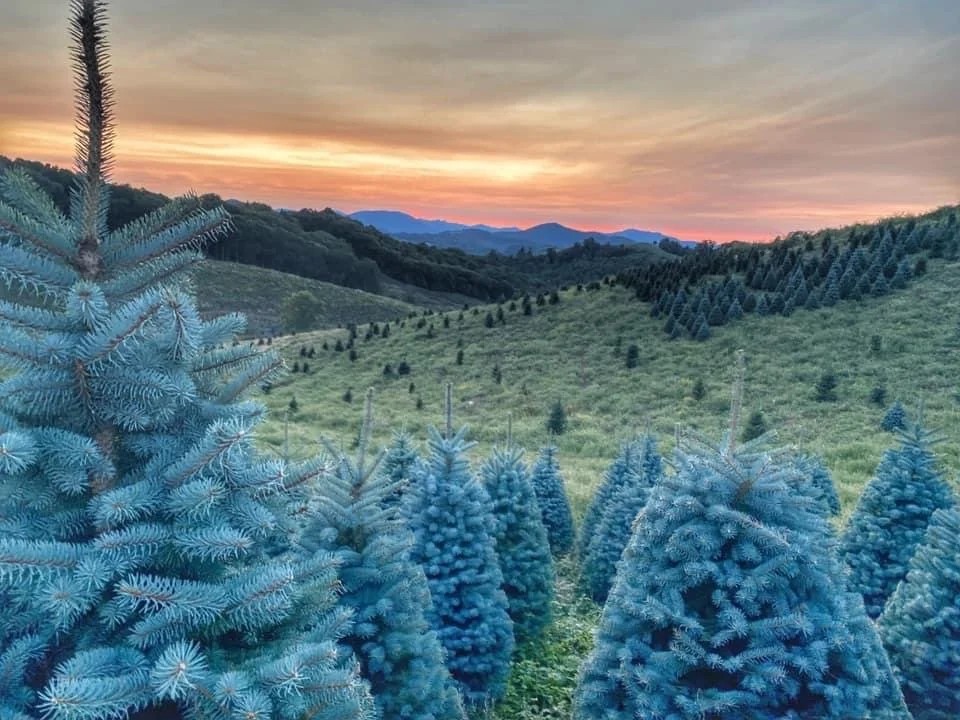
The scent of pine in the crisp air; the crunch of needles underfoot; these are quintessential parts of the Christmas tree farm experience for many. But what if your "crisp air" is actually a humid 70 degrees, and your "needles underfoot" are more likely to be palm fronds? Growing Christmas trees in warm-climate states presents a unique set of challenges, demanding species that can withstand higher temperatures, tolerate varied soil conditions, and still deliver that classic holiday charm.
The Unique Demands of Warm Climates
Traditional Christmas tree favorites, like Fraser fir or Balsam fir, thrive in cooler, northern climates; they prefer cold winters and moderate summers. Southern states, however, often experience mild winters and long, hot summers, which can be detrimental to these cold-loving evergreens. Farmers in these regions must select species that are not only heat-tolerant but also resistant to pests and diseases that flourish in warmer, more humid environments. It is a nuanced balance between aesthetics and agricultural resilience.
Prioritizing Heat and Drought Tolerance
The primary concern for warm-climate Christmas tree growers is selecting varieties that can endure prolonged periods of high temperatures and, frequently, drought conditions. Many classic Christmas trees simply cannot handle the stress of continuous heat, leading to needle drop, stunted growth, or even death. Drought tolerance is equally crucial, as irrigation can be costly and water restrictions are common in some southern areas.
Understanding Soil and Humidity Factors
Beyond temperature, soil composition and humidity play significant roles in a tree's success. Some species prefer acidic, well-drained soils, while others can adapt to heavier, more alkaline conditions. High humidity, while sometimes beneficial for growth, can also create an environment ripe for fungal diseases, so selecting disease-resistant varieties is paramount. Farmers often conduct soil tests to determine the best fit for their land.
The Eastern Red Cedar: A Southern Stalwart
One of the most reliable and iconic choices for southern Christmas tree farms is the Eastern Red Cedar (Juniperus virginiana). This native evergreen thrives across a wide range of warm climates, from the Atlantic coast to the Great Plains. It is incredibly drought-tolerant and adaptable to various soil types, making it a low-maintenance option for many growers.
Characteristics of Eastern Red Cedar
Eastern Red Cedar boasts dense, dark-green foliage that can sometimes have a purplish tint in winter. Its needles are short and prickly, giving it a sturdy, rustic appearance. While not as fragrant as some firs, it offers a pleasant, earthy cedar scent. Many people appreciate its ability to hold ornaments well due to its stiff branches.
Managing Eastern Red Cedar for Christmas Trees
To achieve that classic Christmas tree shape, Eastern Red Cedars require diligent shearing from a young age. Without proper shaping, they can grow quite scraggly and open. Their rapid growth means they reach a marketable size relatively quickly, a bonus for farmers. You can find many farms growing these hardy trees when you browse Christmas tree farms by state.
Leyland Cypress: The Fast-Growing Favorite
The Leyland Cypress (Cupressus × leylandii) is a hybrid cypress that has become incredibly popular in warm-climate Christmas tree farming, particularly in the Southeast. It is known for its exceptionally fast growth rate and dense, soft foliage, making it an attractive option for both growers and consumers.
Leyland Cypress Foliage and Scent
Leyland Cypress trees feature soft, feathery, dark-green needles that are pleasant to the touch, making decorating easy. Unlike some of the stronger-scented conifers, Leyland Cypress has a milder, fresh, and slightly citrusy aroma, which is appealing to those sensitive to stronger pine smells. Its symmetrical, conical shape often requires less intensive shearing than other species.
Growing Leyland Cypress Successfully
These trees prefer full sun and well-drained soil; they can tolerate a variety of soil types, including sandy and clay soils. While they are relatively drought-tolerant once established, consistent watering during dry spells, especially when young, promotes optimal growth. Their fast growth means a quicker turnaround for farmers, often reaching a marketable height in just 3-5 years.
Carolina Sapphire Cypress: A Unique Blue-Green Option
For those seeking something a bit different, the Carolina Sapphire Cypress (Cupressus glabra 'Carolina Sapphire') offers a stunning alternative. This cultivar of Arizona Cypress is revered for its striking powdery blue-green foliage and distinctive aroma. It's a fantastic choice for areas that need heat and drought resistance.
The Distinctive Look of Carolina Sapphire
The Carolina Sapphire stands out with its ethereal, silvery-blue needles that often have a frosted appearance. Its feathery texture and pleasing, conical shape make it a beautiful centerpiece for holiday decorations. The branches are also quite strong, capable of holding a good number of ornaments.
Scent and Growing Conditions for Carolina Sapphire
Carolina Sapphire emits a wonderfully strong, fresh, and slightly lemon-like fragrance, which many find invigorating. It thrives in full sun and requires well-drained soil; it is highly drought-tolerant once established. While generally hardy, it can be susceptible to root rot in poorly drained, waterlogged conditions, so proper site selection is key.
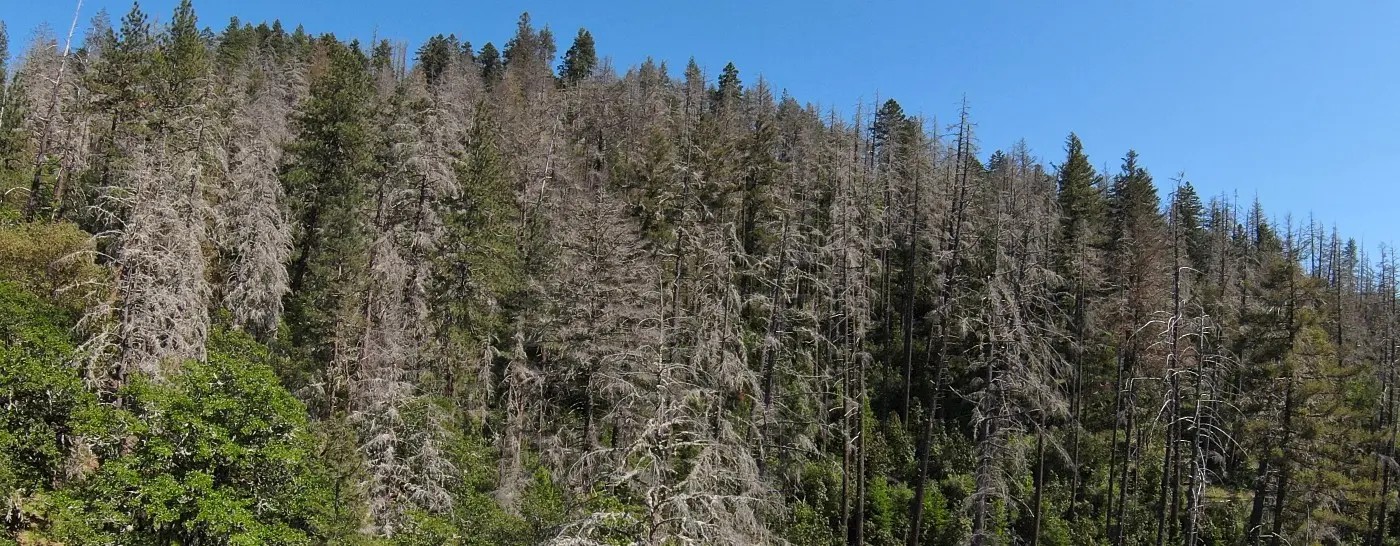
Photo: Oregon State University, Google Maps contributor at Pacific Northwest Douglas fir forest.
Virginia Pine: A Resilient Native
The Virginia Pine (Pinus virginiana) is another excellent native option for southern Christmas tree farms, especially in the Mid-Atlantic and Southeastern states. It is a tough, adaptable tree that performs well in a variety of challenging conditions. This species has been a staple in southern forestry for decades.
Characteristics of Virginia Pine
Virginia Pine needles are short, twisted, and grow in bundles of two, giving the tree a somewhat dense appearance. The foliage color is typically a medium to dark green. While it might not have the perfectly conical shape of some cultivated firs, it offers a rustic charm that many customers appreciate. Its branches are sturdy enough for ornaments.
Managing Virginia Pine for Shape
Like the Eastern Red Cedar, Virginia Pine benefits significantly from regular shearing to achieve a desirable Christmas tree form. Without it, the tree can grow quite open and irregular. It is extremely tolerant of poor, dry, and acidic soils, making it suitable for less-than-ideal growing sites. Its ability to thrive where other trees struggle makes it a valuable asset for warm-climate growers.
Murray Cypress: A Leyland Alternative
The Murray Cypress (Xanthocyparis nootkatensis ‘Murray’) is a selection of Nootka Cypress that offers similar advantages to the Leyland Cypress, and some growers prefer it for specific characteristics. It is another excellent choice for warm climates due to its heat tolerance and vigorous growth.
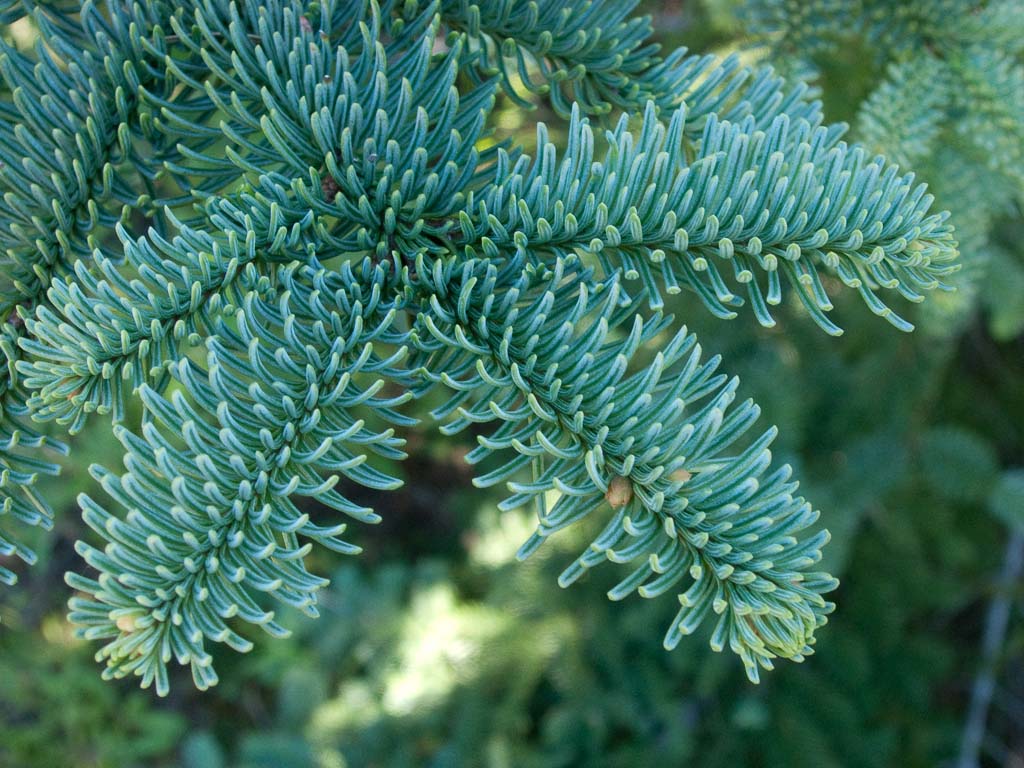
Photo: The Gymnosperm Database, Google Maps contributor at Pacific Northwest noble fir.
Murray Cypress vs. Leyland Cypress
While visually similar to Leyland Cypress, Murray Cypress often exhibits better disease resistance, particularly to certain fungal issues common in humid environments. Its growth habit can be slightly more open than Leyland, which some growers find beneficial for air circulation. The foliage is a rich, dark green, and it also possesses that soft, feathery texture.
Cultivating Murray Cypress
Murray Cypress also boasts a fast growth rate, enabling a quick turnaround for farm operations. It prefers full sun and well-drained soil; good drainage is essential to prevent root problems. Many choose this variety for its consistent performance and relative resilience in the challenging growing conditions of the South.
Afghan Pine: For Arid and Hot Regions
For the most arid and hottest parts of the southern United States, particularly in the Southwest, the Afghan Pine (Pinus eldarica), also known as Eldarica Pine, stands out as an exceptional choice. This species is remarkably well-adapted to extreme heat and drought, making it suitable for regions where other pines would falter.
Afghan Pine Appearance and Scent
Afghan Pine features long, dark-green needles, usually in bundles of two, which give the tree a robust and somewhat rugged look. Its branches are strong and capable of supporting heavier ornaments. The fragrance is a classic, strong pine scent, bringing that traditional Christmas aroma to hot climates.
Growing Afghan Pine in Challenging Conditions
This pine is incredibly hardy and can tolerate a wide range of soil types, including sandy and rocky soils, as long as they are well-drained. Its drought resistance is unparalleled among Christmas tree species, requiring minimal irrigation once established. While it grows quickly, it may require careful shearing to achieve a dense, conical shape. If you’re preparing for your farm visit, be sure to check our cut-your-own checklist for helpful tips.
Finding Your Perfect Warm-Climate Tree
Choosing the right Christmas tree for your warm-climate farm or home involves balancing aesthetics with practicality. Each of these species offers distinct advantages, from the hardy Eastern Red Cedar to the unique Carolina Sapphire and the drought-defying Afghan Pine. Understanding their specific needs and characteristics will help you cultivate a beautiful and successful harvest. Remember to consult your local agricultural extension office or experienced growers for specific advice tailored to your microclimate; they can offer invaluable insights into local soil conditions and pest pressures. The National Christmas Tree Association also offers excellent resources for growers and consumers alike.
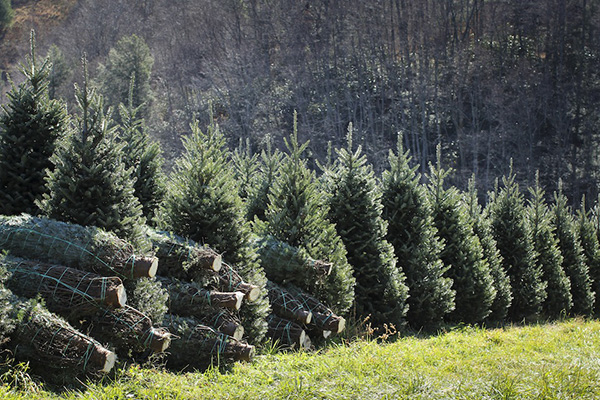
Photo: NC Christmas Tree Association, Google Maps contributor at a North Carolina Fraser fir farm.