Choose-and-Cut vs. Pre-Cut Christmas Trees: Honest Tradeoffs
Published October 24, 2026 · By Christmas Tree Farm Finder
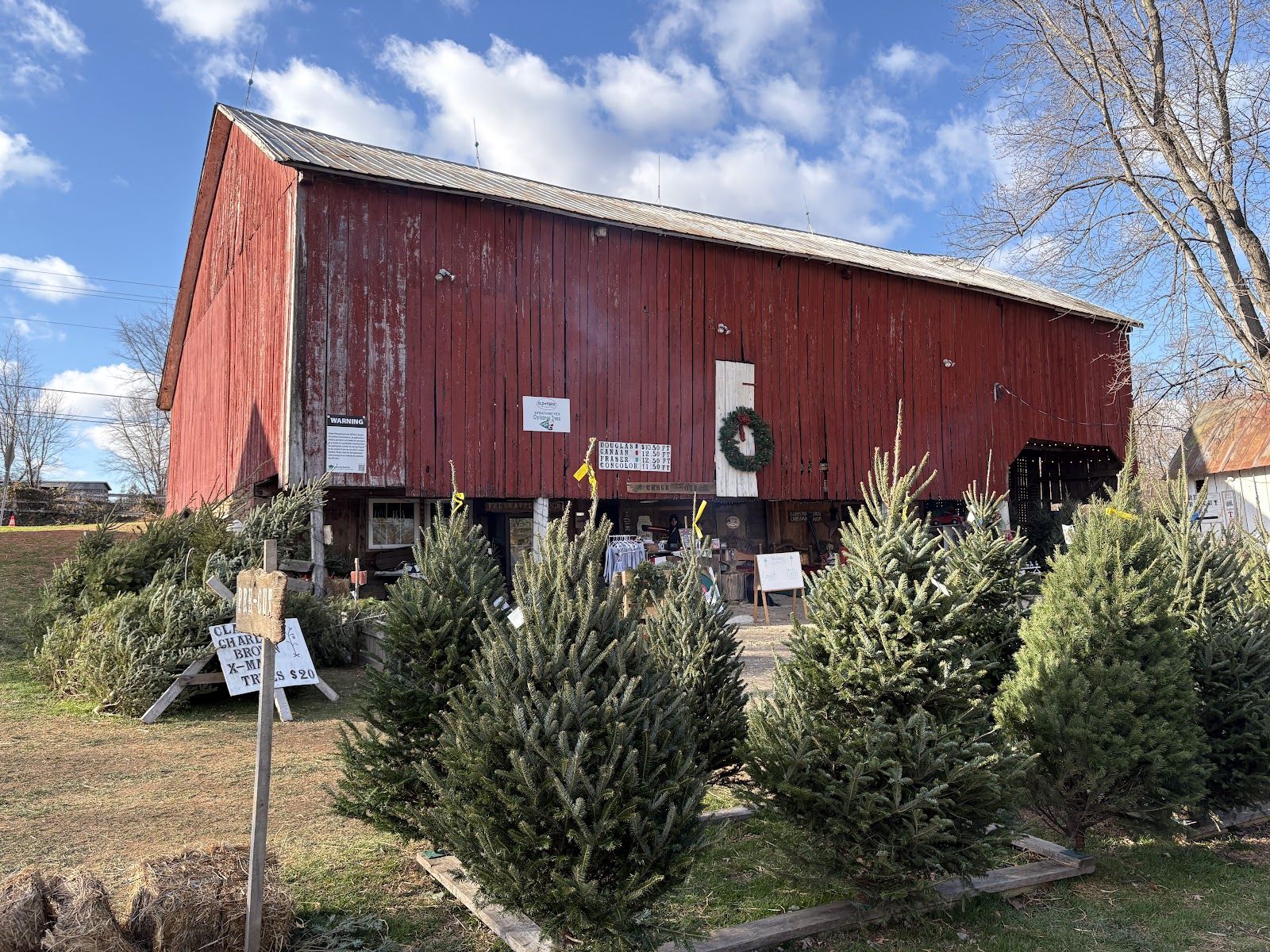
The smell of damp soil and cold pine needles settles deep into your coat after an hour of walking tree rows; it is an earthy fragrance you will never find in a grocery store parking lot. Yet staring down a stubborn trunk with a dull bow saw while freezing rain trickles down your collar brings sudden clarity. Deciding whether to saw your own evergreen or load a bundled fir from a pop-up lot is not merely a question of holiday spirit; it is an operational choice that shapes your weekend, your car upholstery and your living room floor.
The Reality of the Field Experience
Walking out onto a genuine plantation requires stouter footwear and thicker skin than browsing a paved garden center. You trade smooth asphalt for gopher holes, briars and hidden ruts; the physical exertion quickly warms you up on an overcast morning. It is an honest farm environment where nature dictates your pace.
The Romance Versus the Winter Weather
Holiday postcards always depict clear skies and gentle flurries, but the true harvest often involves driving sleet, raw wind and sticky clay. When the ground thaws unexpectedly, that picturesque field transforms into an ankle-deep mire that tries to claim your boots with every step. Families who arrive without waterproof gear usually cut their search short; they often settle for whatever crooked pine sits closest to the gravel road.
Navigating Farm Terrain and Equipment
Carrying a manual bow saw across forty acres of uneven ground demands stamina, especially when you are herding excited children and watching for hidden stumps. Dragging an eighty-pound green conifer back up a steep ridge tests your leg muscles; the needle friction against the sod creates surprising drag. Reviewing our cut-your-own checklist before leaving home prevents the classic mistake of arriving without work gloves, ratchet straps or knee pads.
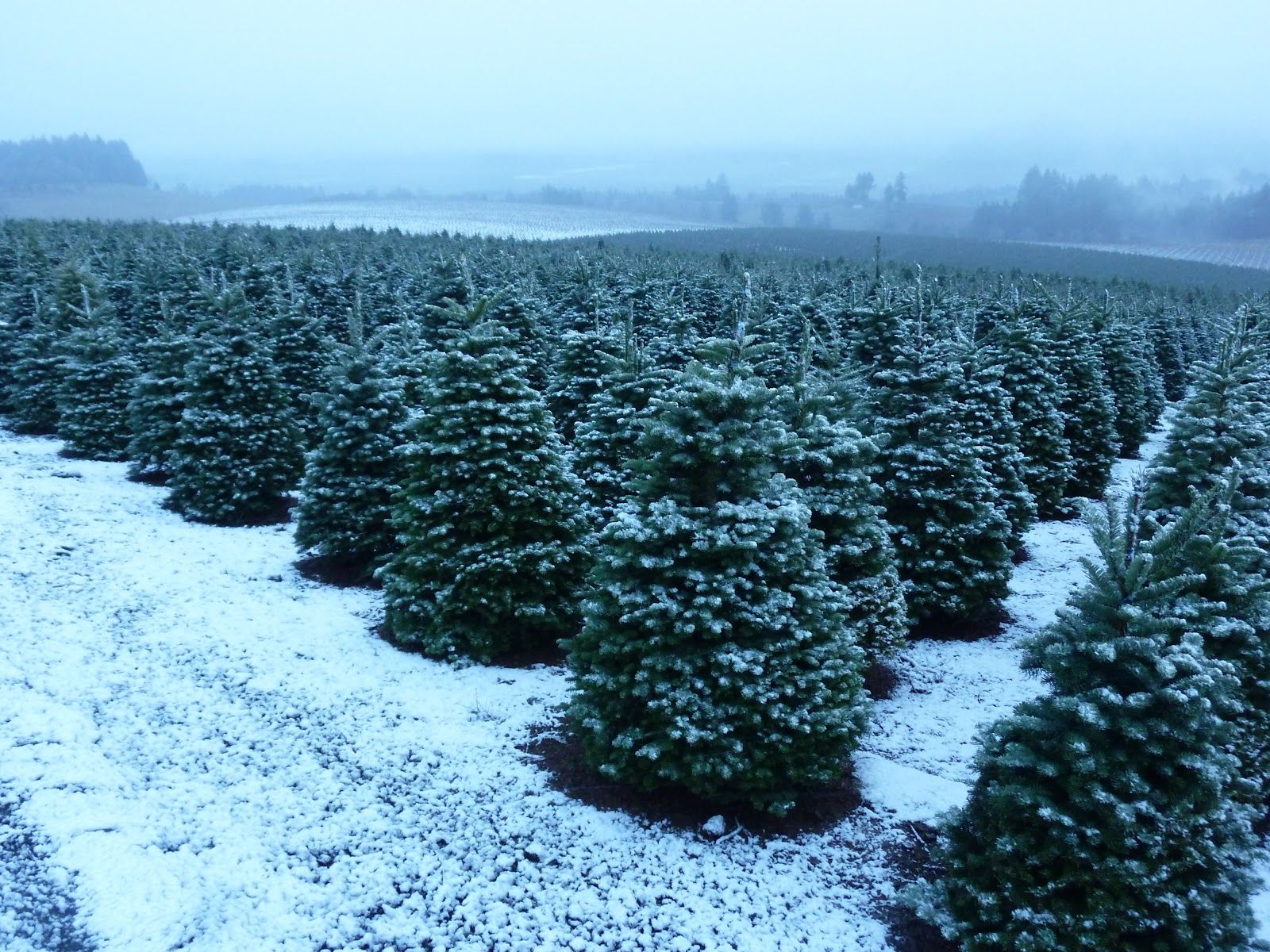
Photo: Noble Mountain Tree Farm- Wholesale Only, Google Maps contributor at Noble Mountain Tree Farm.
Freshness and Hydration Realities
Freshness remains the primary argument for field cutting, and the biological evidence firmly supports it. A living conifer contains gallons of water inside its vascular system right up to the second the blade bites through the bark. Once that connection to the root system is severed, an internal countdown begins that determines how long those branches remain supple indoors.
The Immediate Cellular Advantage of Field Cutting
When you fell a tree yourself, the vascular tissues remain entirely open to water absorption if you get the trunk into a stand before the sap hardens. The needles stay pliable for weeks because the cellular moisture was never depleted during dry highway transit. This direct line from stump to reservoir minimizes interior needle drop; your vacuum cleaner gets an extended holiday rest.
How Pre-Cut Inventory Actually Travels
Commercial retail trees undergo an industrial distribution journey that consumers rarely consider while picking through wooden corrals under string lights. Many of those specimens were cut in early November in places like North Carolina, Michigan or the Pacific Northwest. They are baled tightly, stacked on flatbeds and driven hundreds of miles through turbulent highway winds before reaching suburban blacktop.
Understanding Wholesale Transport Chains
According to data tracked by the National Christmas Tree Association, millions of farm-grown trees enter wholesale commercial channels every autumn to satisfy urban demand. While growers employ careful refrigeration and misting techniques to protect needle retention, stacked storage in dry shipping yards can take a toll. A tree that sat on a pallet for three weeks simply lacks the biological vigor of one felled twenty minutes ago.
The Fresh Cut Requirement at Home
Buying pre-cut stock does not doom you to an early pile of brown needles, provided you handle the base correctly. Exposure to air causes amber resin to seal the cut pores within a few hours; this natural healing process creates an impermeable barrier against water uptake. You must shear half an inch off the base before setting it into the water bowl; otherwise, the thirstiest fir will desiccate within days.
Time Investment and Family Logistics
Time remains the scarcest commodity of December, and the two harvesting methods demand wildly different investments of your weekend hours. A trip to a choose-and-cut operation is an intentional half-day excursion that consumes daylight and energy. In contrast, swinging by a neighborhood retailer can be checked off your errand list on a Tuesday evening after work.
Factoring the Travel Distance
Agricultural parcels large enough to support evergreen groves sit far beyond suburban subdivisions; you must account for an hour or more of highway driving each way. Finding farms requires mapping out country roads where cellular reception sometimes falters. Planning your route using our season calendar ensures the gates will actually be open when you arrive at the farm perimeter.
Timing the Peak Farm Windows
Arriving at a popular plantation on the first weekend of December often means waiting in long vehicle queues along county highways. Tractor-drawn hayrides back up quickly; the shaker lines and baling stations develop lengthy queues by midday. If you value peace and solitude among the pines, you must either show up at dawn on a Saturday or arrange a quiet Friday morning visit.

Photo: McCurdy's Tree Farm & Landscaping, Google Maps contributor at McCurdy's Tree Farm and Landscaping.
Species Selection and Regional Availability
Geography sets strict rules for what can thrive in the ground, and choose-and-cut visitors must bow to regional climate limitations. A tree farm can only offer you the specific varieties that tolerate local soil chemistry, summer humidity and winter hardiness zones. What grows well in the mountains may rot in coastal clay.
Soil and Climate Limits on Choose-and-Cut Farms
Southern choose-and-cut operations rely heavily on heat-tolerant species like Virginia pine, Leyland cypress and eastern redcedar because traditional northern firs cannot survive sweltering summers. If you walk these fields expecting a dense Fraser fir, you will encounter open branches and softer foliage instead. Our detailed tree species guide outlines which conifers dominate your home territory and how their branches support heavy glass ornaments.
The Pre-Cut Access to Non-Native Varieties
Retail lots liberate consumers from agricultural geography by importing montane evergreens straight into warm southern or western markets. Families living in Texas or Florida can easily buy a classic Fraser, Noble or Nordmann fir because wholesale supply networks ship them south in refrigerated reefers. Pre-cut lots provide aesthetic options that local weather patterns would otherwise forbid.
State-by-State Agricultural Differences
The tree-shopping landscape varies dramatically depending on whether you live in an evergreen powerhouse state or an arid western territory. Take time to browse Christmas tree farms by state to see whether your area supports sprawling cut-your-own plantations or relies primarily on distributed shipments. Knowing your regional agricultural footprint prevents wasted mileage and unmet expectations before the kids climb into the car.
Hidden Costs and Budget Tradeoffs
The sticker price written on the wooden tag tells only part of the financial story for either purchase method. Choosing your own tree incurs fuel expenses, farm admissions and the temptation of peripheral purchases like hot apple cider or handmade wreaths. Pre-cut lots charge premium prices for convenience; their overhead includes urban lot rental, commercial transport and temporary electric wiring.
Farm Pricing Structures and Field Surcharges
Growers have increasingly moved toward flat-rate field pricing or per-foot tier systems that reflect the high cost of seven to ten years of land stewardship. You are paying for the tractor rides, the tree-shaking machinery and the pastoral atmosphere alongside the timber itself; it represents entertainment spending alongside holiday home decor. Budget-minded shoppers should prepare for higher farm totals than simple supermarket display pricing.
Big Box Retail Versus Independent Lots
Mass retailers buy thousands of uniform evergreens on wholesale contracts, allowing them to undercut family farm pricing by significant margins. However, these discount trees frequently endure the longest storage windows and receive the least individual hydration care. Independent roadside stands split the difference by sourcing higher-grade specimens; their proprietors typically inspect and prune every trunk before display.
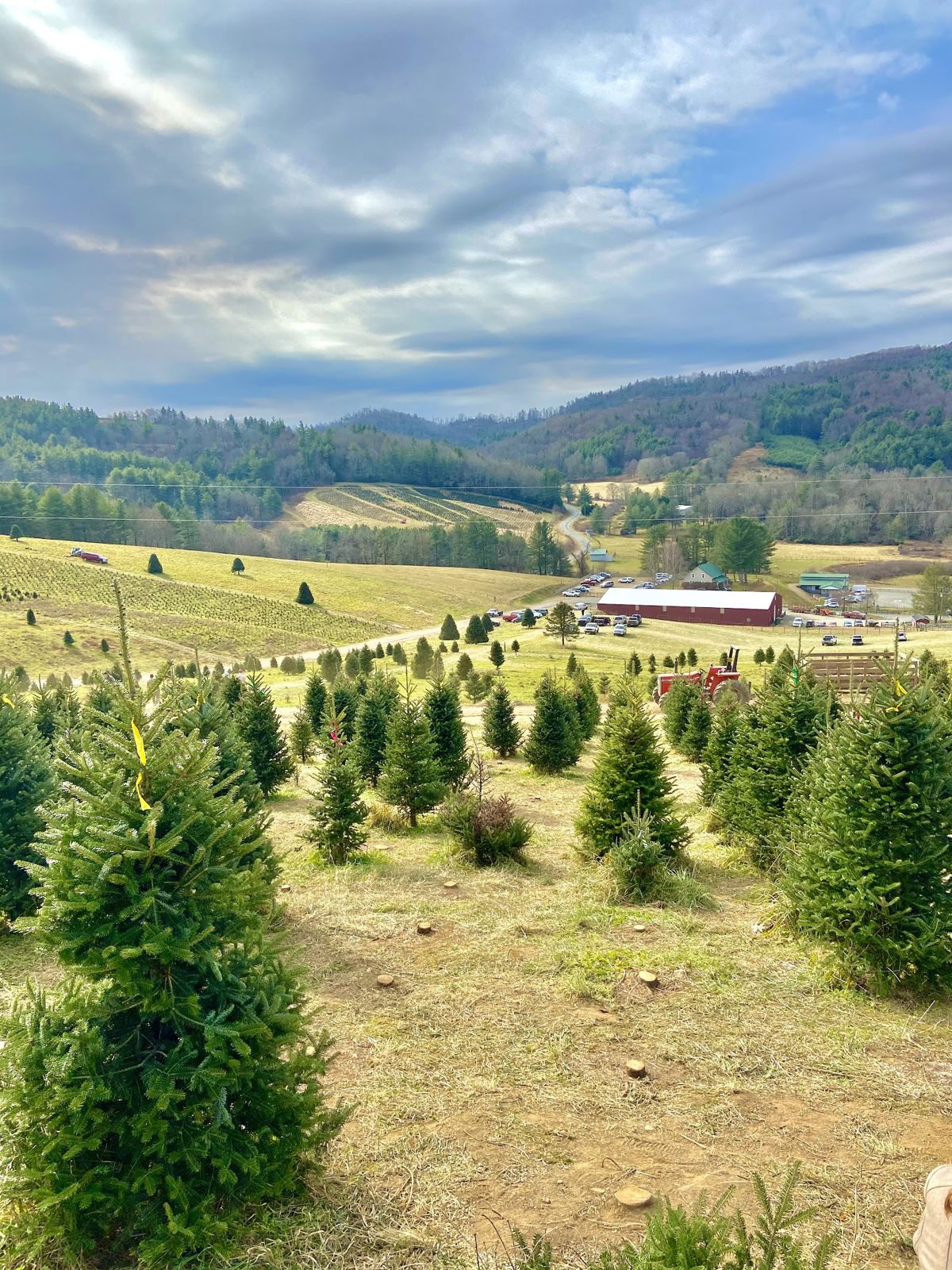
Photo: itsdylanc, Google Maps contributor at Lil' Grandfather Choose and Cut.
Post-Holiday Disposal and Environmental Footprint
Both procurement paths yield an organic, compostable evergreen that outclasses artificial polyvinyl chloride trees in ecological terms. Real trees absorb carbon dioxide throughout their long growth cycle, provide shelter for winter birds and stabilize fragile topsoil on hillside plots. What matters most is how responsibly you return that biomass back to the earth once the festivities conclude.
Biodegradable Footprints of Local Farms
Cutting a tree from a nearby grower keeps your purchase dollars cycling within the local rural economy; it encourages landowners to preserve acreage as green space rather than selling out to commercial developers. The transport footprint remains minimal because the tree travels directly in your vehicle bed rather than across multi-state shipping corridors. It represents a closed regional loop that supports working open landscapes.
Managing the Dry Needle Cleanup
A desiccated tree sheds needles into floorboards and rug fibers the moment you unfasten the stand screws. Fresh field trees generally retain enough cellular moisture to survive the journey through your front door without dropping half their foliage. When the season wraps up, consult community guidelines for tree recycling programs that chip evergreens into garden mulch or submerge them in lakes for fish habitat.
Making the Final Decision for Your Household
Choose-and-cut harvesting delivers unmatched memories, unbeatable needle retention and a muddy workout that anchors your holiday tradition in genuine farm soil. If your calendar is packed, your vehicle is small or your heart is set on an alpine fir that cannot grow in your county, a reputable pre-cut lot is the sensible route. Both paths bring living scent into your home; pick the one that matches your energy this season.