Choosing the Best Christmas Tree Species for Your Home
Published September 25, 2026 · By Christmas Tree Farm Finder
Choosing a real Christmas tree is a cherished annual tradition for many families; the scent of pine and the vibrant green needles bring an unmatched warmth to any home during the holiday season. Walking through a Christmas tree farm, surrounded by rows of fragrant evergreens, truly marks the beginning of the festive spirit. But with so many beautiful options, how do you pick the perfect one for your home? The right tree can transform your living space, hold your beloved ornaments, and fill the air with that unmistakable holiday aroma; it is a decision worth making thoughtfully.
Understanding Your Home's Needs
Before you even step foot onto a farm, take a moment to consider the practical aspects of your home. The ideal tree for a grand, high-ceilinged living room will differ significantly from one suited for a cozy apartment; measuring your space is the crucial first step. Consider the height from the floor to the ceiling, but also account for the tree stand and any topper you plan to use, ensuring there is adequate clearance.
Ceiling Height Matters
Measure the exact height of the room where the tree will stand. Remember that a tree stand adds a few inches, and many tree toppers, like a star or angel, add even more; a ten-foot ceiling might realistically accommodate a nine-foot tree. Knowing this limit prevents the disappointment of bringing home a tree that scrapes the ceiling or, worse, cannot stand upright.
Room Dimensions and Tree Width
Beyond height, the width of your space is equally important. Some species are naturally wider and denser than others, requiring more floor space; a narrow hallway or a small room might benefit from a more slender tree. Walk around your chosen spot, visualizing the tree's footprint, and ensure there is ample room for foot traffic and furniture arrangement. A well-chosen tree should enhance your room, not overwhelm it.
Heat Sources and Tree Placement
Consider where your tree will be placed relative to heat sources. Radiators, fireplaces, heat vents, and even direct sunlight from a large window can accelerate needle drop and dry out your tree prematurely; position your tree away from these areas to maximize its freshness. Proper placement helps maintain its vibrant appearance and delightful fragrance throughout the holiday season.
Fragrance: The Scent of Christmas
For many, the defining characteristic of a real Christmas tree is its unique and inviting scent. Different species offer varying degrees and types of fragrance, from sweet and citrusy to strong and classic pine; deciding what aroma you prefer is a personal choice that significantly enhances the holiday atmosphere. A tree’s scent is often one of the strongest memories we associate with the season, making this selection particularly important.
Strong and Classic Pine Scents
If you love that quintessential Christmas tree smell, species like Balsam Fir, Fraser Fir, and Scotch Pine are excellent choices. These trees are renowned for their robust, long-lasting aroma, which easily fills a home with a festive fragrance; they deliver that powerful, traditional evergreen scent that signals the holidays have arrived. A truly aromatic tree can transform any living space.
Subtle and Sweet Aromas
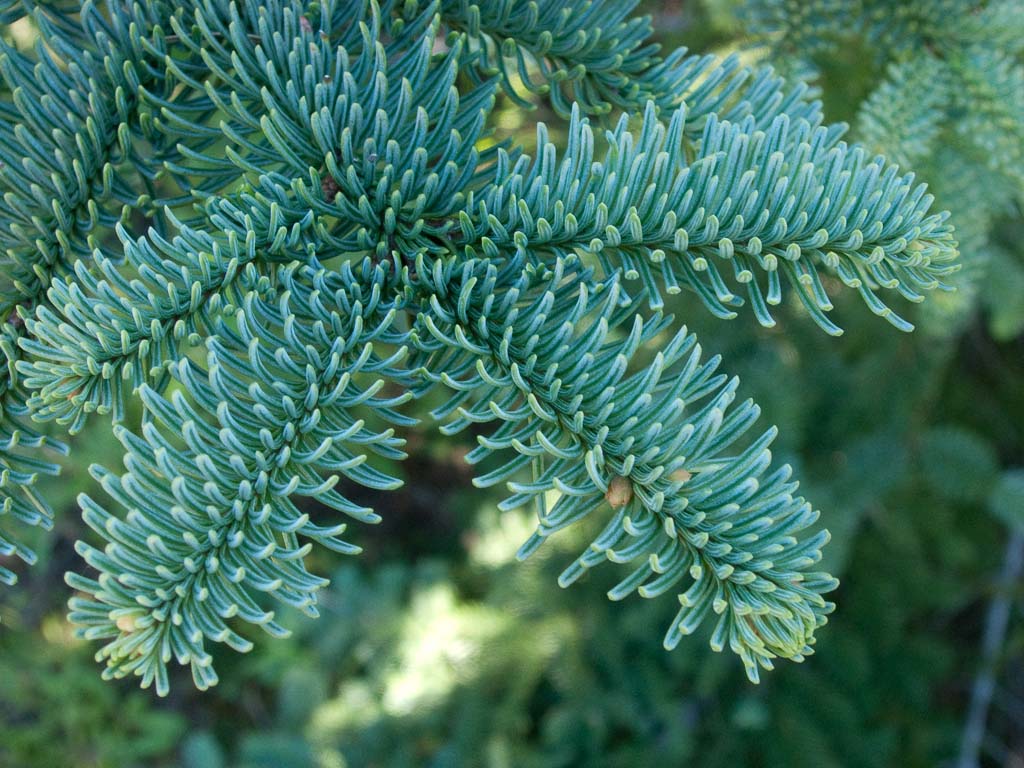
For those who prefer a gentler, more delicate scent, some varieties offer a softer fragrance profile. Concolor Fir, often called White Fir, has a delightful citrusy note, sometimes described as grapefruit-like, which is a lovely alternative to the traditional pine; Douglas Fir also offers a mild, sweet fragrance. These options provide a pleasant background aroma without being overpowering.
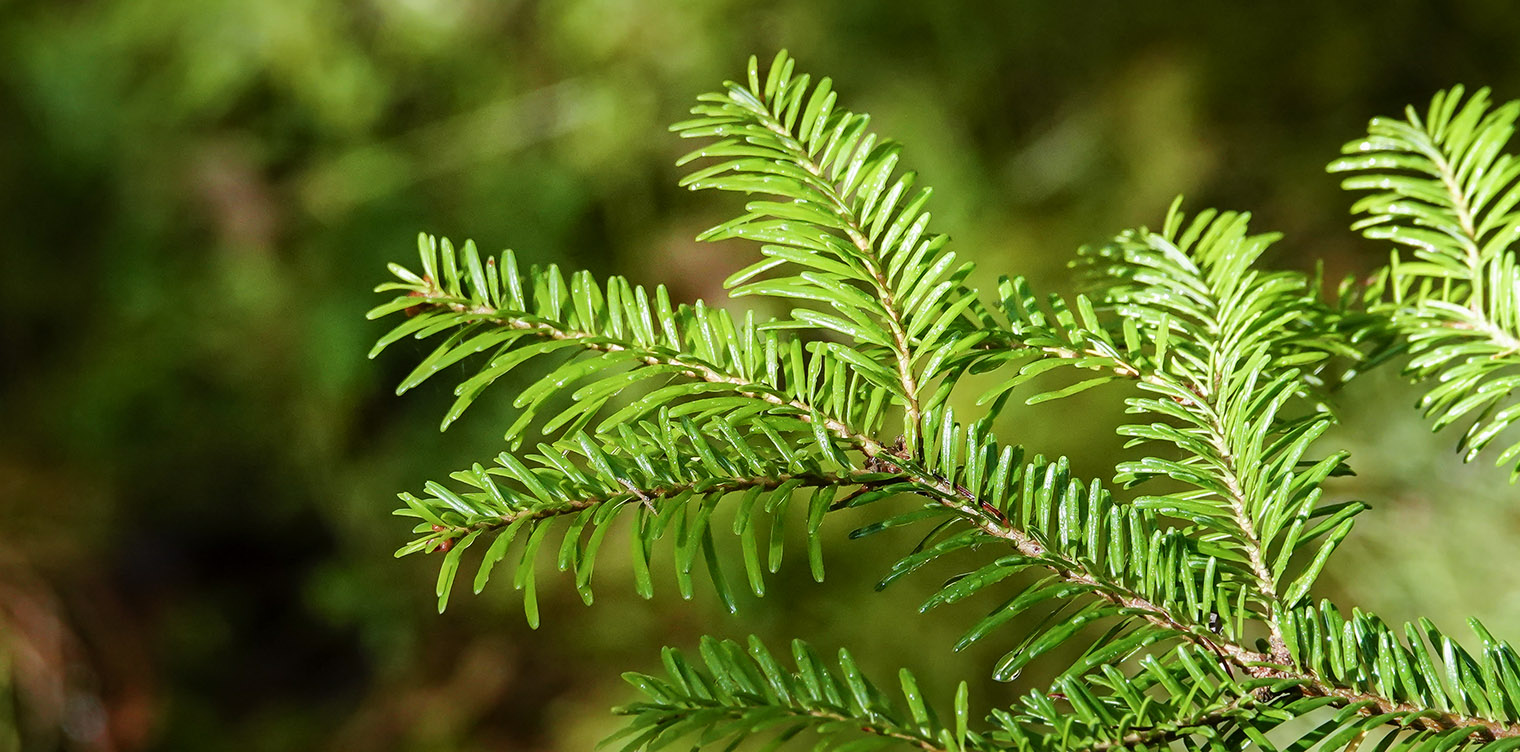
Photo: Adirondack Nature, Google Maps contributor at the Adirondack Mountains.
Needle Retention and Durability
No one wants a Christmas tree shedding its needles before New Year's Day. Needle retention is a critical factor, directly impacting how long your tree looks fresh and vibrant; certain species are naturally better at holding onto their needles than others. A durable tree minimizes mess and ensures your holiday display remains beautiful throughout the season, allowing you to relax and enjoy the festivities.
Excellent Needle Retention Champions
Fraser Fir and Noble Fir are widely celebrated for their exceptional needle retention, often staying fresh and green for weeks with proper care. Balsam Fir also performs very well in this regard; these species are ideal if you plan to put your tree up early in the season or simply want minimal cleanup. Their ability to hold needles significantly extends the life and beauty of your tree.
Good and Moderate Needle Keepers
Douglas Fir and Concolor Fir offer good needle retention, often lasting well into the holiday season if kept well-hydrated. Scotch Pine, while a popular choice, can be a bit more variable; its needles are stiff and less prone to falling, but it benefits greatly from consistent watering. Proper hydration is key for all trees, but especially important for these varieties to maximize their freshness.
Branch Strength for Ornaments
The type and weight of your ornaments play a significant role in determining the best tree species for your home. Some trees have sturdy, upward-curving branches perfect for heavy, cherished heirlooms, while others offer more delicate limbs better suited for lighter decorations; understanding your ornament collection will guide you to a tree that can proudly display your festive treasures. A tree’s branch strength is often an overlooked but essential characteristic.
Sturdy Branches for Heavy Ornaments
If your ornament collection includes many heavy, vintage glass pieces or substantial handmade decorations, opt for a tree with strong, stiff branches. Fraser Fir and Noble Fir boast robust branches that can easily support substantial weight; Scotch Pine also offers stiff needles and strong limbs, making it another excellent choice for heavier adornments. These trees provide a reliable framework for your most prized decorations.
Flexible Branches for Lighter Decorations
For those with a collection of lighter, perhaps more numerous, ornaments, a tree with slightly more flexible branches can work beautifully. Balsam Fir and Douglas Fir have sturdy yet somewhat more pliable branches that are well-suited for a wide range of standard ornaments; they hold decorations securely without appearing sparse. These trees offer a classic aesthetic while still providing good support.
Balsam Fir: The Quintessential Christmas Tree
The Balsam Fir is perhaps the quintessential Christmas tree, renowned for its classic pyramid shape and strong, pleasant fragrance. It's a favorite on many Farms Near Me and a consistent best-seller across the nation; its short, soft, dark-green needles are flat and rounded at the tip, making it a joy to decorate. This tree embodies the traditional holiday spirit.
Balsam Fir Appearance and Scent
Balsam Firs have a dense, symmetrical growth habit, creating a beautiful, full profile perfect for display. Their needles are dark green with silvery undersides, providing a lovely contrast; the aroma is distinct, strong, and enduring, filling your home with that iconic fresh pine scent. It is a visually appealing and highly aromatic choice.
Balsam Fir Needle Retention and Branches
This species offers very good needle retention, lasting well through the holiday season with proper care. Its branches are sturdy enough to hold most ornaments, making it a reliable choice for families with a diverse collection; the soft needles are also quite child-friendly, adding to its appeal. For those seeking a classic, fragrant, and durable tree, the Balsam Fir is a top contender.
Fraser Fir: The Premium Choice
Often considered the gold standard of Christmas trees, the Fraser Fir is prized for its exceptional needle retention, beautiful pyramidal shape, and upward-turning branches. It shares many characteristics with the Balsam Fir but is often considered even more resilient; you can frequently find Fraser Firs when you browse Christmas tree farms by state. This tree offers a premium holiday experience.
Fraser Fir Appearance and Scent
Fraser Firs feature dark green needles with a silvery cast on their undersides, creating a distinguished appearance. Their branches grow in a neat, upward-sweeping pattern, perfect for showcasing ornaments; the fragrance is a pleasant, enduring pine scent, slightly milder than the Balsam but still wonderfully aromatic. It is an elegant and fragrant choice.
Fraser Fir Needle Retention and Branches
The Fraser Fir boasts outstanding needle retention, making it one of the longest-lasting trees available, even suitable if you want to put your tree up earlier in the season calendar. Its stiff, strong branches are excellent for supporting heavier ornaments without drooping; this combination of durability and strength makes it a favored choice for many. For a long-lasting and robust tree, the Fraser Fir is hard to beat.
Douglas Fir: A Popular and Accessible Option
The Douglas Fir is one of the most popular Christmas tree species in the United States, particularly on the West Coast, due to its soft needles, pleasant aroma, and generally lower cost. It offers a classic look and feel, making it an accessible option for many families; its widespread availability makes it a common sight at local lots and farms. This tree combines beauty with affordability.
Douglas Fir Appearance and Scent
Douglas Firs have soft, flexible, dark green needles that radiate around the branch, creating a full and bushy appearance. When crushed, their needles release a sweet, citrusy, or even slightly fruity fragrance that is distinct and delightful; this unique scent sets it apart from other firs. It provides a warm, inviting atmosphere without an overpowering pine aroma.
Douglas Fir Needle Retention and Branches
While not as long-lasting as Fraser or Noble Firs, the Douglas Fir offers good needle retention, especially with consistent watering. Its branches are moderately strong, capable of holding a wide range of ornaments without difficulty; its natural density ensures that even with numerous decorations, the tree maintains a full look. It’s a reliable and charming choice for many homes.
Concolor Fir (White Fir): The Citrusy Alternative
The Concolor Fir, often known as White Fir, is a distinctive and increasingly popular choice, celebrated for its unique citrusy scent and beautiful silvery-blue-green needles. It offers a wonderful alternative to the more traditional dark green varieties; its charming appearance and pleasant aroma make it stand out. This tree brings a fresh twist to holiday decor.
Concolor Fir Appearance and Scent
Concolor Firs are easily identified by their long, soft, flattened needles that are a striking silvery-blue-green color. They have a naturally bushy and symmetrical shape; their most remarkable feature is the distinct aroma, often described as having notes of grapefruit, orange, or lemon. This refreshing scent is a delightful surprise for those accustomed to traditional pine.
Concolor Fir Needle Retention and Branches
This species offers very good needle retention, ensuring your tree stays fresh and vibrant throughout the holidays. Its branches are sturdy enough to support a variety of ornaments, and the unique needle color provides a lovely backdrop for both colorful and monochromatic decorations; it is a durable and visually appealing option. The Concolor Fir provides a memorable and long-lasting holiday centerpiece.
Scotch Pine: A Hardy and Traditional Choice
The Scotch Pine, or Scots Pine, is a hardy and resilient Christmas tree, particularly popular in the Midwest and Eastern United States due to its ability to thrive in various climates. It is known for its stiff needles and strong branches, offering a robust platform for all types of ornaments; its toughness makes it a reliable choice for many families. This tree stands up well to the rigors of the season.
Scotch Pine Appearance and Scent
Scotch Pines have stiff, sharp, two-to-three-inch-long needles that are typically a blue-green color. They possess a classic, strong pine fragrance that is invigorating and unmistakably festive; its dense foliage and conical shape are instantly recognizable. This tree delivers that traditional, hearty Christmas look and smell.
Scotch Pine Needle Retention and Branches
One of the great advantages of the Scotch Pine is its excellent needle retention, largely due to its stiff needles that dry on the tree rather than shedding readily. Its branches are exceptionally strong, making it an ideal candidate for heavy, large, or numerous ornaments; this makes decorating a breeze. For a sturdy, long-lasting, and traditional tree, the Scotch Pine is an excellent selection.
Noble Fir: The Aristocrat of Christmas Trees
The Noble Fir truly lives up to its name, offering a stately and aristocratic presence among Christmas tree species. It is highly valued for its beautiful, strong branches, excellent needle retention, and classic Christmas fragrance; often seen in higher-end displays, it’s a tree that makes a statement. Its regal appearance and superior qualities justify its premium status.
Noble Fir Appearance and Scent
Noble Firs are known for their firm, rigid branches that sweep upwards, perfect for holding even the heaviest of ornaments. Their needles are a deep blue-green, sometimes with a silvery cast, and are stiff and short; the scent is a classic, robust fir aroma, deep and enduring. It presents a magnificent silhouette.
Noble Fir Needle Retention and Branches
This species boasts some of the best needle retention among all Christmas trees, often staying fresh and vibrant for an extended period. Its branches are exceptionally strong and well-spaced, making it easy to hang decorations without crowding; it is also a popular choice for wreaths and garlands due to its durability. The Noble Fir is a magnificent choice for a grand and long-lasting display.
Caring for Your Chosen Tree
No matter which species you choose, proper care is paramount to keeping your tree fresh and beautiful throughout the holiday season. A well-cared-for tree will retain its needles longer, maintain its vibrant color, and continue to fill your home with its delightful fragrance; this proactive approach ensures your holiday centerpiece remains stunning from beginning to end. Proper watering is by far the most important step.
Fresh Cut and Water Immediately
Once you bring your tree home, make a fresh cut across the trunk about an inch from the bottom; this reopens the tree's pores, allowing it to absorb water efficiently. Place the tree in a sturdy stand filled with water as soon as possible, ideally within a few hours of the fresh cut; this initial drink is crucial for its longevity. A dry tree can quickly become a fire hazard.
Consistent Watering is Key
Check the water level in your tree stand daily, sometimes even twice a day, especially during the first week. Trees can drink an astonishing amount of water, particularly when they are first brought indoors; never let the water level drop below the base of the trunk. Maintaining a consistent water supply is the single most effective way to prevent needle drop and keep your tree vibrant, as recommended by the National Christmas Tree Association.
Ideal Environment and Safety
Place your tree away from direct heat sources like radiators, fireplaces, or heating vents, which can accelerate drying. Using LED lights, which produce less heat than traditional incandescent bulbs, can also help preserve your tree's freshness; always ensure your lights are in good working order and never leave them on when you leave the house or go to sleep. Following a cut-your-own checklist can further prepare you.
Making the Final Decision
Choosing the right Christmas tree species is a personal journey, blending practicality with holiday spirit. By considering factors like your home's size, desired fragrance, needle retention, and ornament collection, you can narrow down the options and find a tree that perfectly suits your needs; remember to also think about how you plan for tree recycling after the holidays. The perfect tree isn't just a decoration; it's the heart of your festive home. Embrace the process, enjoy the search, and bring home a tree that will create lasting memories for you and your loved ones.

Photo: Mile High Tree Farm, Google Maps contributor at Mile High Tree Farm.
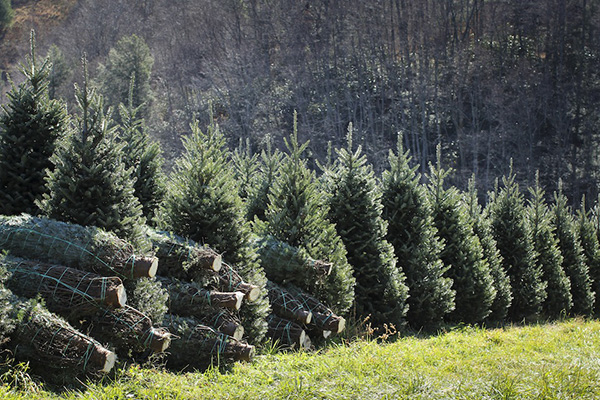
Photo: NC Christmas Tree Association, Google Maps contributor at a North Carolina Fraser fir farm.