Christmas Tree Fire Safety: Enjoy the Season, Stay Secure
Published October 3, 2026 · By Christmas Tree Farm Finder

The scent of fresh pine, a crisp winter breeze, the quiet anticipation of the holidays; these are the moments we cherish when selecting our annual Christmas tree. For many, that joy includes a visit to a local farm, where rows of fragrant evergreens stand waiting for their perfect family. Bringing a living piece of nature into your home is a cherished tradition, and it's one that can be enjoyed safely and without undue worry.
Understanding the True Risk of Tree Fires
While the thought of a Christmas tree fire can be alarming, it's crucial to approach this topic with a clear perspective, not panic. Real Christmas trees are not inherently hazardous; the vast majority of trees displayed each year never contribute to a fire. The primary danger arises when trees are allowed to become excessively dry; this is when they can become more susceptible to ignition.
Distinguishing Real Risks from Media Hype
The narrative surrounding Christmas tree fires is often disproportionately amplified by sensationalized media reports, creating an impression of widespread danger that doesn't align with statistical reality. It's easy to conjure images of rapid, uncontrollable flames, but these instances are, fortunately, quite rare. Focusing on practical, preventative steps rather than fear is the most effective approach.
Choosing a Healthy Tree from the Start
Your journey to a safe and beautiful Christmas display begins right there on the farm. A healthy, well-hydrated tree is your first and best defense against potential fire hazards. Taking a few moments during selection can make all the difference once the tree is in your home.
Checking for Freshness at the Farm
When you're out among the firs and pines, take a moment to assess a potential candidate's vitality. Run your hand over the needles; they should feel pliable and firmly attached, not brittle or easily shedding. Look for a vibrant green color, avoiding trees with a dull hue or significant browning.
The Bounce Test for Needle Retention
A simple but effective test for freshness involves gently bouncing the tree's butt on the ground a few times. If only a few green needles fall, that's perfectly normal; however, if a shower of green needles comes cascading down, that tree is already too dry and should be passed over. This quick check helps ensure you're taking home a truly fresh specimen.
Proper Preparation Before Bringing Your Tree Indoors
Once you've selected your ideal tree and brought it home, a few essential steps are needed before it ever crosses your threshold. These preparatory actions ensure maximum water absorption and reduce the risk of early drying. Neglecting this crucial stage is a common oversight that can lead to problems later.
Re-cutting the Trunk for Better Water Absorption
The most critical step after bringing your tree home is to make a fresh, straight cut across the base of the trunk. This re-cut should remove about half an inch to an inch of the trunk; this opens up the tree's vascular system, allowing it to drink water effectively. Without this fresh cut, a tree can't properly hydrate, no matter how much water is in the stand.
Immediate Hydration Upon Arrival
After making that fresh cut, immediately place the tree into a sturdy stand filled with water. Do not delay this step; even a brief exposure to air can cause sap to seal the cut surface, hindering water uptake. Think of it as a thirsty plant that needs a drink as soon as possible.
Choosing the Right Tree Stand for Stability and Hydration
A proper tree stand is more than just a decorative base; it's a vital component of your fire safety strategy. It needs to be appropriately sized for your tree and designed for continuous hydration. Cutting corners here can compromise both the tree's safety and its lifespan.
Selecting a Stand with Ample Water Capacity
Your tree stand should hold at least one gallon of water for every inch of the tree's trunk diameter. For instance, a four-inch diameter trunk needs a stand that can hold four gallons of water. Many stands on the market are too small to adequately hydrate a large tree, so check the specifications carefully.
Ensuring Stand Stability and Levelness
Beyond water capacity, ensure your stand is robust enough to securely hold your tree upright. It should have a broad base and strong fasteners to prevent tipping, especially if you have pets or small children. A wobbly tree is not only a safety hazard but also makes proper watering more challenging.
Strategic Placement of Your Christmas Tree
Where you decide to display your Christmas tree can significantly impact its safety profile. Careful consideration of its surroundings helps minimize potential ignition sources and ensures clear escape routes. This is a planning step that should not be overlooked.
Maintaining Distance from Heat Sources
Always place your tree well away from any heat-producing elements. This includes fireplaces, heat vents, radiators, and even direct sunlight through a window. Excessive heat accelerates moisture loss, causing the tree to dry out prematurely and increasing its flammability.
Avoiding Obstruction of Exits
While your tree is a beautiful centerpiece, it must never block doorways or exits. In the unlikely event of a fire, clear pathways are essential for everyone's safe evacuation. Ensure there's ample space around the tree for easy movement in and out of the room.
The Daily Ritual of Watering Your Tree
Once your tree is upright and decorated, the most important ongoing task is consistent watering. This daily ritual is the single most effective way to keep your tree fresh, fragrant, and fire-resistant throughout the entire holiday season. Think of it as feeding your festive guest.
Checking Water Levels Every Day
Make it a habit to check the water level in your tree stand daily, sometimes even twice a day, especially during the first week. Freshly cut trees are incredibly thirsty and can absorb a surprising amount of water in a short period. Never let the water level drop below the base of the trunk.
Using Plain Tap Water; No Additives Needed
Contrary to popular belief and various home remedies, your tree doesn't need special additives, sugar, or aspirin in its water. Plain, fresh tap water is perfectly sufficient to keep your tree healthy and hydrated. Focus on consistent replenishment rather than fancy concoctions.
Safe Practices for Christmas Tree Lighting
Christmas lights are an integral part of the holiday tree tradition, but they are also a common source of ignition if not handled correctly. Modern LED lights are a fantastic advancement in safety and energy efficiency, offering a bright and cool glow. Always prioritize quality and proper installation.
Inspecting Lights for Damage
Before you even think about stringing lights on your tree, thoroughly inspect each strand for any frayed wires, cracked sockets, or loose connections. Damaged lights can short-circuit and pose a fire hazard. Discard any compromised strands; they're not worth the risk.
Using Only UL-Approved Lights and Avoiding Overloading
Always use lights that are certified for safety by a reputable testing laboratory, such as Underwriters Laboratories (UL). These certifications ensure the lights meet stringent safety standards. Additionally, avoid "daisy-chaining" too many strands together, which can overload circuits and lead to overheating.
Turning Lights Off Before Leaving or Sleeping
This is a simple rule with significant impact: always turn off your Christmas tree lights before you leave your home or go to bed. Even with modern LED lights, which run cooler, it's a good practice. This minimizes the time any potential electrical issue could develop into a problem.
Post-Holiday Tree Removal and Recycling
Once the festive season concludes, knowing when and how to remove your tree safely is just as important as setting it up. A dry tree can become increasingly flammable, making prompt and proper disposal essential. This is not a task to delay.
Removing Your Tree Promptly
As soon as the holidays are over, or as soon as your tree begins to show significant signs of drying (excessive needle drop, brittle branches), it's time for removal. The longer a dry tree remains indoors, the greater the potential risk it poses. This isn't about superstition; it's about practical safety.
Utilizing Local Recycling Programs
Many communities offer excellent programs for Christmas tree recycling, often turning them into mulch or even wildlife habitats. Check your local municipality's website or contact your waste management service for specific guidelines on tree recycling in your area. This is a responsible and environmentally friendly way to dispose of your tree.
Emergency Preparedness and Fire Extinguishers
While focusing on prevention is paramount, it's also wise to be prepared for any eventuality. Having the right tools and knowing how to react can make a critical difference in an emergency. This peace of mind allows you to truly relax and enjoy the season.
Having a Working Smoke Detector
Ensure you have working smoke detectors installed throughout your home, especially near sleeping areas and where your tree is located. Test them regularly to confirm they are functional. These devices provide early warning, which is crucial for escape.
Keeping a Fire Extinguisher Handy
It's a good idea to have a multi-purpose (ABC rated) fire extinguisher easily accessible in your home. Learn how to use it properly beforehand. While you hope to never need it, knowing it's there and being prepared can provide significant reassurance. For more comprehensive safety advice, consider resources from organizations like the National Christmas Tree Association.
Enjoying Your Holiday with Confidence
Christmas trees bring unparalleled joy and beauty to our homes during the holidays. By following these straightforward, practical safety tips, you can greatly reduce any potential risks without letting fear overshadow your festivities. From selecting a healthy tree at one of the many Farms Near Me to ensuring it stays well-hydrated, each step contributes to a safe and memorable season. So, choose your tree with care, water it consistently, and light it responsibly; then sit back and savor the magic that only a real Christmas tree can bring. For guidance on different varieties, our tree species guide can help you pick the perfect one.
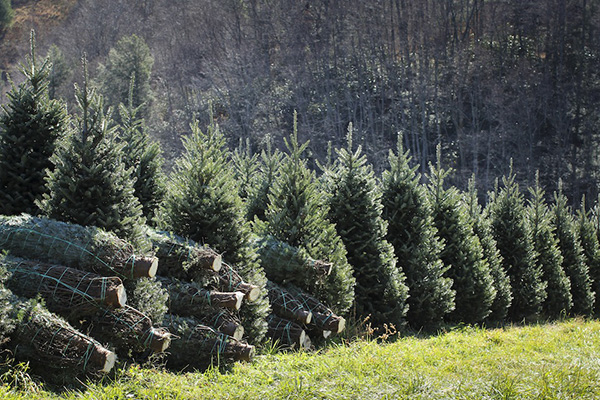
Photo: NC Christmas Tree Association, Google Maps contributor at a North Carolina Fraser fir farm.
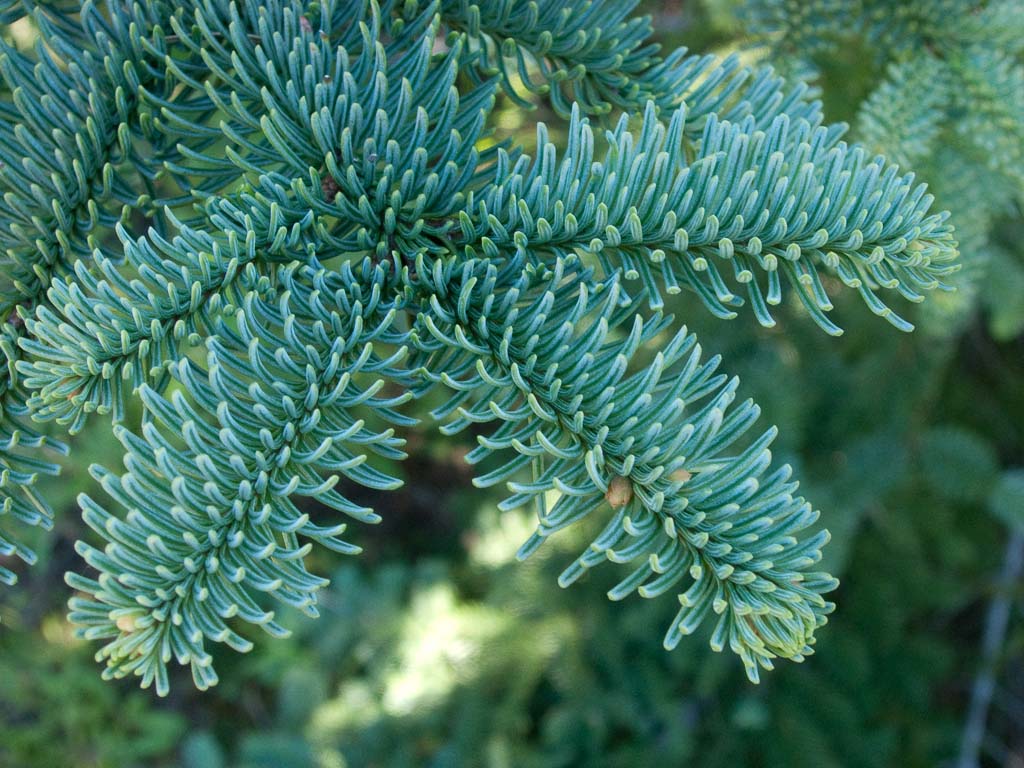
Photo: The Gymnosperm Database, Google Maps contributor at Pacific Northwest noble fir.
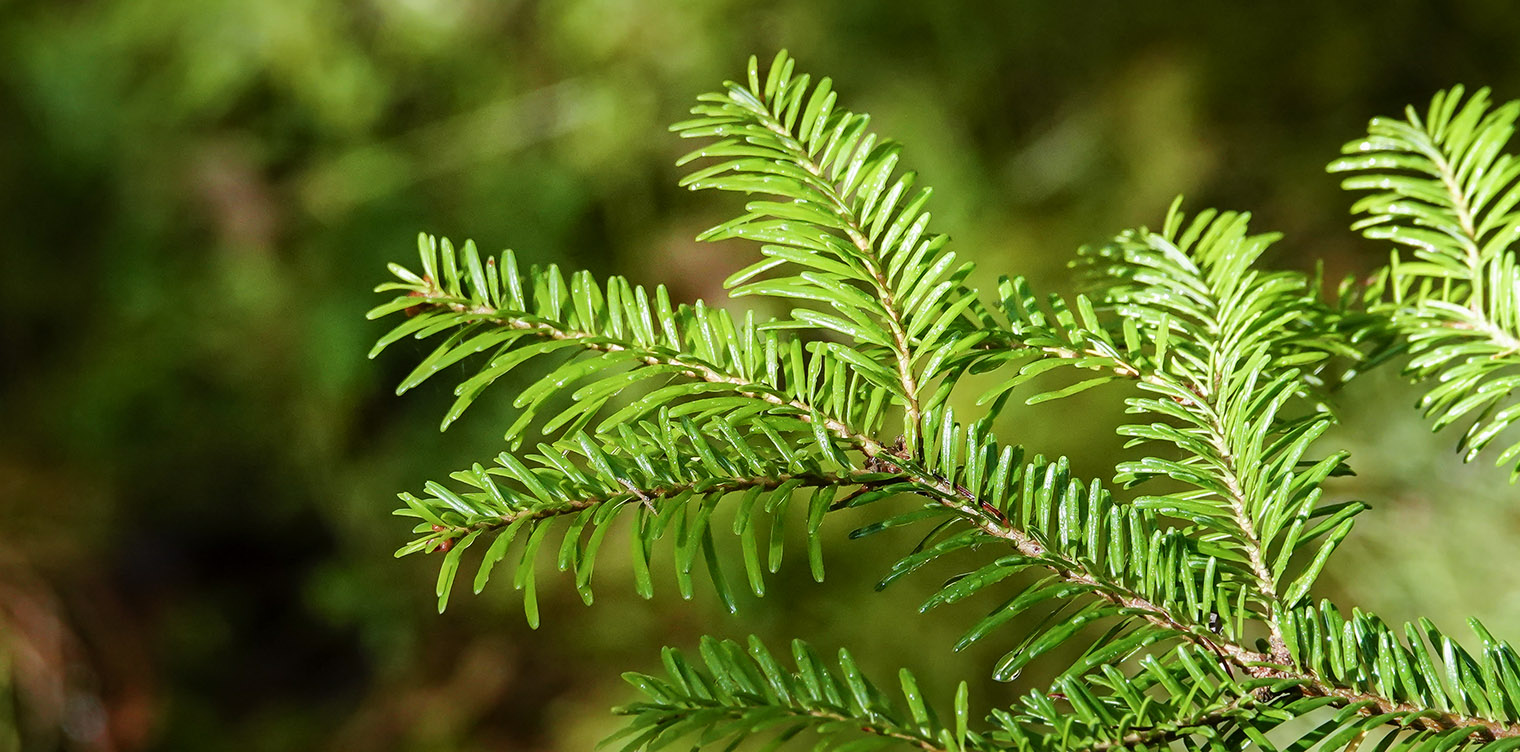
Photo: Adirondack Nature, Google Maps contributor at the Adirondack Mountains.