From Seedling to Seven-Foot Fraser Fir: Christmas Tree Farm Secrets
Published September 21, 2026 · By Christmas Tree Farm Finder
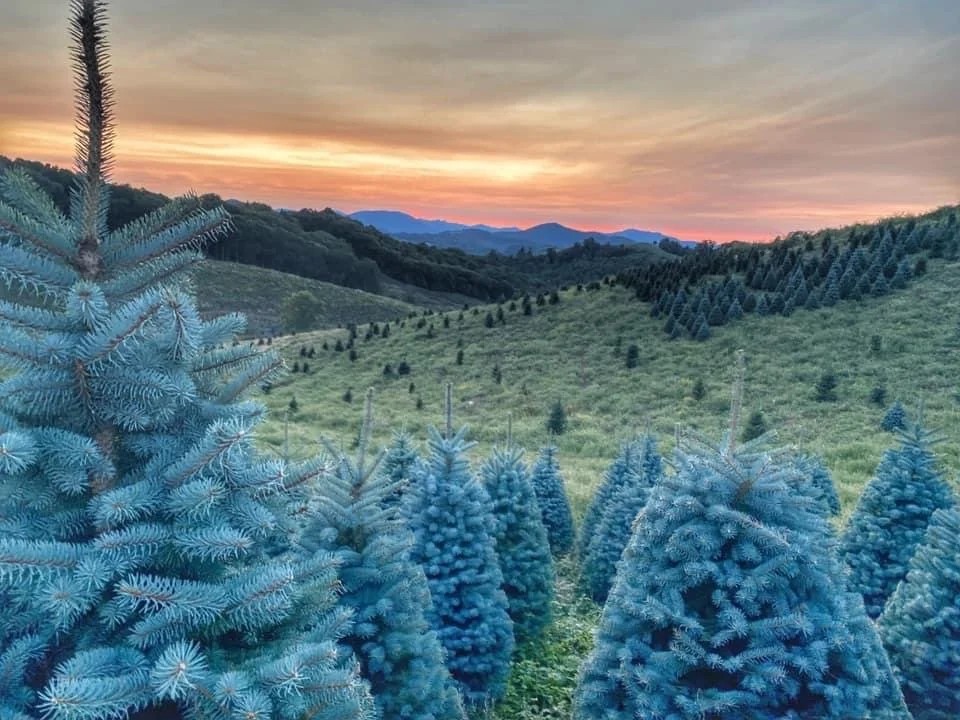
Walking onto a Christmas tree farm, the scent of pine needles sharp and clean in the air, you see rows upon rows of evergreens, each one a potential centerpiece for holiday celebrations. It’s a quiet testament to patience and persistence, a landscape where nature and careful cultivation combine to bring joy to countless homes. But how exactly does a tiny seedling transform into that perfect, towering seven-foot Fraser fir, ready for adornment and admiration? It’s a journey spanning nearly a decade, filled with careful steps and constant attention, often starting long before the first frost of winter.
Selecting the Right Soil and Site
The foundation of any successful crop, especially trees, begins with the soil; Fraser firs, like many conifers, are particular about their growing conditions. These trees thrive in well-drained, slightly acidic soil, often rich in organic matter, which mimics their native Appalachian mountain environment. Farmers conduct soil tests, analyzing nutrient levels and pH, to determine if amendments are needed before planting.
They Also Carefully Assess the Chosen Site Considering
They also carefully assess the chosen site, considering factors like elevation, air drainage, and sun exposure; low-lying areas prone to late spring frosts or standing water are generally avoided. Ideal sites often have a gentle slope, allowing cold air to drain away and preventing waterlogging around delicate roots. This meticulous site preparation ensures that each young seedling has the best possible start in life, a crucial first step toward its eventual seven-foot stature.
Sourcing Quality Seedlings
Once the land is ready, the next critical step is acquiring high-quality seedlings, the genetic blueprint for future Christmas trees. Farmers typically purchase 2-0 or 3-0 stock, meaning seedlings that have spent two or three years, respectively, in a nursery bed. These young trees are usually bare-root, carefully packaged to protect their root systems during transport.
The Provenance of the Seeds Is Vital
The provenance of the seeds is vital; seeds collected from high-elevation, disease-resistant parent trees generally produce stronger, more uniform firs. Reputable nurseries specialize in providing robust, healthy seedlings, often with specific genetic traits that enhance needle retention, color, and growth habit. Choosing the right nursery stock can significantly impact the long-term health and marketability of the entire crop, minimizing future problems.
Planting the Young Trees
Planting is a labor-intensive but critical phase, setting the initial spacing and depth for each tree. Seedlings are typically planted in the spring, once the danger of hard frost has passed and the soil is workable, allowing their roots to establish before summer heat. Each seedling is carefully placed, ensuring the root collar is at or just below the soil surface, and the roots are spread out, not J-rooted or tangled.
Proper Spacing Is Key for Future Growth
Proper spacing is key for future growth; Fraser firs destined for a seven-foot height need ample room to spread their branches and access sunlight. Farmers often use precise mechanical planters or hand-plant, maintaining consistent rows and distances, typically four to five feet between trees within rows and between rows. This spacing allows for future machinery access, air circulation, and optimal light penetration, all essential for shaping a full, symmetrical tree.
Weed Control Strategies
Weeds are fierce competitors for water, nutrients, and sunlight, especially detrimental to young, vulnerable Fraser firs. Effective weed control is paramount throughout the growth cycle, preventing competition that could stunt growth or even kill seedlings. Farmers employ a variety of strategies to manage these unwanted plants, often combining methods for maximum effectiveness.
Might Include Applying Pre-emergent Herbicides in Early Spring
This might include applying pre-emergent herbicides in early spring to prevent weed seeds from germinating, followed by post-emergent treatments for any weeds that emerge. Mechanical cultivation, such as mowing between rows or shallow tilling, can also be used, especially in organic operations or when trying to reduce herbicide use. A clear area around the base of each tree ensures that the young fir receives all available resources, promoting robust growth and health.
The Importance of Pest and Disease Management
Christmas tree farms, like any agricultural operation, face constant threats from various pests and diseases that can quickly decimate a crop. Proactive pest and disease management is an ongoing process, requiring regular scouting and timely intervention to protect the developing firs. Farmers frequently inspect their trees, looking for signs of common Fraser fir issues like balsam woolly adelgid, spider mites, or various fungal diseases.
Early Detection Is Key
Early detection is key; an infestation or infection caught in its initial stages is far easier to control than one that has spread throughout a field. Integrated pest management (IPM) practices, which prioritize biological and cultural controls before resorting to chemical treatments, are often employed. This careful monitoring and strategic intervention ensure the trees remain healthy and vibrant, progressing steadily towards their desired height and form.
Monitoring for Balsam Woolly Adelgid
One of the most persistent and damaging pests for Fraser firs is the balsam woolly adelgid, a tiny insect that feeds on the sap of the trees. These pests can cause gouting on stems and branches, leading to stunted growth and eventually tree death if left unchecked. Farmers meticulously check for the characteristic white, waxy masses that conceal the adelgid, often on the undersides of branches or in branch crotches.
Infested Trees If Not Too Severely Damaged Might
Infested trees, if not too severely damaged, might be treated with insecticides applied directly to the bark or foliage, targeting the overwintering nymphs. This vigilance is crucial for maintaining the long-term health of the entire stand, preventing widespread damage that could compromise years of hard work. Continuous monitoring is essential, as new infestations can arise at any time, requiring immediate attention.
Preventing Fungal Diseases
Fungal diseases, such as root rot or needle cast, also pose significant threats to Fraser fir health and appearance. These diseases are often exacerbated by wet conditions, poor air circulation, or stressed trees, causing discoloration, needle drop, or even death. Farmers prioritize preventative measures, like ensuring good drainage and appropriate tree spacing, which help reduce the likelihood of fungal outbreaks.
A Disease Is Detected Specific Fungicides Might Be
If a disease is detected, specific fungicides might be applied to halt its spread, but prevention remains the best defense. Maintaining overall tree vigor through proper nutrition and watering also helps trees naturally resist infections. A healthy tree is far less susceptible to disease, making good horticultural practices the first line of defense against these microscopic threats.
Shaping the Tree: Shearing and Pruning
Perhaps the most iconic practice on a Christmas tree farm, shearing and pruning are what transform a wild-looking conifer into that perfectly conical Christmas tree shape. This manual process typically begins once the trees are three to four feet tall and continues annually until harvest. Shearing involves cutting the terminal leader, the main upright shoot, and shortening the lateral branches to promote density and shape.
A Seven-foot Fraser Fir Will Have Undergone This
A seven-foot Fraser fir will have undergone this meticulous shaping process several times during its life, each cut guiding its growth. The goal is to create a consistent taper and full branching, ensuring there are no gaps in the foliage. Shearing is often done in late spring or early summer after the new growth, called "candles, " has elongated but before it hardens, allowing the tree to fill in any cuts by the next growing season. This expert handiwork is what ultimately defines the tree's aesthetic appeal, making it desirable for consumers who are looking for the perfect tree, perhaps through browse Christmas tree farms by state.
Nutrition and Hydration
Just like any living organism, Fraser firs require a consistent supply of nutrients and adequate water to grow strong and healthy. Soil tests inform farmers about specific nutrient deficiencies, guiding fertilization programs that ensure optimal growth rates and rich green needle color. Applications of nitrogen, phosphorus, and potassium, often in granular form, replenish soil nutrients throughout the tree's lifespan.
Fraser Firs Are Somewhat Drought-tolerant Once Established Extended
While Fraser firs are somewhat drought-tolerant once established, extended dry periods can stress young trees and slow growth. Farmers monitor rainfall and might use supplemental irrigation, especially during critical growth periods or prolonged droughts, to ensure the trees don't become dehydrated. Well-nourished and hydrated trees are more resilient to pests and diseases, and they grow faster, reaching that seven-foot height more efficiently.
The Long Wait: Growing a Seven-Foot Tree
Reaching a height of seven feet is not an overnight feat; it’s a journey that typically spans 7 to 10 years, sometimes even longer, for a Fraser fir. From a tiny seedling, each year brings new growth, new challenges, and continued care. The average growth rate for a Fraser fir on a well-managed farm might be around 10 to 12 inches per year, meaning that a seven-foot tree is truly a testament to sustained effort.
Long Cultivation Period Requires Significant Patience and Investment
This long cultivation period requires significant patience and investment from farmers; there's no shortcut to producing a quality, full-sized tree. Each growing season involves repeating the cycles of weed control, pest management, and careful shaping, bringing the tree closer to its ideal form and height. It's a commitment to the land and the future, culminating in the joyous moment of harvest, a time often celebrated by families visiting Farms Near Me to choose their own perfect tree.
Preparing for Harvest and Market
As the Fraser firs approach their target height and shape, farmers begin the final preparations for harvest. This involves a last round of inspections to ensure quality, checking for any missed spots in shearing or unexpected pest issues. The market demand for various tree sizes and species also influences which trees are selected for harvest in any given year. The National Christmas Tree Association provides excellent resources on market trends and best practices for sustainable farming.
The Harvest Season Arrives Typically in Late November
When the harvest season arrives, typically in late November or early December, the chosen trees are carefully cut, bundled, and prepared for transport to retail lots or directly to consumers. Many farms offer a cut-your-own experience, inviting families to participate in the tradition, often referencing a cut-your-own checklist beforehand. This final stage is the culmination of nearly a decade of dedicated work, transforming a humble seedling into a cherished holiday symbol, ready to brighten homes and create lasting memories.
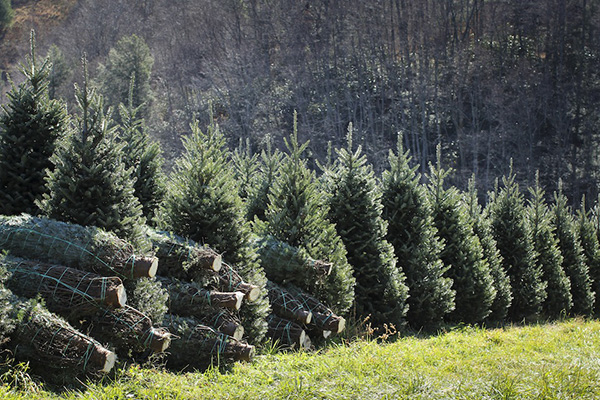
Photo: NC Christmas Tree Association, Google Maps contributor at a North Carolina Fraser fir farm.
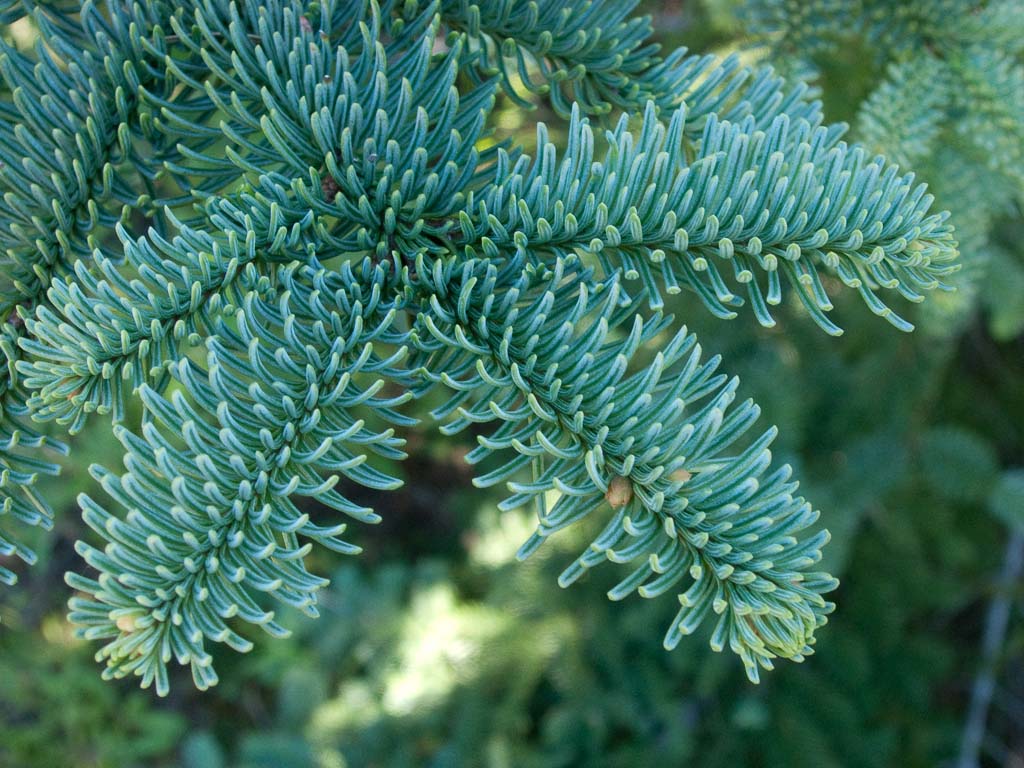
Photo: The Gymnosperm Database, Google Maps contributor at Pacific Northwest noble fir.
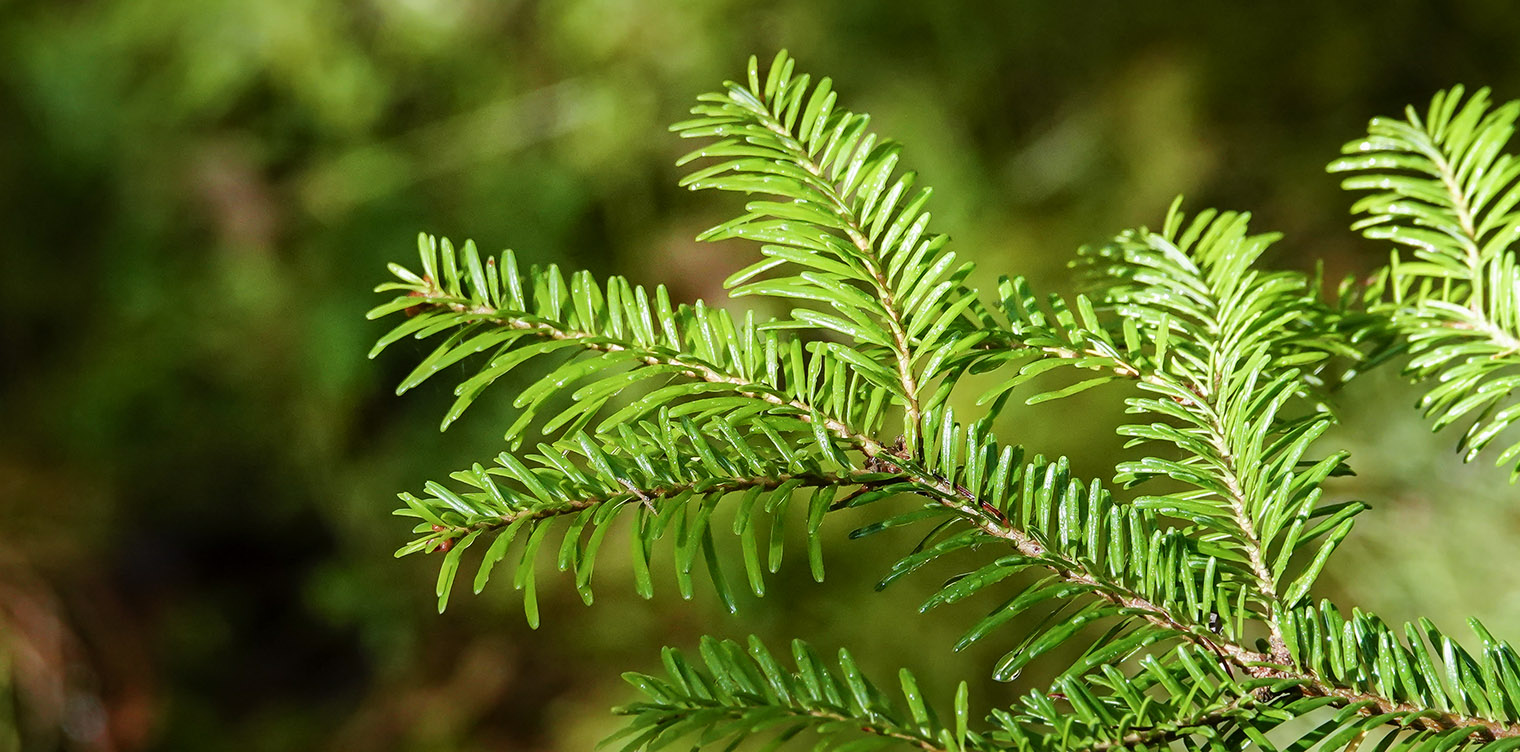
Photo: Adirondack Nature, Google Maps contributor at the Adirondack Mountains.